

Lioponera brevis
- Scientific Name
- Lioponera brevis
- Subfamily
- Dorylinae
- Author
- Clark, 1924
- Distribution
- Found in 1 countries
Lioponera brevis Overview
Lioponera brevis is an ant species of the genus Lioponera. It is primarily documented in 1 countries , including Australia. Detailed taxonomic data and occurrence records can be further explored via authoritative databases such as AntWeb or the Global Biodiversity Information Facility (GBIF).
Lioponera brevis
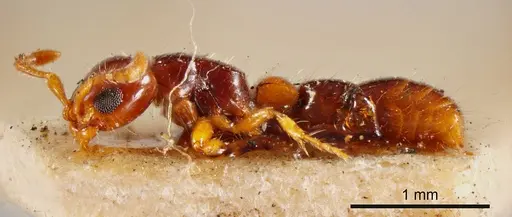
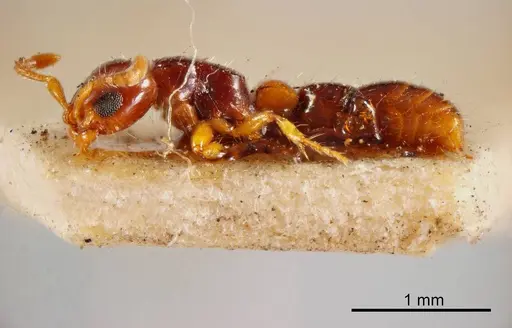
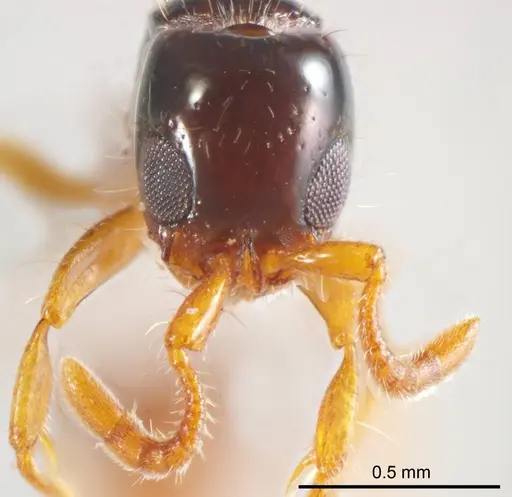
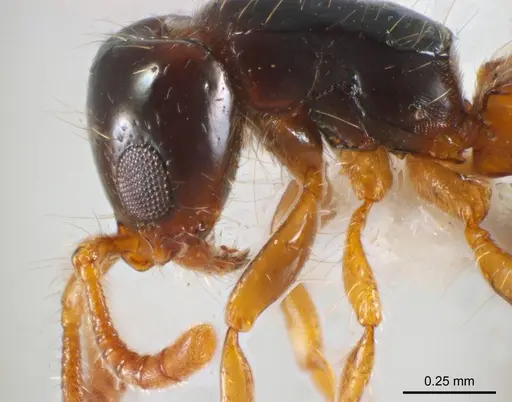
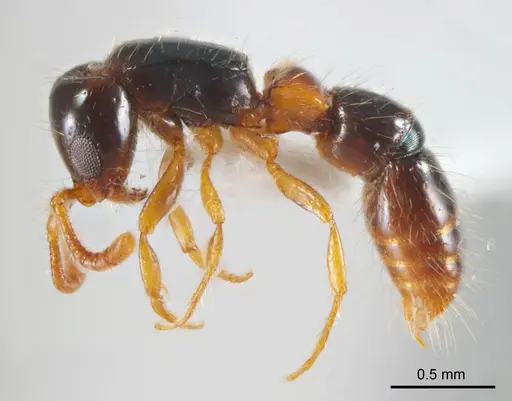
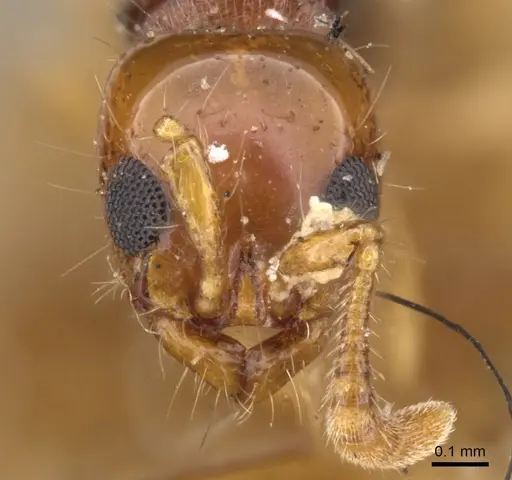
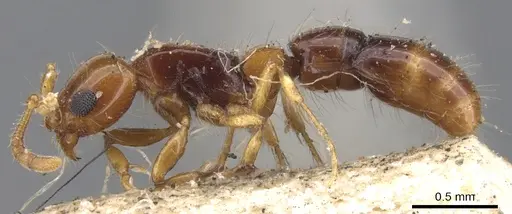
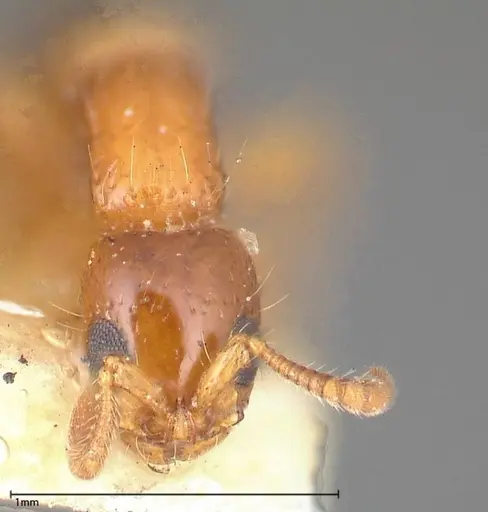
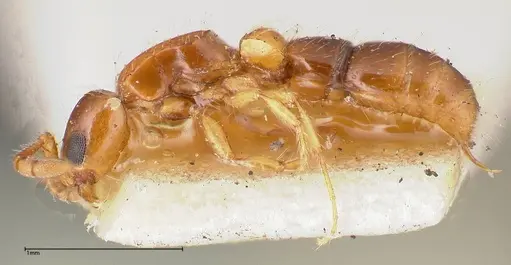
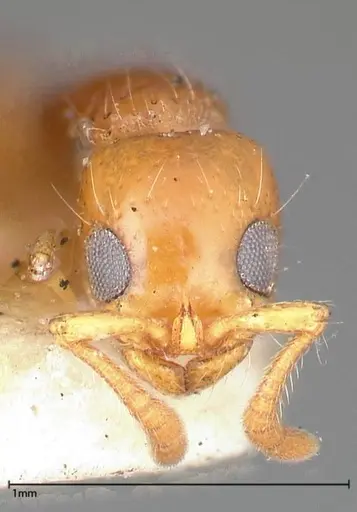
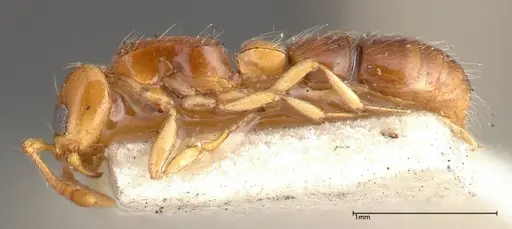
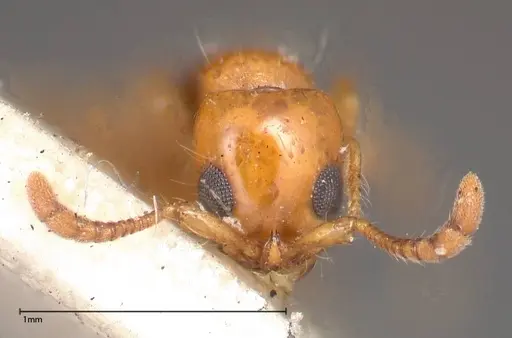
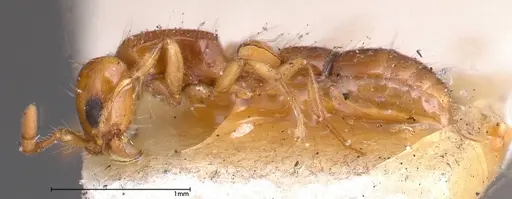
Lioponera brevis is a minute ant species native to Australia, found primarily in Western Australia and the Northern Territory [1]. Formerly classified as Lioponera brevis, it belongs to the Dorylinae subfamily, which includes army ants and their relatives. Workers are small with a distinctive color pattern: the body is concolorous red, while the petiole (the segment connecting the thorax and abdomen) is distinctly lighter, yellow to light brown, contrasting with the darker abdominal segments [2]. This species is considered taxonomically challenging, with unclear boundaries between populations, though the morphology is relatively uniform [1]. As a Dorylinae species, it likely exhibits predatory behavior typical of this group, though specific hunting strategies are unconfirmed.
Quick Summary
- Difficulty: Unknown, limited data available
- Origin & Habitat: Australia (Western Australia and Northern Territory). Found in the Australasian region, likely in arid to semi-arid habitats typical of these areas [1][2].
- Colony Type: Unconfirmed colony structure. Dorylinae species typically have single-queen colonies, but this has not been documented for L. brevis specifically.
- Size & Growth:
- Queen: Unknown, no measurements available for this species
- Worker: Minute (estimated 2-4mm based on genus patterns) [3]
- Colony: Unknown, no colony size data available
- Growth: Unknown
- Development: Unknown, no development data available. Estimates based on related Dorylinae suggest 4-8 weeks at optimal temperature, but this is speculative. (Development timeline unconfirmed for this species.)
- Antkeeping:
- Temperature: Unknown, no specific data. Related Dorylinae species typically thrive at room temperature (20-25°C). Start around 22-24°C and observe colony activity.
- Humidity: Unknown, no specific data. Australian arid-zone origin suggests moderate to low humidity tolerance. Provide a gradient with a moist area and drier areas for choice.
- Diapause: Unknown, no documented overwintering requirements. Australian species from tropical to subtropical regions may have reduced or no diapause needs.
- Nesting: Unconfirmed. Dorylinae species are typically subterranean. Provide a setup with soil or compactable substrate that allows for tunneling. A test tube setup with a dirt chamber or naturalistic setup would be appropriate guesses.
- Behavior: Behavior is unconfirmed for this species. As a Dorylinae member, it likely exhibits predatory behavior and may show raiding patterns typical of army ants, though this is speculative. Escape risk is unknown but likely moderate given small size, use standard barriers. No documented aggression or sting reports.
- Common Issues: Limited availability, this species is rarely kept and seldom available in the antkeeping trade., No established care protocols, keepers will be pioneering husbandry methods., Small size makes escape prevention important despite unknown escape behavior., No documented diet acceptance, must determine appropriate food through experimentation., Colony founding success is unknown, no data on queen founding behavior.
Taxonomy and Identification
Lioponera brevis was originally described as Lioponera brevis by Clark in 1924,then moved to Cerapachys before being transferred to Lioponera in 2016 [4]. The species is considered 'minute', one of the smallest ant species in Australia [3]. Taxonomic boundaries remain unclear, with some populations showing a distinctive yellow petiolar node that contrasts with the darker abdominal segment III, though this coloration feature is variable [1]. The body is concolorous red with a distinctly lighter petiole (yellow to light brown) compared to the mesosoma and post-petiole [2]. This species belongs to the Dorylinae subfamily, formerly known as Cerapachyinae.
Distribution and Habitat
Lioponera brevis is found exclusively in Australia, specifically in Western Australia and the Northern Territory [1]. It has been recorded in surveys of Barrow Island off the Western Australian coast [5]. The species appears to be associated with arid to semi-arid habitats typical of these regions. No specific microhabitat data is available, but as a Dorylinae member, it likely nests underground or in concealed locations. The species has been collected as part of baseline invertebrate surveys, indicating it is present but not abundant in its range.
Biology and Behavior
Specific biological information for Lioponera brevis is extremely limited. As a member of the Dorylinae subfamily, it likely exhibits predatory behavior typical of army ants and their relatives, though the exact hunting strategies are unconfirmed. Dorylinae ants are known for their specialized hunting behaviors, often targeting other ant species or brood. The genus Lioponera consists of predatory ants that typically raid other ant colonies. However, no observations of raiding behavior, colony size, or reproductive biology have been documented specifically for L. brevis. This represents a significant gap in knowledge for antkeepers interested in this species.
Keeping Lioponera brevis - Current Knowledge
No established husbandry protocols exist for Lioponera brevis. This species is rarely kept in captivity and is considered a 'need' species in terms of documentation [4]. Based on related Dorylinae species, keepers should expect a small, predatory ant that likely requires protein-rich foods. The minute size suggests delicate handling and potential escape concerns. Housing should likely consist of a naturalistic setup with soil or a test tube setup with dirt chambers, allowing for natural tunneling behavior. Temperature and humidity requirements are unknown, starting around room temperature (22-24°C) with moderate humidity and observing colony preferences is the best approach. This species represents an opportunity for dedicated antkeepers to document and establish husbandry protocols for a rarely kept Australian species.
Frequently Asked Questions
How big are Lioponera brevis ants?
Lioponera brevis is described as a 'minute' species, meaning it is very small. Based on related species and the genus description, workers are likely in the 2-4mm range, though exact measurements have not been documented [3].
Where does Lioponera brevis live?
This species is found only in Australia, specifically in Western Australia and the Northern Territory [1].
Is Lioponera brevis an army ant?
Lioponera brevis belongs to the Dorylinae subfamily, which includes army ants and their relatives. However, it is a minute species and not a typical army ant. Its specific behavioral adaptations are unconfirmed.
What do Lioponera brevis ants eat?
Diet is unconfirmed for this species. Based on Dorylinae family patterns, they are likely predatory on other insects, particularly other ants or their brood. Keepers should offer small live prey such as fruit flies, pinhead crickets, or small mealworms.
How do I keep Lioponera brevis?
No established care protocol exists. Based on related Dorylinae species, use a naturalistic setup with soil for tunneling or a test tube with dirt chamber. Start at room temperature (22-24°C) with moderate humidity and adjust based on colony behavior. This is a species for experienced keepers willing to experiment.
Are Lioponera brevis ants aggressive?
Aggression level is unconfirmed. Dorylinae species are typically predatory, but specific behavior toward keepers or other ants has not been documented for this species.
Does Lioponera brevis need hibernation?
Diapause requirements are unknown. As a species from tropical to subtropical Australia, it may not require true hibernation but may have reduced activity periods. More research is needed.
How long does it take for Lioponera brevis to develop from egg to worker?
Development timeline is unconfirmed. Based on typical Dorylinae patterns, it may take 4-8 weeks at optimal temperature, but this is a rough estimate.
Can beginners keep Lioponera brevis?
This species is not recommended for beginners due to lack of established care protocols and limited availability. It is better suited for experienced antkeepers interested in pioneering husbandry for rarely kept species.
Is Lioponera brevis available in the antkeeping trade?
This species is rarely available and considered a 'need' species requiring documentation [4]. It is not commonly kept in captivity.
References

This caresheet is licensed under CC BY-SA 4.0 .
ANTWEB1008227
View on AntWeb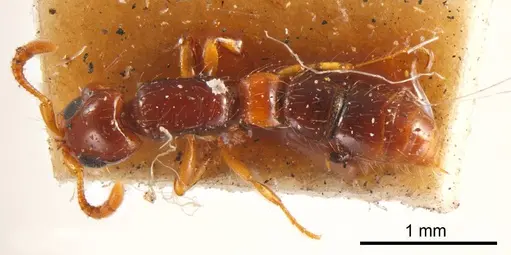
ANTWEB1008260
View on AntWeb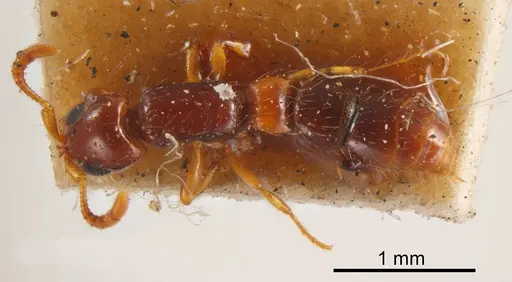
ANTWEB1008625
View on AntWeb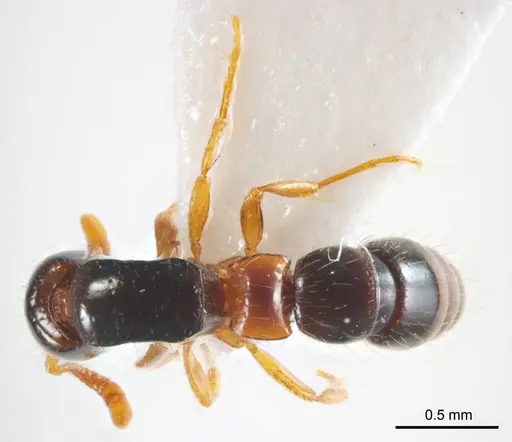
CASENT0902747
View on AntWeb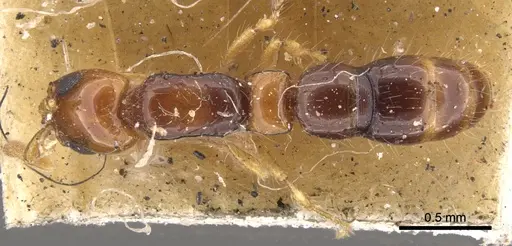
FOCOL0341-1
View on AntWeb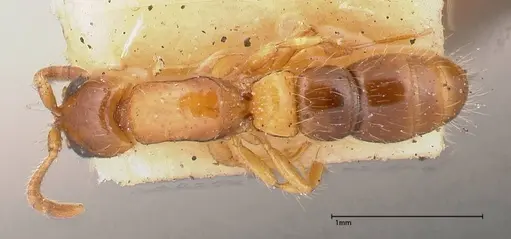
FOCOL0341-2
View on AntWeb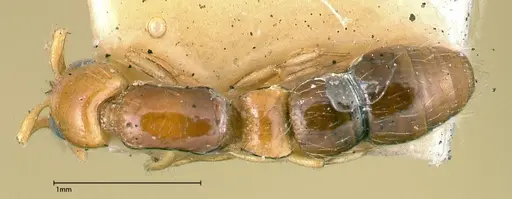
FOCOL0341-3
View on AntWeb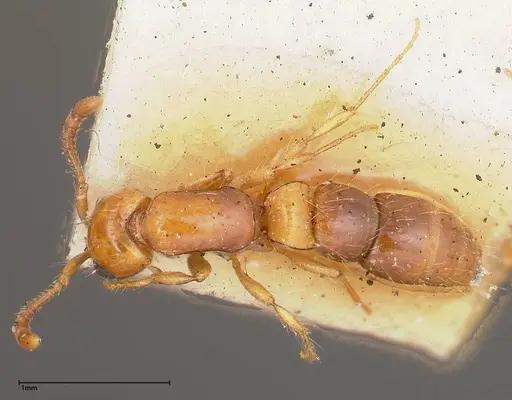
Literature
Loading...Loading products...