

Liomyrmex gestroi
- Scientific Name
- Liomyrmex gestroi
- Tribe
- Crematogastrini
- Subfamily
- Myrmicinae
- Author
- Emery, 1887
- Distribution
- Found in 5 countries
Liomyrmex gestroi Overview
Liomyrmex gestroi is an ant species of the genus Liomyrmex. It is primarily documented in 5 countries , including Indonesia, Malaysia, Papua New Guinea. Detailed taxonomic data and occurrence records can be further explored via authoritative databases such as AntWeb or the Global Biodiversity Information Facility (GBIF).
Liomyrmex gestroi
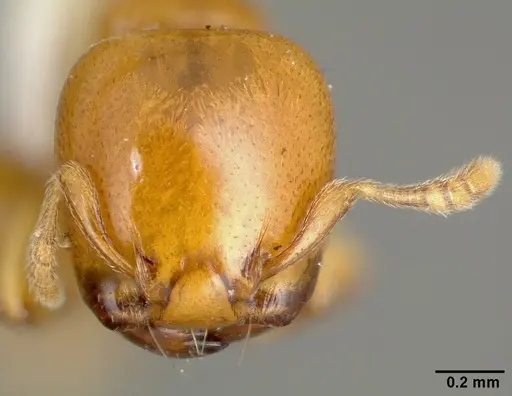
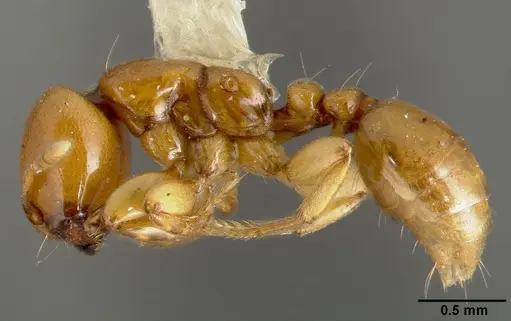
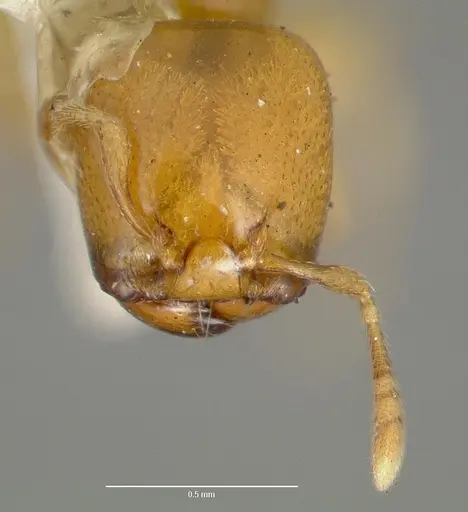
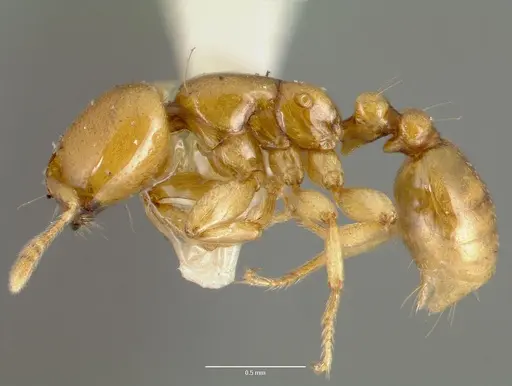
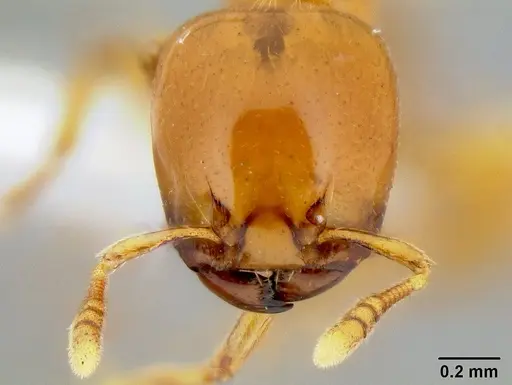
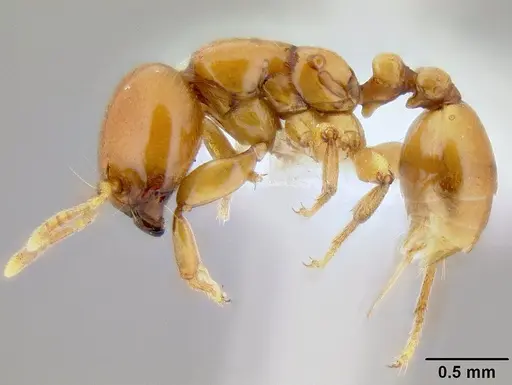
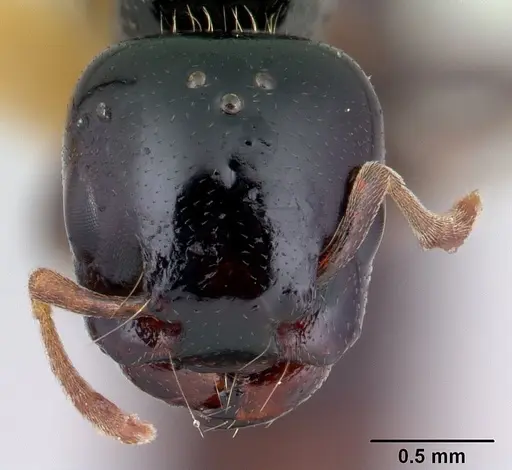
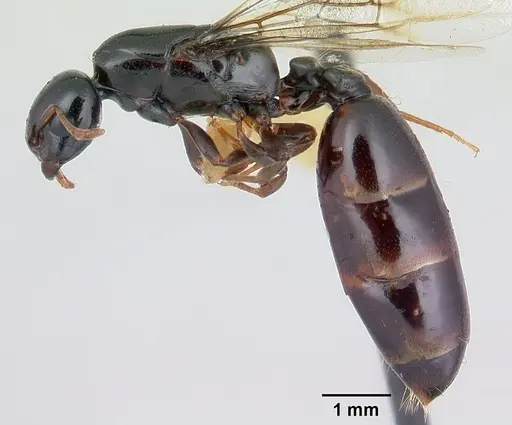
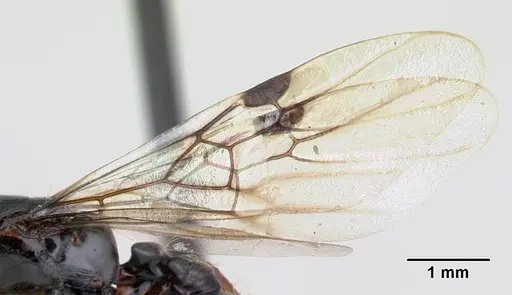
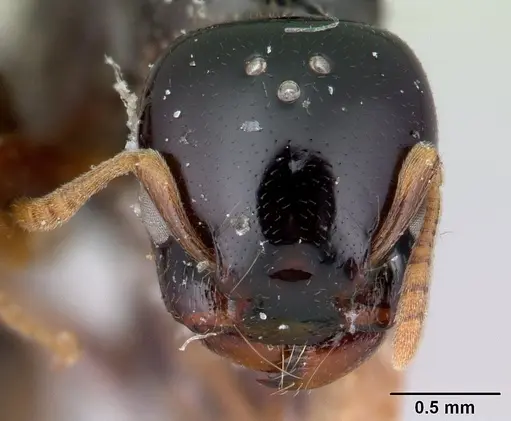
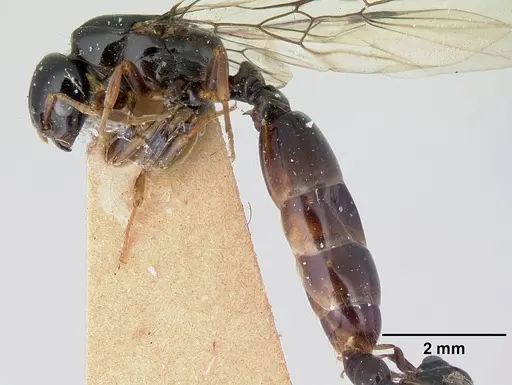
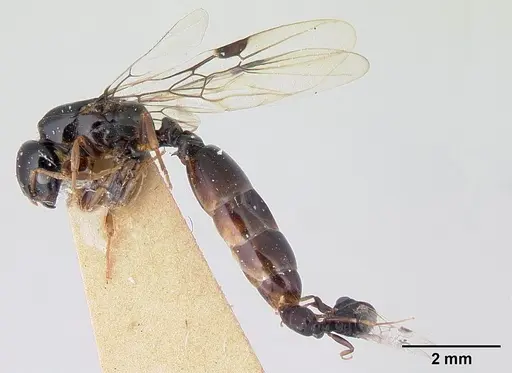
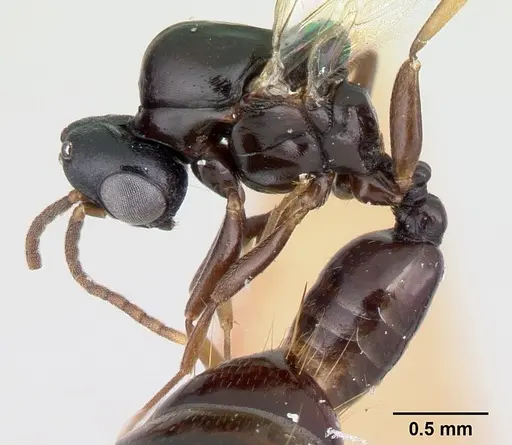
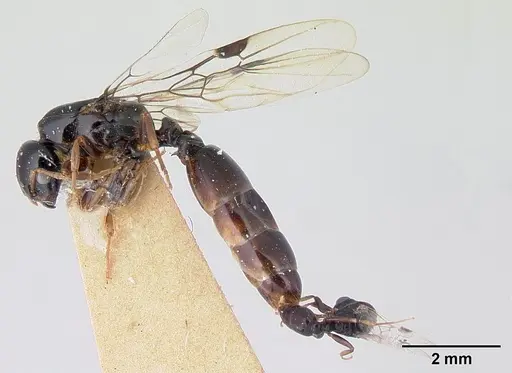
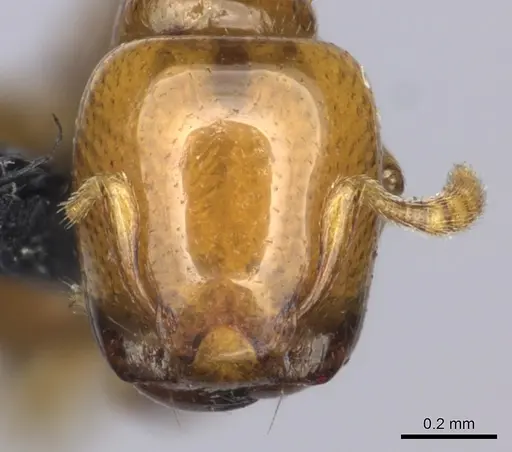
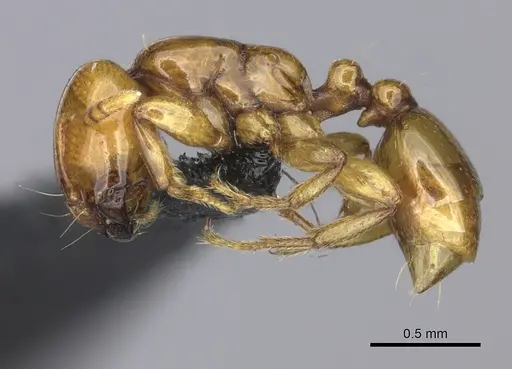
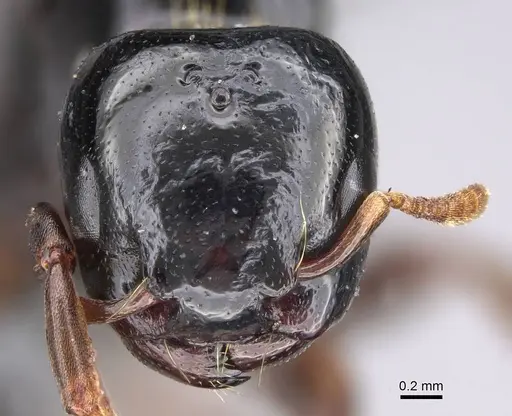
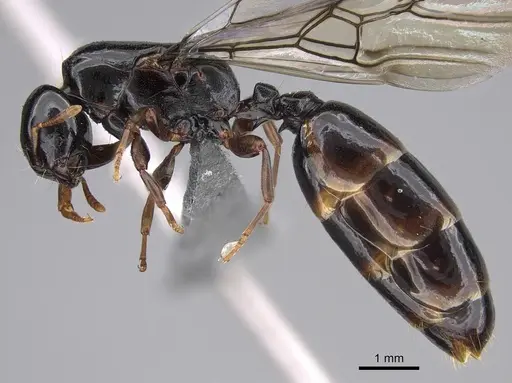
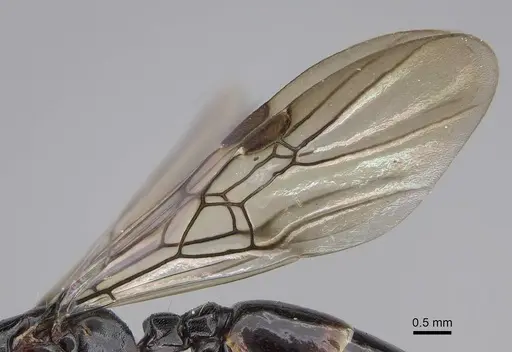
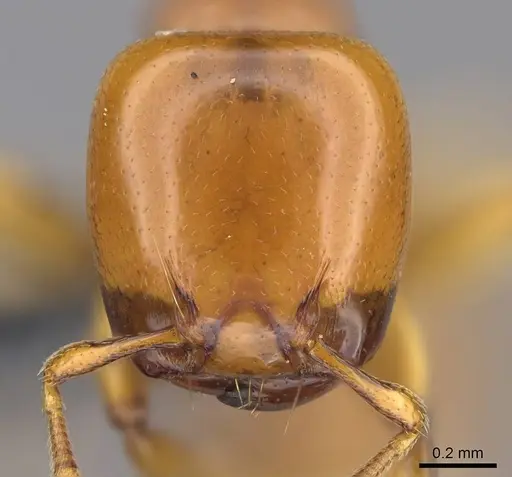
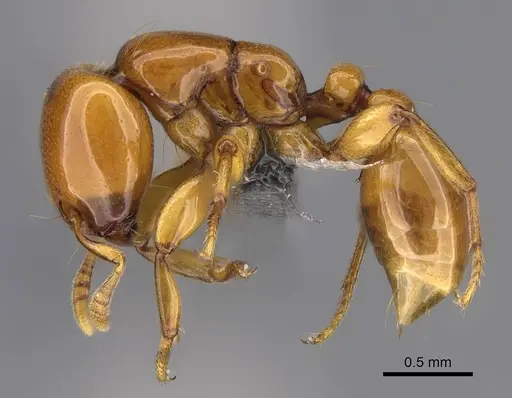
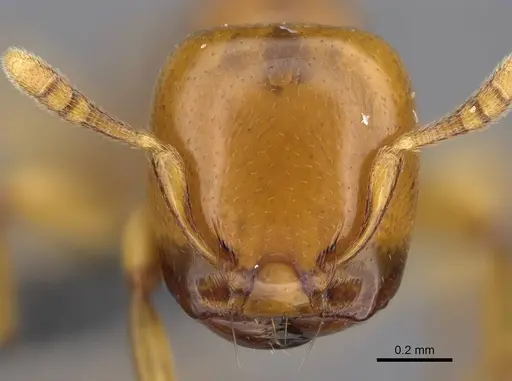
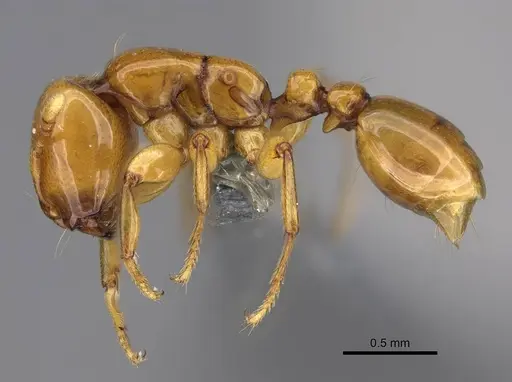
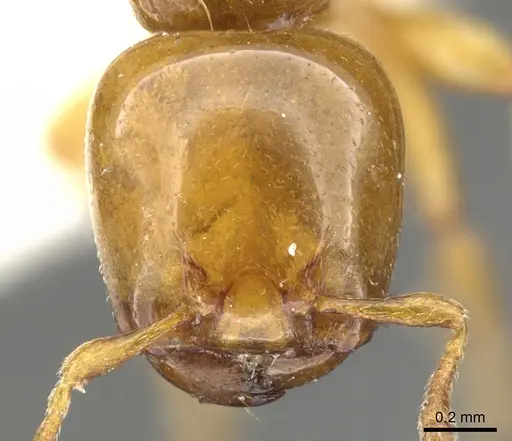
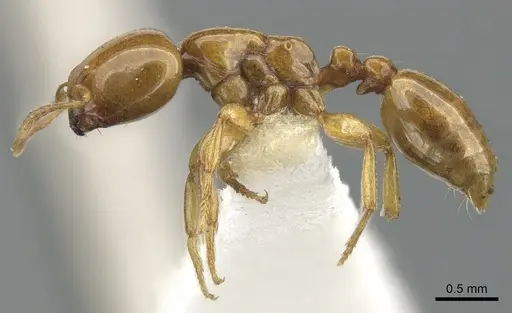
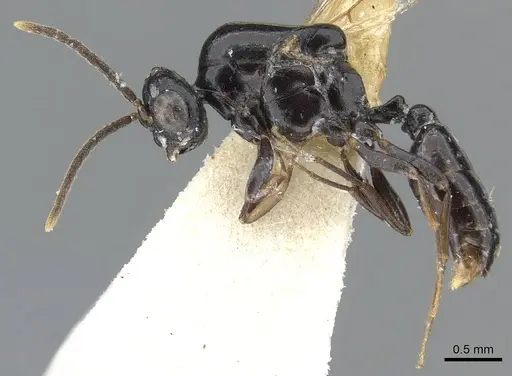
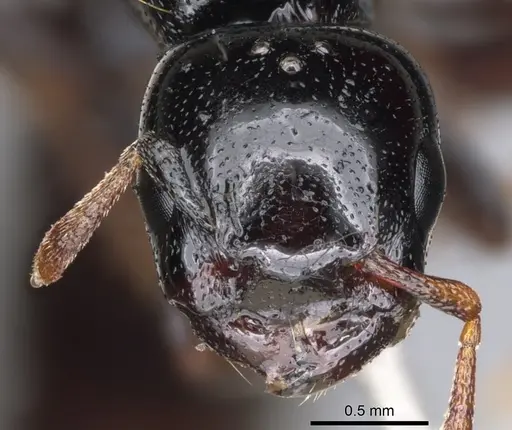
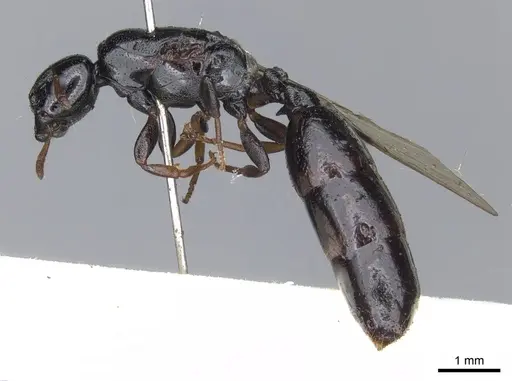
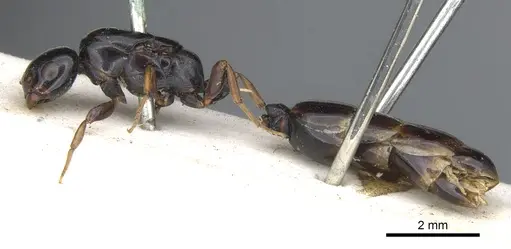
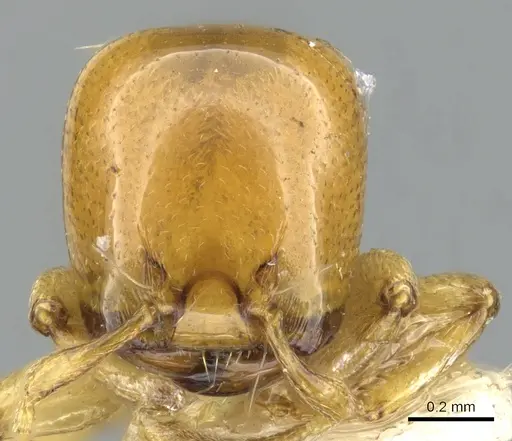
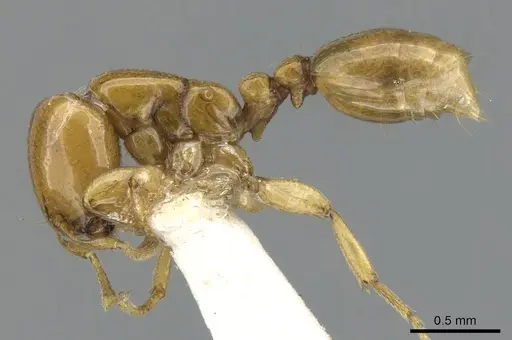
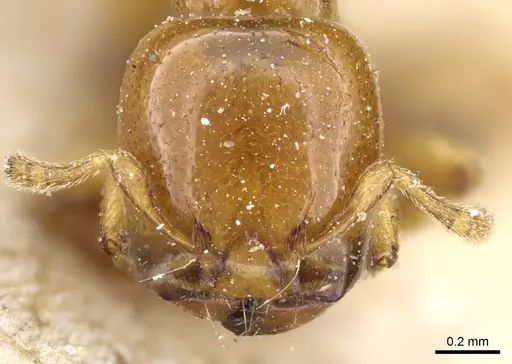
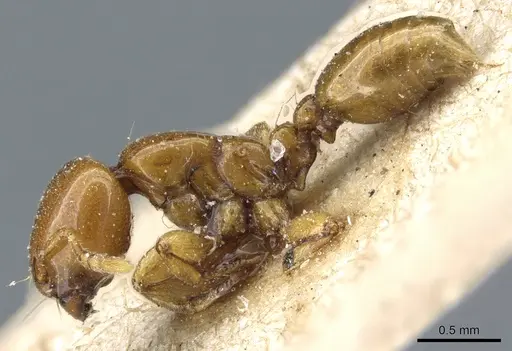
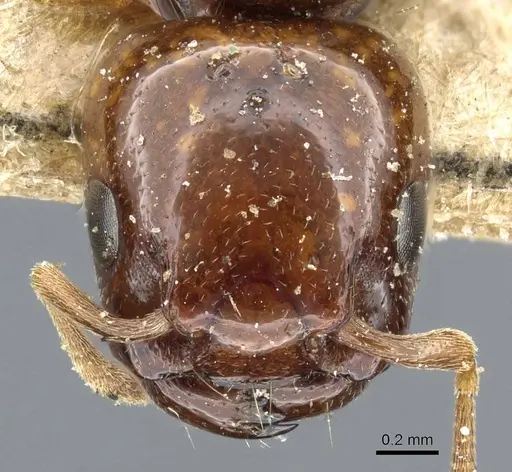
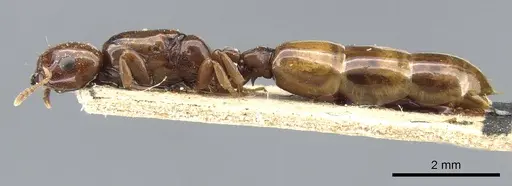
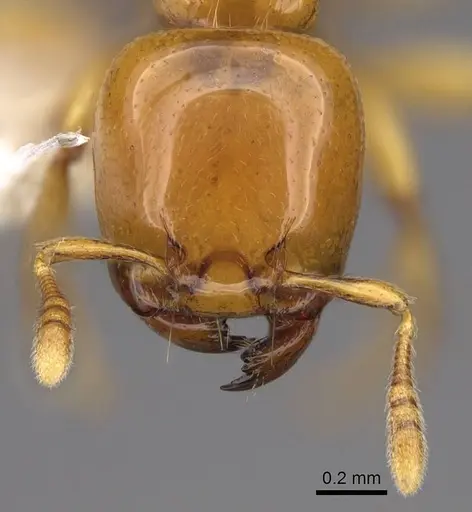
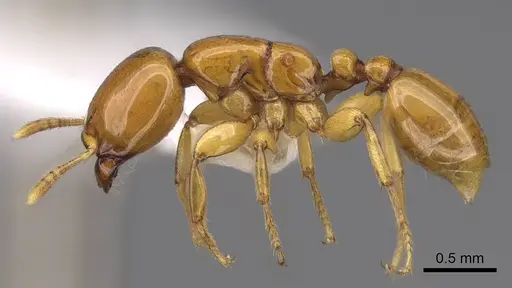
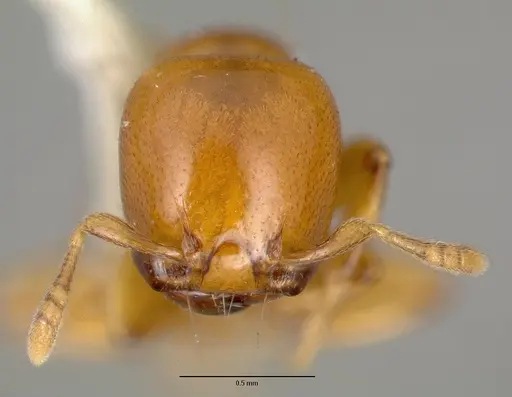
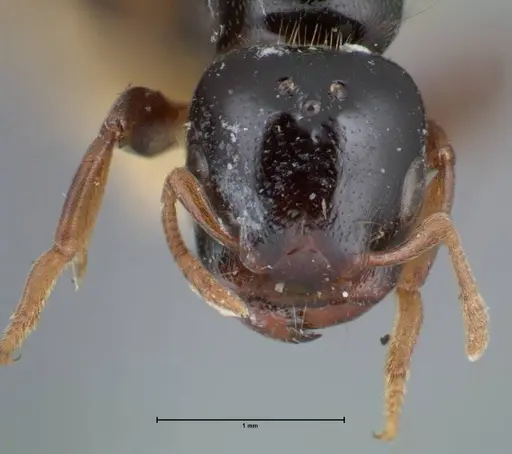
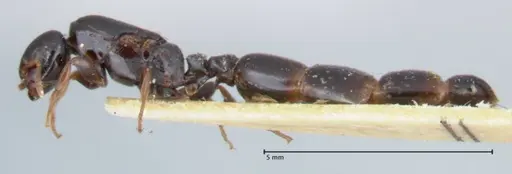
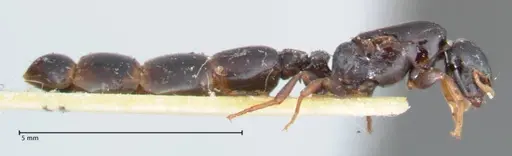
Liomyrmex gestroi is a remarkable and rarely kept myrmicine ant known for a truly unique feature, workers are completely blind, having no eyes at all. Workers are small at 2.8-3.9mm with a pale yellowish-brown to mid-brown coloration, smooth thick integument, short legs and antennae, and a well-developed sting. Queens are dramatically larger at 9-11mm and black. This is a monotypic genus, meaning Liomyrmex contains only this single species. The most fascinating aspect of this ant is its mysterious relationship with termites, specimens have been found living in the same chambers as termites, leading researchers to speculate they may be specialized termite predators or even have a more intimate symbiotic relationship. They inhabit forest leaf-litter and topsoil across the Indo-Australian and Oriental regions, from New Guinea to Thailand and Vietnam [1].
Quick Summary
- Difficulty: Expert
- Origin & Habitat: Tropical forests of the Indo-Australian and Oriental regions, found in leaf-litter, topsoil, under rotting wood, and in fallen logs across New Guinea, Borneo, Indonesia, Malaysia, Myanmar, Philippines, Singapore, Thailand, Vietnam, Laos, and the Andaman Islands [1][2].
- Colony Type: Colony structure is poorly documented. Workers are monomorphic but size-variable. No specific data on queen number (monogyne vs polygyne) exists in the scientific literature.
- Size & Growth:
- Queen: 9-11mm [1]
- Worker: 2.8-3.9mm [1]
- Colony: Unknown, rarely collected and never documented in large numbers [1][3]
- Growth: Unknown, no captive breeding records exist
- Development: Unconfirmed, no captive breeding data exists (Development timeline has never been documented in captivity. Related myrmicine ants suggest 4-8 weeks at tropical temperatures, but this is purely speculative.)
- Antkeeping:
- Temperature: Keep at 24-28°C, they are a tropical species from warm humid forests. A gentle heat gradient allows them to regulate their temperature [2].
- Humidity: High humidity is essential, they live in forest leaf-litter and topsoil. Keep the nest substrate consistently moist but not waterlogged. These ants avoid dry conditions.
- Diapause: No, as a tropical species, they do not require hibernation. Keep temperatures stable year-round.
- Nesting: They naturally nest in rotting wood, under bark of fallen logs, and in soil. A naturalistic setup with damp rotting wood pieces or a Y-tong/plaster nest with high humidity works well. They prefer dark, enclosed spaces.
- Behavior: Workers are blind and navigate using chemical signals. They are slow-moving and secretive, typical of subterranean leaf-litter ants. The relationship with termites suggests they may be predators or scavengers. They have a well-developed sting but being so small, it likely cannot penetrate human skin. Escape risk is moderate, while small, they are not particularly active climbers.
- Common Issues: no captive breeding records exist, this species has never been established in captivity by hobbyists, extremely rare to find for sale, only collected a handful of times in the wild, blind workers may have difficulty finding food in open spaces, use dark, enclosed feeding areas, relationship with termites is unclear, diet requirements are completely unknown, slow growth and small colony sizes mean any colony is fragile
The Blind Ant - A True Rarity
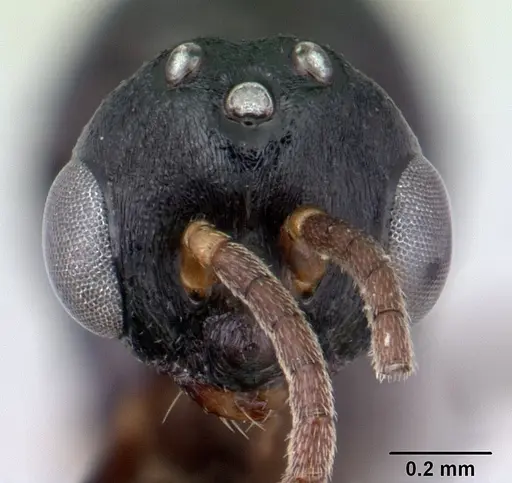
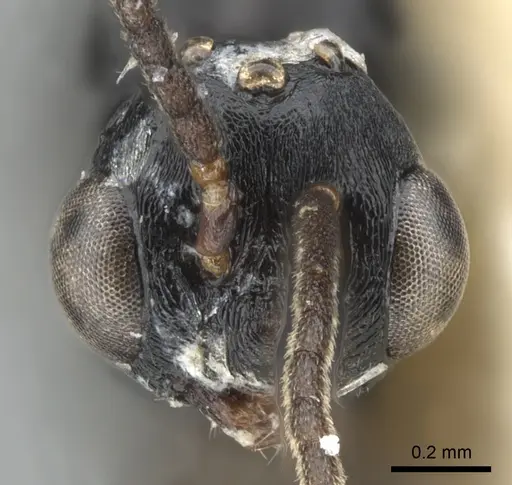
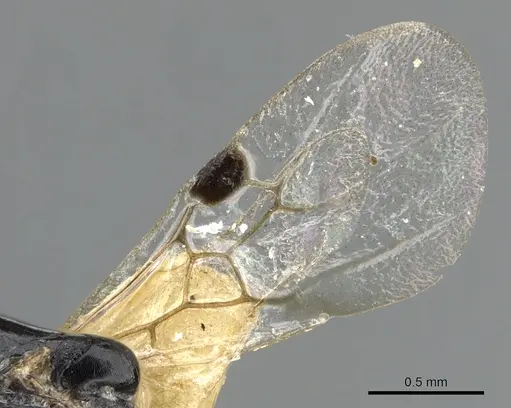
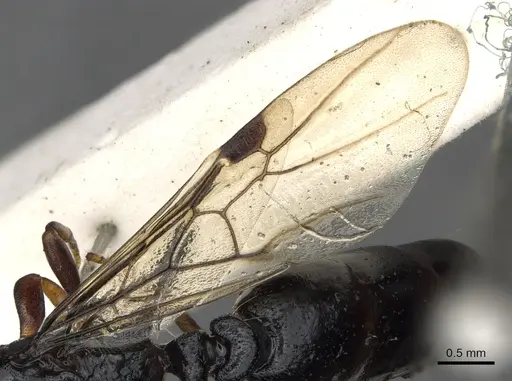
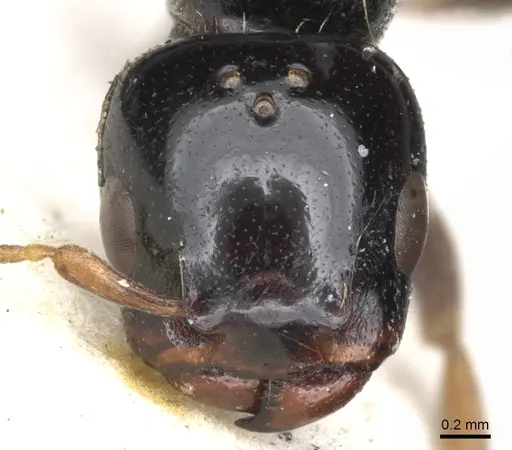
Liomyrmex gestroi is one of the few truly blind ant species in the world, workers have absolutely no eyes. This makes them extraordinary among ants, which typically rely heavily on visual cues. Instead, blind workers navigate entirely through chemical signals, touch, and vibrations. The workers are small at 2.8-3.9mm with a distinctive pale, smooth appearance and short antennae. The queen is dramatically different, much larger at 9-11mm, black in color, and possessing well-developed eyes and wings. This extreme size and morphological difference between castes is unusual in Myrmicinae. The genus Liomyrmex is monotypic, containing only this single species across its entire range from Southeast Asia to New Guinea. [1]
The Termite Mystery
The most intriguing aspect of Liomyrmex gestroi biology is its relationship with termites. Multiple researchers have documented these ants living in the same chambers as termites, literally sharing galleries inside rotting wood. A specimen from the Philippines was even mounted on the same pin as a termite, suggesting they were found together. Wilson (1953) described them as 'thief-ants, ' while others have speculated they may be specialized predators of termites. However, the exact nature of this relationship remains completely uninvestigated. They could be predators, scavengers feeding on termite debris, or even have a more intimate symbiotic relationship. This mystery makes them one of the most biologically interesting yet poorly understood ants in existence. [1][2][3]
Natural Habitat and Nesting
In the wild, Liomyrmex gestroi lives in tropical forest leaf-litter and topsoil. They are found under logs, in rotting wood, and under the bark of fallen logs. The type of rotting wood they inhabit is typically damp and partially decomposed. They appear to prefer dark, humid, enclosed spaces, logical for blind ants. Their distribution spans the Indo-Australian and Oriental regions, including Thailand, Vietnam, Malaysia, Singapore, Indonesia, the Philippines, and New Guinea. They are considered rare throughout their range, with very few specimens ever collected. This is partly because they are subterranean and difficult to find, and partly because their colonies appear to be small and scattered. [1][2][3]
Housing and Care
Keeping Liomyrmex gestroi is extremely challenging due to our complete lack of captive breeding knowledge. They would need a naturalistic setup with damp rotting wood or a well-humidified plaster/Y-tong nest. Temperature should be kept in the tropical range of 24-28°C with high humidity (70-80%). Since workers are blind, they will need help finding food, place prey items very close to them or in small dark areas they naturally frequent. Given their suspected relationship with termites, a protein-rich diet of small insects makes sense. However, no one has ever documented successful captive breeding of this species, so all care advice is speculative. They are not recommended for any but the most experienced and dedicated antkeepers who have access to wild-caught colonies. [1]
Finding and Acquiring
Liomyrmex gestroi is essentially never available in the antkeeping hobby. They are among the rarest ants to keep because they are rarely collected in the wild, their colonies are small and hard to find, and no one has documented captive breeding success. If you do obtain a colony, it would almost certainly be wild-caught. Look for them in rotting wood in tropical forests during the wet season, turning over logs and checking under bark in Southeast Asian forests. Given their association with termites, check carefully in termite-infested wood. Be aware that removing them from the wild may be legally restricted in some countries. [3]
Frequently Asked Questions
Can I keep Liomyrmex gestroi as a pet?
This is not recommended for any keeper. Liomyrmex gestroi has never been documented as successfully breeding in captivity, and wild colonies are extremely difficult to find. There is no established care protocol, and their exact dietary needs are unknown. They remain one of the rarest and most mysterious ants in the world.
What do Liomyrmex gestroi eat?
This is completely unconfirmed. Their association with termites suggests they may prey on termites or scavenge termite-related matter. Based on related myrmicine ants, they likely accept small insects and may have some interest in sugar sources, but no captive feeding records exist.
Do Liomyrmex gestroi sting?
Yes, they have a well-developed sting that is actually described as 'extremely developed and long' in the scientific literature. However, being only 2.8-3.9mm, the sting is far too small to penetrate human skin.
How big do Liomyrmex gestroi colonies get?
Unknown. The largest documented collections contain only a few dozen workers. They appear to live in small, scattered colonies rather than large supercolonies. No one has ever documented a mature colony size.
Do Liomyrmex gestroi need hibernation?
No. As a tropical species from Southeast Asia and New Guinea, they do not require hibernation. Keep temperatures stable in the 24-28°C range year-round.
Can beginners keep Liomyrmex gestroi?
Absolutely not. This species is for expert antkeepers only, actually, beyond expert since no one has ever kept them successfully. They require completely speculative care, wild-caught colonies are extremely difficult to obtain, and there is no established breeding protocol. Even experienced antkeepers should not attempt this species.
References

This caresheet is licensed under CC BY-SA 4.0 .
CASENT0006152
View on AntWeb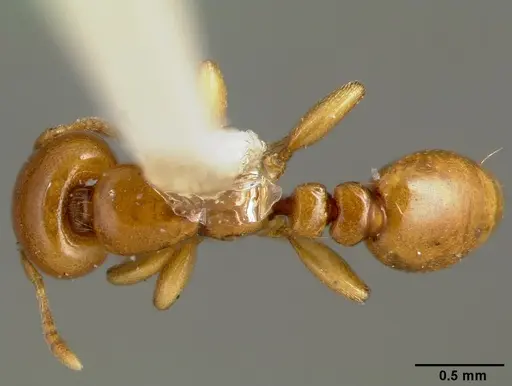
CASENT0006153
View on AntWeb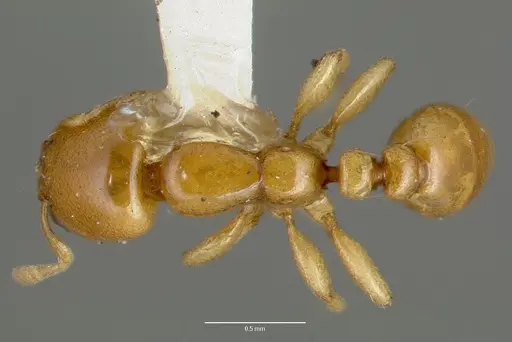
CASENT0106198
View on AntWeb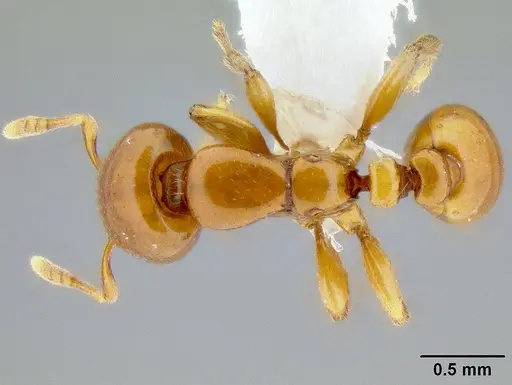
CASENT0178545
View on AntWeb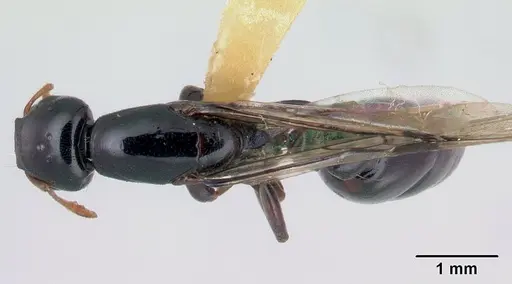
CASENT0178546
View on AntWeb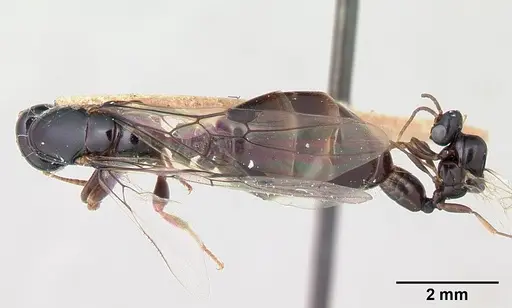
CASENT0178547
View on AntWeb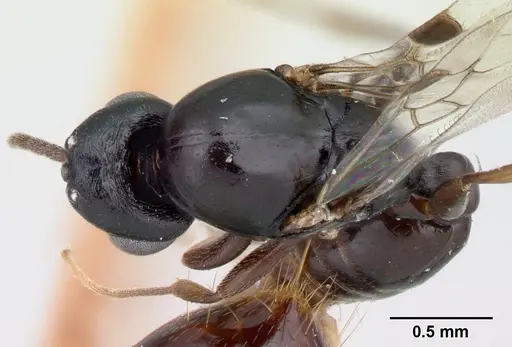
CASENT0270008
View on AntWeb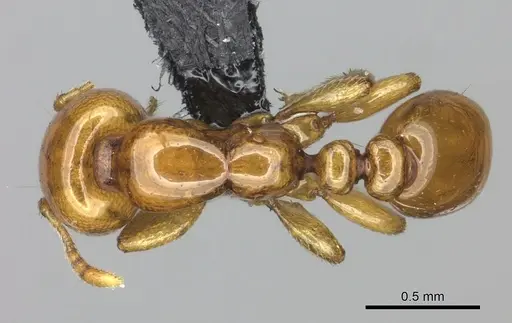
CASENT0387934
View on AntWeb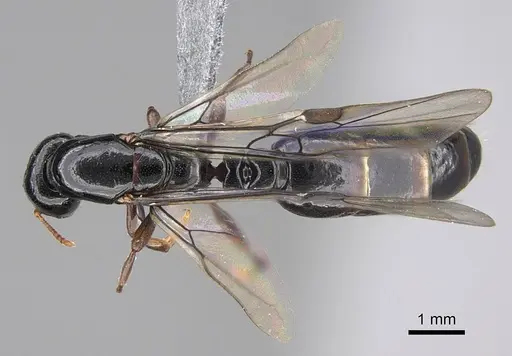
CASENT0387955
View on AntWeb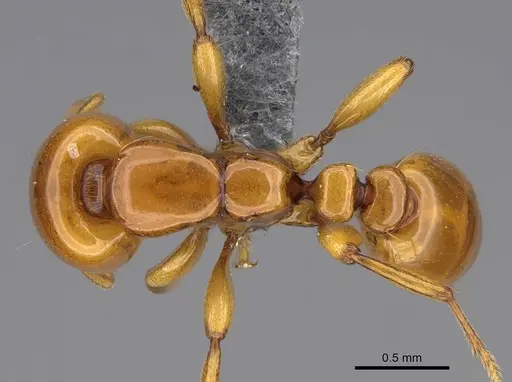
CASENT0387957
View on AntWeb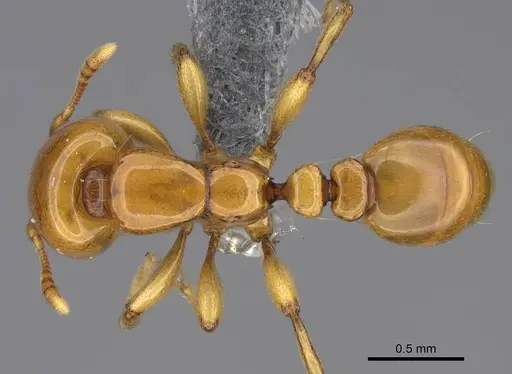
CASENT0901735
View on AntWeb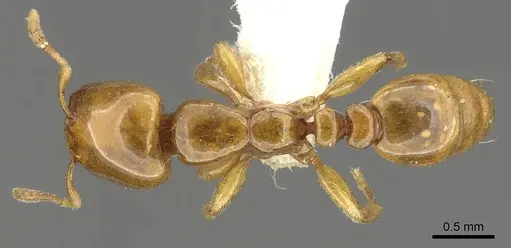
CASENT0901736
View on AntWeb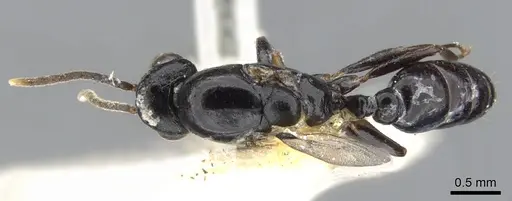
CASENT0901737
View on AntWeb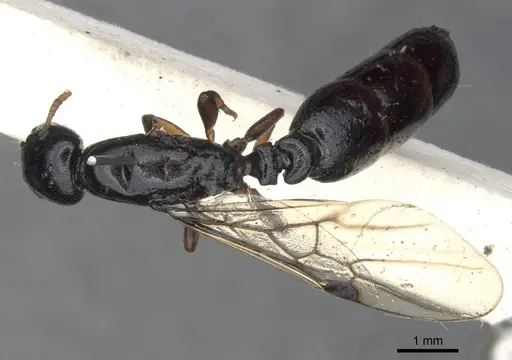
CASENT0901738
View on AntWeb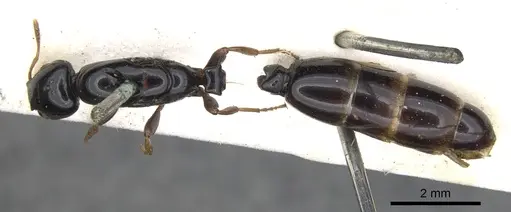
CASENT0901739
View on AntWeb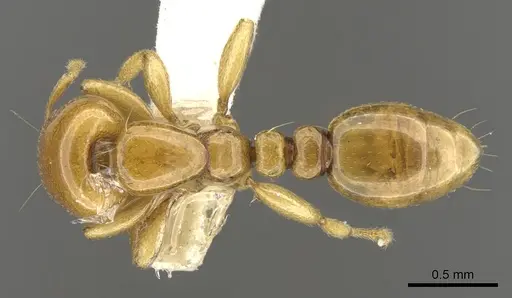
CASENT0904615
View on AntWeb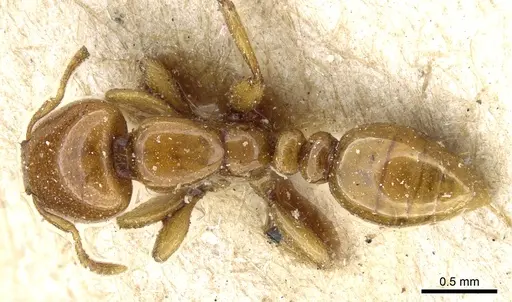
CASENT0905754
View on AntWeb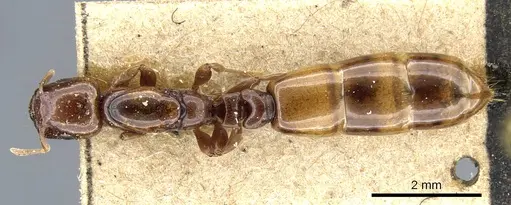
CASENT0922902
View on AntWeb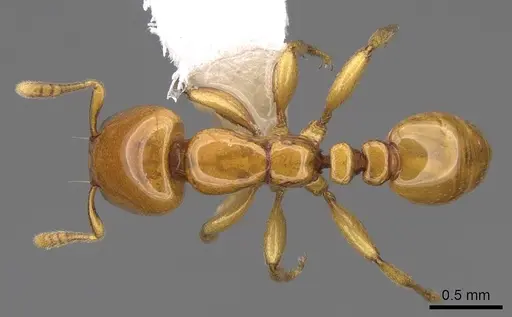
CASTYPE06922
View on AntWeb

FOCOL1751
View on AntWeb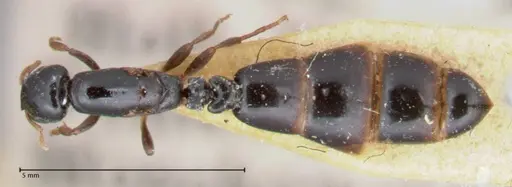
Literature
Loading...Loading products...