

Liometopum orientale
- Scientific Name
- Liometopum orientale
- Tribe
- Tapinomini
- Subfamily
- Dolichoderinae
- Author
- Karavaiev, 1927
- Distribution
- Found in 1 countries
Liometopum orientale Overview
Liometopum orientale is an ant species of the genus Liometopum. It is primarily documented in 1 countries , including Russian Federation. Detailed taxonomic data and occurrence records can be further explored via authoritative databases such as AntWeb or the Global Biodiversity Information Facility (GBIF).
Liometopum orientale
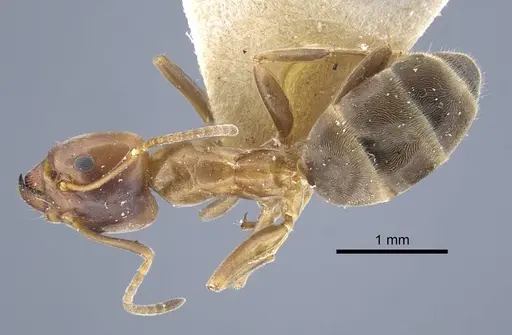
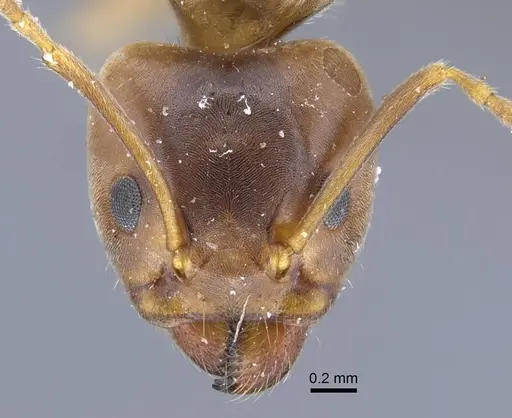
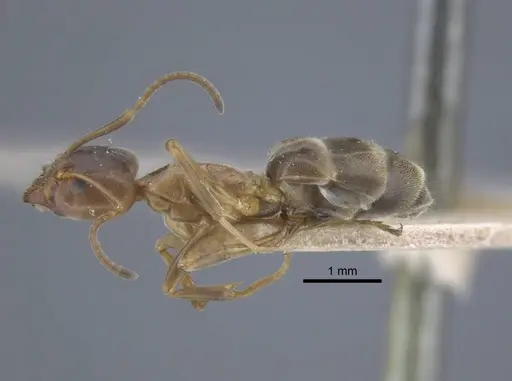
Liometopum orientale is a medium-sized dolichoderine ant native to the Far East, specifically found in Russia's Primorye region and the Korean Peninsula [1][2]. Workers are characterized by their relatively large size compared to many other ants, with distinctive morphological features including scapes bearing two long erect hairs at the funiculus junction and a rounded petiole apex when viewed from behind [1]. This species was originally described as a variety of L. microcephalum but was elevated to full species status in 1988 based on cephalic and petiolar character differences and male genital capsule morphology [1]. As a member of the Dolichoderinae subfamily, they are related to more commonly kept genera like Tapinoma and Linepithema. These ants are forest-dwelling species that typically nest in rotting wood or under stones in shaded, damp habitats.
Quick Summary
- Difficulty: Medium
- Origin & Habitat: Far East Russia (Primorye region) and Korean Peninsula. Found in forested areas, typically nesting in rotting wood or under stones in damp, shaded microhabitats [2][1].
- Colony Type: Colony structure is not well-documented in scientific literature. Based on related Liometopum species, likely monogyne (single queen) colonies, though this requires confirmation for this specific species.
- Size & Growth:
- Queen: Estimated 8-10mm based on genus-level data from related Liometopum species [1]
- Worker: Estimated 4-7mm based on genus morphology [1]
- Colony: Unknown for this specific species, but related Liometopum species can form colonies of several thousand workers
- Growth: Moderate, based on typical Dolichoderinae development patterns
- Antkeeping:
- Temperature: Keep at room temperature, roughly 18-22°C. Avoid overheating. These are northern-latitude ants adapted to cooler conditions than tropical species.
- Humidity: Requires higher humidity, aim for 60-80%. Keep the nest substrate consistently moist but not waterlogged. Provide a water tube as a drinking source.
- Diapause: Yes, likely required. As a Far Eastern species from temperate latitudes, colonies should be given a winter rest period at 5-10°C for 3-4 months.
- Nesting: Naturalistic setups work well, nesting in rotting wood or under flat stones. In captivity, Y-tong nests or plaster nests with moisture chambers maintain appropriate humidity. Avoid dry, heated formicariums.
- Behavior: Workers are active foragers that likely scavenge for honeydew and small insects. Based on related species, they are not particularly aggressive but will defend their nest. Escape prevention should be moderate, these are medium-sized ants but can climb smooth surfaces. They benefit from naturalistic setups that mimic their forest-floor habitat.
- Common Issues: high humidity requirements can lead to mold problems if ventilation is inadequate, winter diapause is essential, colonies that are kept warm year-round may decline, limited availability makes this species difficult to acquire for hobbyists, rotting wood nesting preference means nest materials must be kept appropriately moist but not saturated, Far Eastern origin means they are adapted to cooler temperatures, overheating can be fatal
Housing and Nest Preferences
Liometopum orientale is a forest-dwelling species that naturally nests in rotting wood or under stones in damp, shaded locations. In captivity, naturalistic setups work best, you can use a setup with moist soil or a plaster nest that holds humidity well. Y-tong (AAC) nests are also suitable, especially if you maintain higher humidity levels. The key is providing a moist, stable environment that doesn't dry out. Avoid completely dry formicariums or heated nests that would mimic tropical conditions, this Far Eastern species prefers cooler temperatures. A naturalistic setup with some moss or leaf litter on top helps maintain humidity and makes the ants feel at home. [1][2]
Feeding and Diet
Based on related Liometopum species and the Dolichoderinae subfamily, these ants are omnivorous with a preference for sugary substances. In the wild, they likely tend aphids for honeydew and scavenge for small insects and nectar. In captivity, offer sugar water or honey regularly, along with protein sources like small insects (fruit flies, small crickets, mealworms). They are not specialized predators, so standard ant feeding protocols apply. Feed protein roughly twice weekly and keep a sugar source available at all times. Remove uneaten prey after 24-48 hours to prevent mold.
Temperature and Seasonal Care
This is a temperate-latitude species from the Far East, so temperature management is crucial. Keep the colony at room temperature, ideally 18-22°C. They can tolerate slightly cooler conditions but should be kept away from direct heat sources. Unlike tropical ants, they do not need heated nests. During winter, provide a diapause period of 3-4 months at 5-10°C, this is essential for colony health and likely required for reproduction. Simply reducing the room temperature or moving the colony to an unheated garage or basement during winter months works well. Do not force continuous activity year-round as this can stress the colony and shorten its lifespan. [2]
Behavior and Colony Dynamics
Workers are active foragers that search for food both on the ground and on vegetation. Based on related species, colonies are not particularly aggressive but will readily defend against threats. Workers communicate through chemical trails and can recruit nestmates to food sources. The colony will establish a clear territorial boundary around the nest. These ants are moderate climbers but escape prevention with standard barriers (fluon on rim edges) should be sufficient. Colonies likely grow to several thousand workers over several years based on related species patterns. [1]
Frequently Asked Questions
How long does it take for Liometopum orientale to produce first workers?
The exact timeline is unconfirmed for this species, but based on typical Dolichoderinae development, expect 6-10 weeks from egg to worker at optimal temperature (around 20°C). claustral founding means the queen seals herself in and raises the first brood alone without foraging.
Can I keep multiple queens together in Liometopum orientale?
This has not been documented for this specific species. Based on related Liometopum species, single-queen colonies are most common. Combining unrelated queens is not recommended as it may lead to aggression unless the species is known to found colonies pleometrotically (multiple queens starting together).
What temperature range is best for Liometopum orientale?
Keep them at 18-22°C, room temperature is ideal. These Far Eastern ants are adapted to cooler conditions than tropical species and can be harmed by overheating. Avoid temperatures above 25°C.
Do Liometopum orientale need hibernation?
Yes, a winter diapause is likely required. As a species from the temperate Far East (Primorye region and Korean Peninsula), they are adapted to seasonal temperature changes. Provide 3-4 months at 5-10°C during winter.
What humidity level do Liometopum orientale require?
Higher humidity is needed, aim for 60-80%. These forest-floor ants prefer damp conditions. Keep the nest substrate consistently moist but not waterlogged. A water tube should always be available for drinking.
Is Liometopum orientale a good species for beginners?
This species is rated as Medium difficulty. While not the most challenging, it has specific requirements (higher humidity, cooler temperatures, winter diapause) that require attention. Limited availability also makes it harder to acquire than common species.
What do Liometopum orientale eat?
They are omnivorous. Offer sugar water or honey as a constant food source, along with small insects (fruit flies, small crickets, mealworms) as protein roughly twice weekly. They likely also accept honeydew in captivity.
When should I move Liometopum orientale to a formicarium?
Wait until the colony has at least 50-100 workers and the founding chamber is becoming crowded. For this species, a naturalistic setup works well from the start if you can maintain proper humidity. Test tube colonies can be moved once they outgrow the tube.
How big do Liometopum orientale colonies get?
Exact colony size is unconfirmed for this species, but related Liometopum species can reach several thousand workers over several years. Expect moderate growth rate over 2-4 years to reach several hundred workers.
References

This caresheet is licensed under CC BY-SA 4.0 .
CASENT0916791
View on AntWeb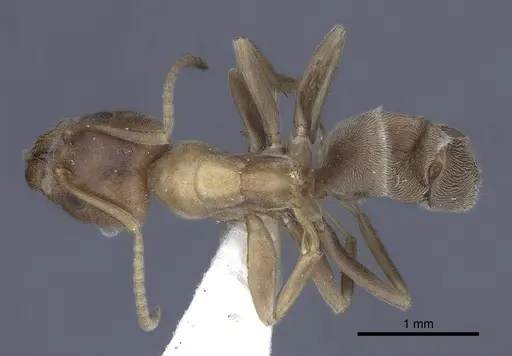
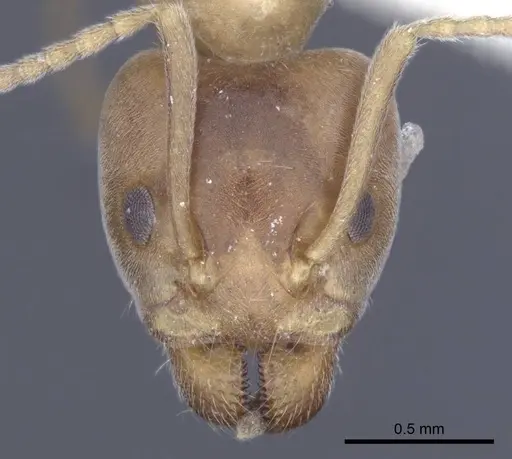
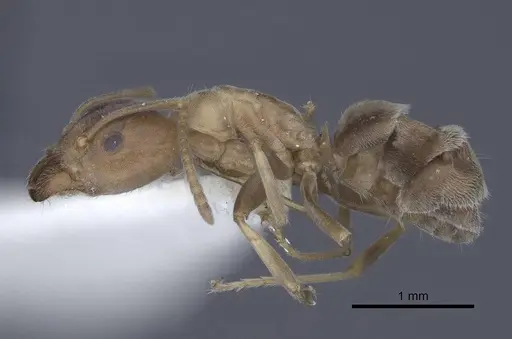
CASENT0917103
View on AntWeb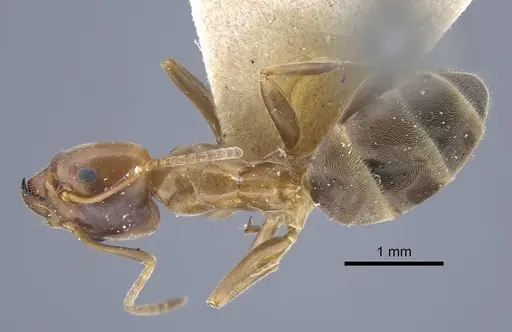
Literature
Loading...Loading products...