

Linepithema pulex
- Scientific Name
- Linepithema pulex
- Tribe
- Leptomyrmecini
- Subfamily
- Dolichoderinae
- Author
- Wild, 2007
- Distribution
- Found in 3 countries
Linepithema pulex Overview
Linepithema pulex is an ant species of the genus Linepithema. It is primarily documented in 3 countries , including Argentina, Brazil, Paraguay. Detailed taxonomic data and occurrence records can be further explored via authoritative databases such as AntWeb or the Global Biodiversity Information Facility (GBIF).
Linepithema pulex
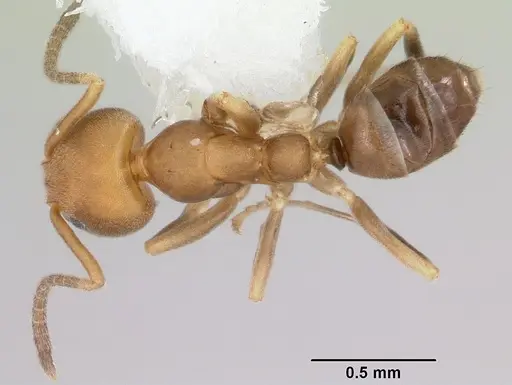
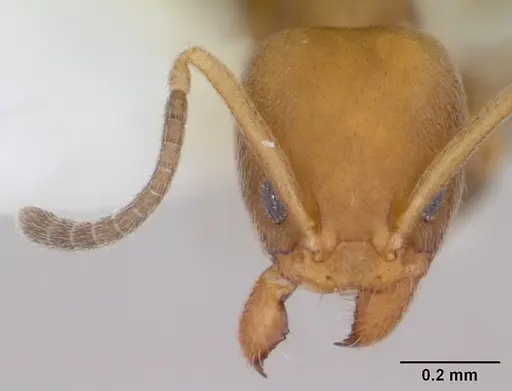
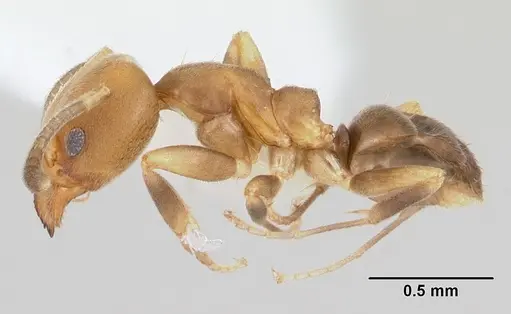
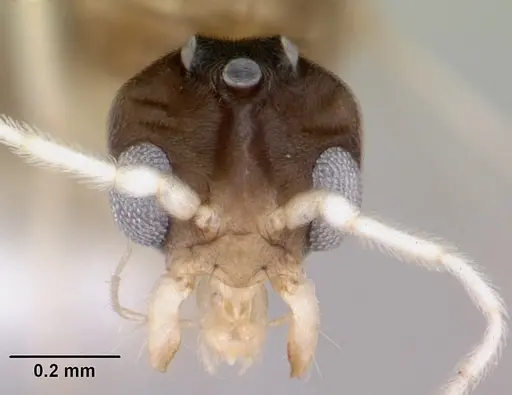
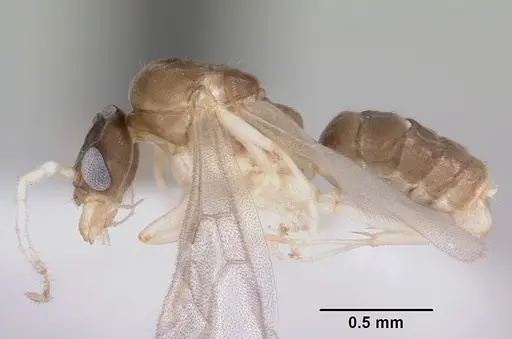
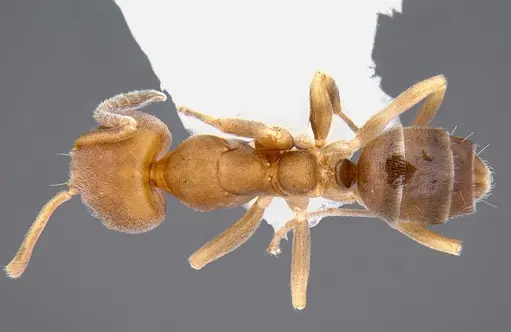
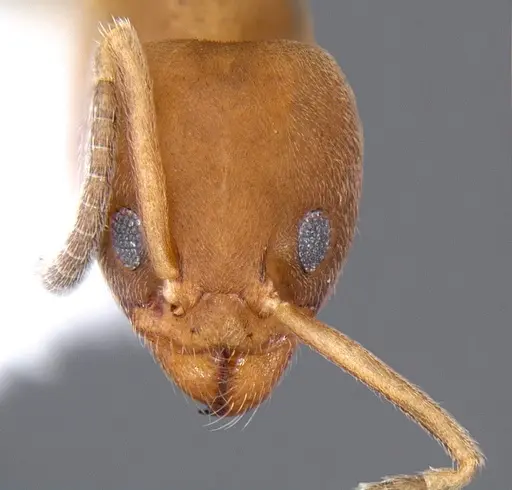
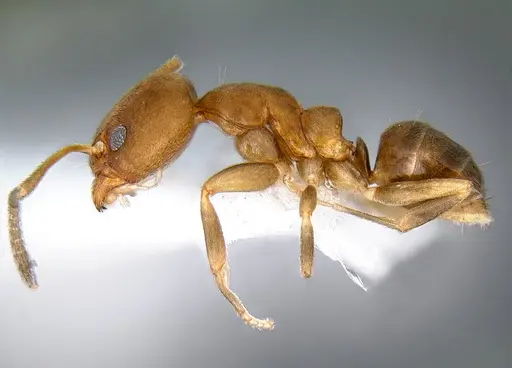
Linepithema pulex is a tiny ant species native to the Atlantic coastal rainforest region of southeastern Brazil, northeastern Argentina, and eastern Paraguay. Workers are among the smallest in the genus, measuring just 0.48-0.65mm in head length, with a yellow to reddish-brown body color and distinctive dull, opaque head sculpture [1]. This species stands out for its surprisingly strong carnivorous tendencies, researchers have observed small groups of workers successfully predating crickets on their own, a remarkable feat given their tiny size [1]. L. pulex is patchy in distribution and not commonly encountered, making it a rare find for ant collectors.
Quick Summary
- Difficulty: Medium
- Origin & Habitat: Atlantic coastal rainforest region of southeastern Brazil, northeastern Argentina, and eastern Paraguay. Found in mata atlântica, humid subtropical tall forest, forest edge, coffee plantations, and Restinga habitats [1]. This is a ground-nesting species that lives in soil and leaf litter up to 5cm depth, with some nests found up to 1m above ground in accumulated litter at plant junctions [1]. It serves as an indicator species for primary forest environments [2].
- Colony Type: Single-queen colonies (monogyne). One documented nest contained a single dealate queen [1]. Ergatoid replacement reproductives have not been documented for this species.
- Colony: Monogyne
- Size & Growth:
- Queen: MML 1.37 mm, small queen [1]. Signal: estimated from species description.
- Worker: HL 0.48-0.65 mm, HW 0.42-0.58 mm [1]. Signal: confirmed from type specimens.
- Colony: Unknown maximum size. Signal: estimated from limited field observations, appears to form small colonies.
- Growth: Unknown. Signal: estimated based on small worker size and tropical distribution.
- Development: Unknown. Signal: estimated, based on related Linepithema species and tropical climate, expect 4-8 weeks at optimal temperature. (No direct development data exists for this species. Related Linepithema species suggest relatively fast development in warm conditions.)
- Antkeeping:
- Temperature: Keep around 22-26°C. This species comes from humid subtropical Atlantic forests where temperatures are warm year-round. A gentle gradient allowing workers to self-regulate is ideal. Signal: inferred from geographic origin.
- Humidity: High humidity required, think damp forest floor. Keep the nest substrate consistently moist but not waterlogged. Provide a water tube as a drinking source. The natural habitat receives significant rainfall. Signal: inferred from rainforest origin.
- Diapause: Unknown. This species is from a tropical/subtropical region where temperatures remain warm year-round. A slight reduction in activity during cooler months may occur but true hibernation is unlikely. Signal: inferred from habitat.
- Nesting: Use a naturalistic setup with moist substrate (soil/soil+sand mix) or a Y-tong/plaster nest with moisture chambers. They nest in soil and leaf litter naturally, so a setup that holds moisture well is essential. Small chambers work well for their tiny size. Signal: inferred from natural nesting behavior.
- Behavior: Diurnal foragers with active foraging patterns during daylight hours [1]. They recruit to protein baits like tuna and sardines, demonstrating both scavenging and active predation abilities. Despite their tiny size, they can organize small hunting parties to take down prey like crickets, a notable behavior for such a small ant [1]. Workers are small enough to pose an escape risk, use fine mesh barriers. Their high δ15N nitrogen signature (7.63‰) confirms they are primarily carnivorous [3]. They are not aggressive toward humans and rarely sting.
- Common Issues: escape prevention is critical, their tiny size means they can squeeze through standard formicarium gaps, high humidity requirements can lead to mold if ventilation is poor, wild-caught colonies are rare and difficult to acquire, slow colony growth may lead to keeper impatience and overfeeding, protein-heavy diet is essential, they may not accept sugar sources
Housing and Nest Setup
Linepithema pulex is a tiny ground-nesting ant that naturally lives in soil and leaf litter. For captivity, a naturalistic setup with a moist soil or soil+sand substrate works best, this mimics their natural environment and helps maintain the high humidity they need. A Y-tong (acrylic) nest with small chambers and a moisture reservoir can also work well, provided you keep the substrate consistently damp. Because of their very small size, ensure all connections and gaps are sealed with fine mesh or cotton. A small outworld for foraging completes the setup. Keep the nest area humid (like a damp forest floor) while allowing the outworld to remain drier. [1]
Feeding and Diet
L. pulex has strong carnivorous tendencies, this is not a sugar-feeding ant. In the wild, they recruit to protein baits like tuna and sardines, and have been observed actively predating crickets [1]. Their high nitrogen-15 signature (7.63‰) confirms a primarily carnivorous diet [3]. In captivity, offer small live prey such as fruit flies, pinhead crickets, small mealworms, and other tiny insects. You can also try offering small amounts of tuna, sardines, or other protein-rich foods. Sugar sources like honey or sugar water are unlikely to be accepted based on their natural diet, but you can offer them occasionally. Feed protein every 2-3 days, removing any uneaten prey after 24 hours.
Temperature and Humidity
This species comes from the humid subtropical Atlantic coastal rainforest, so they need warm, humid conditions. Keep temperatures in the range of 22-26°C, this matches their natural environment in southeastern Brazil, Argentina, and Paraguay. A heating cable on one side of the nest can create a temperature gradient, allowing workers to self-regulate. Humidity is critical: keep the nest substrate consistently moist but not waterlogged. The substrate should feel damp to the touch. A water tube should be provided as a drinking source. Good ventilation is important to prevent mold while maintaining humidity. [1]
Colony Development
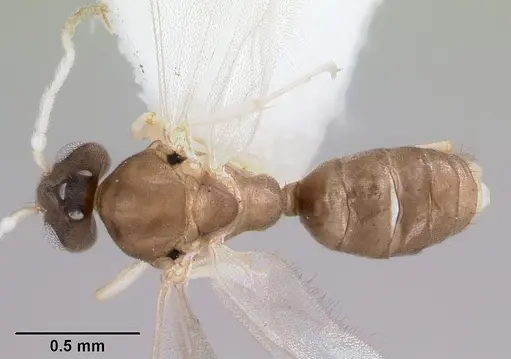
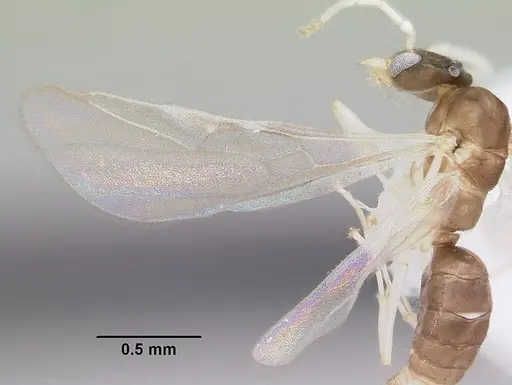
Little is known about the specific development timeline of L. pulex. Queens are small (MML 1.37mm) and workers are among the smallest in the genus at just 0.48-0.65mm [1]. Based on related Linepithema species and their tropical distribution, expect development from egg to first worker to take around 4-8 weeks at optimal temperature. Colonies likely remain small, the species is not commonly encountered in the wild, suggesting smaller colony sizes. Males have been observed in nests in November, suggesting nuptial flights occur around that time in the Southern Hemisphere [1].
Behavior and Foraging
L. pulex is a diurnal forager, actively searching for food during daylight hours [1]. Despite their tiny size, they demonstrate remarkable predatory behavior, researchers have observed small groups successfully predating crickets without assistance from larger colonies [1]. They recruit to protein baits and will scavenge on dead insects. Their foraging style involves active hunting rather than just scavenging. In captivity, you'll likely see workers actively patrolling the outworld, searching for prey items. They are not aggressive toward keepers and rarely sting due to their small size.
Frequently Asked Questions
How long does it take for Linepithema pulex to produce first workers?
The exact development time is unknown, but based on related Linepithema species and their tropical distribution, expect 4-8 weeks from egg to first worker at optimal temperature (22-26°C).
What do Linepithema pulex ants eat?
They are primarily carnivorous. Feed small live prey like fruit flies, pinhead crickets, small mealworms, and other tiny insects. They will also accept protein baits like tuna or sardines. Sugar sources are unlikely to be accepted.
Are Linepithema pulex ants good for beginners?
This species is rated as Medium difficulty. While not the hardest species to keep, their small size, high humidity needs, and specific dietary requirements (protein-focused) make them better suited for keepers with some experience. They are also rarely available since wild colonies are difficult to find.
Do Linepithema pulex ants need hibernation?
No. This species is from a tropical/subtropical region (Atlantic coastal rainforest) where temperatures remain warm year-round. True hibernation is not required, though you may see reduced activity during cooler months.
How big do Linepithema pulex colonies get?
The maximum colony size is unknown. Based on field observations and their patchy distribution, colonies likely remain small to moderate in size, probably under a few hundred workers.
Can I keep multiple Linepithema pulex queens together?
No. This species is monogyne, meaning colonies have a single queen. Multiple unrelated queens would likely fight. Only keep one queen per colony.
What temperature should I keep Linepithema pulex at?
Keep them at 22-26°C. This matches their natural habitat in the humid subtropical Atlantic forests of Brazil, Argentina, and Paraguay. A gentle temperature gradient is ideal.
Why are my Linepithema pulex ants dying?
Common causes include: low humidity (they need consistently damp substrate), improper diet (they need protein, not sugar), escape through tiny gaps due to their very small size, or mold from poor ventilation. Check these factors first.
When do Linepithema pulex have nuptial flights?
Males have been observed in nests in November in the Southern Hemisphere [1]. This suggests nuptial flights likely occur around late spring/early summer in their native range.
References

This caresheet is licensed under CC BY-SA 4.0 .
Literature
Loading...Loading products...