

Linepithema leucomelas
- Scientific Name
- Linepithema leucomelas
- Tribe
- Leptomyrmecini
- Subfamily
- Dolichoderinae
- Author
- Emery, 1894
- Distribution
- Found in 1 countries
Linepithema leucomelas Overview
Linepithema leucomelas is an ant species of the genus Linepithema. It is primarily documented in 1 countries , including Brazil. Detailed taxonomic data and occurrence records can be further explored via authoritative databases such as AntWeb or the Global Biodiversity Information Facility (GBIF).
Linepithema leucomelas
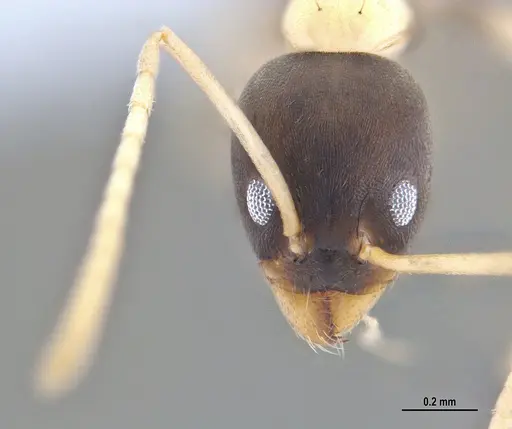
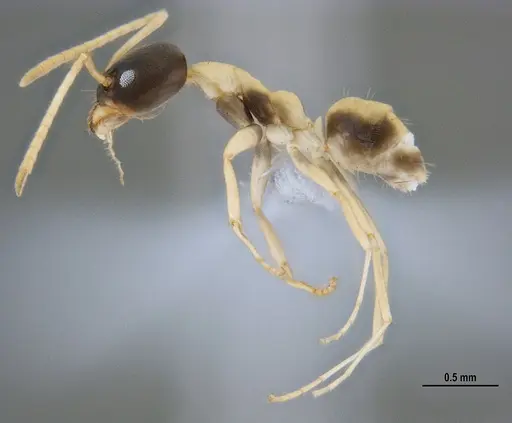
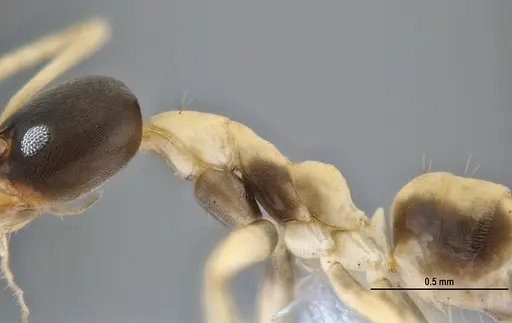
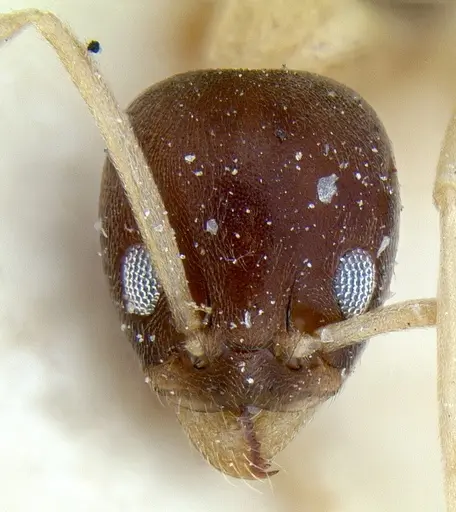
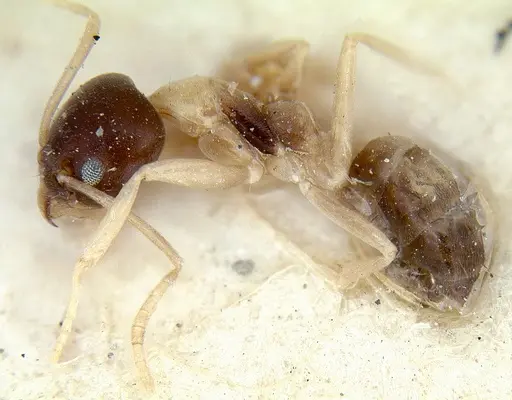
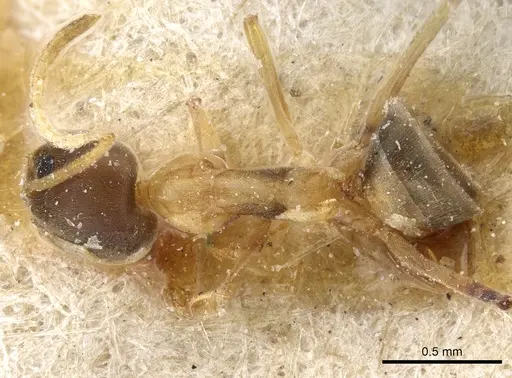
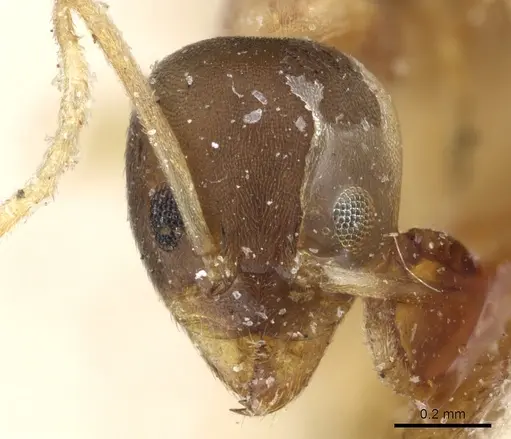
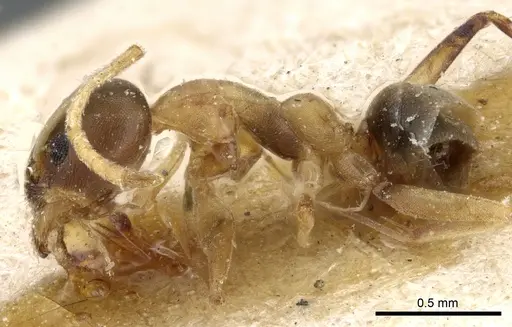
Linepithema leucomelas is a small, strikingly bicolored ant native to southeastern Brazil. Workers measure 0.60-0.78mm with a dark brown head that contrasts sharply with pale whitish-yellow on the mesosoma and legs. Their most distinctive feature is their arboreal lifestyle, they are one of only two primarily arboreal species in the genus Linepithema, nesting under bark, in bamboo cavities, gourd trees, and arboreal ferns [1]. This species inhabits the Atlantic forest biome, particularly wet rainforest areas, and has been recorded nesting in bromeliads in Araucaria trees [2]. The similar coloration to the unrelated Tapinoma atriceps is an example of convergent evolution in the Atlantic forest [1].
Quick Summary
- Difficulty: Medium
- Origin & Habitat: Southeastern Brazil, Atlantic forest biome, specifically wet rainforest and cloud forest habitats [1][2]. This is a primarily arboreal species, unlike most Linepithema which are ground-nesting [3].
- Colony Type: Colony structure is unconfirmed. As an arboreal tropical species, likely single-queen colonies based on typical genus patterns, but this has not been directly studied.
- Size & Growth:
- Queen: MML 1.65-1.66 mm (moderately small) [1]
- Worker: 0.60-0.78 mm head length,0.52-0.74 mm head width [1]
- Colony: Unknown, no colony size data available
- Growth: Unknown, no development data available for this species
- Development: Estimated 6-8 weeks based on related tropical Dolichoderinae species at optimal temperature (No direct development data exists for this species. Estimates based on genus-level patterns for tropical ants.)
- Antkeeping:
- Temperature: Keep at 22-26°C. As a tropical Atlantic forest species, they need warm, stable conditions. A gentle gradient allowing them to choose their preferred temperature is ideal.
- Humidity: High humidity is essential, think damp rainforest. Keep nest substrate consistently moist but not waterlogged. Provide a water tube as a constant moisture source.
- Diapause: No, this is a tropical species from southeastern Brazil and does not require hibernation or winter rest.
- Nesting: Arboreal species needs vertical nesting options. Provide structures like cork, bamboo sections, or plants. A Y-tong or acrylic nest with added vertical elements works well. They nest in cavities so enclosed spaces with small entrance holes are preferred.
- Behavior: These ants are arboreal and relatively docile. Workers are small (under 1mm) and active, foraging in vegetation and tree cavities. They are not aggressive and do not have a painful sting. Escape prevention is critical due to their tiny size, they can squeeze through the smallest gaps. Use fine mesh and tight-fitting barriers.
- Common Issues: escape prevention is critical due to tiny worker size, they easily slip through standard barriers, tropical species needs warm, humid conditions, cold drafts can be fatal, arboreal nesting means they need vertical space and cavity structures, not just flat chambers, no captive breeding data means growth rate and colony development are unpredictable, wild-caught colonies may harbor parasites or be stressed from collection
Natural History and Distribution
Linepithema leucomelas is endemic to southeastern Brazil, specifically the Atlantic forest biome. This is one of only two primarily arboreal species in the genus Linepithema, with the other being L. iniquum [1]. They inhabit wet rainforest and cloud forest environments, nesting in pre-existing cavities rather than excavating their own nests. Known nesting sites include under bark, inside bamboo stalks, gourd trees, arboreal ferns, and bromeliads in Araucaria trees [2]. The species has been intercepted in the United States inside orchid plants, demonstrating their association with plant material [1]. Alate queens have been collected from nests in May and October, with males collected in October, suggesting nuptial flights occur during the Southern Hemisphere autumn [1].
Housing and Nest Preferences
Because this is an arboreal species, your setup should reflect their natural cavity-nesting behavior. They do best in nests that provide enclosed spaces with small entrance holes, think bamboo sections, cork bark, or acrylic nests with narrow chambers. A Y-tong nest works well when paired with vertical elements like cork or fake plants. The key is providing multiple cavities at different heights rather than a single flat chamber. Keep the nest humid but ensure some ventilation to prevent mold. A water tube connected to the nest helps maintain consistent moisture. Since they are tiny (under 1mm), even standard test tube setups need excellent escape prevention with fine mesh barriers on any openings.
Temperature and Humidity
As a tropical species from Brazil's Atlantic forest, Linepithema leucomelas needs warm and humid conditions. Aim for temperatures between 22-26°C with minimal daily fluctuation, sudden drops can stress or kill colonies. A heating cable on one side of the nest creates a gentle gradient allowing workers to self-regulate. Humidity should be high, the nest substrate should feel consistently damp but never waterlogged. These ants naturally experience humid rainforest conditions, so misting or a water tube connected to the nest helps maintain appropriate moisture levels. Avoid placing the nest near air conditioning vents or drafty windows.
Feeding and Diet
Based on typical Linepithema behavior and their arboreal habitat, these ants likely feed on honeydew from aphids and scale insects, plus small insects. Offer sugar water or honey as a constant energy source. For protein, provide small live prey like fruit flies, pinhead crickets, or other tiny insects. Since they are small, prey items should be appropriately sized, anything larger than their head is difficult to handle. Feed protein 2-3 times per week, and keep sugar sources available at all times. Remove uneaten prey after 24-48 hours to prevent mold.
Behavior and Temperament
Linepithema leucomelas workers are small, active, and relatively docile. They are not aggressive and do not possess a painful sting. Their arboreal nature means they are comfortable moving on vertical surfaces and will often explore plant material or decorations in their outworld. Workers are fast-moving and can be skittish when the nest is disturbed. The primary concern for keepers is their tiny size, workers are less than 1mm and can easily escape through gaps that would hold back larger ants. Always use fine mesh (at least 0.5mm gap prevention) and check all connections regularly. They are colony-oriented and will retreat to their nest when threatened. [1]
Colony Development and Growth
No specific development data exists for this species. Based on related tropical Dolichoderinae ants, expect roughly 6-8 weeks from egg to first worker at optimal temperature (around 24-26°C). The first workers (nanitics) will likely be smaller than mature workers. Colony growth is expected to be moderate, not as fast as some invasive Linepithema like the Argentine ant, but steady under good conditions. Maximum colony size is unknown but is likely modest (under a few hundred workers) based on typical arboreal ant patterns. Patience is key, as this species is not commonly kept and exact care requirements are still being learned.
Frequently Asked Questions
How long does it take for Linepithema leucomelas to produce first workers?
Exact data does not exist, but based on related tropical Dolichoderinae, expect 6-8 weeks from egg to worker at optimal temperature (24-26°C). Growth may be slower initially as the colony establishes itself.
What do Linepithema leucomelas ants eat?
They likely feed on honeydew and small insects like other Linepithema species. Offer sugar water or honey as a constant energy source, plus small live prey such as fruit flies or pinhead crickets for protein.
Are Linepithema leucomelas good for beginners?
This is a challenging species for beginners due to their specific arboreal nesting needs, high humidity requirements, and tiny size making escape prevention difficult. They are also rarely available in the antkeeping hobby.
What temperature do Linepithema leucomelas need?
Keep them warm at 22-26°C. As a tropical species from Brazil's Atlantic forest, they need stable, warm conditions without temperature drops.
Do Linepithema leucomelas need hibernation?
No, they do not require hibernation. This is a tropical species from southeastern Brazil where temperatures remain warm year-round.
How big do Linepithema leucomelas colonies get?
Colony size is not documented in scientific literature. Based on typical arboreal ant patterns, colonies likely reach a few hundred workers at most.
What type of nest is best for Linepithema leucomelas?
They need arboreal-style housing with enclosed cavities, bamboo sections, cork bark, or acrylic nests with narrow chambers work well. They prefer vertical spaces and multiple cavities to choose from.
Why are my Linepithema leucomelas escaping?
Their tiny worker size (under 1mm) means they can slip through almost any gap. Use fine mesh barriers, check all connections regularly, and ensure any gaps larger than 0.5mm are sealed.
Can I keep multiple Linepithema leucomelas queens together?
Colony structure is unconfirmed for this species. Combining unrelated queens is not recommended since it has not been documented and could result in aggression.
References

This caresheet is licensed under CC BY-SA 4.0 .

Literature
Loading...Loading products...