

Leptothorax retractus
- Scientific Name
- Leptothorax retractus
- Tribe
- Crematogastrini
- Subfamily
- Myrmicinae
- Author
- Francoeur, 1986
- Common Name
- Notched Thin Ant
- Distribution
- Found in 2 countries
Leptothorax retractus Overview
Leptothorax retractus (commonly known as the Notched Thin Ant) is an ant species of the genus Leptothorax. It is primarily documented in 2 countries , including Canada, United States of America. Detailed taxonomic data and occurrence records can be further explored via authoritative databases such as AntWeb or the Global Biodiversity Information Facility (GBIF).
Leptothorax retractus - "Notched Thin Ant"
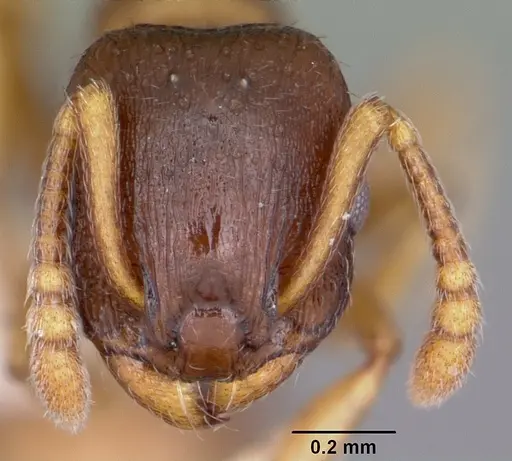
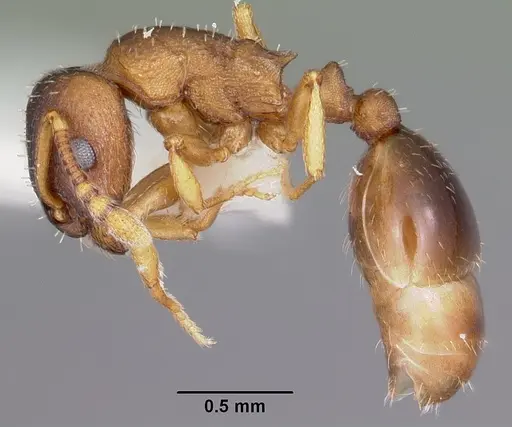
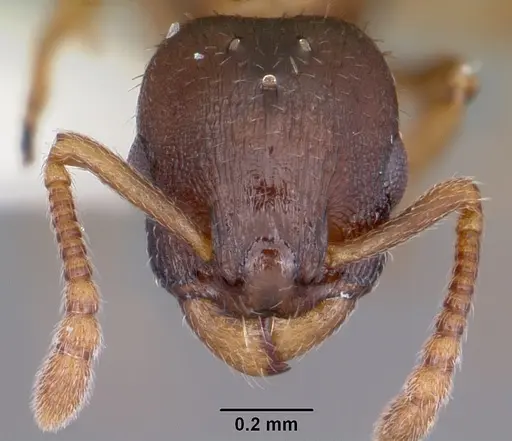
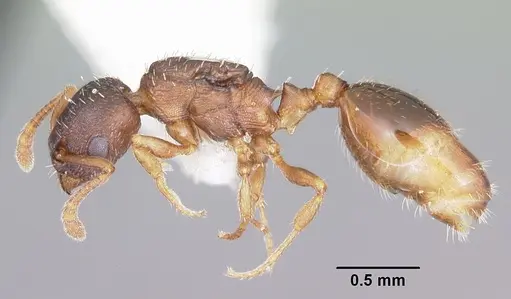
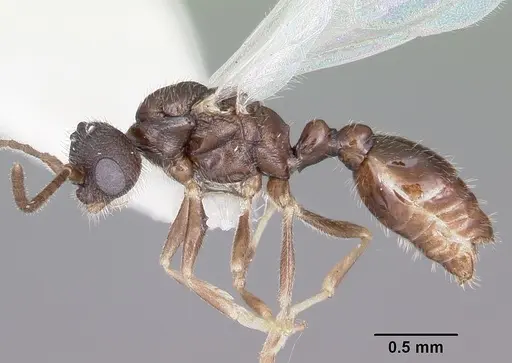
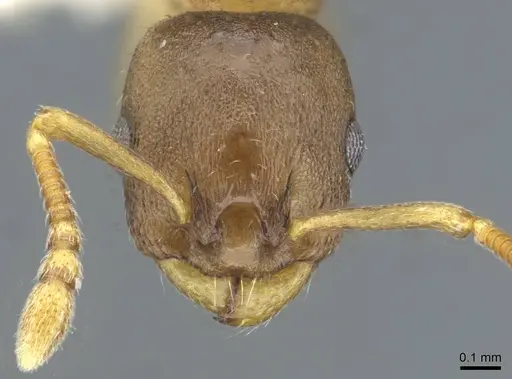
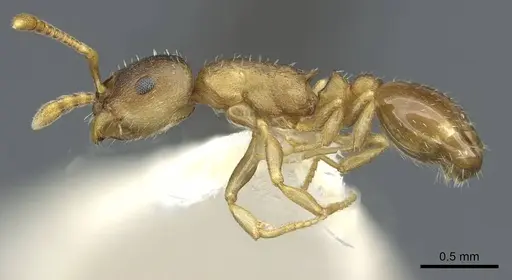
Leptothorax retractus is a tiny myrmicine ant native to boreal forests across Canada. Workers measure just 2-4mm and are brownish in color with a distinctive notch on the face (clypeus) that helps distinguish them from similar species [1][2]. Queens are slightly larger and feature the same diagnostic notch [1]. This species forms small colonies typically with multiple queens, living in preformed cavities in decaying wood, under stones, and in moss throughout the boreal and alpine coniferous forests of Canada [3][4]. What makes L. retractus particularly interesting is that it's the only Leptothorax species not parasitized by Harpagoxenus slave-makers, a remarkable trait given how commonly other Leptothorax species fall victim to these social parasites [5].
Quick Summary
- Difficulty: Easy
- Origin & Habitat: Native to boreal North America, specifically Canada. Found across Quebec, Alberta, Saskatchewan, New Brunswick, Maine, and the Yukon. This is a true boreal species that lives in coniferous forests, nesting in preformed cavities in decaying wood, under stones, and in moss [3][4][6]. They prefer habitats with litter on mineral soil and tree-dominated vegetation.
- Colony Type: Facultatively polygynous, colonies typically have 3 queens that work together [7]. This means your colony might have one queen or multiple queens. They are not parasitic and establish their own nests in dead wood cavities.
- Colony: Optionally polygyne
- Founding: Claustral
- Size & Growth:
- Queen: Estimated 4-5mm based on genus patterns
- Worker: 2-4mm [3]
- Colony: Small colonies, likely under 500 workers based on typical Leptothorax patterns
- Growth: Moderate
- Development: Estimated 6-10 weeks based on related Leptothorax species (Development time is temperature-dependent, cooler boreal habitats suggest moderate growth rates)
- Antkeeping:
- Temperature: Keep around 18-22°C. As a boreal species, they prefer cooler temperatures than tropical ants, aim for low room temperature or use minimal heating [3][8].
- Humidity: Moderate to high, they naturally live in damp forest floor habitats. Keep nest substrate moist but not waterlogged, with some drier areas available.
- Diapause: Yes, as a boreal species, they need a winter hibernation period. Reduce temperature to 5-10°C for 3-4 months during winter [8][7].
- Nesting: Best in naturalistic setups with dead wood pieces, cork, or plaster nests with small chambers. They prefer tight, enclosed spaces that mimic their natural cavities in decaying wood [3][4].
- Behavior: Generally peaceful and non-aggressive. Workers are small and not particularly defensive. They forage individually for small prey and honeydew. Because of their tiny size, escape prevention is important, they can slip through small gaps. They are not known for stinging and pose no danger to keepers. Colonies show synchronized locomotion behavior that helps access brood piles [9].
- Common Issues: tiny size means escapes are likely without fine mesh barriers, colonies are small and grow slowly, beginners may lose patience, hibernation is required and must be done properly or colonies may weaken, wild-caught colonies may have parasites from their native habitat, overheating is more dangerous than underheating for this boreal species
Housing and Nest Preferences
Leptothorax retractus thrives in naturalistic setups that mimic their natural forest floor habitat. In the wild, they nest in preformed cavities in decaying wood, under stones, and in moss [3][4]. For captivity, small cork nests, Y-tong nests with narrow chambers, or plaster nests work well. The key is providing tight, enclosed spaces scaled to their tiny size, avoid tall, open areas. A layer of substrate for moisture retention helps maintain appropriate humidity. Some keepers success with test tube setups, but these should be kept dark and undisturbed during founding.
Feeding and Diet
Like most Leptothorax species, these ants are omnivorous but lean toward protein. They accept small live prey like fruit flies, pinhead crickets, and other tiny insects. Sugar sources like honey water or sugar water are readily accepted. In their boreal forest habitat, they likely forage for honeydew from aphids and small invertebrates. Feed protein prey 2-3 times per week and keep a sugar water source available at all times. Remove uneaten prey after 24 hours to prevent mold. [3]
Temperature and Seasonal Care
As a boreal species from Canada's northern forests, Leptothorax retractus prefers cooler temperatures than most commonly kept ants. Keep the nest area around 18-22°C, room temperature is often ideal. Avoid overheating, which can be fatal. During winter, they require a proper hibernation period of 3-4 months at 5-10°C [8][7]. This mimics their natural cycle in cold climates. Reduce feeding during hibernation and keep the nest dark and undisturbed. Gradual warming in spring triggers activity again.
Colony Structure and Multi-Queen Care
This species is facultatively polygynous, meaning colonies can have one or multiple queens [7]. In the wild, colonies typically contain 3 queens working together cooperatively. This is unusual among ants, most species have either single-queen or multi-queen colonies, but this species can do either. For keepers, this means you can keep a single queen or introduce additional queens to a founding colony. Queens don't fight like some species might. The presence of multiple queens helps the colony grow faster and provides insurance against queen loss.
Unique Biology - Resistance to Slave-Makers
One of the most fascinating traits of Leptothorax retractus is its complete resistance to Harpagoxenus slave-maker ants [5]. Throughout the boreal forests of Canada, most Leptothorax species are parasitized by these social parasites, the slave-makers invade their colonies, kill the queen, and force the workers to raise their own young. But L. retractus has evolved some form of chemical defense or recognition system that makes it immune. This is the only Leptothorax species known to have this resistance. While this doesn't directly affect captive care, it's a remarkable piece of natural history that makes this species especially interesting to keep.
Frequently Asked Questions
Can I keep Leptothorax retractus in a test tube?
Yes, test tubes work well for founding colonies. Keep the setup dark and undisturbed. Use a small water reservoir but avoid flooding. Transfer to a proper nest once the colony reaches 20-30 workers.
How long until first workers in Leptothorax retractus?
Expect first workers (nanitics) around 6-10 weeks after the queen lays eggs, depending on temperature. Cooler temperatures slow development. Be patient, this is a slow-growing species compared to tropical ants.
Do Leptothorax retractus ants sting?
No, they are not known for stinging and pose no danger to keepers. Their small size and peaceful nature make them safe to handle gently if needed.
Can I keep multiple queens together?
Yes, this species is facultatively polygynous, multiple queens can live together peacefully. In fact, wild colonies typically have 3 queens. You can introduce additional queens to a founding colony without aggression issues.
Do Leptothorax retractus need hibernation?
Yes, as a boreal species from Canada, they require a winter hibernation period. Reduce temperature to 5-10°C for 3-4 months during winter. This is essential for their health and colony cycle.
What temperature do Leptothorax retractus need?
Keep them cool, around 18-22°C is ideal. Room temperature is often perfect for this boreal species. Avoid any heating beyond this range, as overheating can be fatal.
Are Leptothorax retractus good for beginners?
Yes, they are considered easy to keep. They are peaceful, don't sting, and have simple care requirements. The main challenges are escape prevention due to their tiny size and providing proper hibernation.
How big do Leptothorax retractus colonies get?
Colonies remain relatively small, likely under 500 workers even at maturity. This makes them suitable for keeping in modest-sized nests.
References

This caresheet is licensed under CC BY-SA 4.0 .
CASENT0104798
View on AntWeb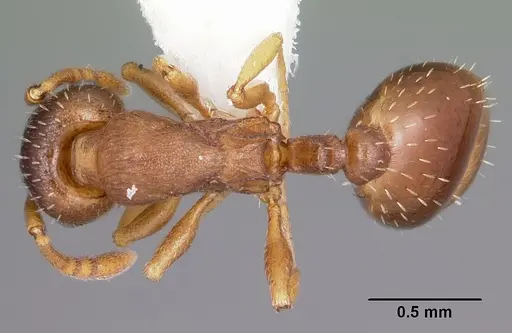
CASENT0104799
View on AntWeb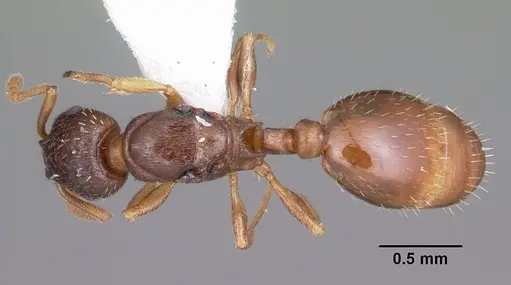
CASENT0104800
View on AntWeb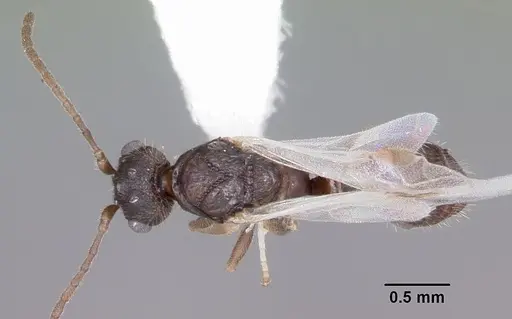
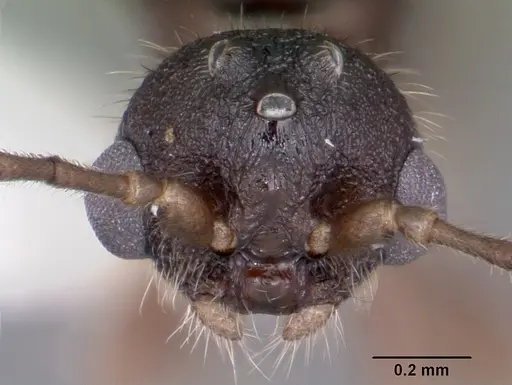
CASENT0911190
View on AntWeb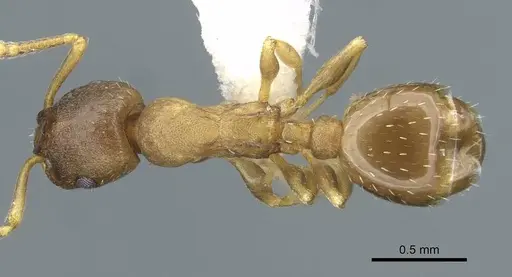
Literature
Loading...Loading products...