

Leptomyrmex puberulus
- Scientific Name
- Leptomyrmex puberulus
- Tribe
- Leptomyrmecini
- Subfamily
- Dolichoderinae
- Author
- Wheeler, 1934
- Distribution
- Found in 2 countries
Leptomyrmex puberulus Overview
Leptomyrmex puberulus is an ant species of the genus Leptomyrmex. It is primarily documented in 2 countries , including Indonesia, Papua New Guinea. Detailed taxonomic data and occurrence records can be further explored via authoritative databases such as AntWeb or the Global Biodiversity Information Facility (GBIF).
Leptomyrmex puberulus
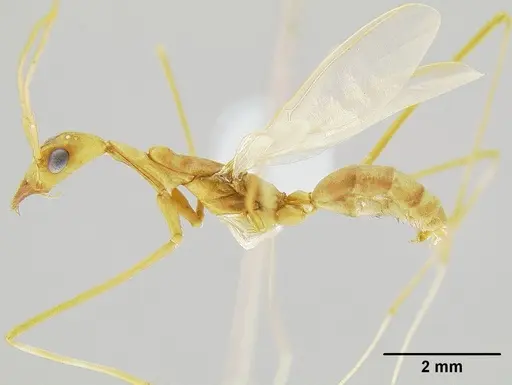
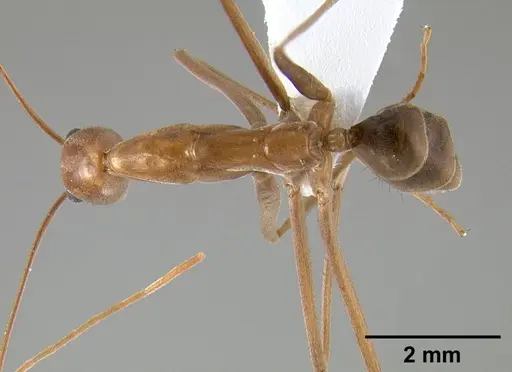
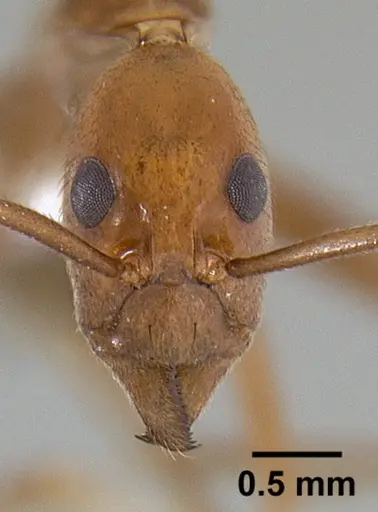
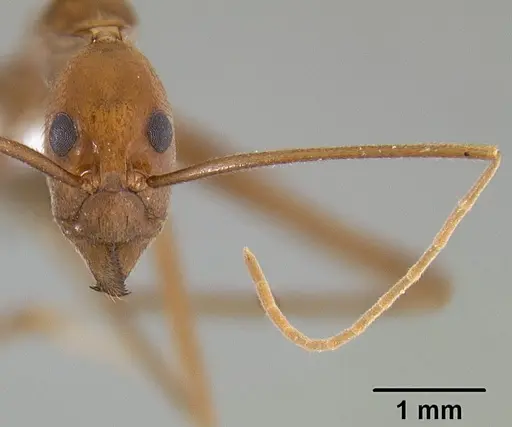
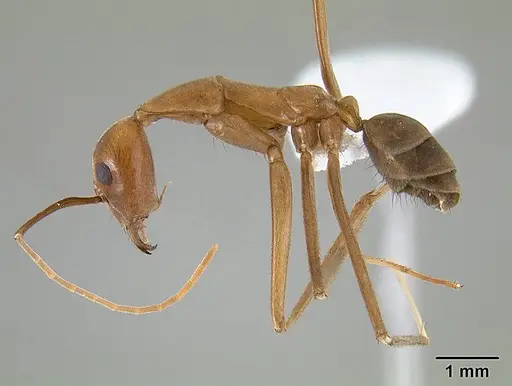
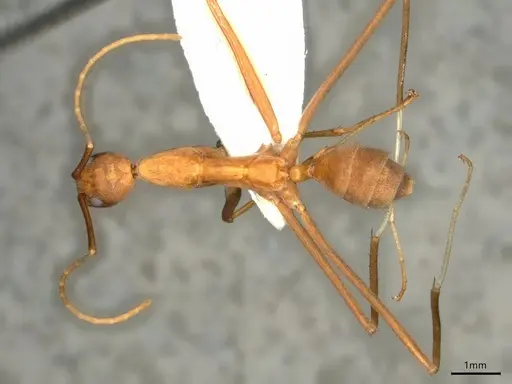
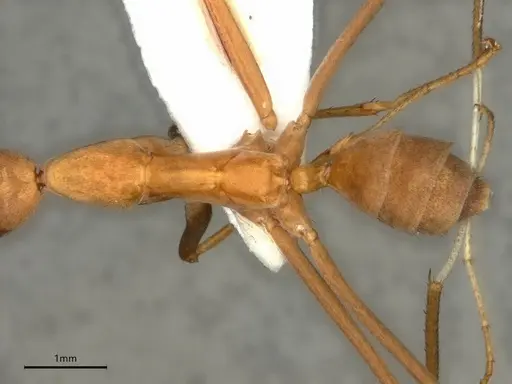
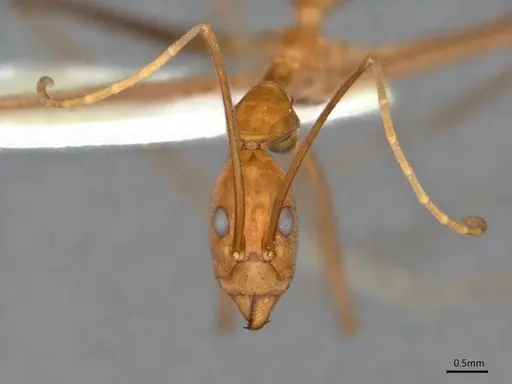
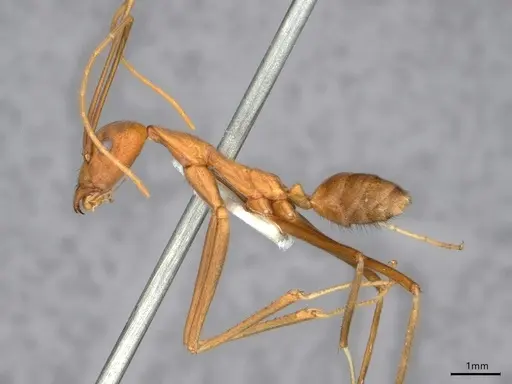
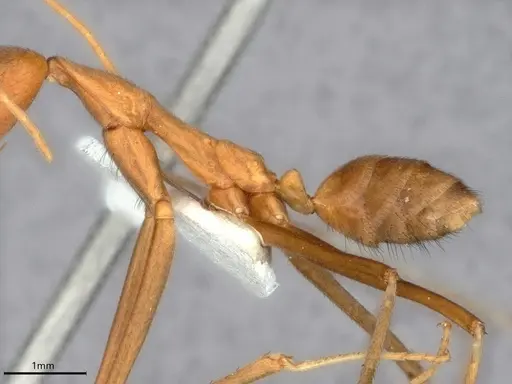
Leptomyrmex puberulus is a small, distinctive spider ant native to New Guinea, found in both Papua New Guinea and Indonesia's Irian Jaya region. Workers measure 1.02-1.20mm in head width with an extremely long slender body reaching 2.99-3.29mm in mesosoma length, giving them the characteristic 'spider ant' appearance with their remarkably long legs. The species is uniquely identifiable among New Guinea Leptomyrmex species for having short standing hairs on the eyes, a trait not seen in related species. Their body coloration ranges from pale yellow to dark yellowish-brown, with nearly white tarsi and long grey pubescence covering the head, pronotum, and gaster. These ants nest in soil and rotting logs within secondary and primary rainforest habitats.
Quick Summary
- Difficulty: Medium
- Origin & Habitat: New Guinea (Papua New Guinea and Indonesia Irian Jaya). Nests occur in soil and logs within secondary and primary rainforest [1][2].
- Colony Type: Colony structure is unconfirmed. Based on typical Leptomyrmex genus patterns, likely single-queen colonies.
- Size & Growth:
- Queen: Undescribed in literature, estimated 5-7mm based on genus patterns
- Worker: 1.02-1.20mm head width,2.99-3.29mm mesosoma length [1]
- Colony: Estimated 200-500 workers based on related species
- Growth: Moderate, estimated based on tropical Dolichoderinae patterns
- Development: Estimated 6-8 weeks at tropical temperatures (24-28°C), based on typical Leptomyrmex development (Development timeline not directly studied, estimate based on genus patterns for tropical species)
- Antkeeping:
- Temperature: Keep at 24-28°C. This matches their natural rainforest habitat in New Guinea. A gentle gradient is recommended.
- Humidity: High humidity preferred, rainforest species. Keep nest substrate consistently moist but not waterlogged. Provide a water tube for drinking access.
- Diapause: Unknown, being a tropical species from lowland New Guinea, they likely do not require hibernation but may slow down during cooler periods.
- Nesting: Nests naturally in soil and rotting logs. In captivity, a Y-tong (AAC) nest or plaster/naturalistic setup with moist substrate works well. They prefer tight chambers with some open space for their long legs to move.
- Behavior: Generally calm and non-aggressive. These are shy ants that prefer to flee rather than fight. They are active foragers but not particularly territorial. Their long legs make them agile runners. Escape risk is moderate, while not tiny, they can squeeze through small gaps, so standard barrier precautions apply. They do not have a functional stinger and pose no danger to keepers.
- Common Issues: high humidity maintenance is critical, drying out causes colony decline, slow colony growth can frustrate beginners who overfeed and cause mold, tropical species may struggle in air-conditioned rooms without supplemental heating, wild-caught colonies may carry parasites that are difficult to treat in captivity, their long legs can get stuck in smooth-sided test tubes, use textured surfaces or appropriate nest types
Natural History and Identification
Leptomyrmex puberulus is one of the smaller species in the spider ant genus, native exclusively to New Guinea. The species was originally described by Wheeler in 1934 and later revised by Lucky and Ward in 2010. What makes this species instantly recognizable is the distinctive short standing hairs on their eyes, the only New Guinea Leptomyrmex with this trait. Their body ranges from pale yellow to dark yellowish-brown, sometimes with a darker gaster. The long grey pubescence gives them a slightly fuzzy appearance, especially on the head, pronotum, and gaster. Their legs are exceptionally long and slender, slightly compressed, which is where the 'spider ant' common name comes from. They inhabit primary and secondary rainforest, nesting in soil and rotting wood on the forest floor. [2]
Housing and Nest Preferences
In the wild, Leptomyrmex puberulus nests in soil and rotting logs within rainforest environments. For captive care, replicate these conditions using a Y-tong (acrylic) nest or a plaster formicarium with moist substrate. The key is maintaining high humidity while ensuring good ventilation to prevent mold. Because of their long legs, avoid smooth glass test tubes where legs can splay and get stuck, a textured surface or appropriate commercial nest works better. Provide a water tube for drinking access, as rainforest species often need free water. The outworld should be simple with minimal decorations that could trap their long legs.
Feeding and Diet
Like other Dolichoderinae ants, Leptomyrmex puberulus likely has a mixed diet. They probably consume honeydew from aphids and scale insects in the wild, along with small insects and other arthropods. In captivity, offer sugar water or honey as a constant energy source. For protein, provide small insects like fruit flies, small mealworms, or cricket pieces. Feed protein 2-3 times per week, removing uneaten prey within 24 hours. Fresh fruit can also be offered occasionally. Because they are relatively small, prey items should be appropriately sized.
Temperature and Humidity Requirements
Being a New Guinea rainforest species, these ants require warm and humid conditions. Maintain temperatures between 24-28°C (75-82°F). Avoid temperatures below 22°C as this can slow activity and potentially harm brood. Humidity should be high, aim for 70-80% relative humidity in the nest area. The substrate should remain consistently moist but never waterlogged. If you see condensation constantly dripping, it's too wet, if the substrate looks dry within hours of watering, it's too dry. A room-temperature setup around 24-26°C usually works well without additional heating in most homes.
Colony Development and Growth
Leptomyrmex puberulus colonies likely start with a single claustral queen (queen seals herself in and lives off stored fat until first workers emerge). Based on typical tropical ant development, expect first workers (nanitics) approximately 6-8 weeks after founding at optimal temperatures. Initial colony growth is slow, the queen raises the first brood alone. Once workers emerge, colony growth accelerates but remains moderate compared to faster species. A mature colony probably reaches 200-500 workers. These are long-lived ants, with queens potentially living 10-15 years in good conditions.
Behavior and Temperament
Leptomyrmex ants are known for their calm, non-aggressive temperament. Rather than attacking threats, they prefer to flee and hide. They are active foragers but not particularly territorial or defensive. Workers are slender and fast-moving, using their long legs to quickly traverse the outworld. They do not possess a painful sting and pose no danger to keepers. Their relatively docile nature makes them an interesting species to observe, though they may be less interactive than more bold species. They are primarily nocturnal or crepuscular in activity patterns, which aligns with their rainforest floor habitat.
Frequently Asked Questions
How long does it take for Leptomyrmex puberulus to produce first workers?
Based on typical tropical ant development, expect first workers approximately 6-8 weeks after the queen lays eggs, at optimal temperatures of 24-28°C. This timeline is an estimate since this specific species has not been studied in detail.
What do Leptomyrmex puberulus ants eat?
They likely have a mixed diet similar to other Dolichoderinae ants. Offer sugar water or honey as a constant energy source, and protein like small insects (fruit flies, small mealworms) 2-3 times weekly.
What temperature should I keep Leptomyrmex puberulus at?
Keep them warm at 24-28°C (75-82°F). As a New Guinea rainforest species, they need consistent warmth. Avoid temperatures below 22°C.
Are Leptomyrmex puberulus good for beginners?
They are rated as medium difficulty. The main challenges are maintaining high humidity and providing appropriate housing for their long legs. They are calm and non-aggressive, which makes them interesting to watch.
How big do Leptomyrmex puberulus colonies get?
Based on related species, mature colonies likely reach 200-500 workers. Growth is moderate, expect several months to a year for a substantial colony.
Do Leptomyrmex puberulus need hibernation?
Probably not. Being a tropical species from lowland New Guinea, they likely do not require a true hibernation period. They may slow down slightly during cooler periods but no special winter care is needed.
What type of nest should I use for Leptomyrmex puberulus?
A Y-tong (AAC) nest or plaster formicarium with moist substrate works well. Avoid smooth glass test tubes where their long legs can get stuck. Keep the nest humid but well-ventilated.
Can I keep multiple Leptomyrmex puberulus queens together?
This has not been studied for this species. Based on typical Leptomyrmex behavior, they likely form single-queen colonies. It is not recommended to combine unrelated foundress queens.
Why are my Leptomyrmex puberulus dying?
Common causes include: drying out (humidity too low), temperatures too cold, mold from overwatering, or stress from wild-caught origins. Check that humidity is high and consistent, temperatures are in the 24-28°C range, and remove uneaten food promptly to prevent mold.
References

This caresheet is licensed under CC BY-SA 4.0 .
Literature
Loading...Loading products...