

Leptomyrmex melanoticus
- Scientific Name
- Leptomyrmex melanoticus
- Tribe
- Leptomyrmecini
- Subfamily
- Dolichoderinae
- Author
- Wheeler, 1934
- Distribution
- Found in 1 countries
Leptomyrmex melanoticus Overview
Leptomyrmex melanoticus is an ant species of the genus Leptomyrmex. It is primarily documented in 1 countries , including Papua New Guinea. Detailed taxonomic data and occurrence records can be further explored via authoritative databases such as AntWeb or the Global Biodiversity Information Facility (GBIF).
Leptomyrmex melanoticus
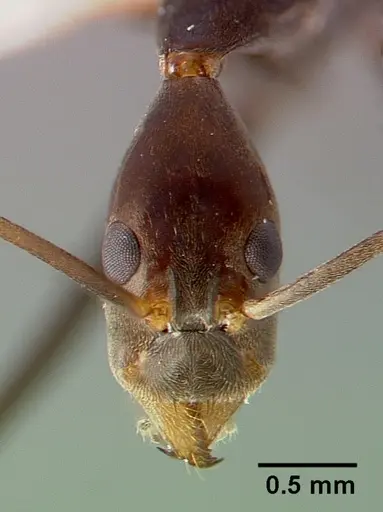
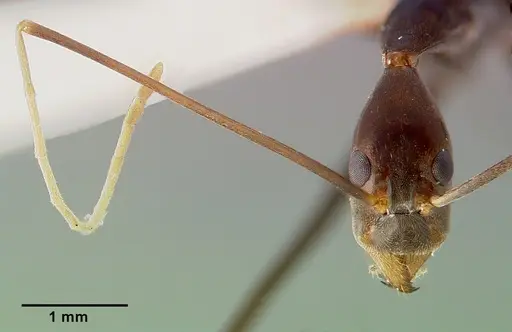
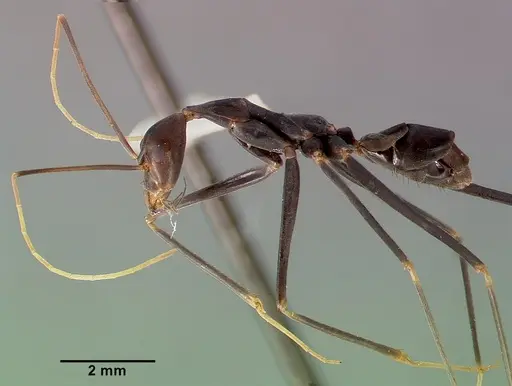
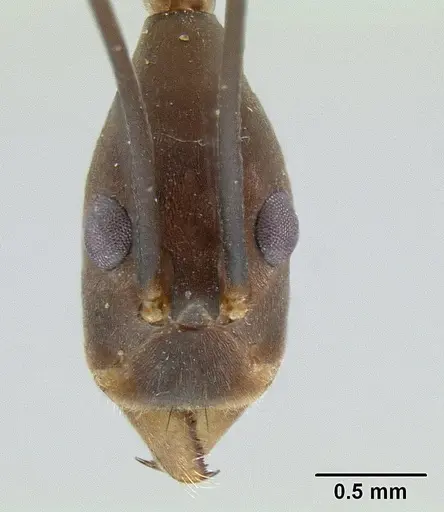
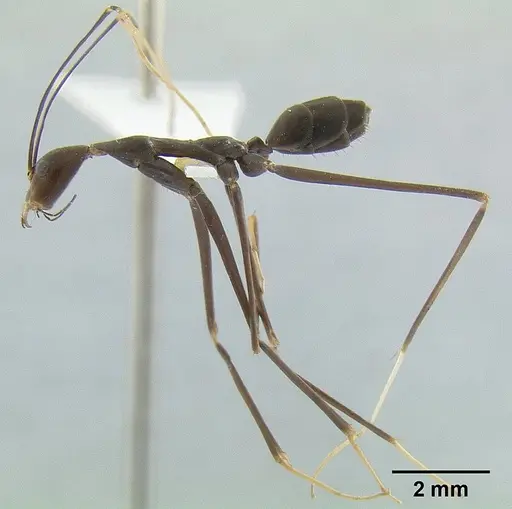
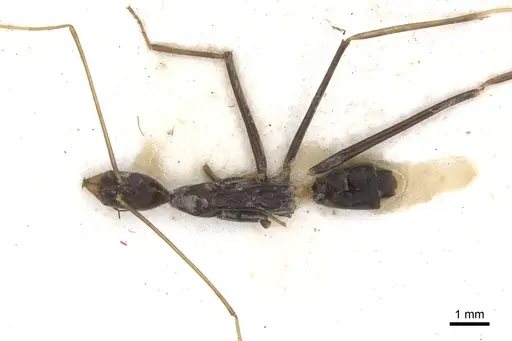
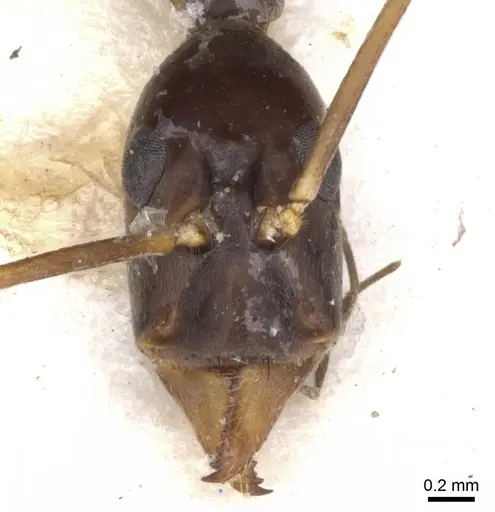
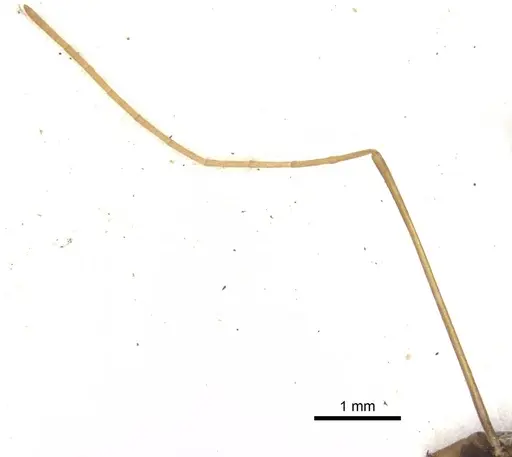
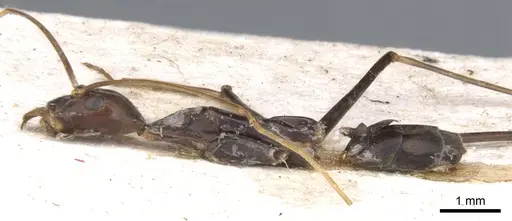
Leptomyrmex melanoticus is a strikingly slender, nearly hairless ant species native to Papua New Guinea. Workers are distinctively unicolorous black with pale yellow antennal funiculi, mandibles, and tarsi, giving them an elegant appearance. They have extremely long legs and antennae even by spider ant standards, with workers measuring 1.77-2.00mm in head length but antennae reaching 3.96-4.54mm. The species is distinguished by its narrow, conical 'neck' and small, round eyes. This is one of the least-studied ant species in existence, queens have never been collected, and nothing is known about their nesting habits or colony structure. The entire genus is known for their spider-like appearance due to their extraordinarily long limbs.
Quick Summary
- Difficulty: Expert
- Origin & Habitat: Papua New Guinea, specifically recorded from rainforest habitats in the Australasian region [1]. The specific nesting microhabitat within these rainforests remains unknown.
- Colony Type: Unknown, queens have never been collected, so colony structure (single-queen or multi-queen) is completely unconfirmed. This is one of the most poorly documented ant species in existence.
- Size & Growth:
- Queen: Unknown, queens have never been described in scientific literature
- Worker: 1.77-2.00mm head length,0.99-1.06mm head width [1]
- Colony: Unknown, no colony size data exists for this species
- Growth: Unknown
- Development: Unknown, no development data exists for this species (Given complete lack of data, estimates cannot be reliably provided)
- Antkeeping:
- Temperature: Unknown for this specific species. Based on Papua New Guinea rainforest habitat, likely requires warm, stable conditions in the mid-to-high 20s°C. Start around 24-26°C and monitor colony activity.
- Humidity: Unknown. As a rainforest species from Papua New Guinea, likely requires high humidity similar to other tropical ants, aim for 70-85% with good ventilation.
- Diapause: Unknown, no seasonal data exists. Given the tropical origin, diapause may not be required or may be minimal.
- Nesting: Nesting habits completely unknown. The genus Leptomyrmex includes both arboreal and ground-nesting species. A naturalistic setup with multiple options (soil chamber, cork, and wood sections) would allow the ants to choose their preferred setup.
- Behavior: Behavior is unstudied in captivity. Based on genus patterns, these are likely relatively docile ants that rely on chemical defense rather than aggression. Their extremely long legs suggest they may be active foragers. Escape prevention should be excellent despite their moderate size, their long limbs can grip surfaces well. No sting data exists for this species, but Dolichoderinae ants typically use chemical sprays rather than stinging.
- Common Issues: Complete lack of captive husbandry information means this species is essentially impossible to keep successfully without wild-caught colonies, Queens have never been collected, breeding in captivity is not possible without finding a wild colony with a queen, Nesting requirements are completely unknown, you may need to experiment with multiple nest types, No food acceptance data exists, you will need to test various protein and sugar sources, This species may have very specific humidity/temperature needs that are impossible to determine without more research
Why This Species Is Extremely Challenging
Leptomyrmex melanoticus represents one of the most poorly documented ant species in the entire Formicidae family. Queens have never been collected or described in scientific literature, meaning we have no morphological data about them. Nesting habits are completely unknown, we only know they have been recorded in rainforest habitats in Papua New Guinea. This means there is essentially no captive husbandry information, no development timelines, no confirmed food preferences, and no established breeding protocols. This is not a species for beginners or even intermediate antkeepers, it is truly a species for advanced researchers willing to document completely novel biology. If you are interested in keeping Leptomyrmex species, consider other species in the genus that have more documented care requirements. [1]
Taxonomy and Identification
Leptomyrmex melanoticus was originally described as a subspecies of Leptomyrmex fragilis by Wheeler in 1934,then raised to full species status by Lucky and Ward in 2010. The species was synonymized with L. contractus (described by Donisthorpe in 1947) in the same revision. Workers are distinctively slender and virtually hairless, with a unicolorous black body contrasting against pale yellow antennal funiculi, mandibles, and tarsi. The most reliable identification characters are the narrow, conical 'neck' (an extension of the posterior head) and the small, round eyes. The propodeal angle gradually rounds into the dorsal and posterior faces, unlike the distinct angle seen in the similar-looking L. niger. Males have been collected but remain poorly described. [1]
Genus-Level Information
Since species-specific information is unavailable, we can only infer from genus-level knowledge. Leptomyrmex (spider ants) are named for their extraordinarily long legs and antennae, giving them a spider-like appearance. They belong to the subfamily Dolichoderinae, which means they lack a functional stinger and instead rely on chemical defense (acetone and other compounds). The genus is distributed throughout Australasia, with the highest diversity in New Guinea and surrounding islands. Most described species are from tropical rainforest habitats. Nothing specific is known about the diet of L. melanoticus, but Leptomyrmex species are generally omnivorous, feeding on nectar, honeydew, and small insects. Their extremely long legs suggest they may be active surface foragers. [1]
Recommended Approach for Advanced Keepers
If you are determined to attempt keeping this species, you would need to obtain wild-caught workers (or a colony if one could be found). Given the complete lack of captive data, you would essentially be conducting original research. Recommended approach: house in a naturalistic setup with multiple microhabitats (damp soil chamber, cork section, and a vertical wood/plant section). Maintain warm, humid conditions (24-26°C,75-85% humidity). Offer varied foods including sugar water/honey, small live insects, and fruit. Document everything, growth rates, behavior, food preferences, and nest site choices. Be prepared for the possibility that this species may have very specific requirements that make captive breeding difficult or impossible. Consider connecting with researchers studying New Guinea ants if you have access to field collection in Papua New Guinea.
Frequently Asked Questions
Can I keep Leptomyrmex melanoticus in captivity?
This species is not recommended for captive keeping. Queens have never been collected or described, meaning breeding in captivity is not possible. There is no information on their nesting habits, food preferences, or specific care requirements. This is a species for scientific research, not hobbyist antkeeping.
Where does Leptomyrmex melanoticus live?
Leptomyrmex melanoticus is found only in Papua New Guinea, specifically in rainforest habitats. The exact locations within the island nation include China Straight (where the type specimens were collected) and surrounding areas.
How do I identify Leptomyrmex melanoticus?
Workers are distinctively slender and nearly hairless, with a completely black body. They have pale yellow antennal funiculi, mandibles, and tarsi that contrast with the dark body. The most reliable识别特征 is the narrow, conical 'neck' behind the head and small, round eyes. Their antennae and legs are extremely long even for spider ants.
What do Leptomyrmex melanoticus eat?
Food preferences are completely unstudied for this species. Based on genus patterns, they likely accept sugar sources (honeydew, nectar) and small insects. Without any captive observation data, specific recommendations cannot be provided.
Are Leptomyrmex ants dangerous?
Leptomyrmex species belong to Dolichoderinae, which lack stingers. They rely on chemical defense rather than stinging. Based on genus patterns, they are likely docile and not dangerous to humans.
Why are there no queens for this species?
Queens of Leptomyrmex melanoticus have simply never been collected or documented in over 80 years of research. This could be due to their colonies being very small, nesting in inaccessible locations, or having queens that rarely leave the nest. The species remains one of the most poorly known ants in the world.
How big do Leptomyrmex melanoticus colonies get?
Colony size is completely unknown. No colony size data exists for this species. Other Leptomyrmex species typically have moderate-sized colonies, but without any data, estimates cannot be provided.
Do Leptomyrmex melanoticus need hibernation?
Diapause requirements are unknown. Given their Papua New Guinea rainforest origin, they likely do not require a true hibernation period. However, seasonal temperature variations might trigger minor slowdowns.
What is the best nest type for Leptomyrmex melanoticus?
Nesting preferences are completely unknown. A naturalistic setup with multiple options (damp soil chambers, cork nesting media, and vertical structures) would be the most reasonable approach to allow the ants to choose their preferred setup.
Is Leptomyrmex melanoticus available for purchase?
This species is extremely unlikely to be available in the antkeeping hobby. No captive breeding exists, and the species has never been exported for hobbyist purposes. It remains a scientific curiosity rather than a keepable species.
References

This caresheet is licensed under CC BY-SA 4.0 .
CASENT0003190
View on AntWeb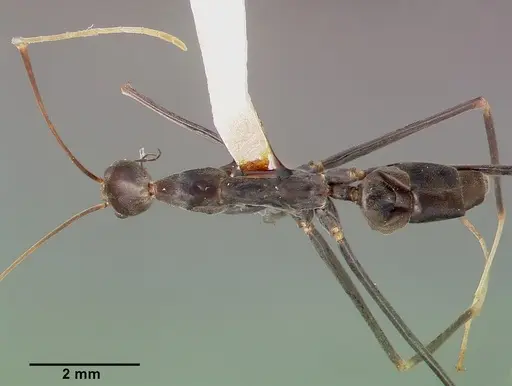
CASENT0012098
View on AntWeb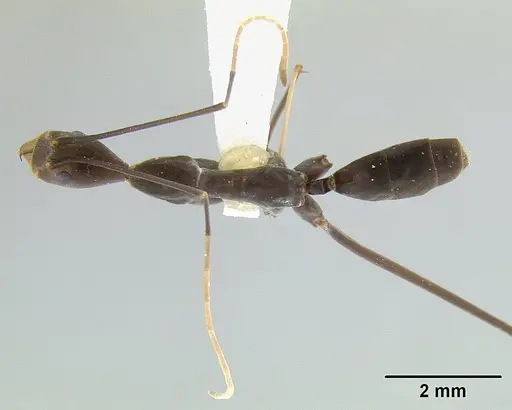
CASENT0012183
View on AntWeb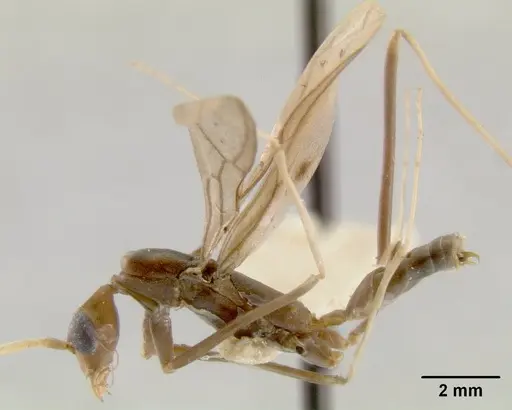
CASENT0902939
View on AntWeb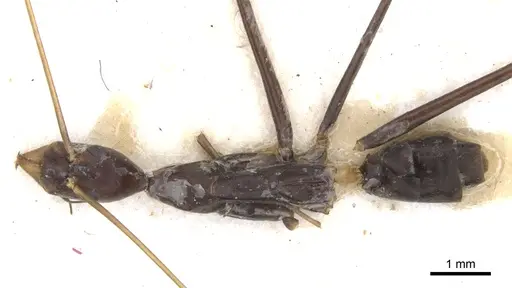
Literature
Loading...Loading products...