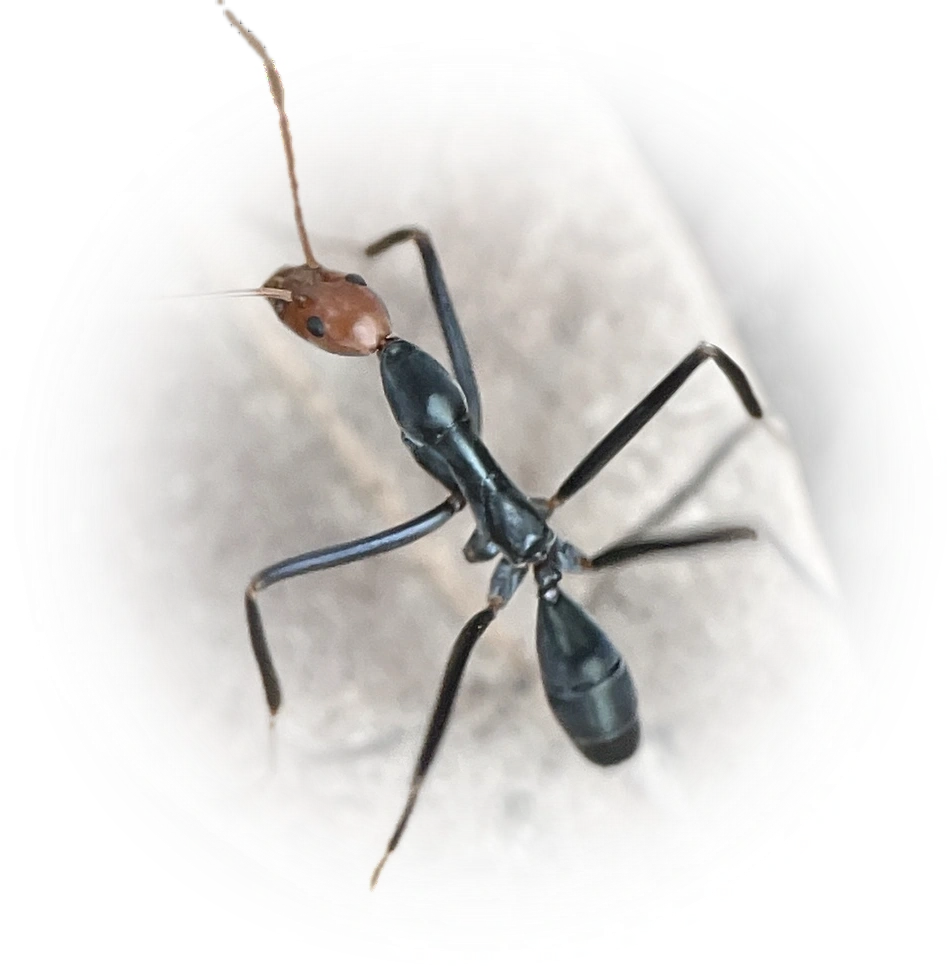

Leptomyrmex erythrocephalus
- Scientific Name
- Leptomyrmex erythrocephalus
- Tribe
- Leptomyrmecini
- Subfamily
- Dolichoderinae
- Author
- Fabricius, 1775
- Common Name
- Red-headed Spider Ant
- Distribution
- Found in 1 countries
Leptomyrmex erythrocephalus Overview
Leptomyrmex erythrocephalus (commonly known as the Red-headed Spider Ant) is an ant species of the genus Leptomyrmex. It is primarily documented in 1 countries , including Australia. Detailed taxonomic data and occurrence records can be further explored via authoritative databases such as AntWeb or the Global Biodiversity Information Facility (GBIF).
Leptomyrmex erythrocephalus - "Red-headed Spider Ant"
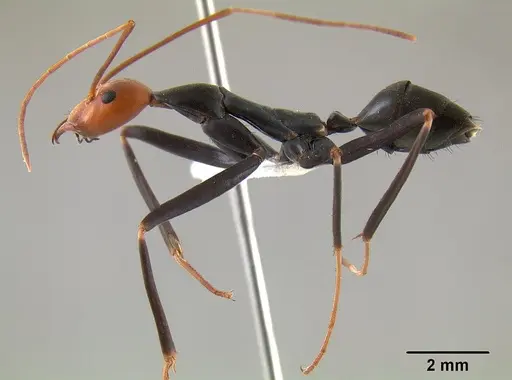
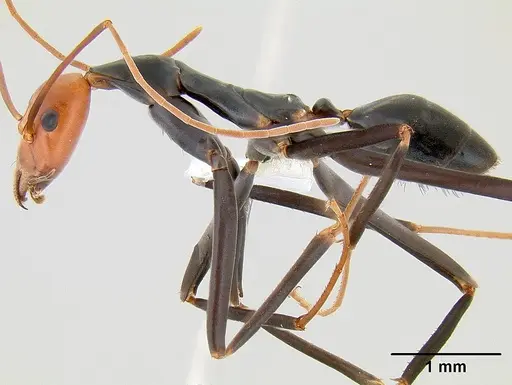
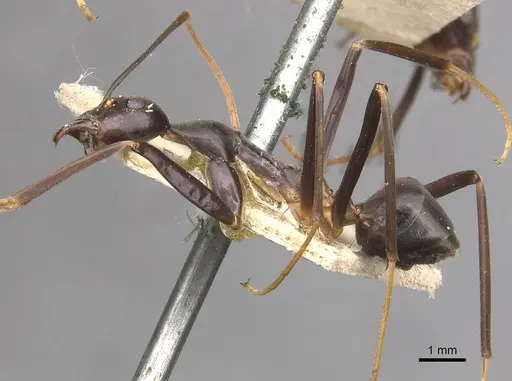
Leptomyrmex erythrocephalus is a striking Australian ant known for its extremely elongated body and legs, giving it a spider-like appearance. Workers are relatively large for a Dolichoderine ant, measuring 4.2-4.6mm in body length with a distinctive color pattern: a black body contrasted by a reddish-brown head, antennae, and tarsi [1]. This species is found throughout eastern Australia, from Victoria through New South Wales to Queensland, inhabiting various forest types including wet sclerophyll, dry sclerophyll, rainforest, and beach scrub [1][2]. What makes this species particularly unique is its ergatoid queen system, unlike most ants, the queens are wingless and worker-like in appearance, only slightly larger than workers [1][2].
Quick Summary
- Difficulty: Medium
- Origin & Habitat: Eastern Australia, found in wet sclerophyll, dry sclerophyll, rainforest, gallery rainforest and beach scrub. Nests in the ground, under rocks, in soil at base of trees and under or in logs [1][2].
- Colony Type: Ergatoid queen system, colonies have wingless, worker-like queens that are slightly larger than workers. This is a unique trait among ants where the queen does not have wings and resembles a large worker [1][3].
- Colony: Monogyne
- Founding: Claustral
- Size & Growth:
- Queen: Ergatoid queens are slightly larger than workers, approximately 4.5-5mm (estimated from worker measurements) [1]
- Worker: Workers measure 4.20-4.64mm in length (WL), with head width 1.31-1.47mm [1]
- Colony: Likely moderate-sized colonies (estimated several hundred workers based on genus patterns)
- Growth: Moderate, based on typical Dolichoderine development patterns
- Development: 6-10 weeks (estimated based on typical Dolichoderine development at warm temperatures) (Development time is estimated from related Dolichoderine species, specific data for L. erythrocephalus is not available)
- Antkeeping:
- Temperature: Keep at 22-26°C. As a species from eastern Australia, they prefer warm conditions but can tolerate cooler temperatures, they are classified as Cold-Climate Specialists in their native habitat [4]. A gentle temperature gradient is recommended.
- Humidity: Moderate humidity around 50-70%. They nest in soil and under rocks in nature, so keep the nest substrate slightly moist but not waterlogged. Provide a water tube for drinking.
- Diapause: Likely requires a mild winter rest period (3-4 months at 10-15°C) based on their Australian temperate distribution and classification as Cold-Climate Specialists [4].
- Nesting: They naturally nest in soil, under rocks, and in rotting logs. In captivity, a naturalistic setup with soil substrate or a Y-tong/plaster nest works well. They prefer tight, enclosed spaces for the colony to feel secure.
- Behavior: These ants are generally docile and non-aggressive. As Dolichoderines, they lack a functional stinger and rely on chemical defense (acetone and other compounds from their cloacal gland) [5]. They are active foragers, likely tending aphids and collecting honeydew in addition to small insects. Their extremely elongated legs give them a distinctive walking style. Escape prevention should be moderate, they are medium-sized ants but active climbers.
- Common Issues: colonies may be slow to establish due to ergatoid queen system, patience is required during founding, winter dormancy is often misunderstood, they need a cool period to trigger proper seasonal cycles, wild-caught colonies may have parasites or diseases that cause colony collapse in captivity, they prefer stable conditions, avoid temperature fluctuations, their elongated legs can get caught in smooth surfaces, provide textured climbing surfaces
Appearance and Identification
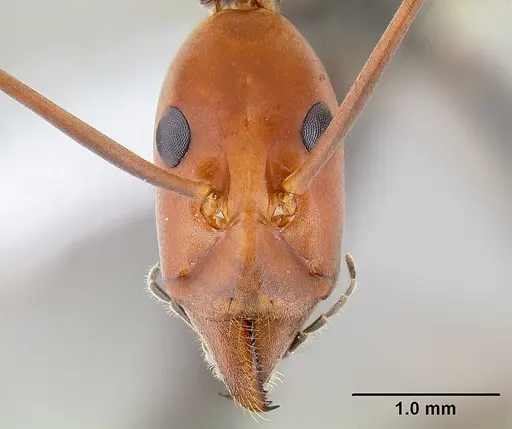
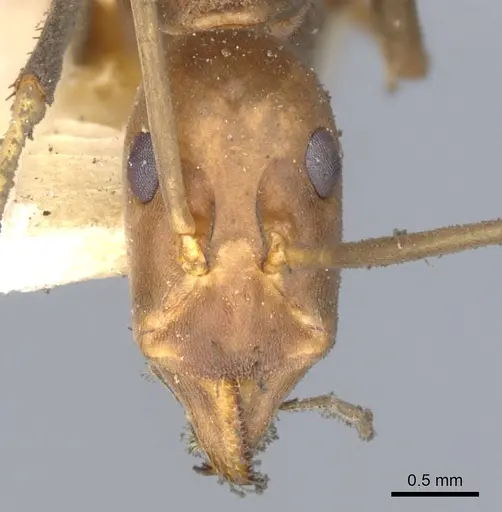
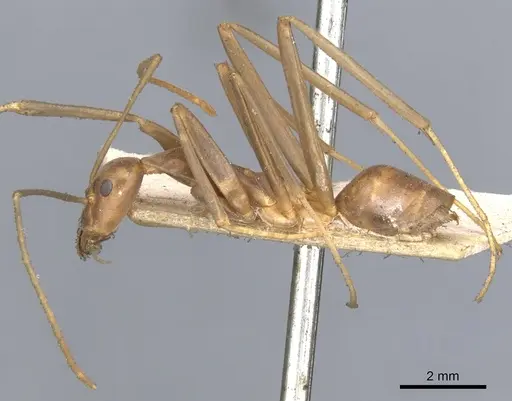
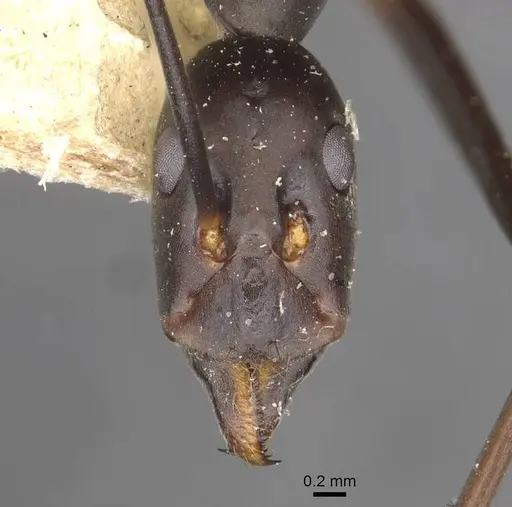
Leptomyrmex erythrocephalus is one of the more recognizable Australian ants due to its extremely elongated body and legs. Workers measure 4.20-4.64mm in length with a narrow, elongated head (head width 1.31-1.47mm) [1]. The most striking feature is their color pattern: a uniformly black body contrasting sharply with a reddish-brown (rufotestaceous) head, antennae, and tarsi [1][6]. Their legs are exceptionally long, measuring 4.80-5.38mm, which gives them their 'spider ant' common name [1]. The mandibles are falcate (curved and blade-like), which is a distinctive feature of this species [7]. Queens are ergatoid, meaning they are wingless and only slightly larger than workers, making them look like enlarged workers rather than typical winged ant queens [1][2].
Natural History and Distribution
This species is endemic to eastern Australia, ranging from Victoria through New South Wales to Queensland [1]. They inhabit diverse environments including wet sclerophyll forest, dry sclerophyll, rainforest, gallery rainforest, and beach scrub [1][2]. Nests are typically constructed in the ground, under rocks, in soil at the base of trees, and under or inside rotting logs [1][2]. In their Sydney range, they often overlap with the similar-looking Leptomyrmex cnemidatus, but can be distinguished by the number of setae on the clypeus (0-2 in L. erythrocephalus versus 2-4 in L. cnemidatus) and their preference for inland areas more than 100km from the coast [1].
Colony Structure and Reproduction
Leptomyrmex erythrocephalus has a unique colony structure among ants, they have ergatoid queens. Unlike typical ant queens that have wings and conduct nuptial flights, these queens are completely wingless and resemble large workers [1][3]. This is a derived trait within the genus Leptomyrmex, which belongs to the tribe Leptomyrmecini [8][3]. The ergatoid queens are slightly larger than workers and can reproduce within the colony. This system means colonies are typically monogyne (single queen), though the exact colony size in the wild is not well documented. Based on related species, colonies likely reach several hundred workers.
Housing and Nesting
In captivity, Leptomyrmex erythrocephalus does well in naturalistic setups that mimic their natural nesting preferences. They nest in soil and under rocks in the wild, so a setup with a soil substrate or a Y-tong/plaster nest with moist substrate works well [1]. Provide pieces of flat stone or bark on top of the substrate to give them natural cover. They prefer tight, enclosed spaces for their nest chamber. The outworld should include climbing surfaces since they are active foragers with long legs. A water tube should always be available for drinking. Escape prevention is important but not as critical as for tiny ants, standard formicarium barriers work well.
Feeding and Diet
As Dolichoderine ants, Leptomyrmex erythrocephalus likely has a typical diet of honeydew from aphids and scale insects, plus small insects and arthropods [9]. In captivity, offer a varied diet including sugar water or honey regularly, plus protein sources like small crickets, mealworms, or other small insects. They are active foragers, so food should be offered every 2-3 days. Remove uneaten prey after 24 hours to prevent mold. Their elongated mandibles suggest they may be effective predators on small soft-bodied prey [7].
Temperature and Seasonal Care
Keep these ants at 22-26°C for optimal activity and brood development. They are classified as Cold-Climate Specialists in their native Australian habitat [4], which means they can tolerate cooler temperatures better than many tropical species. However, they still prefer warm conditions. During winter (roughly 3-4 months), reduce temperatures to 10-15°C to allow for proper dormancy, this mimics their natural seasonal cycle in temperate eastern Australia. Do not feed during the dormant period but keep water available. Resume normal feeding and warming in spring.
Behavior and Temperament
Leptomyrmex erythrocephalus is generally a docile species. As Dolichoderines, they lack a functional stinger and instead rely on chemical defense from their cloacal gland, they can release defensive compounds when threatened [5]. They are active foragers, both on the ground and in vegetation, using their long legs to move quickly. Their extremely elongated morphology gives them a distinctive, somewhat spider-like appearance when moving. They are not aggressive toward keepers and rarely bite. Their long legs can sometimes get caught on smooth surfaces, so providing textured climbing structures helps. They are moderately good climbers but standard escape prevention measures are usually sufficient.
Frequently Asked Questions
How long does it take for Leptomyrmex erythrocephalus to have first workers?
Based on typical Dolichoderine development, expect first workers (nanitics) in approximately 6-10 weeks after the queen lays her first eggs. This is an estimate since specific development data for this species is not available. The ergatoid queen system may affect development timing.
What do Leptomyrmex erythrocephalus eat?
They likely feed on honeydew from aphids and scale insects in the wild, plus small insects and arthropods. In captivity, offer sugar water or honey regularly, along with small insects like crickets, mealworms, or fruit flies as protein sources.
Can I keep multiple Leptomyrmex erythrocephalus queens together?
This species has an ergatoid queen system with single queens per colony. Combining unrelated queens is not recommended as it has not been documented and would likely result in fighting. Wild colonies appear to have single reproductive queens.
Do Leptomyrmex erythrocephalus need hibernation?
Yes, they likely require a winter rest period of 3-4 months. As ants from temperate eastern Australia, they benefit from a cool period (10-15°C) during winter to trigger proper seasonal cycles. Reduce feeding and keep them in a cool location during this time.
Are Leptomyrmex erythrocephalus good for beginners?
They are rated as medium difficulty. They are more challenging than common species like Lasius because they have specific temperature requirements and need a winter dormancy period. Their unique ergatoid queen system also means founding colonies may take longer to establish.
What size colony do Leptomyrmex erythrocephalus reach?
Based on related species, colonies likely reach several hundred workers. Specific colony size data is not available for this species. They are considered moderate-sized colonies for the genus.
When should I move Leptomyrmex erythrocephalus to a formicarium?
Wait until the colony has at least 20-30 workers before moving to a formicarium. They do well in naturalistic setups from the start, but if using a test tube setup, transition once the colony is established. They prefer nests with soil substrate.
Why is my Leptomyrmex erythrocephalus colony dying?
Common causes include: incorrect temperature (too cold or too hot), improper humidity (too dry or waterlogged), lack of winter dormancy, parasites from wild-caught colonies, or poor nutrition. Ensure they have proper conditions and varied diet. Wild-caught colonies often carry parasites that can cause collapse.
References

This caresheet is licensed under CC BY-SA 4.0 .
CASENT0011746
View on AntWeb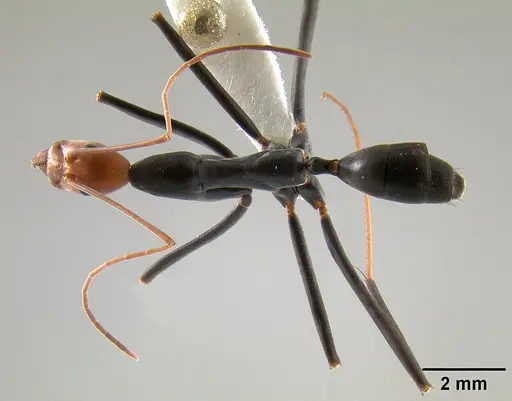
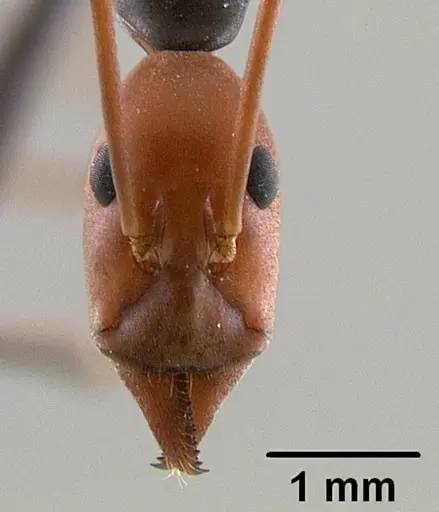
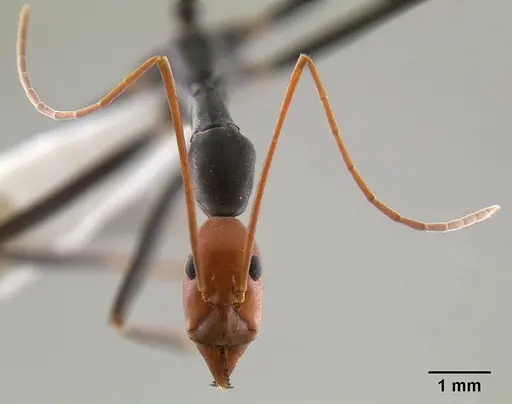
CASENT0011765
View on AntWeb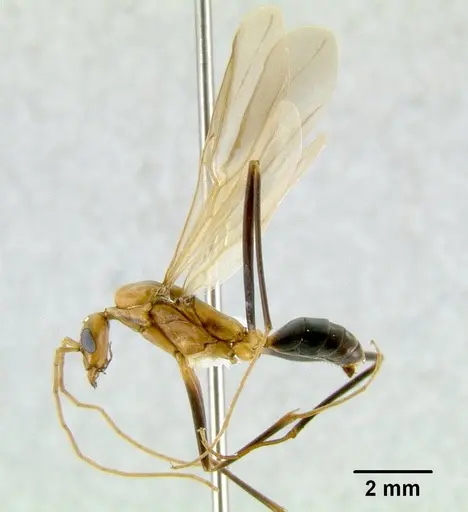
CASENT0106077
View on AntWeb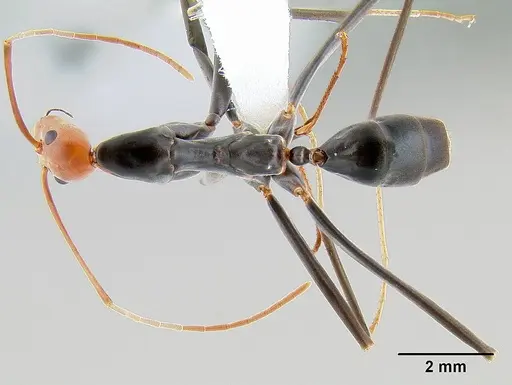
CASENT0902940
View on AntWeb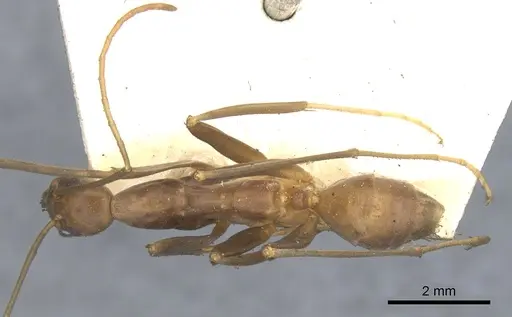
CASENT0909492
View on AntWeb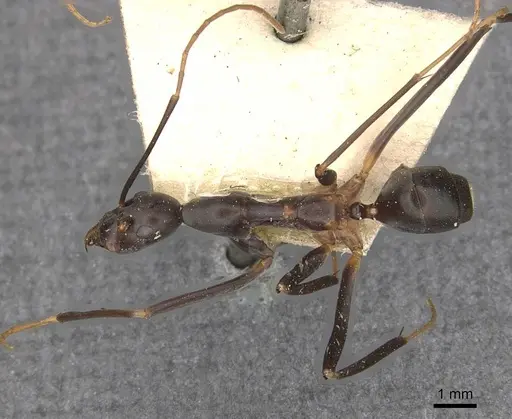
Literature
Loading...Loading products...