

Leptogenys yerburyi
- Scientific Name
- Leptogenys yerburyi
- Tribe
- Ponerini
- Subfamily
- Ponerinae
- Author
- Forel, 1900
- Distribution
- Found in 1 countries
Leptogenys yerburyi Overview
Leptogenys yerburyi is an ant species of the genus Leptogenys. It is primarily documented in 1 countries , including India. Detailed taxonomic data and occurrence records can be further explored via authoritative databases such as AntWeb or the Global Biodiversity Information Facility (GBIF).
Leptogenys yerburyi
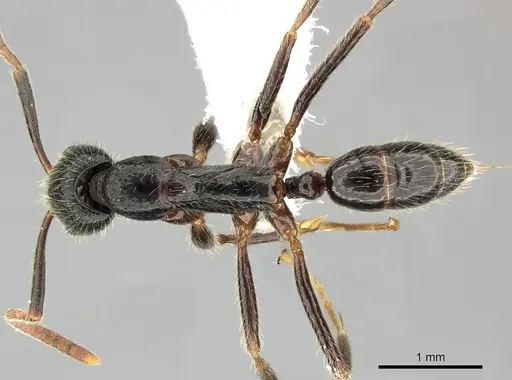
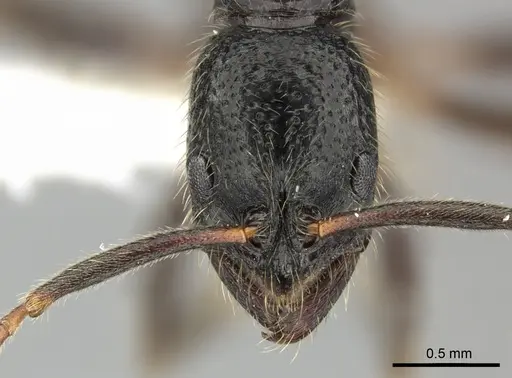
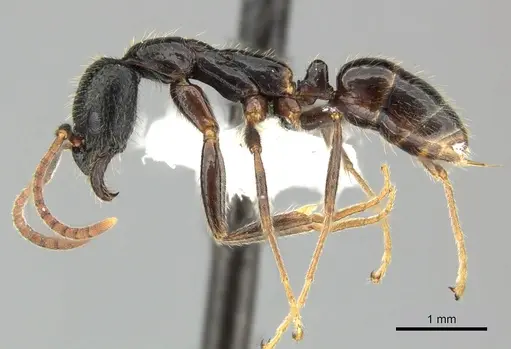
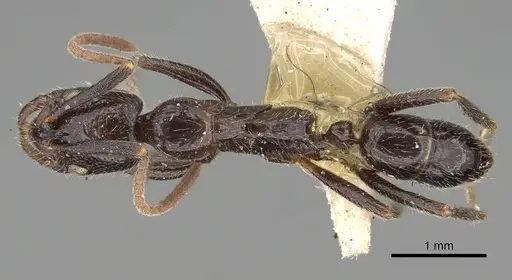
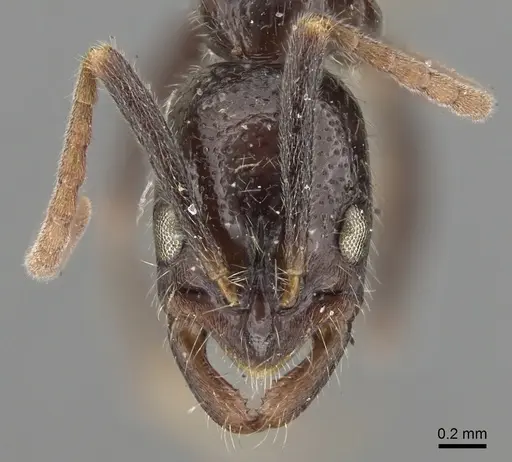
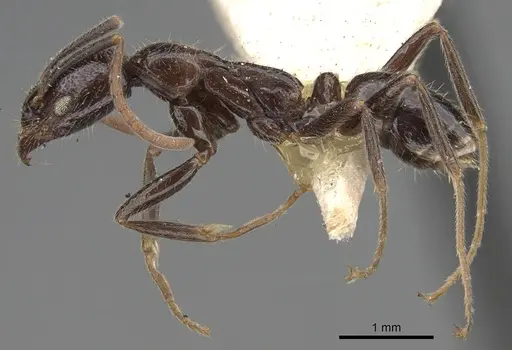
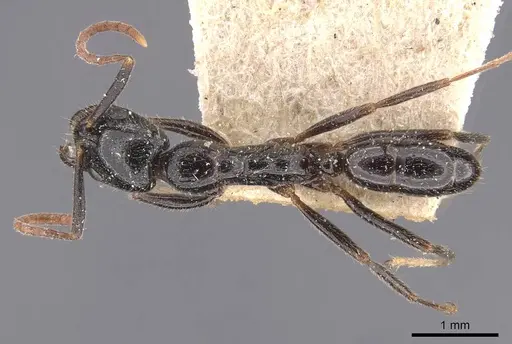
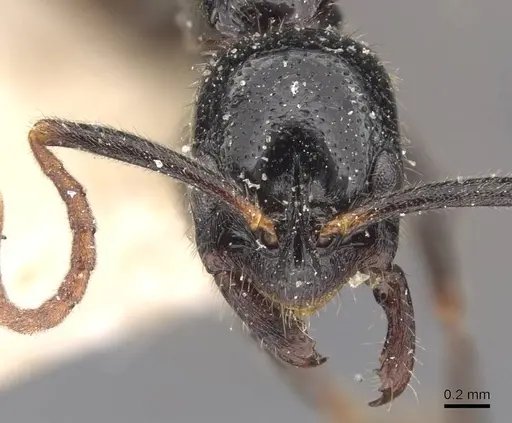
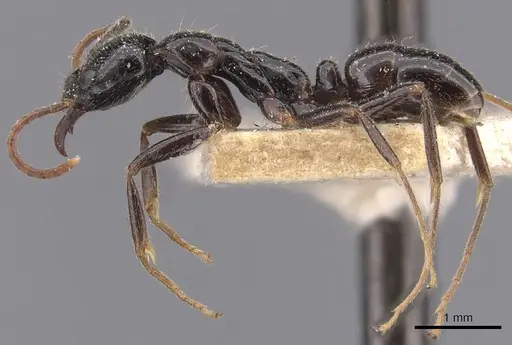
Leptogenys yerburyi is a small predatory ant belonging to the Ponerinae subfamily. Workers measure 4.4-4.7mm and have a distinctive black coloration with abundant erect hairs covering their bodies, including the legs and antennae [1]. The head is rectangular and elongated, with relatively long antennae that extend well beyond the back of the head [2]. This species is native to South Asia, specifically found in Sri Lanka, Karnataka, and Kerala, India [2].
This ant is a habitat specialist that lives exclusively in primary forest environments. Research shows it occupies only three regions in primary forest and is completely absent from secondary forest or rubber plantations [3]. This makes it one of the more specialized ants in the Leptogenys genus, which are known for their predatory hunting behavior using stingers.
Quick Summary
- Difficulty: Medium
- Origin & Habitat: Native to Sri Lanka, Karnataka (India), and Kerala (India). Found exclusively in primary forest habitats, never in secondary forest or human-modified areas [3][2].
- Colony Type: Colony structure is unconfirmed. The genus Leptogenys typically forms small to medium colonies with single queens, though this specific species has not been studied in detail.
- Size & Growth:
- Antkeeping:
- Temperature: Based on its primary forest habitat in Sri Lanka and southern India, aim for warm conditions around 24-28°C. Avoid temperatures below 20°C. A heating cable on one side of the nest creates a suitable gradient.
- Humidity: Primary forest species require high humidity. Keep nest substrate consistently moist but not waterlogged. Provide a gradient with slightly drier areas for the ants to choose. Mist or rehydrate based on substrate moisture, not a fixed schedule.
- Diapause: Unknown, no specific data on overwintering requirements. The tropical origin suggests year-round activity is appropriate, though a slight reduction in temperature during winter months may be beneficial.
- Nesting: In nature they likely nest in soil or rotting wood within the forest floor. In captivity, a Y-tong (AAC) nest or plaster nest works well. Keep the nest chambers tight and appropriately scaled to their 4-4.5mm worker size. Provide connections to a moist outworld for foraging.
- Behavior: Leptogenys ants are predatory and use their stingers to subdue prey. They are typically active foragers that hunt individually or in small groups. Workers are moderately aggressive when defending the colony. Their small size (under 5mm) means escape prevention should be taken seriously, use fine mesh barriers and tight-fitting lids. They are likely more active during warmer periods and may reduce activity in cooler conditions.
- Common Issues: escape prevention is critical, their small size allows them to squeeze through standard gaps, wild-caught colonies may have parasites that can decimate the colony in captivity, specialized habitat requirements mean they may struggle in suboptimal conditions, predatory diet makes feeding more challenging than sugar-feeding species, high humidity needs can lead to mold problems if ventilation is inadequate
Housing and Nest Setup
Leptogenys yerburyi requires a setup that recreates the humid conditions of primary forest floor. A Y-tong (AAC) nest or plaster nest works well, both hold moisture consistently and allow you to monitor the colony. The nest chambers should be appropriately scaled to their small 4-4.5mm worker size, with narrow passages that make the ants feel secure. Connect the nest to an outworld that has some moisture but is not flooded. Use a water test tube with a cotton plug as a humidity source inside the nest area. Escape prevention is essential, these tiny ants can slip through surprisingly small gaps. Apply fluon or use fine mesh on all openings.
Feeding and Diet
As a Ponerinae ant, Leptogenys yerburyi is predatory and needs a protein-rich diet. Offer small live prey such as fruit flies, small crickets, mealworms, or other insects appropriate to their size. They will likely accept dead prey as well, especially if it is freshly killed. Unlike many ants, they are not highly attracted to sugar sources, though you can occasionally offer a drop of honey or sugar water to see if they accept it. Feed protein prey 2-3 times per week, removing any uneaten prey after 24-48 hours to prevent mold. The key is consistent protein availability for brood development.
Temperature and Humidity
This species comes from tropical primary forests in Sri Lanka and southern India, so warmth and humidity are essential. Keep the nest area at 24-28°C, a heating cable on one side of the nest creates a temperature gradient that lets the ants choose their preferred zone. Never let temperatures drop below 20°C for extended periods. For humidity, maintain consistently moist nest substrate, it should feel damp but not have standing water. The outworld can be slightly drier. Poor humidity leads to failed broods and colony decline. Monitor condensation levels as a guide, some condensation should be present but not excessive.
Behavior and Foraging
Leptogenys ants are active hunters that use their stingers to subdue prey. Workers forage individually or in small groups, searching for insects and other small invertebrates. They are not aggressive toward humans but will sting if threatened or if you handle them roughly. Their sting is not dangerous to healthy humans but can be painful. The workers are relatively small at 4.4-4.7mm, so observe them carefully to appreciate their hunting behavior. They are most active when warm and well-fed, with brood development driving increased foraging activity.
Colony Development
The colony starts with a claustral queen who seals herself in a chamber and raises the first workers alone on stored body reserves. Once the first workers (nanitics) emerge, the colony begins growing. The exact development timeline is unknown for this species, but based on typical Ponerinae patterns, expect 6-10 weeks from egg to first worker at optimal temperature. Growth rate is likely moderate, these are not fast-growing ants like some Formicinae. Colonies probably remain relatively small, likely under a few hundred workers. Patience is key with this species, as their specialized habitat requirements and predatory diet mean they develop more slowly than many common ant pets.
Frequently Asked Questions
How long does it take for Leptogenys yerburyi to produce first workers?
The exact timeline is unconfirmed for this species. Based on typical Ponerinae development patterns, expect 6-10 weeks from egg to first worker at optimal temperature (around 26°C). The queen seals herself in during founding and raises the first brood alone.
What do Leptogenys yerburyi ants eat?
They are predatory ants that need protein-rich food. Feed small live insects like fruit flies, small crickets, or mealworms. They may accept dead prey as well. Sugar sources like honey water are likely not a primary food source but can be offered occasionally.
Can I keep Leptogenys yerburyi in a test tube setup?
A test tube can work for a founding queen, but for a growing colony you will need a proper nest. A Y-tong (AAC) or plaster nest with moisture retention is best. They need high humidity that test tubes provide well, but also need an outworld for foraging.
Are Leptogenys yerburyi good for beginners?
This species is rated as Medium difficulty. While not the easiest ant, experienced beginners can succeed with it. The main challenges are providing the right humidity, feeding live prey consistently, and preventing escapes due to their small size. They are not recommended as a first ant.
What temperature do Leptogenys yerburyi need?
Keep them warm at 24-28°C. A heating cable on one side of the nest creates a gradient. Avoid temperatures below 20°C. Their tropical origin from Sri Lanka and southern India means they need consistent warmth year-round.
How big do Leptogenys yerburyi colonies get?
The maximum colony size is unknown but likely remains small to moderate, probably under 500 workers based on typical Leptogenys colony sizes. They are not supercolony-forming ants.
Do Leptogenys yerburyi need hibernation?
Hibernation is not required due to their tropical origin. They can remain active year-round with consistent warmth. Some reduction in activity during cooler winter months may occur naturally, but active heating is recommended for best colony development.
Why are my Leptogenys yerburyi dying?
Common causes include: low humidity (they need consistently moist conditions), temperatures below 20°C, insufficient protein in their diet, escapes due to inadequate barrier protection, or parasites from wild-caught colonies. Check all husbandry parameters and ensure you are providing appropriate live prey regularly.
Can I keep multiple Leptogenys yerburyi queens together?
This has not been documented for this species. Based on typical Leptogenys behavior, single-queen colonies are most likely. Combining unrelated queens is not recommended as it may result in fighting.
When should I move Leptogenys yerburyi to a formicarium?
Move them when the colony reaches 20-30 workers and the test tube setup becomes cramped. Ensure the new nest maintains high humidity and has appropriately sized chambers. They can be moved once established with at least one generation of workers.
Is Leptogenys yerburyi invasive anywhere?
No. This species is native only to Sri Lanka, Karnataka, and Kerala, India. There are no documented introductions to other regions, and it is not considered invasive.
References

This caresheet is licensed under CC BY-SA 4.0 .
Literature
Loading...Loading products...