

Leptogenys wheeleri
- Scientific Name
- Leptogenys wheeleri
- Tribe
- Ponerini
- Subfamily
- Ponerinae
- Author
- Forel, 1901
- Distribution
- Found in 2 countries
Leptogenys wheeleri Overview
Leptogenys wheeleri is an ant species of the genus Leptogenys. It is primarily documented in 2 countries , including Brazil, Mexico. Detailed taxonomic data and occurrence records can be further explored via authoritative databases such as AntWeb or the Global Biodiversity Information Facility (GBIF).
Leptogenys wheeleri
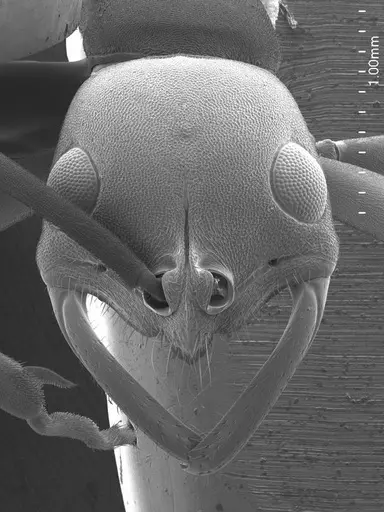
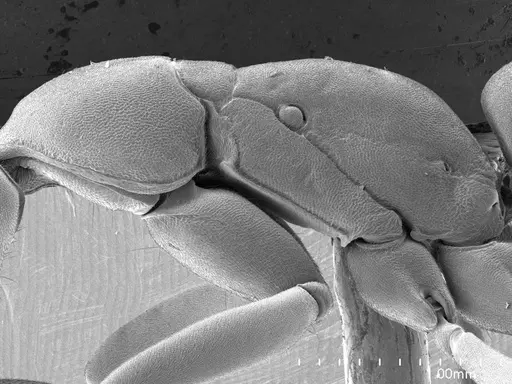
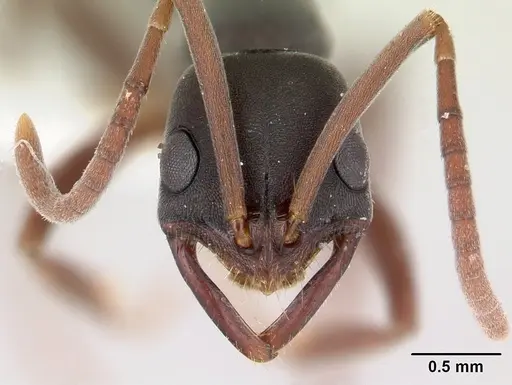
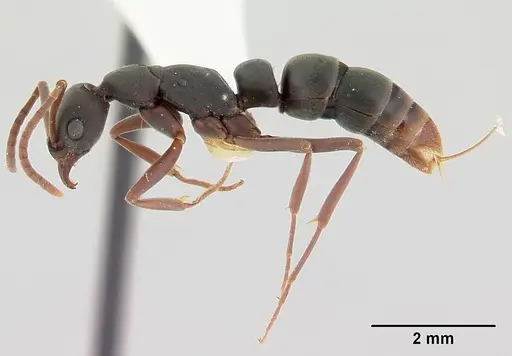
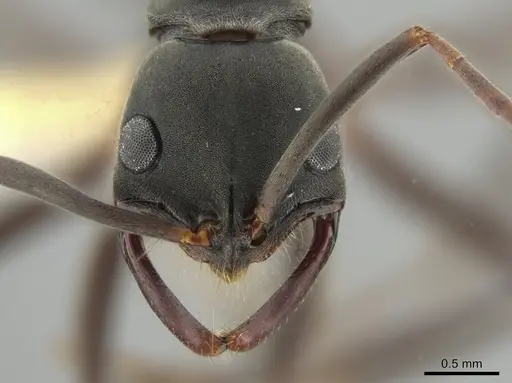
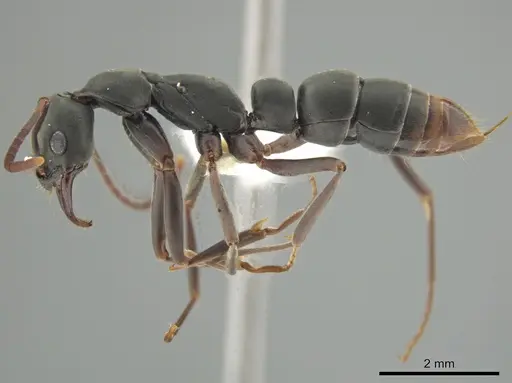
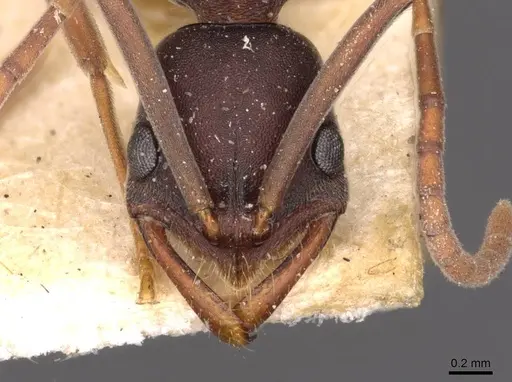
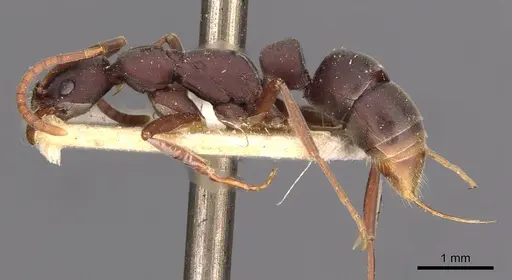
Leptogenys wheeleri is a small Neotropical ponerine ant found across Mexico and Panama. Workers measure 1.28-1.62mm with a distinctive grey-brown to light brown body and dense punctulate sculpture that gives their cuticle a shagreened appearance. They have large eyes occupying about one-third of their head length, and slender, arched mandibles. These ants are specialized predators that hunt terrestrial isopods (woodlice), and researchers suspect they may use chemical signals to attract their prey directly into the nest [1]. In the wild, colonies nest in the bromeliad Aechmea bracteata and in evergreen forests, typically in humid, shaded microhabitats [2].
What makes L. wheeleri particularly interesting is their specialized predatory behavior. Unlike many ants that hunt individually, they use a combination of solitary foraging and group recruitment to capture isopods [3]. This hunting strategy is relatively rare among ants and makes them a fascinating species to observe. Their association with bromeliads also makes them a unique option for keepers interested in naturalistic setups.
Quick Summary
- Difficulty: Medium
- Origin & Habitat: Mexico (Morelos, Veracruz) to Panama, Neotropical region. Found in evergreen forest and associated with bromeliad plants (Aechmea bracteata) in tropical areas [2][4].
- Colony Type: Colony structure is unconfirmed. Based on typical Leptogenys patterns, likely single-queen colonies with possible ergatoid replacement reproductives.
- Size & Growth:
- Queen: Approximately 11mm
- Worker: 1.28-1.62mm
- Colony: Unknown, likely small to moderate based on related species
- Growth: Unknown, likely moderate
- Development: Estimated 6-10 weeks based on typical Ponerine development (Development time is estimated from related Ponerine species, specific data for L. wheeleri is not available)
- Antkeeping:
- Temperature: Keep around 24-28°C, they are a tropical species requiring warm conditions. A gentle gradient allowing them to self-regulate is ideal.
- Humidity: High humidity required, think tropical forest floor. Keep substrate consistently moist but not waterlogged. Bromeliad association suggests they prefer humid, shaded conditions [2].
- Diapause: No, as a tropical species, they do not require hibernation. Keep temperatures stable year-round.
- Nesting: Prefers humid nest conditions. A Y-tong or plaster nest works well, or a naturalistic setup with moss/live plants that retain moisture. They naturally nest in bromeliads and rotting wood [2].
- Behavior: These ants are predatory and relatively active foragers. They hunt isopods using a combination of solitary searching and group recruitment, when one ant finds prey, it can recruit nestmates to help subdue it [3]. Workers are not particularly aggressive toward humans but will defend the nest. They are small but fast-moving. Escape prevention should be good due to their small size, use standard barriers.
- Common Issues: tropical humidity requirements mean mold can be a problem if ventilation is poor, specialized diet on isopods may be difficult to maintain, live woodlice are their natural prey, small colony sizes mean losses have bigger impact, wild-caught colonies may have parasites that affect survival in captivity
Housing and Nest Setup
Leptogenys wheeleri does well in a variety of captive setups. A Y-tong (acrylic) nest or plaster nest works well because these materials hold humidity consistently. Given their natural association with bromeliads, a naturalistic terrarium setup with live moss, leaf litter, and small plants can also work beautifully and encourages natural behaviors. The key is maintaining high humidity without stagnation. Use a water reservoir or mist regularly, but ensure some ventilation to prevent mold. The nest chamber should be relatively small to start, these ants don't need large spaces. A test tube setup can work for founding colonies if humidity is maintained in a separate container. [2]
Feeding and Diet
This is the most critical aspect of keeping L. wheeleri successfully. They are specialized isopod predators in the wild [1][3], meaning their primary food source is live terrestrial isopods (woodlice). You'll need a reliable source of small isopods, these can be collected from gardens, under logs, or purchased from pet suppliers. Offer isopods regularly, especially for established colonies. Beyond isopods, they may accept other small arthropods like springtails, fruit flies, or small crickets as supplementary protein. Sugar sources are unlikely to be accepted, this is a predatory species, not a honeydew feeder. Feed every 2-3 days for established colonies, removing uneaten prey after 24 hours.
Temperature and Humidity
As a Neotropical species from Mexico and Panama, L. wheeleri needs warm, humid conditions. Keep the nest area at 24-28°C, this is ideal for tropical ants. A small heating cable on one side of the nest can create a gradient, but ensure the warm side doesn't dry out the nest. Humidity is crucial, aim for 70-85% relative humidity. The substrate should feel consistently moist but never waterlogged. If using a test tube setup, keep the water section adequate but not excessive to prevent flooding. Monitor for condensation, some condensation is good, but excessive dripping can drown colonies. A hygrometer helps monitor conditions accurately. [2]
Behavior and Observation
Watching L. wheeleri hunt is the highlight of keeping this species. They use a combination of solitary foraging and group recruitment [3]. Workers search alone for isopods, and when one finds prey, it releases chemical signals to recruit nearby nestmates. Several workers then work together to subdue the much larger isopod prey, this group hunting behavior is fascinating to observe. Workers are relatively fast and active, patrolling the outworld regularly. They are not aggressive toward keepers and rarely bite. Their small size makes them escape-prone in poorly sealed setups, apply fluon or use fine mesh on any openings. Colonies are likely small even when established, so enjoy the intimate view of a close-knit group.
Colony Development
Little specific data exists on the development timeline of L. wheeleri. Based on typical Ponerine ant development, expect 6-10 weeks from egg to first worker at optimal temperature (around 26°C). Queens are approximately 11mm, slightly smaller than many Ponerine species. The first workers (nanitics) will likely be smaller than normal workers. Growth rate is likely moderate, not the fastest but not painfully slow either. Colony size at maturity is unknown but likely stays under a few hundred workers based on related Leptogenys species. Patience is key with this species, don't expect rapid exponential growth. Focus on maintaining stable conditions and proper nutrition.
Seasonal Care
As a tropical species from Mexico and Panama, L. wheeleri does not require hibernation or diapause. Keep temperatures stable year-round, ideally in the 24-28°C range. Avoid temperature drops below 20°C, as this can stress the colony and slow or stop brood development. There is no seasonal slowdown in activity if conditions remain warm and humid. This makes them a good year-round project, you'll see consistent activity throughout the year rather than the winter dormancy seen with temperate species. Just maintain the same care routine regardless of season. [2]
Frequently Asked Questions
What do Leptogenys wheeleri ants eat?
They are specialized predators on terrestrial isopods (woodlice). This is their primary food source in the wild. You can collect isopods from gardens or under logs, or purchase them. They may also accept other small live prey like springtails or fruit flies as supplements. Sugar sources are unlikely to be accepted, they are strict predators.
How long does it take for Leptogenys wheeleri to produce first workers?
Specific development data is not available for this species, but based on typical Ponerine development, expect 6-10 weeks from egg to first worker at optimal temperature (around 26°C). Be patient, this is not a fast-growing species.
Do Leptogenys wheeleri ants need hibernation?
No. As a tropical species from Mexico and Panama, they do not require hibernation. Keep them warm year-round at 24-28°C with stable humidity.
What size colony do Leptogenys wheeleri colonies reach?
Exact colony size is unknown, but based on related Leptogenys species, they likely remain small to moderate, probably under 500 workers at maturity. Don't expect massive colonies.
Are Leptogenys wheeleri good for beginners?
They are rated as medium difficulty. The main challenge is providing their specialized isopod diet. If you can source live isopods regularly, they can be rewarding. Their humidity and temperature requirements are straightforward for those with some antkeeping experience.
What humidity do Leptogenys wheeleri need?
High humidity, aim for 70-85%. They naturally live in humid tropical forests and bromeliads. Keep the nest substrate consistently moist but not waterlogged. A naturalistic setup with live moss helps maintain humidity.
What temperature should I keep Leptogenys wheeleri at?
Keep them warm at 24-28°C. This is typical for tropical Neotropical species. A gentle gradient allowing self-regulation is ideal, but avoid temperatures below 20°C.
Can I keep multiple Leptogenys wheeleri queens together?
Colony structure is unconfirmed for this species. Combining unrelated queens has not been documented and is not recommended. If you have multiple foundresses, keep them in separate setups until you know their behavior.
What kind of nest should I use for Leptogenys wheeleri?
A Y-tong (acrylic) nest or plaster nest works well. They hold humidity well, which this species needs. A naturalistic terrarium with bromeliads or live moss is also suitable if you can maintain the humidity. Keep chambers appropriately sized for their small worker size (1.3-1.6mm).
Why are my Leptogenys wheeleri dying?
Common causes include: improper humidity (too dry or too wet/stagnant), temperatures below 20°C, lack of appropriate prey (isopods), and stress from disturbance. Check your conditions first. Wild-caught colonies may also carry parasites that affect captive survival.
Where is Leptogenys wheeleri found in the wild?
They range from Mexico (Morelos, Veracruz) through Panama in the Neotropical region. They nest in bromeliads (Aechmea bracteata) and evergreen forests in humid, shaded tropical areas.
References

This caresheet is licensed under CC BY-SA 4.0 .
ANTWEB1008541
View on AntWeb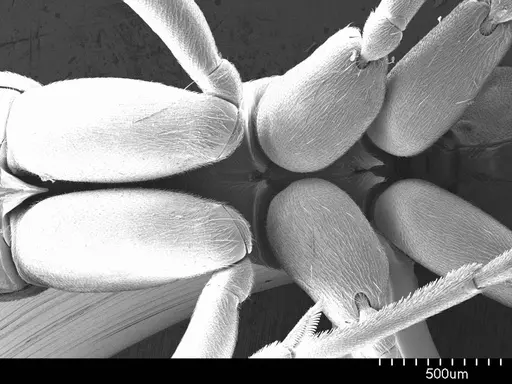
CASENT0178811
View on AntWeb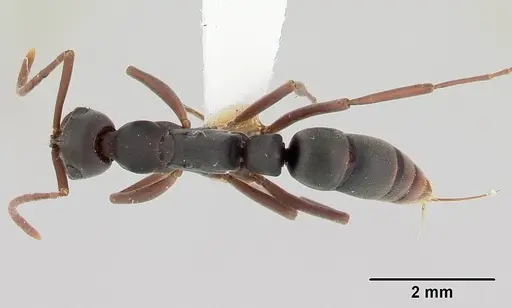
CASENT0640313
View on AntWeb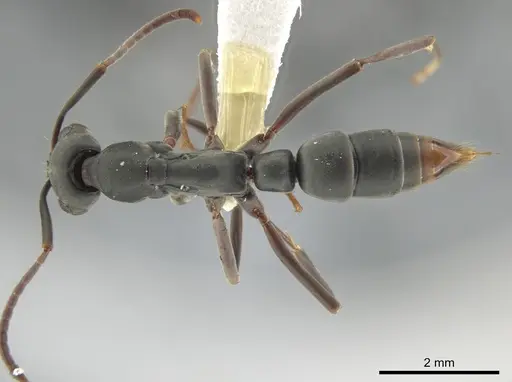
CASENT0907349
View on AntWeb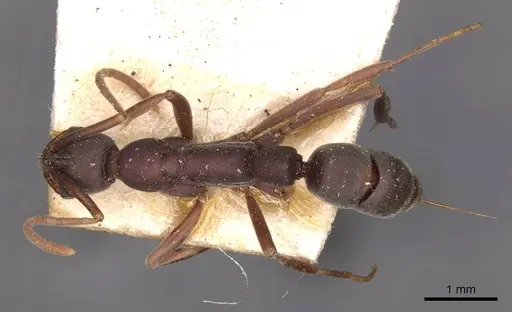
Literature
Loading...Loading products...