

Leptogenys vatovavy
- Scientific Name
- Leptogenys vatovavy
- Tribe
- Ponerini
- Subfamily
- Ponerinae
- Author
- Rakotonirina & Fisher, 2014
- Distribution
- Found in 1 countries
Leptogenys vatovavy Overview
Leptogenys vatovavy is an ant species of the genus Leptogenys. It is primarily documented in 1 countries , including Madagascar. Detailed taxonomic data and occurrence records can be further explored via authoritative databases such as AntWeb or the Global Biodiversity Information Facility (GBIF).
Leptogenys vatovavy
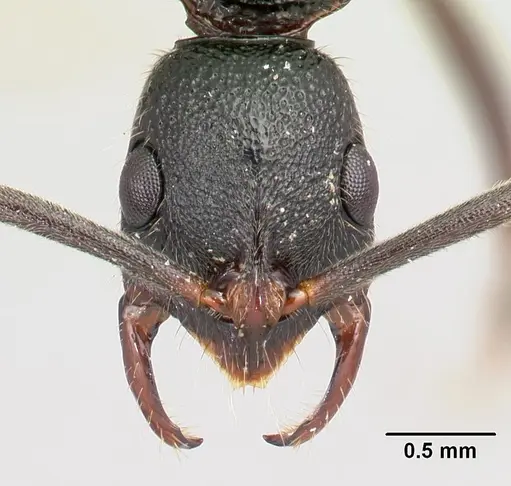
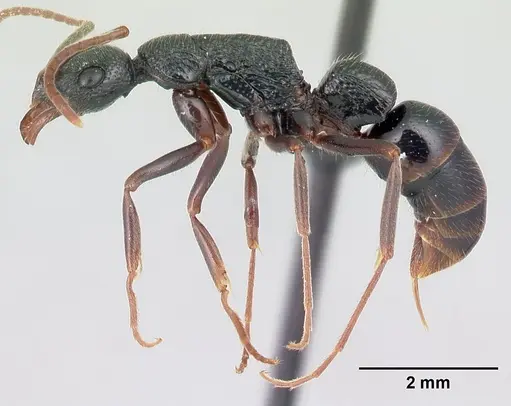
Leptogenys vatovavy is a small Ponerine ant endemic to Madagascar, first described in 2014. Workers measure approximately 1.18mm in head width with a body length around 2.6mm. They have distinctive features including large eyes, short robust mandibles with three teeth, and a uniquely notched petiolar node. The head and mesosoma have coarse reticulate-rugose sculpture. This species belongs to the saussurei species group and was collected from a rotten log in lowland rainforest at 175m elevation in the Fianarantsoa Province. Only a single worker has ever been documented, making this one of the rarest ants in the hobby. The genus Leptogenys is known for their predatory behavior, typically hunting isopods and other small invertebrates.
Quick Summary
- Difficulty: Expert
- Origin & Habitat: Madagascar, lowland rainforest in Fianarantsoa Province, collected from a rotten log at 175m elevation [1]
- Colony Type: Unknown, only a single worker has ever been collected, making colony structure unconfirmed
- Size & Growth:
- Queen: Unknown, no queen has been documented
- Worker: Head width 1.18mm, body length approximately 2.6mm [1]
- Colony: Unknown, only one worker ever collected
- Growth: Unknown, no colony data available
- Development: Unknown, no development data exists for this species (Based on related Leptogenys species, expect 2-4 months at tropical temperatures, but this is an estimate)
- Antkeeping:
- Temperature: Aim for 24-28°C, this matches Madagascar's lowland rainforest conditions. A gentle gradient allows workers to self-regulate.
- Humidity: Keep high, rainforest species. Maintain 70-85% humidity with moist substrate. Provide a water tube for drinking access.
- Diapause: Likely minimal or none, being a tropical species from lowland Madagascar, they probably remain active year-round with perhaps slight slowing during cooler months.
- Nesting: Provide a naturalistic setup with rotting wood or cork bark. A Y-tong or plaster nest with high humidity chambers also works well. They prefer tight, humid spaces.
- Behavior: Behavior is poorly documented, but Leptogenys ants are typically active hunters. Workers are likely fast-moving and predatory, hunting small invertebrates like isopods (their preferred prey in the genus). They probably have a moderate sting though the exact potency for L. vatovavy is unknown. Escape risk is moderate given their small size, use standard barrier precautions. They are likely solitary foragers rather than forming large raiding parties.
- Common Issues: very limited availability, this is one of the rarest ant species in captivity, no established care protocols, keepers must experiment and document their findings, slow growth expected due to limited data and potentially specialized requirements, high humidity needs make mold prevention challenging, wild-caught colonies may have parasites given the single documented specimen was collected from a rotting log
Discovery and Rarity
Leptogenys vatovavy represents one of the most recently described and least-known ant species available in the antkeeping hobby. The entire scientific knowledge of this species comes from a single worker collected in June 2005 from a rotten log in the Vatovavy region of Fianarantsoa Province, Madagascar. This single specimen (holotype) forms the basis of all our knowledge about the species. The species was formally described in 2014 by Rakotonirina and Fisher as part of a comprehensive revision of Malagasy Leptogenys ants. The saussurei species group to which it belongs contains several similar species, but L. vatovavy can be distinguished by its smaller size compared to L. andritantely and the presence of three teeth on the mandible apical margin (versus different tooth counts in related species). [1]
Natural Habitat and Nesting
This species was collected from a rotten log in lowland rainforest at approximately 175 meters elevation. The Vatovavy region in eastern Madagascar features humid tropical forest conditions. In captivity, you should replicate these humid, shaded conditions. Provide a naturalistic setup with pieces of rotting wood, cork bark, or leaf litter material that the ants can nest in. Alternatively, a well-humidified Y-tong or plaster nest works well for Ponerine species. The key is maintaining consistently high humidity without letting the nest become waterlogged. A water tube should always be available for drinking access. [1]
Feeding and Diet
While no specific feeding observations exist for L. vatovavy, the genus Leptogenys is well-known for predatory behavior, particularly targeting isopods (woodlice). In captivity, you should offer small live prey appropriate to their size, small isopods, springtails, fruit flies, and other micro-arthropods make ideal prey items. Some Leptogenys species accept pre-killed prey, but live prey is more likely to trigger hunting behavior. Feed small prey items 2-3 times per week, adjusting based on colony consumption. Remove uneaten prey after 24 hours to prevent mold issues. Sugar sources are not typically accepted by predatory Ponerines, so focus on protein foods. [1]
Temperature and Care
As a lowland rainforest species from tropical Madagascar, L. vatovavy requires warm, humid conditions. Aim for temperatures in the 24-28°C range, which matches their natural habitat. Provide a temperature gradient so workers can self-regulate by moving between warmer and cooler areas of the nest. A heating cable on one side of the nest (placed on top to avoid drying) can help maintain warmth. Since they come from a tropical environment, they likely do not require a true diapause or hibernation period. However, slight reductions in activity during cooler months may occur. Maintain humidity at 70-85%, use moist substrate and consider occasional misting of the outworld, but avoid direct spraying on the nest area. [1]
Colony Structure and Reproduction
Unfortunately, almost nothing is known about the colony structure or reproductive biology of L. vatovavy. The complete absence of queen specimens in any collection means we cannot confirm whether colonies are monogyne (single queen) or polygyne (multiple queens). Similarly, nuptial flight timing, alate production, and founding behavior remain entirely unknown. Based on typical Leptogenys patterns, founding is likely claustral, the queen seals herself in a chamber and raises the first workers on stored fat reserves. However, this is an inference rather than a confirmed fact. Keepers obtaining colonies of this species have an excellent opportunity to document previously unknown behaviors and contribute to scientific knowledge. [1]
Frequently Asked Questions
How rare is Leptogenys vatovavy in the antkeeping hobby?
Extremely rare, this is one of the rarest species available. Only a single worker has ever been documented in scientific literature, making captive colonies exceptionally uncommon. You may need to connect with specialized importers or collectors to obtain a colony.
What do Leptogenys vatovavy ants eat?
Like other Leptogenys species, they are predatory and likely hunt small invertebrates. Offer small live prey like isopods, springtails, fruit flies, and other micro-arthropods. Remove uneaten prey after 24 hours. Sugar sources are unlikely to be accepted.
What temperature and humidity do Leptogenys vatovavy need?
Keep them warm at 24-28°C with high humidity of 70-85%. This matches their lowland rainforest habitat in Madagascar. A temperature gradient allows self-regulation.
How big do Leptogenys vatovavy colonies get?
Unknown, colony size has never been documented. Based on related species, colonies may reach several hundred workers, but this is an estimate.
What is the best nest type for Leptogenys vatovavy?
A naturalistic setup with rotting wood or cork bark works well, replicating their natural nesting in rotten logs. Alternatively, a humidified Y-tong or plaster nest with tight chambers suits their small size and humidity needs.
How long does it take for Leptogenys vatovavy to develop from egg to worker?
Unknown, no development data exists for this species. Based on related Leptogenys species in tropical conditions, expect approximately 2-4 months, but this is purely an estimate.
Are Leptogenys vatovavy good for beginners?
No, this species is rated Expert difficulty due to extremely limited availability, unknown care requirements, and the need to document behaviors that have never been observed in captivity. This species is best suited for experienced keepers who can experiment and share findings.
Can I keep multiple Leptogenys vatovavy queens together?
Unknown, colony structure has not been documented for this species. Without data on natural colony structure, combining unrelated queens is not recommended.
Do Leptogenys vatovavy need hibernation?
Likely no, being a tropical lowland species from Madagascar, they probably remain active year-round with perhaps slight slowing during cooler months. A true diapause is not necessary.
References

This caresheet is licensed under CC BY-SA 4.0 .
CASENT0059729
View on AntWeb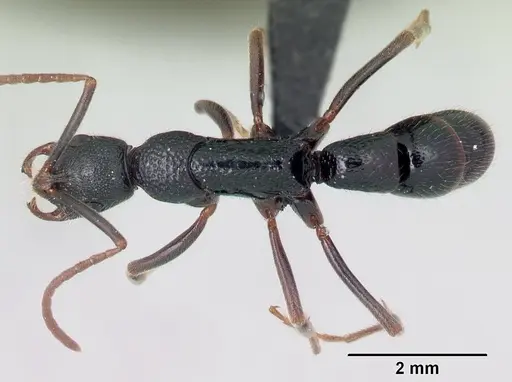
Literature
Loading...Loading products...