

Leptogenys toeraniva
- Scientific Name
- Leptogenys toeraniva
- Tribe
- Ponerini
- Subfamily
- Ponerinae
- Author
- Rakotonirina & Fisher, 2014
- Distribution
- Found in 1 countries
Leptogenys toeraniva Overview
Leptogenys toeraniva is an ant species of the genus Leptogenys. It is primarily documented in 1 countries , including Madagascar. Detailed taxonomic data and occurrence records can be further explored via authoritative databases such as AntWeb or the Global Biodiversity Information Facility (GBIF).
Leptogenys toeraniva
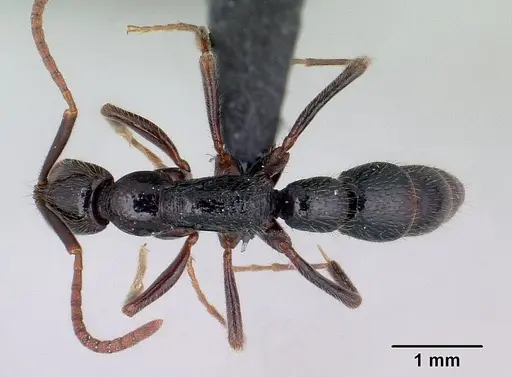
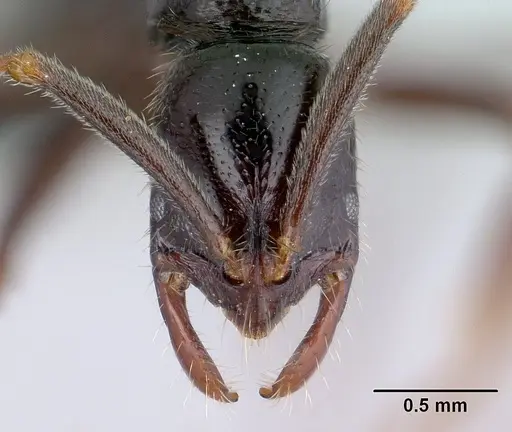
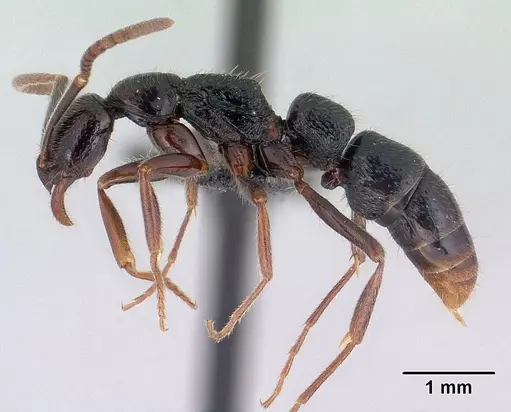
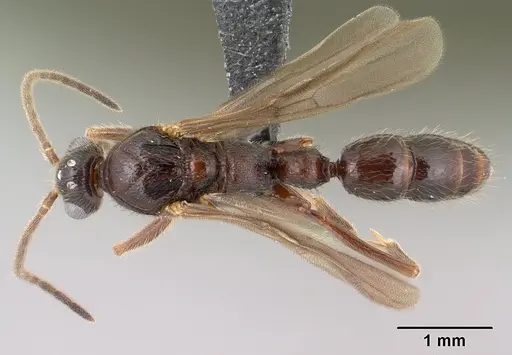
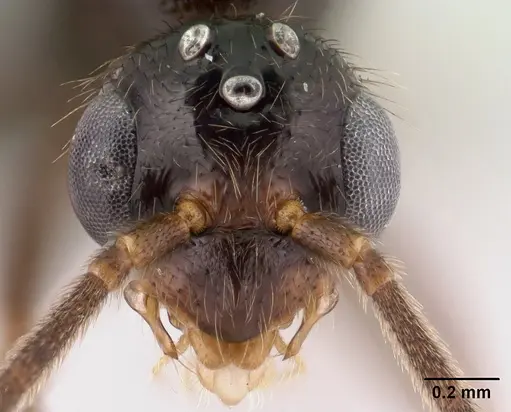
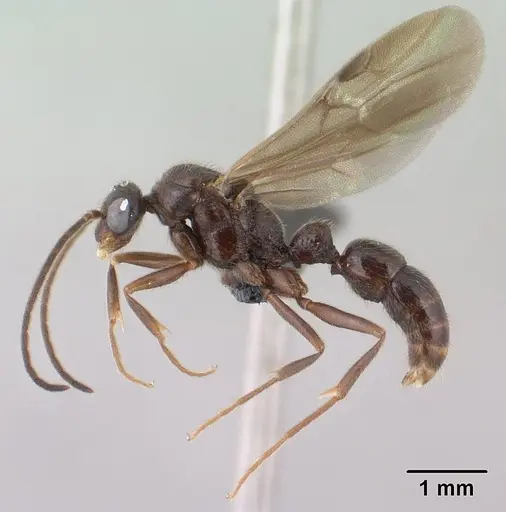
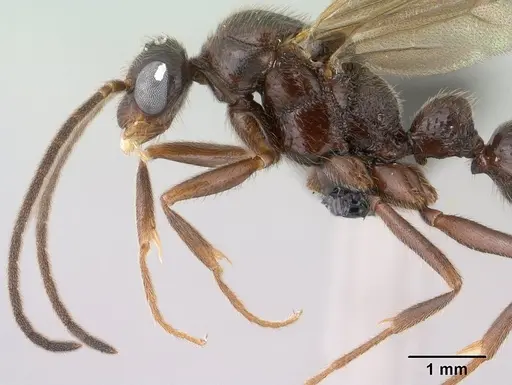
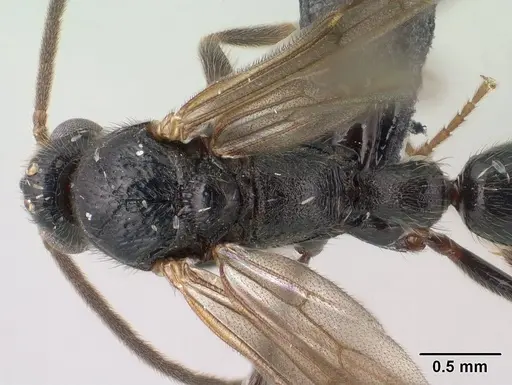
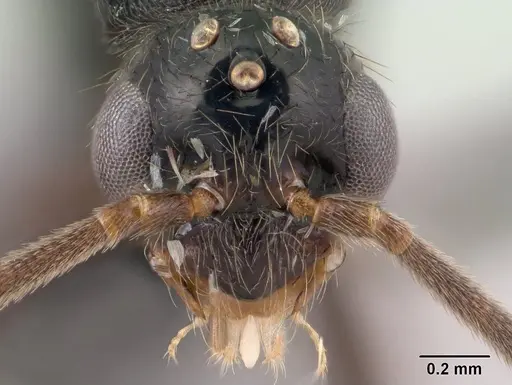
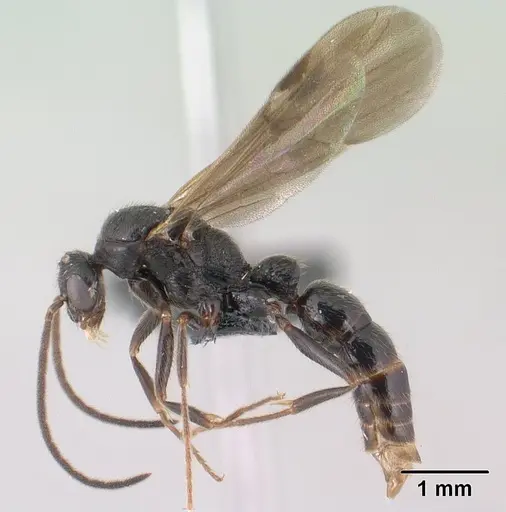
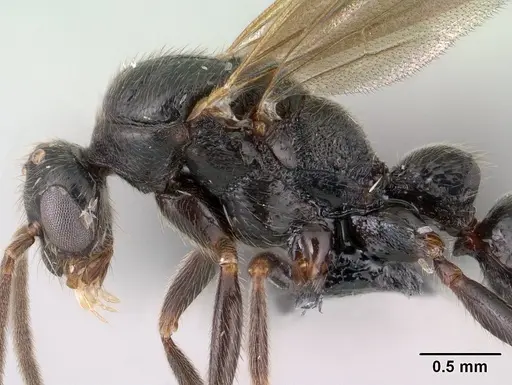
Leptogenys toeraniva is a small ponerine ant endemic to Madagascar, described in 2014. Workers measure 0.85-1.01mm in head width and have a distinctive appearance with small eyes, long antennal scapes, and dark brown coloration with lighter appendages [1]. This species is hypogaeic, meaning it lives and forages primarily under soil layers and within leaf litter, rarely appearing on the forest floor [1][2]. It was discovered in two lowland rainforest locations: RNI Betampona and Makirovana near Sambava on Madagascar's east coast [1].
What makes this species unusual is its extremely cryptic lifestyle, the combination of small eyes, preference for foraging under leaf litter, and rarity in collections strongly suggests it spends most of its life underground [1]. Like other Leptogenys ants, they are predatory hunters, though their exact prey preferences are unknown. This species is part of the toeraniva species group, which is endemic to Madagascar and was revised by Rakotonirina and Fisher in 2014.
Quick Summary
- Difficulty: Medium
- Origin & Habitat: Eastern Madagascar lowland rainforest, specifically RNI Betampona and Makirovana near Sambava. This species lives in humid, shaded forest floor environments and is adapted to life beneath leaf litter and soil layers [1][2].
- Colony Type: Colony structure is unconfirmed. Based on typical Leptogenys patterns, likely monogyne (single queen) colonies. No data on ergatoid replacement reproductives for this species.
- Size & Growth:
- Queen: Undescribed, no queen measurements available. Estimated 6-8mm based on genus patterns.
- Worker: 0.85-1.01mm head width, with antennal scapes reaching 1.16-1.49mm [1]. These are small ants.
- Colony: Unknown, likely small colonies based on hypogaeic lifestyle and rarity. Estimated under 100 workers based on similar cryptic Leptogenys species.
- Growth: Unknown, likely moderate based on genus patterns.
- Development: Unconfirmed. Based on typical Leptogenys development patterns and tropical temperatures, estimated 6-10 weeks at optimal temperature. (No direct development data exists for this species. Estimates based on genus-level patterns for small tropical Ponerines.)
- Antkeeping:
- Temperature: Keep at 22-26°C. As a lowland Madagascar species, they prefer warm, stable conditions. A gentle gradient allowing them to self-regulate is ideal.
- Humidity: High humidity required, think damp forest floor. Keep nest substrate consistently moist but not waterlogged. Provide some drier areas for the ants to choose if needed.
- Diapause: Unknown, as a tropical species from lowland Madagascar, they may not require formal hibernation. However, a slight cooling period during the 'winter' months (roughly 18-20°C for 2-3 months) may benefit the colony.
- Nesting: Naturalistic setup works best, they nest under leaf litter and soil layers in the wild. A Y-tong or plaster nest with moist substrate mimics their natural environment. Provide plenty of hiding spaces and cover.
- Behavior: This is a cryptic, secretive species that avoids light and open spaces. Workers forage primarily under cover of leaf litter and soil, making them less visible than many ants. They are predatory hunters like other Leptogenys, likely hunting small invertebrates. Escape risk is moderate, their small size means they can slip through small gaps, but they are not strong climbers. Handle with care as Ponerine ants can deliver a sting, though this species is too small to penetrate human skin significantly.
- Common Issues: colonies often fail because keepers don't provide enough ground cover and hiding spaces, these ants are adapted to cryptic, covered foraging, overfeeding leads to mold problems in the moist environment they require, small colony size makes them vulnerable to stress, avoid disturbing the nest frequently, temperature fluctuations can be harmful, keep away from drafts and direct sunlight, wild-caught colonies may be difficult to establish due to their specialized hypogaeic lifestyle
Housing and Nest Setup
Leptogenys toeraniva requires a setup that mimics its natural hypogaeic habitat. These ants live under leaf litter and soil layers in Madagascar's rainforests, so a naturalistic terrarium-style setup works better than bare test tubes. Use a moist substrate (like a mix of soil and coco fiber) with plenty of leaf litter on top for cover. A Y-tong or plaster nest can work if connected to a foraging area with deep substrate and hiding spaces.
The key is providing darkness and cover, these ants avoid light and open spaces. Place the nest in a shaded area and provide hiding spots like small stones, pieces of bark, or artificial tunnels. The foraging area should have a thick layer of leaf litter or other ground cover. Keep the substrate consistently moist but not waterlogged, they need the damp conditions of a forest floor but also need some drier areas to regulate their own humidity. [1][2]
Feeding and Diet
Like other Leptogenys species, L. toeraniva is a predatory ant that hunts small invertebrates. In captivity, offer small live prey such as fruit flies, pinhead crickets, small mealworms, and other appropriately-sized insects. Since they are small ants, prey items should be tiny, think springtails, fruit flies, and similar micro-arthropods.
Feed protein prey 2-3 times per week, offering only what the colony can consume within a day or two. Remove uneaten prey to prevent mold in the moist environment. Sugar sources are not typically important for Leptogenys, they are protein-focused predators. Some keepers report success offering occasional honey or sugar water, but this should not be a primary food source. Always ensure fresh water is available, either through a cotton wick in a test tube or moist substrate.
Temperature and Seasonal Care
As a lowland tropical species from eastern Madagascar, Leptogenys toeraniva needs warm, stable temperatures. Aim for 22-26°C in the nest area, with a slight gradient allowing the ants to self-regulate. A heating cable on one side of the nest (placed on top, not underneath to avoid drying) can help maintain warmth during cooler months.
Regarding diapause: this is unclear for this species. Madagascar has mild seasons compared to temperate regions, and as a hypogaeic species living underground, they may experience less seasonal temperature variation. A slight cooling period during the winter months (dropping to roughly 18-20°C for 2-3 months) may be beneficial and mimic natural seasonal cycles, but this is an educated guess rather than documented requirement. Monitor your colony's activity, if they remain active year-round, maintaining stable temperatures is likely fine. [1]
Behavior and Observation
Leptogenys toeraniva is an extremely cryptic species that most keepers will rarely see. Workers forage primarily under cover of leaf litter and soil, avoiding open spaces and light. This makes them a 'watch the nest, not the ants' species, you'll know they're doing well if prey disappears and the colony grows, rather than from observing active foraging.
The species is not aggressive toward keepers but has the typical Ponerine sting. However, at their small size, the sting is unlikely to penetrate human skin significantly. They are not escape artists in the traditional sense, they won't climb smooth surfaces aggressively, but their small size means they can slip through gaps. Use standard barrier methods if needed.
Patience is key with this species. Colonies grow slowly, and the cryptic lifestyle means you won't have the constant activity seen in many other ant species. Success is measured in months and years, not weeks. [1]
Frequently Asked Questions
How long does it take for Leptogenys toeraniva to produce first workers?
The egg-to-worker timeline is unconfirmed for this species. Based on typical Leptogenys development patterns and tropical temperatures, expect roughly 6-10 weeks from egg to first worker. This is an estimate, actual timing may vary.
Can I keep Leptogenys toeraniva in a test tube setup?
A bare test tube is not ideal for this species. They are hypogaeic ants adapted to living under leaf litter and soil layers. A naturalistic setup with moist substrate and ground cover, or a Y-tong connected to a naturalistic foraging area, works much better. Test tubes can work as a founding chamber if connected to a proper foraging area.
What do Leptogenys toeraniva ants eat?
They are predatory ants that hunt small invertebrates. Feed small live prey like fruit flies, pinhead crickets, small mealworms, and similar micro-arthropods. Protein should be the primary food. Sugar sources are optional and not typically important for this genus.
Are Leptogenys toeraniva ants good for beginners?
This species is rated as Medium difficulty. While not the hardest ant to keep, the cryptic lifestyle and specific humidity requirements make it better suited for keepers who understand ant biology. Beginners may struggle with the low visibility and specific setup needs. If you want a rewarding beginner ant, consider more visible species first.
How big do Leptogenys toeraniva colonies get?
Colony size is unknown but likely small, probably under 100 workers. This is typical for hypogaeic species that live cryptic lifestyles. They are not large colony builders like some other ant genera.
What temperature do Leptogenys toeraniva ants need?
Keep them at 22-26°C. As a lowland Madagascar species, they prefer warm, stable conditions. A gentle temperature gradient allows self-regulation. Avoid temperature drops below 20°C except during a potential winter rest period.
Do Leptogenys toeraniva need hibernation?
Diapause requirements are unconfirmed. As a tropical species from lowland Madagascar, they may not need formal hibernation. However, a slight cooling period (18-20°C for 2-3 months during winter) may be beneficial. Monitor your colony's activity and adjust accordingly.
When should I move my colony to a formicarium?
Wait until the colony is established with at least 10-15 workers. For this cryptic species, a naturalistic setup works better than traditional formicariums anyway. Focus on providing proper ground cover and humidity rather than moving to a specific formicarium design.
Why can't I see my Leptogenys toeraniva ants?
This is normal, they are hypogaeic ants that forage under leaf litter and soil, avoiding light and open spaces. You'll know the colony is doing well if prey disappears and the population grows, rather than from observing active workers. This is a 'hidden colony' species by nature.
References

This caresheet is licensed under CC BY-SA 4.0 .
Literature
Loading...Loading products...