

Leptogenys tatsimo
- Scientific Name
- Leptogenys tatsimo
- Tribe
- Ponerini
- Subfamily
- Ponerinae
- Author
- Rakotonirina & Fisher, 2014
- Distribution
- Found in 1 countries
Leptogenys tatsimo Overview
Leptogenys tatsimo is an ant species of the genus Leptogenys. It is primarily documented in 1 countries , including Madagascar. Detailed taxonomic data and occurrence records can be further explored via authoritative databases such as AntWeb or the Global Biodiversity Information Facility (GBIF).
Leptogenys tatsimo
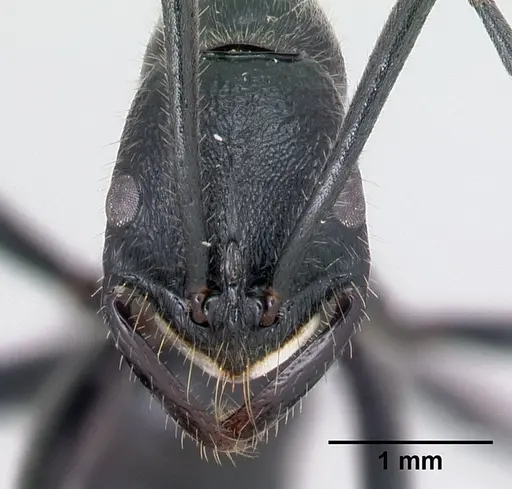
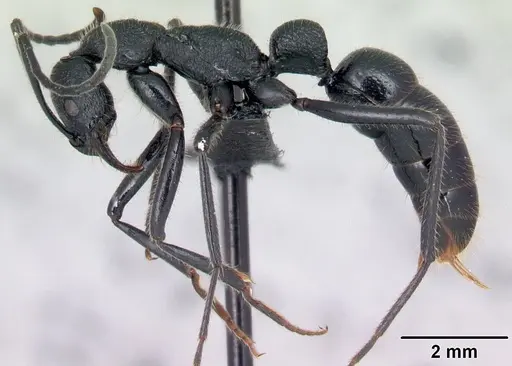
Leptogenys tatsimo is a small predatory ant native to the humid rainforests of southeastern Madagascar. Workers measure about 1.5-1.7mm in head width and feature a distinctive appearance with a long antennal scape extending well beyond the back of the head, broad curved mandibles, and a black body with rusty-brown tips on their legs and abdomen [1]. This species belongs to the imerinensis species complex and is closely related to L. manja, from which it can be distinguished by its broader mandible, conspicuous fringing lamella on the clypeus, and an additional suture on the mesosoma giving the appearance of four segments instead of three [1]. As a Ponerine ant, L. tatsimo is a specialized predator that hunts small invertebrates on the forest floor, making them fascinating but challenging to keep.
Quick Summary
- Difficulty: Medium
- Origin & Habitat: Humid rainforest of southeastern Madagascar, specifically the Grand Lavasoa area near Tolagnaro. The species nests in rotten logs and forages on the forest floor [1][2].
- Colony Type: Colony structure is unconfirmed. Based on typical Leptogenys patterns, these ants likely establish single-queen colonies, though the exact colony type has not been documented in scientific literature.
- Size & Growth:
- Queen: Unconfirmed, queen has not been described in scientific literature
- Worker: 1.53-1.68mm head width (workers are relatively small) [1]
- Colony: Unknown, no colony size data available
- Growth: Unknown, no development data available for this species
- Development: Unconfirmed, no direct development data exists. Based on typical Ponerine patterns, expect 6-10 weeks at optimal temperature, but this is an estimate. (Development timeline has not been directly studied. Ponerine ants typically have slower development than many common keeping species.)
- Antkeeping:
- Temperature: As a tropical rainforest species from southeastern Madagascar, keep them warm at 24-28°C. A gentle gradient allowing slightly cooler areas (around 22°C) is recommended. Room temperature in most homes may be too cool, consider gentle heating if your space runs cold.
- Humidity: High humidity is essential, aim for 70-85% relative humidity. These ants naturally live in humid forest floor environments in rotten logs. Keep the nest substrate consistently moist but not waterlogged. Provide a water tube as a drinking source.
- Diapause: Unlikely, being a tropical species from Madagascar, they probably do not require a true hibernation. However, they may experience reduced activity during cooler, drier seasons in their native range. Consider a slight cooling period (around 18-20°C) for 2-3 months in winter if colony shows signs of slowing.
- Nesting: In nature they nest in rotten logs. In captivity, they do well in naturalistic setups with moist soil/wood, Y-tong nests with high humidity chambers, or plaster nests kept consistently moist. Avoid dry environments entirely.
- Behavior: Leptogenys tatsimo is a predatory ant that hunts small invertebrates on the forest floor. They are likely more active during cooler parts of the day in their natural habitat. Workers are relatively small (1.5-1.7mm) so escape prevention matters, they can squeeze through small gaps. Expect moderate activity levels rather than hyperactive foraging. They are likely moderately aggressive when defending the colony but not typically territorial outside the nest area.
- Common Issues: high humidity requirements make them prone to mold if ventilation is poor, balance is critical, lack of documented care means you are pioneering husbandry for this species, expect experimentation, small worker size creates escape risk, use fine mesh and tight-fitting lids, predatory diet requirements may be challenging, live prey is likely essential, slow growth may frustrate keepers expecting rapid colony development
Housing and Nest Setup
Leptogenys tatsimo requires a humid, naturalistic setup that mimics their rotten log nesting preferences in Madagascar rainforests. A naturalistic terrarium with moist soil, leaf litter, and pieces of rotting wood works well. Alternatively, a Y-tong (acrylic) nest with tight chambers and a water reservoir works, provided you maintain high humidity by keeping the sponge or cotton consistently moist. Test tubes can work for founding colonies but require careful humidity monitoring, the cotton should be damp but not flooded. Regardless of nest type, ensure excellent escape prevention as workers are small enough to slip through standard gaps. Provide an outworld for foraging that is easy to maintain and watch. [1][2]
Feeding and Diet
As a Ponerine ant, Leptogenys tatsimo is a specialized predator that hunts small invertebrates on the forest floor. In captivity, offer small live prey such as fruit flies, springtails, small mealworms, and other tiny arthropods. They likely accept pre-killed prey as well, especially if moved near the colony, but live prey is essential for long-term health. Sugar sources may be accepted occasionally but should not be relied upon, these are not typical sugar-feeding ants. Feed every 2-3 days, adjusting based on colony size and consumption. Remove uneaten prey to prevent mold issues in the humid environment they require. [1]
Temperature and Humidity Management
This species requires warm, humid conditions year-round. Maintain temperatures between 24-28°C with a slight gradient allowing workers to choose their preferred zone. A heating cable or mat on one side of the nest can achieve this, but always place heating above the nest to avoid drying out the substrate. Humidity should stay high at 70-85%, this is non-negotiable for this species. Monitor moisture levels daily and rehydrate when the substrate surface begins drying. A water tube provides drinking access, which is important for a species from humid environments. Poor humidity will quickly stress and kill colonies. [1][2]
Colony Founding and Growth
The queen of Leptogenys tatsimo has not been described in scientific literature, so founding behavior is unconfirmed. However, based on typical Ponerine patterns, the queen likely seals herself in a chamber (claustral founding) and raises the first workers alone on stored fat reserves. Growth is expected to be slow compared to many common ant species, Ponerine ants typically take 6-10 weeks from egg to first worker at optimal temperatures, but this is an estimate for this unstudied species. Colonies will likely remain small, probably reaching only a few hundred workers at maximum based on related species patterns. Patience is essential with this species.
Behavior and Temperament
Leptogenys tatsimo is a predatory forest-floor ant that hunts small invertebrates. Workers are relatively small (1.5-1.7mm) and likely forage individually or in small groups rather than forming large raiding parties. They are probably moderately defensive when the nest is disturbed but not unusually aggressive. Their natural history suggests they are most active during cooler periods of the day in their native habitat, avoiding the intense tropical heat. In captivity, provide a dark, quiet location and minimize disturbances during the founding stage. Their small size means escape prevention must be excellent, use fine mesh barriers and check all lid seams regularly. [1]
Frequently Asked Questions
How long does it take for Leptogenys tatsimo to produce first workers?
The egg-to-worker timeline is unconfirmed for this species as it has not been scientifically studied. Based on typical Ponerine ant development patterns, expect 6-10 weeks at optimal warm temperatures (around 26°C), but this is an estimate. Ponerine ants generally develop more slowly than many common keeping species, so patience is essential.
What do Leptogenys tatsimo ants eat?
They are predatory ants that hunt small invertebrates. Offer small live prey such as fruit flies, springtails, tiny crickets, and small mealworms. Pre-killed prey may be accepted if placed near the colony, but live prey is ideal. Sugar sources may be occasionally accepted but should not be the primary food, these are not typical honeydew or sugar-feeding ants.
Can I keep Leptogenys tatsimo in a test tube?
Test tubes can work for founding colonies, but this species has high humidity requirements that can be difficult to maintain in a simple test tube setup. If using test tubes, use a double-chamber setup with a water reservoir and monitor humidity closely. A naturalistic setup or Y-tong nest with consistent moisture is more reliable for long-term success.
Do Leptogenys tatsimo ants need hibernation?
As a tropical species from Madagascar, they likely do not require a true hibernation. However, they may experience seasonal slowdowns during cooler, drier periods in their native range. If your colony shows reduced activity in winter, you can provide a slight cooling period at 18-20°C for 2-3 months, but this is optional rather than required.
Are Leptogenys tatsimo good for beginners?
This species is not ideal for beginners. They have very specific humidity requirements (70-85%), need warm temperatures (24-28°C), require live prey as a primary food source, and have not been kept in captivity long enough for established husbandry protocols. Additionally, the queen has not been described, making it difficult to obtain and found colonies. Experienced antkeepers interested in unusual species may find them rewarding.
How big do Leptogenys tatsimo colonies get?
Colony size is unknown as this species has not been studied in detail. Based on related Leptogenys species patterns, colonies likely reach several hundred workers at maximum rather than forming large supercolonies. They are not among the larger or faster-growing ant species.
What temperature should I keep Leptogenys tatsimo at?
Keep them warm at 24-28°C. Being a tropical rainforest species from southeastern Madagascar, they need consistently warm conditions. A gentle gradient allowing slightly cooler areas (around 22°C) is beneficial so workers can self-regulate. Room temperature alone is likely too cool in most homes, consider using a heating cable or mat on one side of the nest.
Where is Leptogenys tatsimo found in the wild?
This species is endemic to southeastern Madagascar, specifically found in the Grand Lavasoa area near Tolagnaro (Fort Dauphin). It is a humid rainforest dweller that nests in rotten logs and forages on the forest floor. The region is tropical with year-round warmth and high humidity.
Why are my Leptogenys tatsimo dying?
The most common causes are: low humidity (below 70%), temperatures that are too cool (below 22°C), lack of appropriate live prey, or escape/collection issues. This species has not been kept in captivity extensively, so husbandry is still being refined. Ensure high humidity, warm temperatures, and a constant supply of small live prey. Also check for escape issues, their small size means they can slip through tiny gaps.
References

This caresheet is licensed under CC BY-SA 4.0 .
CASENT0122874
View on AntWeb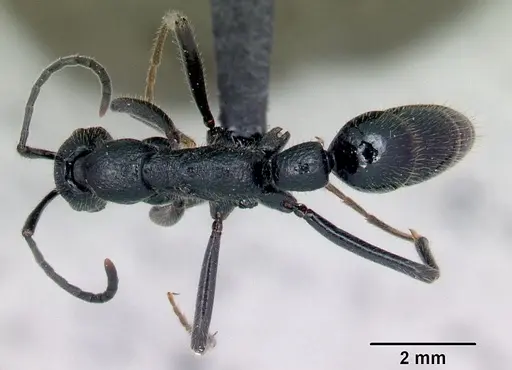
Literature
Loading...Loading products...