

Leptogenys schwabi
- Scientific Name
- Leptogenys schwabi
- Tribe
- Ponerini
- Subfamily
- Ponerinae
- Author
- Forel, 1913
- Common Name
- Schwab's Razorjaw ant
- Distribution
- Found in 2 countries
Leptogenys schwabi Overview
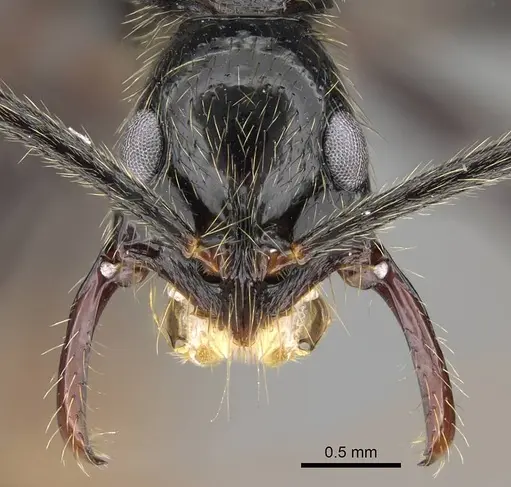
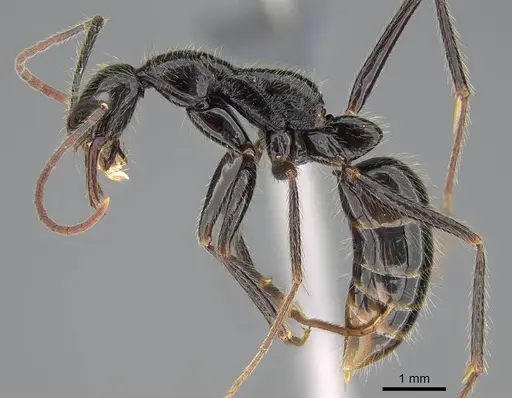
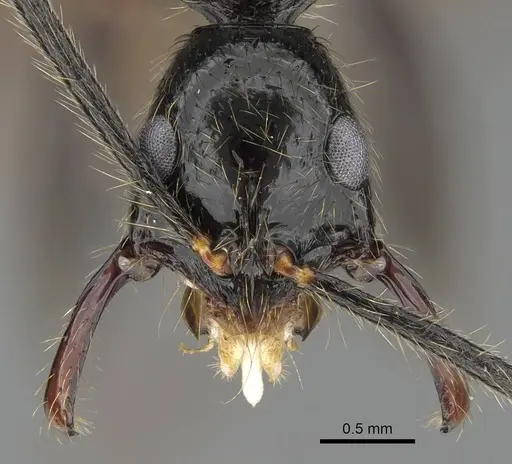
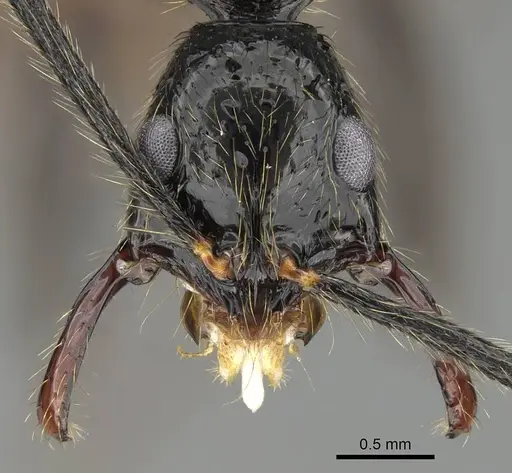
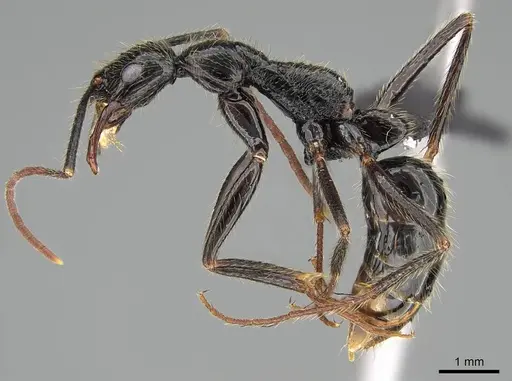
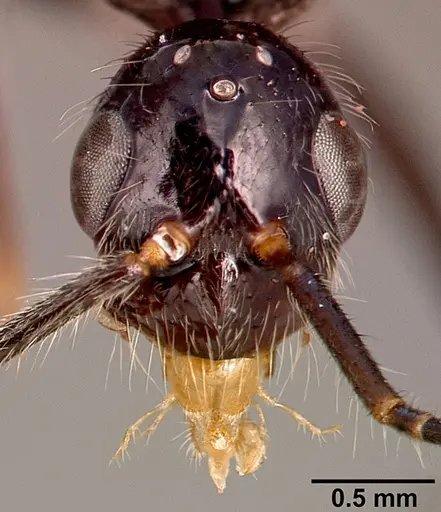
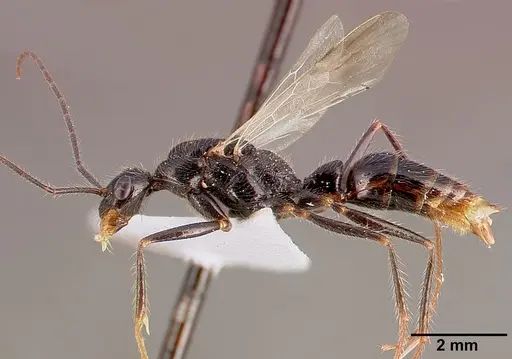
Leptogenys schwabi (commonly known as the Schwab's Razorjaw ant) is an ant species of the genus Leptogenys. It is primarily documented in 2 countries , including South Africa, Zimbabwe. Detailed taxonomic data and occurrence records can be further explored via authoritative databases such as AntWeb or the Global Biodiversity Information Facility (GBIF).
Leptogenys schwabi - "Schwab's Razorjaw ant"
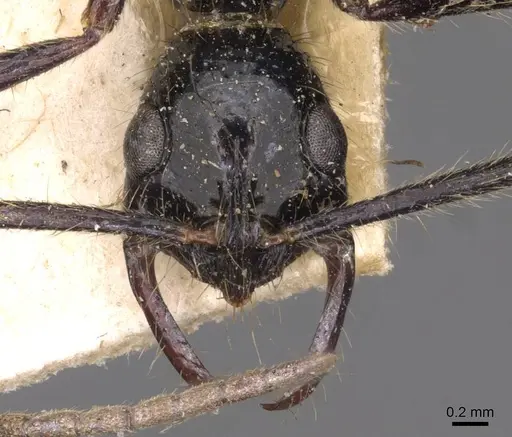
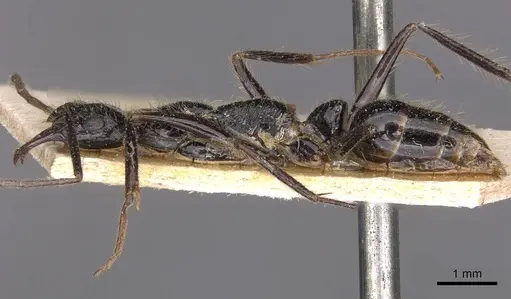
Leptogenys schwabi is a medium-sized ponerine ant native to southern Africa (Eswatini, South Africa, and Zimbabwe). Workers are slender ants with distinctive elongated mandibles adapted for their predatory lifestyle. Unlike most Leptogenys species which have single-queen colonies, L. schwabi forms polygynous colonies with multiple reproductive workers called gamergates. Colonies range from 32 to 338 workers and nest in soft soils, under stones, or in rotting wood near the ground. They are specialized predators that hunt isopods, termites, and amphipods in groups. This species is unusual among ponerine ants for its group foraging behavior and the presence of multiple egg-laying workers within each colony.
Quick Summary
- Difficulty: Medium
- Origin & Habitat: Southern Africa (Eswatini, South Africa, Zimbabwe). Found in mixed mistbelt bush, closed riverine bush, and fig forest habitats, typically nesting in soft alluvial soils, shallow rocky soils, or rotting wood near the ground [1].
- Colony Type: Polygynous with gamergates, multiple reproductive workers (6-7 per colony) share egg-laying duties. Unlike most Leptogenys species which have single ergatoid queens, this species has retained the queen caste but relies primarily on gamergates for reproduction [1][2].
- Colony: Polygyne
- Special: Gamergates
- Size & Growth:
- Queen: Estimated 7-9mm based on genus Leptogenys morphology
- Worker: Estimated 5-7mm based on genus Leptogenys morphology
- Colony: 32-338 workers in wild colonies, with an average of 184±76 workers in gamergate colonies [2][1]
- Growth: Moderate, colony growth is constrained by their specialized diet and group foraging requirements
- Development: Estimated 8-12 weeks at optimal temperature based on typical Ponerinae development (Development timeline not directly studied for this species. Ponerine ants typically take 2-3 months from egg to adult worker.)
- Antkeeping:
- Temperature: Keep between 24-28°C. Running speed tests show they are active from 20-35°C with optimal performance around 28°C [3]. A slight thermal gradient allows them to regulate body temperature.
- Humidity: Moderate to high. As ground-nesting ants from forest habitats, they prefer moist but not waterlogged substrate. Keep nest substrate consistently damp with some drier areas for escape.
- Diapause: Likely reduced activity during cooler months but true hibernation is uncertain. Southern African populations may experience mild winter slowdown rather than full diapause.
- Nesting: Ground-nesting species that does well in naturalistic setups with soil or plaster nests. Provide moist substrate for nesting chambers and a foraging area. They will nest in soft soil, under flat stones, or in rotting wood in captivity.
- Behavior: These ants are active group foragers that hunt in small parties of 4-6 workers. They use a loose formation with frequent leader changes rather than tight tandem running. Workers are predatory and specialize on isopods, termites, and other small arthropods. They are not particularly aggressive toward keepers but their sting can be painful. Escape risk is moderate, they are active foragers but not extreme escape artists. Provide a well-secured outworld.
- Common Issues: Specialized diet means colonies often fail if not provided appropriate prey (isopods, termites), Group foraging requires space and multiple foragers, small colonies may struggle to hunt effectively, Polygynous structure means removing gamergates can disrupt colony reproduction, Moisture requirements can lead to mold issues if ventilation is poor, Slow colony growth compared to common pet species may frustrate beginners
Nest Preferences and Housing
Leptogenys schwabi is a ground-nesting species that naturally nests in soft alluvial soils, shallow rocky soils, or rotting wood near the ground surface. In captivity, they do well in naturalistic setups with a soil chamber or plaster nest that maintains moisture. Provide a nest chamber with damp substrate deep enough for the colony to create galleries (they nest 30-45cm deep in the wild). The outworld should be spacious enough for group foraging expeditions. Use a well-secured escape barrier since these active foragers will explore any gaps. A water test tube connected to the nest area helps maintain humidity. [1]
Feeding and Diet
This is a specialized predator that primarily hunts isopods (Philoscia sp.), termites (Odontotermes latericius), and amphipods in the wild. Termites become especially important during September-October when rains increase termite foraging activity. In captivity, you should replicate this specialized diet as closely as possible. Offer live isopods regularly, along with termites or other small arthropods. They are not typical 'feed them anything' ants, their hunting behavior is a key part of their natural history. Some keepers report success with small crickets and fruit flies, but these should supplement rather than replace their preferred prey. Remove uneaten prey promptly to prevent mold. [1]
Temperature and Seasonal Care
These ants are active within a temperature range of 20-35°C, with peak foraging activity around 28°C [3]. Provide a thermal gradient so workers can regulate their body temperature by moving between warmer and cooler areas. A heating cable on one side of the nest (placed on top to warm the chamber) works well. In their native range (southern Africa), temperatures are warm year-round with mild winters. While they may not require a true hibernation period, reducing temperatures slightly during winter months (to around 22-24°C) mimics their natural seasonal cycle. Male production in wild colonies begins in late September, suggesting seasonal breeding patterns tied to rainfall.
The Gamergate Reproductive System
Leptogenys schwabi has an unusual reproductive system among ants, they are polygynous with gamergates. This means multiple workers (7 out of 260 workers in one study) have active ovaries and can mate to become reproductive [1]. Unlike typical ant colonies with one queen, here several workers share egg-laying duties. This is regulated by pheromones, when gamergates are present, other workers have suppressed reproductive physiology. If you remove the gamergates, previously non-reproductive workers may begin laying eggs. This system is stable and functional in captivity. The colony has retained the queen caste, but winged queens are unknown, reproduction happens primarily through gamergates.
Foraging Behavior
These ants forage in groups of 4-6 workers using a loose formation with frequent leader changes. Individual workers often wander up to a meter from the group, which can cause the formation to break down without encountering prey. This is different from the tight tandem running seen in many ant species. They are active hunters that search for isopods and termites across the forest floor. The entrances of natural nests are surrounded by the skeletons of their prey, a good sign that your colony is hunting successfully. In captivity, provide a spacious foraging area and consider scattering prey to encourage natural hunting behavior rather than placing food directly at the nest entrance. [1]
Frequently Asked Questions
Can I keep Leptogenys schwabi in a test tube?
A test tube is not ideal for this species. They are ground-nesting ants that need moist soil or substrate for nesting chambers. They also forage in groups and need space to hunt. A naturalistic setup with a soil chamber or plaster nest works much better. Use a test tube only as a temporary holding container.
What do Leptogenys schwabi ants eat?
They are specialized predators that need live prey. Their primary food in the wild is isopods, termites, and amphipods. In captivity, offer live isopods regularly along with termites or other small arthropods. They are not scavengers and typically ignore dead food. This specialized diet makes them more challenging to keep than typical ant species.
How long does it take for Leptogenys schwabi to produce first workers?
Exact development time is unconfirmed for this species, but based on typical Ponerinae development, expect 8-12 weeks from egg to worker at optimal temperature (around 28°C). They grow more slowly than common pet species like Lasius or Camponotus.
Can I keep multiple queens together in a Leptogenys schwabi colony?
Yes, this is normal for the species. Unlike most Leptogenys which have single-queen colonies, L. schwabi is naturally polygynous with multiple reproductive workers (gamergates). The colony functions with several egg-laying workers rather than a single queen. Do not combine unrelated foundress colonies, they should already contain the gamergate structure.
Are Leptogenys schwabi ants good for beginners?
No, this species is not ideal for beginners. Their specialized predatory diet (requiring live isopods and termites), moderate temperature needs, and longer development time make them more challenging than common beginner species. They are better suited for antkeepers with some experience who can provide appropriate live prey.
What temperature do Leptogenys schwabi ants need?
Keep them between 24-28°C. Research shows they are active from 20-35°C with peak performance around 28°C [3]. A thermal gradient allows them to regulate their body temperature. A heating cable on the nest helps maintain optimal conditions.
How big do Leptogenys schwabi colonies get?
Wild colonies range from 32 to 338 workers, with an average around 184 workers in gamergate colonies [2][1]. They are not among the largest ant colonies, but they are active foragers that need space.
Do Leptogenys schwabi need hibernation?
True hibernation is uncertain for this species. As a southern African ant, they experience mild winters rather than harsh cold. You can provide a slight temperature reduction in winter (around 22-24°C) but full diapause is likely not required.
Why are my Leptogenys schwabi dying?
The most common causes are inadequate diet (not providing enough live isopods/termites), improper humidity (too dry or too wet), and temperature issues. They are specialized predators, colonies often fail when fed only typical ant foods. Ensure you have a established prey culture. Also check for mold in the nest and ensure proper ventilation.
References

This caresheet is licensed under CC BY-SA 4.0 .
CASENT0785934
View on AntWeb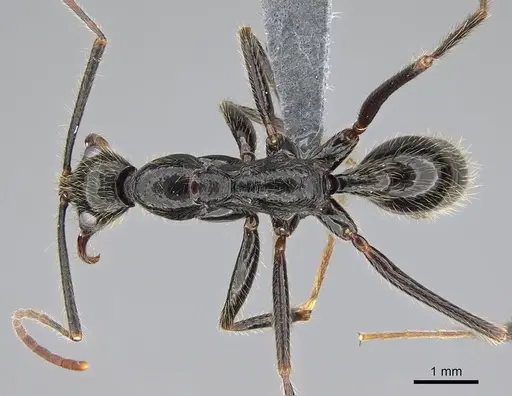
CASENT0822196
View on AntWeb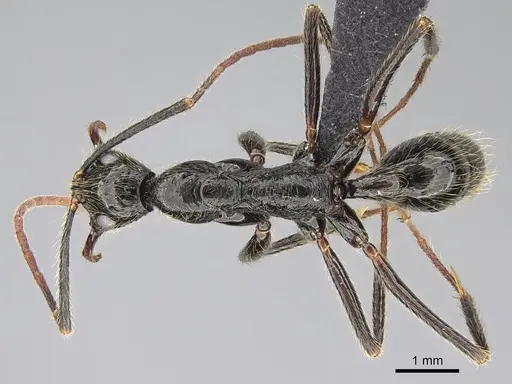
CASENT0888229
View on AntWeb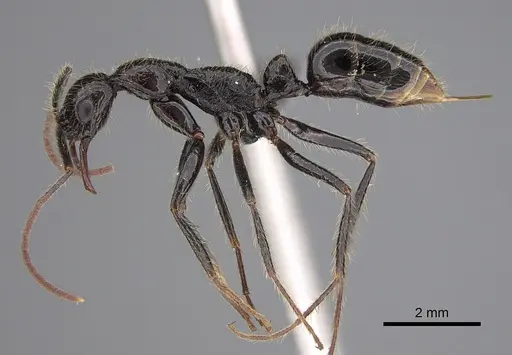
CASENT0907342
View on AntWeb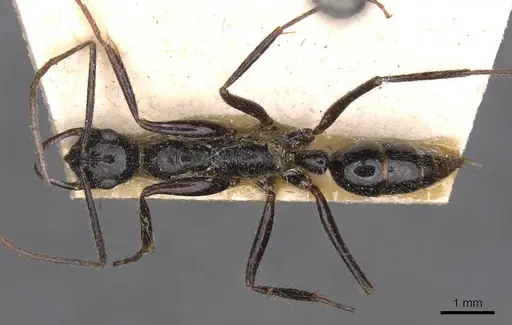
SAM-HYM-C001380B
View on AntWeb
Literature
Loading...Loading products...