

Leptogenys sagaris
- Scientific Name
- Leptogenys sagaris
- Tribe
- Ponerini
- Subfamily
- Ponerinae
- Author
- Wilson, 1958
- Distribution
- Found in 1 countries
Leptogenys sagaris Overview
Leptogenys sagaris is an ant species of the genus Leptogenys. It is primarily documented in 1 countries , including New Caledonia. Detailed taxonomic data and occurrence records can be further explored via authoritative databases such as AntWeb or the Global Biodiversity Information Facility (GBIF).
Leptogenys sagaris
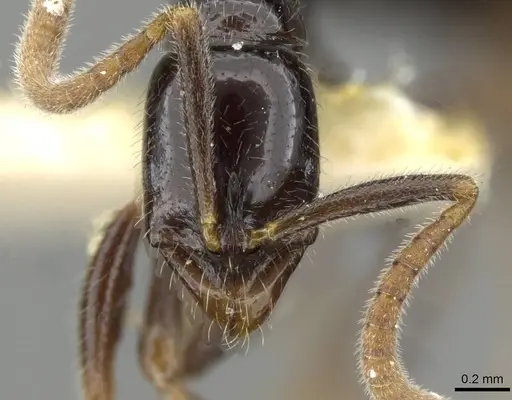
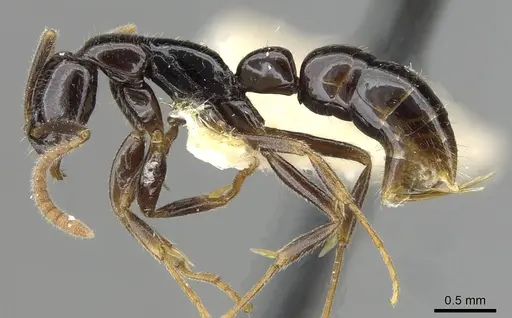
Leptogenys sagaris is a tiny predatory ant from the Ponerinae subfamily, found exclusively in New Caledonia's rainforests. Workers are remarkably small with a head width of only 0.64-0.69mm, making them one of the smaller ant species in the hobby. They have a distinctive appearance with relatively small eyes and a short petiolar node. Colonies are small, typically containing 50-75 workers, and nest under rocks or in rotting logs buried in leaf litter on the forest floor [1]. Unlike many ant species, normal queens have not been documented, instead, colonies reproduce through ergatogynes, which are wingless, worker-like reproductives that can take over egg-laying duties if needed [1]. This species is closely related to Leptogenys anitae and Leptogenys bituberculata, sharing their characteristic timid behavior.
Quick Summary
- Difficulty: Medium
- Origin & Habitat: New Caledonia, Australasian region. This species lives in tropical rainforest leaf litter, nesting under rocks and in small rotting logs buried in the forest floor [1][2].
- Colony Type: Ergatogyne-based colonies. Normal winged queens have not been found, reproduction occurs through ergatogynes (wingless, worker-like reproductives). Colonies are small, typically 50-75 workers [1].
- Colony: Monogyne
- Special: Gamergates
- Size & Growth:
- Queen: Normal queens unknown, ergatogyne measures 0.64mm head width [1]
- Worker: 0.64-0.69mm head width (very small ants) [1]
- Colony: 50-75 workers per colony [1]
- Growth: Moderate, small colony size suggests moderate growth rate
- Development: 6-10 weeks (estimated based on typical Ponerine development) (Development time is unconfirmed for this species, estimates based on related Leptogenys species and typical Ponerine development patterns)
- Antkeeping:
- Temperature: Keep around 24-28°C. As a tropical rainforest species from New Caledonia, they prefer warm, stable conditions. A heating cable on one side of the nest can create a gentle gradient if room temperature falls below 24°C.
- Humidity: Keep substrate consistently moist but not waterlogged. These ants live in leaf litter on the forest floor, so they need damp conditions with some drier areas available. Mist occasionally and ensure the nest material doesn't dry out completely.
- Diapause: Unknown, as a tropical species from New Caledonia, they likely do not require hibernation. However, a slight reduction in temperature during winter months may be beneficial if your room temperature drops significantly.
- Nesting: These ants naturally nest under rocks and in small rotting logs buried in leaf litter. In captivity, they do well in naturalistic setups with moist substrate (like a mix of soil and rotting wood) or in acrylic/plaster nests with narrow chambers scaled to their tiny size. A Y-tong nest with tight chambers works well.
- Behavior: Leptogenys sagaris is timid and fast-moving. When their nest is disturbed, workers scatter quickly, this is a defense mechanism rather than aggression. They are predatory, using their speed to capture small prey. Despite being Ponerines, they are not particularly aggressive toward keepers. Their tiny size means escape prevention is critical, they can squeeze through remarkably small gaps. They are not known to sting humans [1].
- Common Issues: escape prevention is critical, their tiny size allows them to squeeze through the tiniest gaps, so use fine mesh and tight-fitting lids, small colony size means growth is slow, don't overfeed or let prey accumulate, which can cause mold, timid behavior means they may be stressed by frequent nest inspections, minimize disturbances, wild-caught colonies may have parasites that can decimate small colonies in captivity, maintaining consistent humidity is challenging but important, too dry and they desiccate, too wet and mold becomes a problem
Housing and Nest Setup
Because of their tiny size, Leptogenys sagaris needs carefully scaled housing. In the wild, they nest under rocks and in small rotting logs buried in leaf litter, so a naturalistic setup works well. Use a substrate mix of moist soil and small pieces of rotting wood or leaf litter. Keep the substrate damp but not waterlogged, squeeze out excess water before adding it to the setup. For a more controlled approach, a Y-tong (acrylic) nest with narrow chambers works well. Whatever nest type you choose, ensure chambers are appropriately sized, these are very small ants, and large open spaces can stress them. Always provide a water tube for drinking water. [1]
Feeding and Diet
Leptogenys sagaris is a predatory ant, like others in the Ponerinae subfamily. They hunt small invertebrates and likely feed on tiny prey like springtails, small mites, and other micro-arthropods found in leaf litter. In captivity, offer small live prey such as fruit flies, pinhead crickets, and small mealworms. You can also offer small amounts of protein paste or crushed insects. Sugar sources are not typically important for predatory Ponerines, though they may occasionally accept honey water or sugar water. Feed small amounts 2-3 times per week, removing any uneaten prey within 24 hours to prevent mold. [1]
Temperature and Humidity
As a tropical species from New Caledonia, Leptogenys sagaris prefers warm and humid conditions. Keep temperatures in the range of 24-28°C. If your room temperature is below this range, use a heating cable placed on top of the nest (never under it, as excessive heat can dry out the nest). For humidity, aim for 70-80%, these rainforest leaf litter ants need consistent moisture. Mist the setup occasionally and use a water tube to maintain humidity. The substrate should feel damp to the touch but not have standing water. A layer of leaf litter on top of the substrate helps retain moisture and gives the ants natural cover. [1]
Behavior and Handling
This species is known for being timid and fast-moving. When their nest is opened, workers scatter quickly, this is a natural escape response, not aggression. They are not aggressive toward humans and do not have a painful sting. However, their small size and speed make them challenging to handle. Minimize nest disturbances, especially in the early days after establishing your colony. They are not defensive of their nest entrance like some ant species. Observe them during feeding times rather than digging through their nest. Their ergatogyne system means a single colony has one or more wingless replacement reproductives rather than a large winged queen. [1]
Colony Structure and Reproduction
Leptogenys sagaris has an unusual colony structure compared to many common ant species. Normal winged queens have never been documented in this species. Instead, colonies reproduce using ergatogynes, wingless, worker-like individuals that can lay eggs. These ergatogynes look very similar to workers but have a larger gaster (abdomen) for egg production. The colony size is small, typically 50-75 workers. This means your colony will likely never grow very large, which is important to understand when setting expectations. The presence of ergatogynes also means the colony can continue if the primary reproductive dies, as another ergatogyne can take over. [1]
Growth and Development
The development timeline for Leptogenys sagaris has not been directly studied. Based on typical Ponerine ant development, expect around 6-10 weeks from egg to worker at optimal temperatures (around 26°C). Development is likely temperature-dependent, cooler temperatures slow development significantly. The first workers (nanitics) will be smaller than normal workers. Because colonies are naturally small (50-75 workers), growth will seem slow compared to species like Lasius or Camponotus that can reach thousands of workers. Be patient and avoid the temptation to overfeed, as excess food leads to mold in small setups.
Frequently Asked Questions
How long does it take for Leptogenys sagaris to produce first workers?
The exact timeline is unconfirmed, but based on typical Ponerine development, expect 6-10 weeks from egg to first worker at optimal temperatures around 26°C. Cooler temperatures will significantly slow development.
What do Leptogenys sagaris eat?
They are predatory ants that hunt small invertebrates. Feed small live prey like fruit flies, small crickets, springtails, and small mealworms. They may also accept protein paste or crushed insects. Sugar sources are not typically important but occasionally accepted.
How big do Leptogenys sagaris colonies get?
Colonies are naturally small, typically reaching 50-75 workers in the wild. In captivity, expect similar colony sizes, this is not a species that will produce thousands of workers.
Are Leptogenys sagaris good for beginners?
This species is rated as Medium difficulty. While not the hardest species, their small size, escape risk, and specific humidity needs make them better suited for keepers who already have some experience with small ant species. Their timid nature and small colony size also require patience.
Can I keep multiple Leptogenys sagaris queens together?
This species uses ergatogynes (wingless replacement queens) rather than normal winged queens. The natural colony structure is single-ergatogyne. Combining unrelated foundress queens has not been documented and is not recommended.
What temperature do Leptogenys sagaris need?
Keep them warm at 24-28°C. As a tropical rainforest species from New Caledonia, they prefer stable warm conditions. A heating cable on top of the nest can help maintain warmth if your room is cooler.
Do Leptogenys sagaris need hibernation?
As a tropical species, they likely do not require true hibernation. However, a slight reduction in temperature during winter months may be natural if your room temperature drops. Do not hibernate them aggressively, a cool period around 18-20°C for 2-3 months is sufficient if needed.
When should I move Leptogenys sagaris to a formicarium?
Because they are small and prefer naturalistic conditions, you can keep them in a test tube setup initially, but transfer to a naturalistic setup or small acrylic nest once the colony reaches 10-15 workers. They do well in setups that mimic their natural leaf litter habitat.
What makes Leptogenys sagaris different from other ants?
This species is unique in several ways: it has ergatogynes (wingless replacement queens) instead of normal winged queens, colonies are very small (50-75 workers), and they are extremely timid, workers scatter quickly when the nest is disturbed. They are also one of the smaller ant species kept in captivity.
Is Leptogenys sagaris aggressive?
No, they are not aggressive toward humans. They are timid and fast-moving, using scattering as their primary defense. They are predatory toward small invertebrates but not defensive of their nest like some ant species.
References

This caresheet is licensed under CC BY-SA 4.0 .
CASENT0270576
View on AntWeb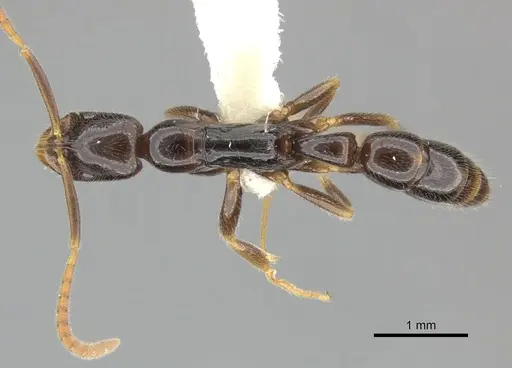
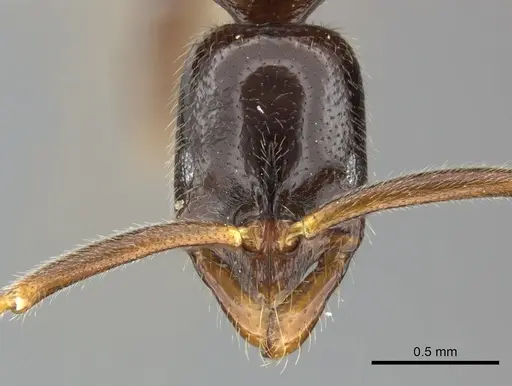
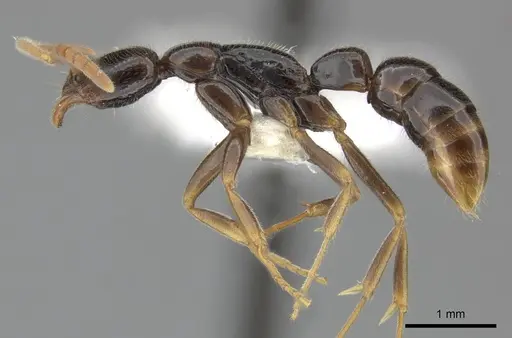
CASENT0911184
View on AntWeb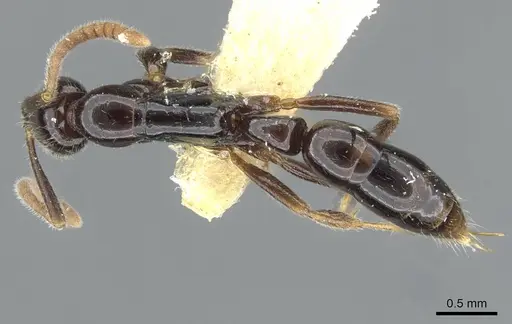
Literature
Loading...Loading products...