

Leptogenys rouxi
- Scientific Name
- Leptogenys rouxi
- Tribe
- Ponerini
- Subfamily
- Ponerinae
- Author
- Emery, 1914
- Distribution
- Found in 1 countries
Leptogenys rouxi Overview
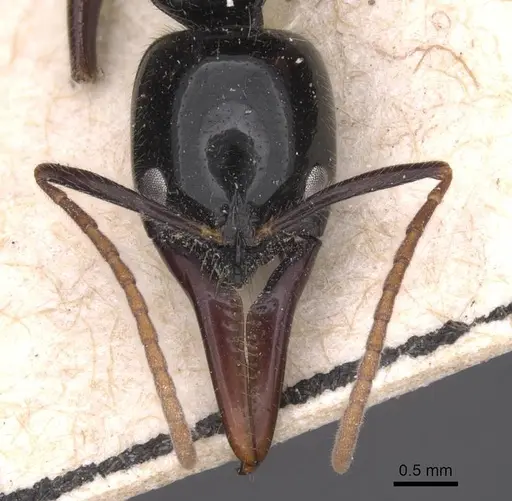
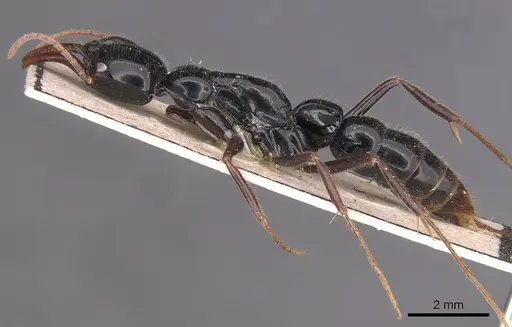
Leptogenys rouxi is an ant species of the genus Leptogenys. It is primarily documented in 1 countries , including New Caledonia. Detailed taxonomic data and occurrence records can be further explored via authoritative databases such as AntWeb or the Global Biodiversity Information Facility (GBIF).
Leptogenys rouxi
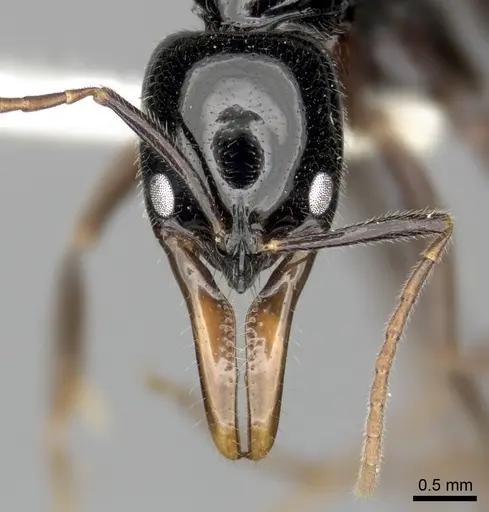
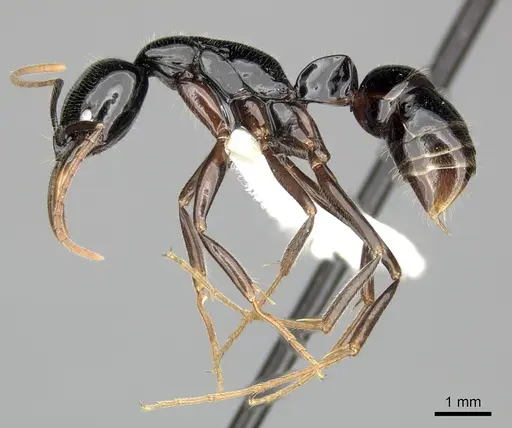
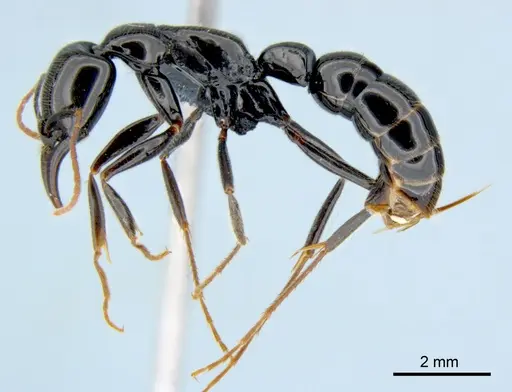
Leptogenys rouxi is a predatory ant species native to New Caledonia, an island in the southwestern Pacific Ocean. Workers are slender ants belonging to the subfamily Ponerinae, a group known for their active hunting behavior. The species was originally described by Emery in 1914 as Leptogenys rouxi before being transferred to the genus Leptogenys by Taylor in 1988 [1]. This species remains poorly studied in the scientific literature, with limited information available about its specific biology and colony structure.
Quick Summary
- Difficulty: Unknown, likely Medium to Hard
- Origin & Habitat: Endemic to New Caledonia, a tropical island in the southwestern Pacific. Found in the Australasian region [2]. Natural habitat details are unconfirmed, but Leptogenys species typically inhabit forest floors and shaded areas.
- Colony Type: Unconfirmed. Most Leptogenys species are monogyne (single queen colonies), but colony structure for this specific species has not been documented.
- Size & Growth:
- Queen: Unconfirmed, estimated 8-12mm based on genus patterns
- Worker: Unconfirmed, estimated 5-8mm based on genus patterns
- Colony: Unconfirmed, likely several hundred workers based on typical Leptogenys colony sizes
- Growth: Unknown
- Development: Unconfirmed, estimated 6-10 weeks based on related Ponerinae species (Development time is estimated from genus-level data, no species-specific studies exist.)
- Antkeeping:
- Temperature: Unconfirmed, likely 22-28°C based on New Caledonia's tropical climate and related species. Start in the mid-70s°F (around 24°C) and observe colony activity.
- Humidity: Unconfirmed, likely 60-80% humidity preferring damp conditions typical of forest-dwelling Leptogenys. Keep substrate consistently moist but not waterlogged.
- Diapause: Unlikely, New Caledonia has a tropical climate with minimal seasonal temperature variation. No documented diapause requirement.
- Nesting: Unconfirmed. Based on typical Leptogenys behavior, they likely nest in soil, under stones, or in rotting wood in shaded forest areas. A naturalistic setup with moist substrate or a Y-tong/plaster nest with good humidity retention would likely work well.
- Behavior: Leptogenys are active predators that hunt isopods and other small arthropods. Workers are typically slender and fast-moving, using their mandibles to capture prey. This species likely has an active, aggressive foraging style typical of the genus. Escape prevention should be moderate, while not among the smallest ants, they are agile and may attempt to escape. The sting is likely present but its potency for this specific species is unconfirmed.
- Common Issues: lack of documented care information makes proper husbandry challenging, predatory diet requirements may be difficult to meet consistently, wild-caught colonies may have parasites or diseases not documented in scientific literature, humidity requirements are uncertain and may lead to mold or desiccation issues if guessed incorrectly
Species Overview and Distribution
Leptogenys rouxi is endemic to New Caledonia, a French overseas territory in the southwestern Pacific Ocean. The species was originally described by Carlo Emery in 1914 under the name Leptogenys rouxi, with the worker caste described from specimens collected on the island [1]. In 1988,Taylor reclassified the species into the genus Leptogenys [1]. New Caledonia is a tropical island with a warm, humid climate year-round, and this species has only been recorded from this specific geographic region [2]. The ant fauna of New Caledonia is relatively poorly studied, and Leptogenys rouxi represents one of the less documented species in the region.
Taxonomy and Classification
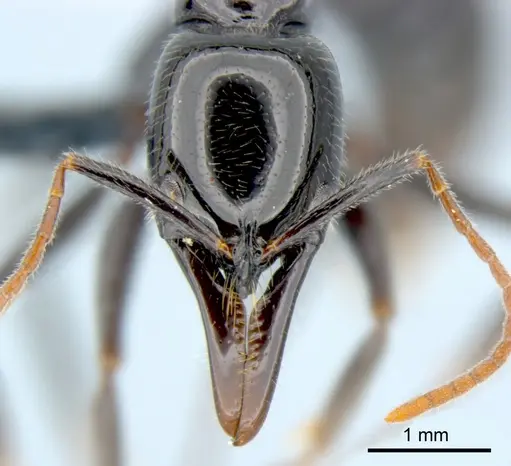
Leptogenys rouxi belongs to the subfamily Ponerinae, which contains ants known for their predatory habits and often painful stings. Within the tribe Ponerini, this species is part of the genus Leptogenys, which contains numerous species distributed primarily in tropical and subtropical regions worldwide. The genus Leptogenys is characterized by slender ants with elongated mandibles adapted for capturing prey. The species was originally placed in the genus Prionogenys, which was later synonymized with Leptogenys, resulting in the current taxonomic placement. [1]
Inferred Biology from Genus Patterns
While specific biological studies on Leptogenys rouxi are lacking, the genus Leptogenys provides general patterns that likely apply to this species. Leptogenys ants are typically predators that specialize on isopods and other small arthropods. They are known for their active foraging behavior, with workers hunting individually or in small groups rather than forming large raiding parties. Most species in the genus are believed to have semi-claustral founding, where the queen leaves the nest to hunt for food during the founding stage rather than sealing herself away like claustral species. Colony structure is typically monogyne, with a single queen per colony.
Housing and Care Recommendations
Since specific care requirements for Leptogenys rouxi are unconfirmed, recommendations must be based on genus-level information and the species' likely origin in tropical New Caledonia. A naturalistic setup with moist substrate would likely mimic their natural environment. Keep temperatures in the range of 22-28°C (72-82°F), consistent with tropical conditions. Humidity should be kept moderate to high (60-80%), with the substrate remaining damp but not saturated. As predators, they will need a consistent supply of small live prey such as isopods, springtails, or small insects. Given the lack of species-specific information, keepers should observe colony behavior and adjust conditions accordingly. Excellent escape prevention is recommended as workers are agile and may attempt to find gaps in enclosures.
Legal and Ethical Considerations
Leptogenys rouxi is native to New Caledonia and should not be collected from the wild or released in other regions. Antkeepers should ensure they obtain colonies through legal means and should never release non-native ant species into local ecosystems. This species is not known to be established anywhere outside its native range of New Caledonia.
Frequently Asked Questions
How do I care for Leptogenys rouxi ants?
Specific care requirements for this species are unconfirmed due to limited scientific study. Based on genus patterns and its origin in tropical New Caledonia, provide temperatures around 22-28°C, humidity of 60-80%, and a diet of small live prey. Use a naturalistic setup with moist substrate or a well-humidified artificial nest.
What do Leptogenys rouxi ants eat?
Leptogenys ants are predatory and likely feed on isopods and other small arthropods. Offer small live prey such as isopods, springtails, fruit flies, and other tiny insects. The specific diet preferences of this species have not been documented.
How big do Leptogenys rouxi colonies get?
Colony size for this specific species is unconfirmed. Based on typical Leptogenys colony sizes, colonies likely reach several hundred workers. No documented maximum colony size exists in the scientific literature.
Does Leptogenys rouxi need hibernation?
No, hibernation is unlikely required. New Caledonia has a tropical climate with minimal seasonal temperature variation. There is no documented diapause requirement for this species.
How long does it take for Leptogenys rouxi to raise first workers?
The egg-to-worker development time is unconfirmed for this species. Based on related Ponerinae species, estimated development time is 6-10 weeks at optimal temperature. No specific studies exist on this species.
Is Leptogenys rouxi good for beginners?
This species is not recommended for beginners due to the lack of documented care information. The care requirements are largely inferred from genus-level patterns rather than species-specific studies, making proper husbandry challenging. Consider starting with better-documented species.
Can I keep multiple Leptogenys rouxi queens together?
Colony structure for this species is unconfirmed. Most Leptogenys species are monogyne (single queen), but polygyny has been documented in some species. Combining unrelated queens is not recommended as it has not been studied for this specific species.
Where is Leptogenys rouxi found?
Leptogenys rouxi is endemic to New Caledonia, an island in the southwestern Pacific Ocean. It has only been recorded from this specific geographic region.
What is the scientific name of Leptogenys rouxi?
The valid scientific name is Leptogenys rouxi, originally described by Emery in 1914 as Leptogenys rouxi before being transferred to the genus Leptogenys by Taylor in 1988.
References

This caresheet is licensed under CC BY-SA 4.0 .
CASENT0270571
View on AntWeb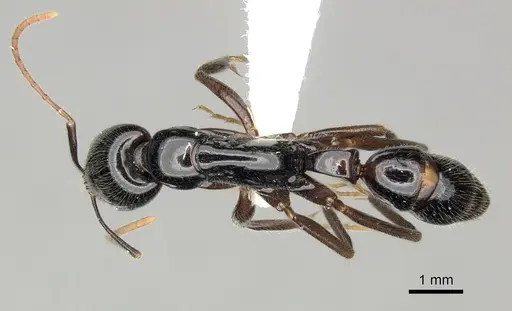
CASENT0887830
View on AntWeb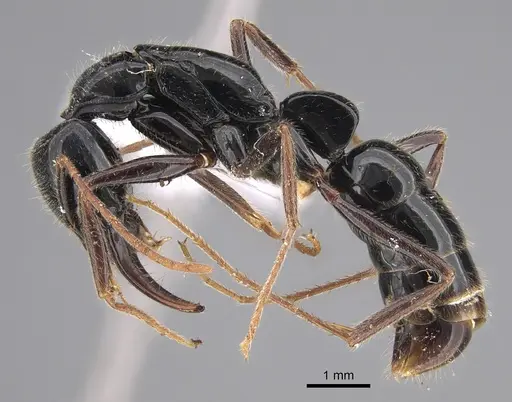
CASENT0915238
View on AntWeb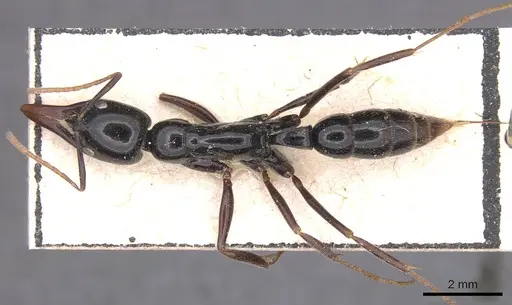
CSIRONC0010
View on AntWeb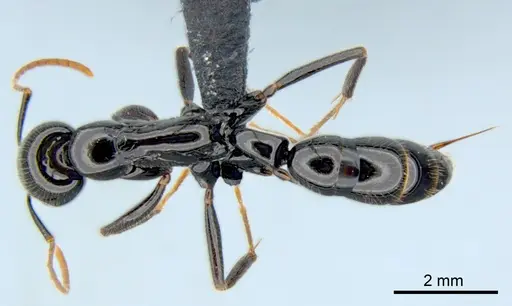
Literature
Loading...Loading products...