

Leptogenys ritae
- Scientific Name
- Leptogenys ritae
- Tribe
- Ponerini
- Subfamily
- Ponerinae
- Author
- Forel, 1899
- Distribution
- Found in 3 countries
Leptogenys ritae Overview
Leptogenys ritae is an ant species of the genus Leptogenys. It is primarily documented in 3 countries , including Colombia, Panama, Venezuela. Detailed taxonomic data and occurrence records can be further explored via authoritative databases such as AntWeb or the Global Biodiversity Information Facility (GBIF).
Leptogenys ritae
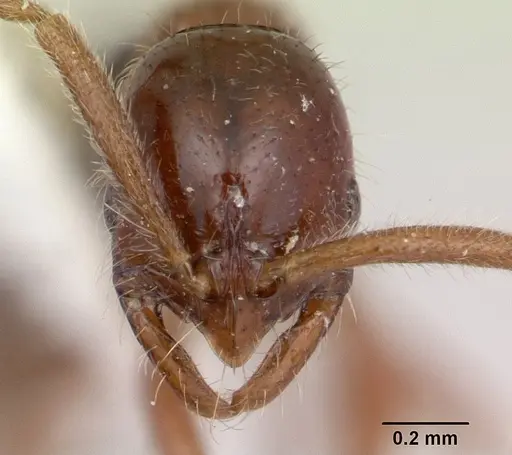
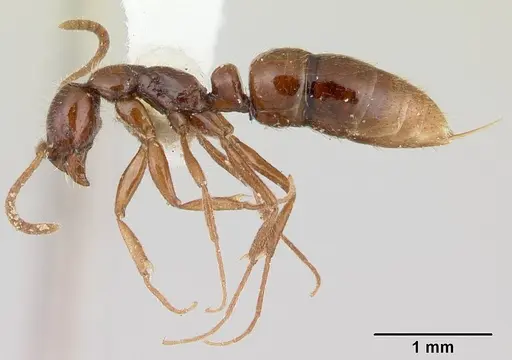
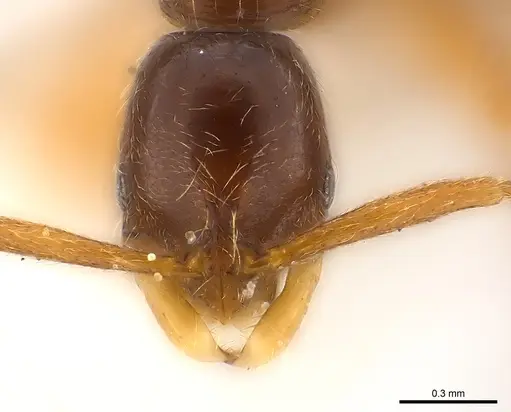
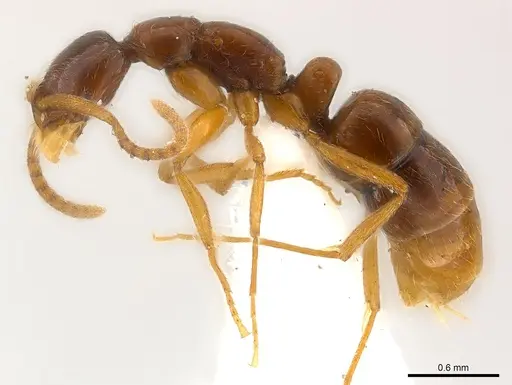
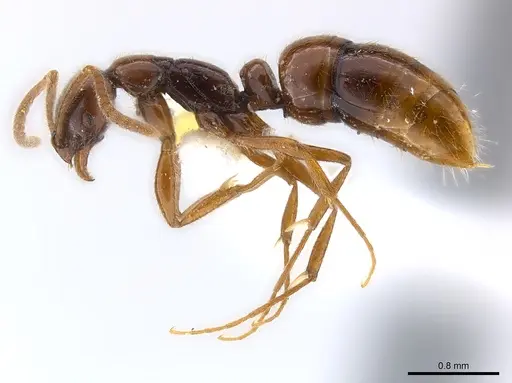
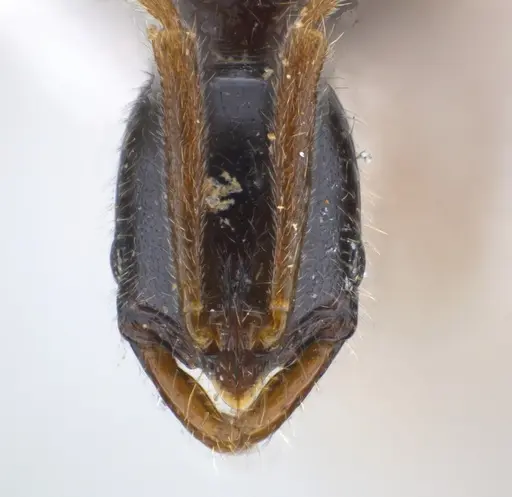
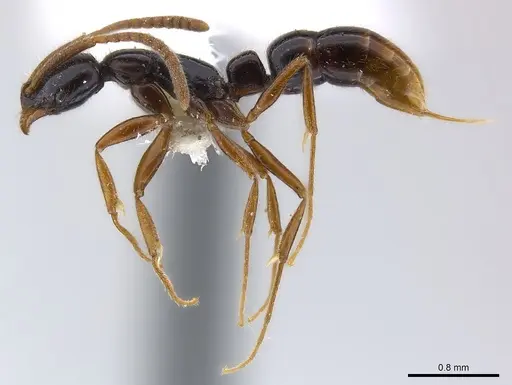
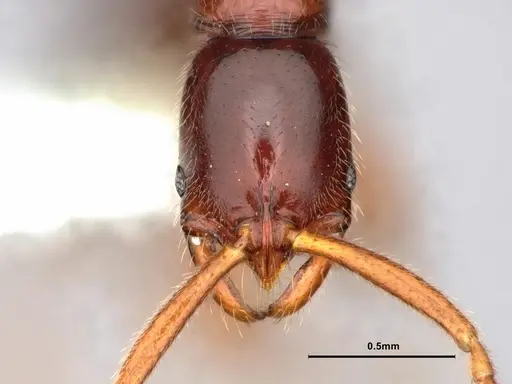
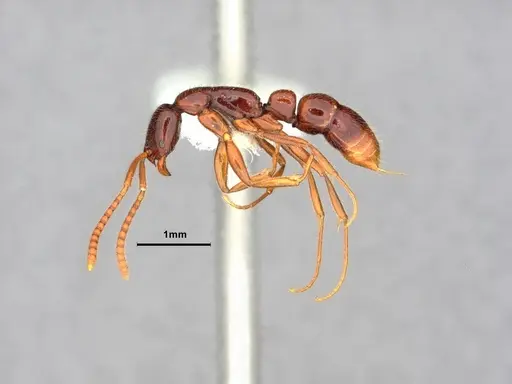
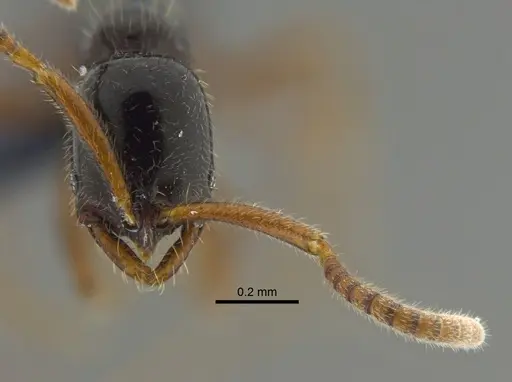
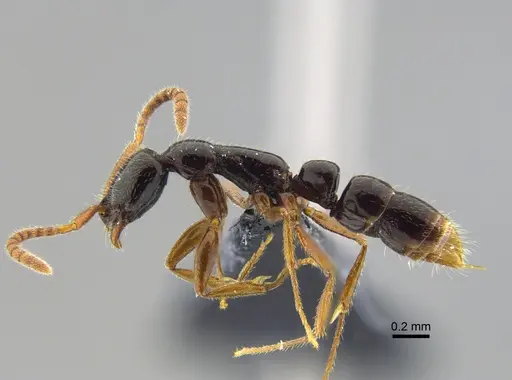
Leptogenys ritae is a small predatory ant native to Central and northern South America, ranging from Panama through Colombia to Ecuador, including Trinidad and Tobago [1][2]. Workers measure 4.2-4.4mm with a distinctive elongated head, small lateral eyes positioned near the mandibular insertion, and a smooth, shiny body that ranges from black to dark brown with ferruginous (rusty) legs and antennae [3][4]. The petiole is notably squamiform (scale-like) and high, giving them an elegant appearance. This species belongs to the pusilla species group and is one of the smallest Leptogenys species in the Americas [4]. Colonies have been found nesting beneath partially buried stones in both dry and humid forests as well as agricultural areas like coffee and cocoa plantations. When disturbed, these ants flee rapidly, a key behavioral trait to consider when observing them [5]. A particularly unusual feature of this species is the existence of two distinct queen types: normal queens and 'mandibular' queens with greatly enlarged, pale yellow mandibles, though the function of these specialized queens remains unknown [5].
Quick Summary
- Difficulty: Medium
- Origin & Habitat: Native to the Neotropical region, Panama, Colombia, Ecuador, Venezuela, and Trinidad and Tobago. Found in both dry and humid forests as well as coffee and cocoa plantations. Nests are located beneath partially buried stones in leaf litter areas [5][1][2].
- Colony Type: Multi-queen colonies have been documented in this species, with multiple reproductive queens found in single nests. Two types of queens exist: normal queens and a 'mandibular' type with enlarged mandibles. This suggests facultatively polygyne (can have multiple queens) colony structure [5].
- Colony: Optionally polygyne
- Founding: Semi-claustral
- Size & Growth:
- Queen: 0.82-0.84mm head length [5]
- Worker: 4.2-4.4mm total length [3]
- Colony: Unknown, likely small to moderate based on related species
- Growth: Moderate, inferred from genus patterns
- Development: Unknown, likely 6-10 weeks based on typical Ponerinae development at tropical temperatures (Development time not directly studied for this species. Related Leptogenys species typically develop in 6-10 weeks under warm tropical conditions.)
- Antkeeping:
- Temperature: Keep at 24-28°C, these are tropical ants from lowland Neotropical forests. Room temperature (22-26°C) is suitable, with a slight gradient preferred
- Humidity: Moderate to high, they inhabit both dry and humid forests. Keep substrate moderately moist but not waterlogged. Provide a moisture gradient so ants can choose their preferred zone
- Diapause: No, as a tropical species, they do not require hibernation. Maintain consistent warm temperatures year-round
- Nesting: Natural nesting occurs under partially buried stones in leaf litter. In captivity, a naturalistic setup with substrate for tunneling or a Y-tong/plaster nest with narrow chambers works well. Provide leaf litter and hiding spots in the outworld [5]
- Behavior: Leptogenys ritae is a fast-moving predatory ant. When their nest is disturbed, adults flee rapidly rather than attacking, this is their primary defense mechanism [5]. As predators in the Ponerinae subfamily, they hunt small arthropods. Workers are active foragers that search for prey. They are not aggressive toward keepers but may bite if handled. Escape prevention is important given their small size, use fine mesh barriers. They are primarily nocturnal or crepuscular foragers, though they may show some daytime activity.
- Common Issues: rapid fleeing makes them hard to observe, they may escape before you can close the nest, small size means escape prevention must be excellent, use tight-fitting lids and fine mesh, predatory diet requires live prey, failure to provide appropriate food leads to colony decline, humidity control is important, too dry causes desiccation, too wet causes mold, wild-caught colonies may have parasites that can devastate captive populations
Housing and Nest Setup
Leptogenys ritae can be kept in various setups, but a naturalistic terrarium-style enclosure works best given their natural history. They nest under stones in leaf litter, so provide a deep substrate layer (at least 5-8cm) with pieces of flat stone or bark placed on top for nest sites. The substrate should be able to hold moisture, a mix of soil and sand works well. Add leaf litter, twigs, and other debris to create a natural environment that also provides hunting grounds. Alternatively, a Y-tong or plaster nest with narrow chambers can work, but ensure the outworld has plenty of hiding spots and hunting space. Because they flee rapidly when disturbed, avoid nests that require frequent opening for feeding. A test tube setup can work for founding colonies but may need to be expanded quickly as the colony grows. Escape prevention is critical, these tiny ants can squeeze through surprisingly small gaps. Use fluon on container rims and ensure all ventilation holes have fine mesh (at least 0.5mm). [5]
Feeding and Diet
Leptogenys ritae is a predatory ant that hunts small arthropods. In captivity, offer live prey such as small crickets, fruit flies, springtails, and other tiny insects. Prey should be appropriately sized, no larger than the ant's head. They are known predators in the Ponerinae subfamily, so protein-rich foods are essential for brood development. Feed small prey items 2-3 times per week, adjusting based on colony size and consumption. Remove uneaten prey after 24 hours to prevent mold. While they primarily hunt live prey, they may accept protein-based artificial diets experimentally, but live food should form the basis of their diet. Sugar water or honey can be offered occasionally as an energy source for workers, though their main dietary focus is protein. The frequency of feeding should increase during periods of active brood production.
Temperature and Humidity
As a tropical species from the Neotropics, Leptogenys ritae requires warm temperatures. Maintain the nest area at 24-28°C (75-82°F). Room temperature in most homes is suitable, but you may need a heating cable or mat on one side of the nest to achieve optimal temperatures, especially in cooler climates. Place the heating element on top of the nest, not underneath, to avoid drying out the substrate. For humidity, aim for moderate to high levels (60-80%). These ants inhabit both dry and humid forests, so they are somewhat adaptable, but they prefer consistent moisture. Monitor substrate moisture, it should feel damp but not be waterlogged. Allow parts of the enclosure to dry slightly while keeping other areas moist, creating a humidity gradient. Mist occasionally but avoid creating standing water. Good ventilation is essential to prevent mold while maintaining humidity.
Behavior and Observation
The most notable behavioral trait of Leptogenys ritae is their rapid fleeing response when disturbed. Unlike some ants that bite or sting in defense, these ants prefer to escape. This makes them challenging to observe closely and requires careful housing design. Workers are active foragers that hunt individually or in small groups. They use chemical trails to recruit nestmates to large prey items. The colony structure includes multiple queens, which is unusual among ants and may contribute to colony stability. The existence of two queen types, normal and 'mandibular' with enlarged mandibles, is a fascinating aspect of this species, though the function of the enlarged mandibles is not understood. Queens may coexist in the same nest, and the colony can produce replacement reproductives. When keeping this species, minimize disturbances to the nest and use red film or dark backgrounds to observe them without causing stress. [5]
Colony Dynamics
Leptogenys ritae exhibits polygynous (multi-queen) colony structure, with documented cases of multiple reproductive queens in single nests [5]. This is relatively unusual among ants and affects how you might approach colony founding. If you obtain a wild colony, it may contain multiple queens that have established a stable coexistence. The two queen morphs, normal and mandibular, suggest complex reproductive biology. The mandibular queens have notably enlarged, pale yellow mandibles whose function remains unknown, they may be involved in colony defense, food processing, or possibly even social parasitism within their own species. Colonies likely grow to moderate sizes, though exact maximum colony sizes are not documented. The presence of multiple queens may help colonies survive queen loss and potentially support faster growth through shared brood care.
Frequently Asked Questions
How long does it take for Leptogenys ritae to produce first workers?
The exact timeline is unknown for this species, but based on related Leptogenys and Ponerinae species, expect 6-10 weeks from egg to worker at optimal tropical temperatures (24-28°C). Semi-claustral founding means the queen must leave to hunt, which can slow development compared to fully claustral species.
Can I keep multiple Leptogenys ritae queens together?
Yes, this species naturally forms multi-queen colonies. Wild colonies have been found with multiple reproductive queens. However, if combining unrelated foundress queens, introduce them carefully in a neutral space with plenty of hiding spots and protein food to reduce aggression.
What do Leptogenys ritae eat?
They are predators that require live small arthropods. Feed small crickets, fruit flies, springtails, and other tiny insects. Prey should be appropriately sized, roughly the same size as the ant or smaller. Remove uneaten prey after 24 hours. Occasional sugar water or honey can be offered as an energy supplement.
Are Leptogenys ritae good for beginners?
This species is rated as Medium difficulty. While not the hardest ant to keep, they require specific care: warm temperatures, high humidity, and most importantly, a steady supply of live prey. Their rapid fleeing behavior also makes them challenging to observe. Beginners may find the predatory diet requirement more demanding than typical sugar-feeding ants.
Do Leptogenys ritae need hibernation?
No, they do not require hibernation. As tropical ants from the Neotropics, they need consistent warm temperatures year-round. Maintain temperatures between 24-28°C (75-82°F) throughout the year. Do not expose them to temperatures below 20°C for extended periods.
Why do my Leptogenys ritae keep escaping?
These ants are very small (around 4mm) and flee rapidly when disturbed. Ensure excellent escape prevention by using tight-fitting lids, applying fluon to rims, and covering all ventilation holes with fine mesh (0.5mm or smaller). Also minimize disturbances to their nest, they escape because they feel threatened.
When should I move Leptogenys ritae to a formicarium?
For a small colony under 50 workers, a test tube setup or small container works fine. Move to a larger naturalistic setup or formicarium when the colony reaches around 50-100 workers and the test tube becomes crowded. The naturalistic setup with substrate and stones mimics their natural nesting under stones.
How big do Leptogenys ritae colonies get?
The maximum colony size is not documented, but based on related species and their small worker size, colonies likely reach a few hundred workers at most. They are not among the largest ant species, and the multi-queen structure may actually limit individual colony size.
What makes Leptogenys ritae different from other ants?
This species has several unique traits: two distinct queen types (normal and mandibular with enlarged mandibles), naturally multi-queen colonies, rapid fleeing defense, and membership in the predatory Ponerinae subfamily. The mandibular queens with their enlarged, pale yellow mandibles are particularly unusual and not fully understood.
References

This caresheet is licensed under CC BY-SA 4.0 .
CASENT0178801
View on AntWeb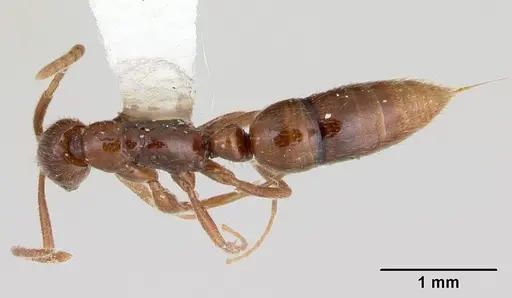
CASENT0217006
View on AntWeb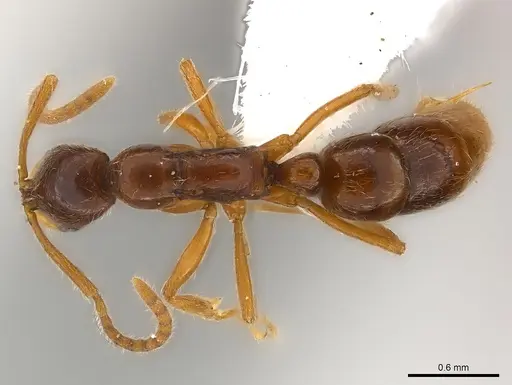
CASENT0217015
View on AntWeb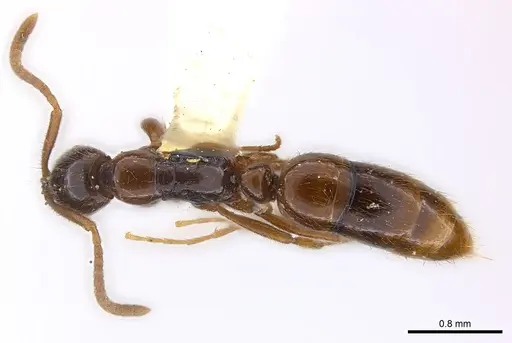
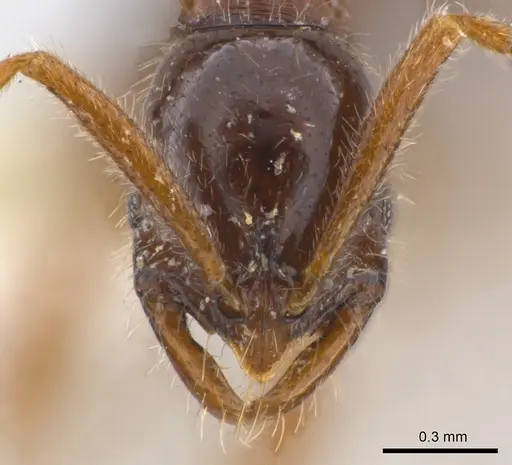
CASENT0217016
View on AntWeb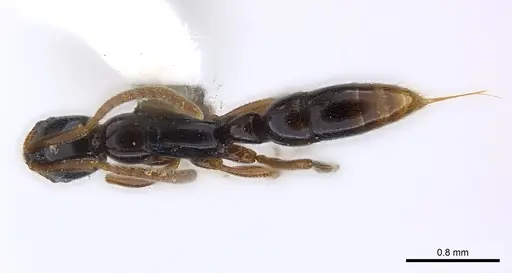
CASENT0882109
View on AntWeb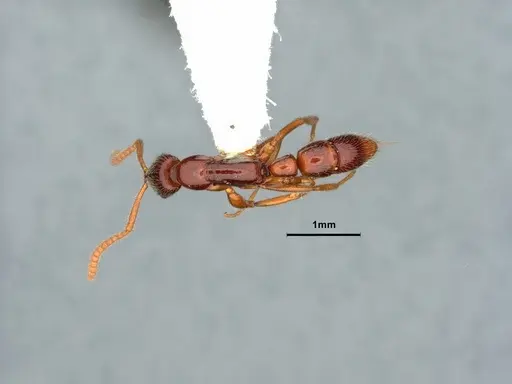
CBUMAGENT41674
View on AntWeb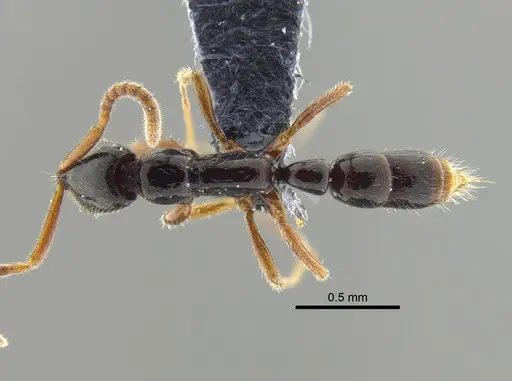
Literature
Loading...Loading products...