

Leptogenys ridens
- Scientific Name
- Leptogenys ridens
- Tribe
- Ponerini
- Subfamily
- Ponerinae
- Author
- Forel, 1910
- Distribution
- Found in 1 countries
Leptogenys ridens Overview
Leptogenys ridens is an ant species of the genus Leptogenys. It is primarily documented in 1 countries , including Madagascar. Detailed taxonomic data and occurrence records can be further explored via authoritative databases such as AntWeb or the Global Biodiversity Information Facility (GBIF).
Leptogenys ridens
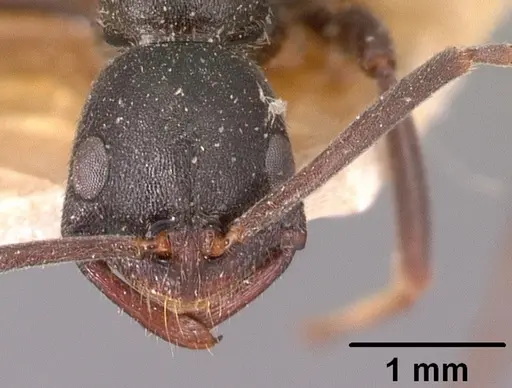
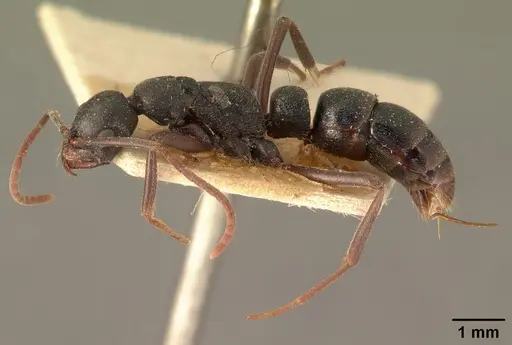
Leptogenys ridens is a medium-sized ponerine ant native to southern Madagascar. Workers are distinctive with their elongated black bodies (2.49-2.92mm mesosoma length) and notably large eyes that are roughly twice the width of their antennae scapes. They have relatively long antennae, with the scape extending more than one-third beyond the back of the head. Their coloration is primarily black with reddish-brown tips on their legs and the tip of their abdomen. This species belongs to the ridens species group and is found only in the southern regions of Madagascar, from the tropical dry forests in the southwest through the spiny forest thickets of the Mahafaly Plateau to the gallery forests in the southeast [1].
Unlike many ants that nest underground, L. ridens colonies prefer to nest in rotten logs on the forest floor, and workers forage by hunting along the ground surface. This makes them a ground-dwelling predator species typical of the Ponerinae subfamily. Their large eyes suggest they may rely more on visual hunting than some other ponerine species.
Quick Summary
- Difficulty: Medium
- Origin & Habitat: Southern Madagascar, found in tropical dry forests in the southwest, spiny forest thickets of the Mahafaly Plateau, extreme south, and gallery forest of RP Berenty in the southeast. They nest in rotten logs on the forest floor [1].
- Colony Type: Colony structure is not well documented. Based on genus patterns, likely single-queen (monogyne) colonies. Further research needed on queen number and colony size in the wild.
- Size & Growth:
- Queen: Not documented in available sources, queen measurements unavailable
- Worker: Workers measure 1.29-1.59mm head width,1.50-1.76mm head length, with mesosoma (middle body section) at 2.49-2.92mm [1]
- Colony: Colony size is unconfirmed, but based on similar Leptogenys species, likely reaches several hundred workers
- Growth: Growth rate is unconfirmed, Ponerine ants typically develop slower than many common ant genera
- Development: Development timeline is unconfirmed for this species. Based on typical Ponerine patterns, expect 8-12 weeks from egg to first worker at optimal temperature (Ponerine ants generally have longer development times than Myrmicinae species. Expect patience required during founding.)
- Antkeeping:
- Temperature: Keep around 24-28°C. Southern Madagascar experiences warm temperatures year-round. Provide a gentle thermal gradient so ants can choose their preferred spot
- Humidity: Moderate to high humidity (60-80%). Their natural habitat includes forest floors with decaying wood. Keep nest substrate consistently moist but not waterlogged. Provide a moisture gradient
- Diapause: Diapause requirements are unconfirmed. Southern Madagascar has mild seasonal variation, so a winter dormancy period may not be required. Monitor colony behavior, if they become less active in cooler months, reduce temperatures slightly for 2-3 months
- Nesting: Rotten log nesting suggests they do well in naturalistic setups with decaying wood or cork bark. A Y-tong or plaster nest with wood elements also works well. They prefer tight, enclosed spaces scaled to their size. Avoid tall open spaces, they are ground foragers, not climbers [1].
- Behavior: Leptogenys ridens is a predatory ponerine ant that forages on the forest floor. They are likely active hunters using their large eyes to locate prey. Workers are medium-sized and relatively fast-moving. They may have moderate escape risk due to their size, use standard barrier methods. Their sting is not well documented but Ponerine ants typically can sting, though pain level varies by species. Handle with care and use proper escape prevention [1].
- Common Issues: predatory feeding requirements mean they need live prey, this can be challenging for beginners compared to species that accept dead protein, slow development during founding phase may cause keepers to overfeed or disturb the queen unnecessarily, humidity control is critical, too dry and brood will fail, too wet and mold becomes a problem, wild-caught colonies may carry parasites that are difficult to detect and treat in captivity, limited availability in the antkeeping hobby means husbandry knowledge is limited compared to more common species
Housing and Nest Setup
Leptogenys ridens naturally nests in rotten logs on the forest floor, so your setup should mimic this. A naturalistic terrarium-type enclosure works best, use a layer of moist soil or coco fiber substrate, add pieces of decaying wood or cork bark for them to nest under, and include some leaf litter or moss to maintain humidity. The ants will establish their colony within the wood debris.
If you prefer a more contained setup, a Y-tong (acrylic) nest with a connecting outworld works well. Add some wood pieces or bark chips inside the nest chamber to provide the dark, enclosed spaces they prefer. Place the nest in a quiet area away from direct sunlight and vibrations. A water tube connected to the nest helps maintain humidity.
The outworld should be simple, a shallow foraging area where you can offer prey. These ants are ground-dwellers and don't climb well, so you don't need tall outworlds. Use a barrier like fluon around the rim to prevent escapes. [1]
Feeding and Diet
As a Ponerine ant, L. ridens is a predator that hunts live prey on the forest floor. Their primary diet should be small live insects, springtails, fruit flies, small crickets, mealworms, and other tiny arthropods match what they would catch in the wild. Offer prey items that are roughly half the size of the workers.
Feed every 2-3 days, offering enough prey that all workers have access within 24 hours. Remove any uneaten prey after 48 hours to prevent mold. A small dish of sugar water or honey can be offered occasionally, but Ponerine ants often ignore sweet liquids, their main nutrition comes from protein.
During founding, the queen will need to catch prey to feed her first brood. If you have a semi-claustrally founding queen, ensure small prey is available in her setup. Once workers emerge, they will take over hunting and foraging duties.
Temperature and Humidity
Keep your colony at 24-28°C, with a slight temperature gradient across the nest so ants can regulate their own exposure. A heating cable on one side of the nest (placed on top, not underneath) creates this gradient. Room temperature in this range works for established colonies.
Humidity should stay around 60-80%. The nest substrate should feel consistently moist but never waterlogged, squeeze a handful and you should get a few drops, not a stream. Mist the outworld occasionally but focus on maintaining moisture in the nest area. Good ventilation prevents mold while maintaining humidity.
Monitor your colony, if workers cluster near the heat source, increase temperature slightly, if they avoid it, reduce heat. Active foraging and brood development indicate comfortable conditions. [1]
Seasonal Care and Growth Expectations
Leptogenys ridens comes from southern Madagascar, where temperatures are warm year-round with only mild seasonal variation. Your colony may not need a true hibernation, but you might notice reduced activity during cooler months. If this happens, lower temperatures slightly (by 3-5°C) for 2-3 months rather than a full hibernation.
Growth is slow compared to common ant species. Expect the founding colony to remain small for several months. The queen lays eggs, they develop through larval and pupal stages, and nanitic (first) workers emerge after 8-12 weeks under ideal conditions. After that, growth gradually accelerates as more workers are produced.
Patience is key with this species. Ponerine colonies take time to establish, and disturbing the nest frequently can cause the queen to abandon or eat her brood. Minimize disturbances during the founding phase.
Behavior and Handling
These ants are active foragers that hunt on the forest floor. Workers are medium-sized and relatively quick-moving. They have the potential to sting, Ponerine ants possess stingers, though the pain level varies by species. Most Leptogenys stings are described as mild to moderate, but individual reactions vary.
They are not aggressive toward humans when undisturbed, but will defend their nest if threatened. When foraging, they may be skittish and retreat if the area is too bright or vibrating. Keep their setup in a calm location with minimal foot traffic.
Escape prevention is important but not extreme, their size (around 5-6mm total length) means they can't squeeze through the gaps that tiny ants exploit. Standard barriers work well, but always check for gaps around tubing connections. [1]
Frequently Asked Questions
How long does it take for Leptogenys ridens to produce first workers?
Expect 8-12 weeks from egg to first worker at optimal temperature (24-28°C). This is slower than many common ant species, Ponerine ants generally have longer development times. Be patient during founding and avoid disturbing the colony.
What do Leptogenys ridens eat?
They are predators that need live prey. Offer small insects like springtails, fruit flies, small crickets, and mealworms. Feed every 2-3 days. They may occasionally accept sugar water or honey, but protein from insects is their primary food source.
Are Leptogenys ridens good for beginners?
This species is rated as medium difficulty. Their predatory feeding requirements and slower growth make them more challenging than species that accept dead protein or sugar water. They are better suited for keepers with some experience who can provide live prey regularly.
Do Leptogenys ridens ants sting?
Yes, they can sting. Ponerine ants possess functional stingers. The pain level is typically mild to moderate, but individual reactions vary. Handle with care and avoid provoking the colony.
What temperature do Leptogenys ridens need?
Keep them at 24-28°C with a gentle gradient. A heating cable on one side of the nest helps create this gradient. They come from warm southern Madagascar and need consistent warmth for proper brood development.
Do Leptogenys ridens need hibernation?
Probably not a true hibernation. Southern Madagascar has mild seasonal variation. If your colony becomes less active in cooler months, reduce temperatures by 3-5°C for 2-3 months rather than a full hibernation period.
What type of nest works best for Leptogenys ridens?
They naturally nest in rotten logs, so a naturalistic setup with decaying wood or cork bark works well. A Y-tong or plaster nest with wood elements inside also works. They prefer dark, enclosed spaces and do not climb or nest in tall structures.
How big do Leptogenys ridens colonies get?
Colony size is not well documented, but based on similar species, they likely reach several hundred workers. Growth is slow, expect the first year to produce only a handful of workers, with growth accelerating in subsequent years.
Can I keep multiple Leptogenys ridens queens together?
Colony structure is unconfirmed for this species. Based on genus patterns, they likely have single-queen colonies. Combining unrelated queens has not been documented and is not recommended.
Why is my Leptogenys ridens colony not growing?
Check temperature (should be 24-28°C), humidity (60-80% with moist substrate), and food availability. Ponerine colonies naturally grow slowly. Also ensure you are offering live prey, they may ignore dead food. Disturbing the nest frequently can also cause stress and brood loss.
References

This caresheet is licensed under CC BY-SA 4.0 .
CASENT0002200
View on AntWeb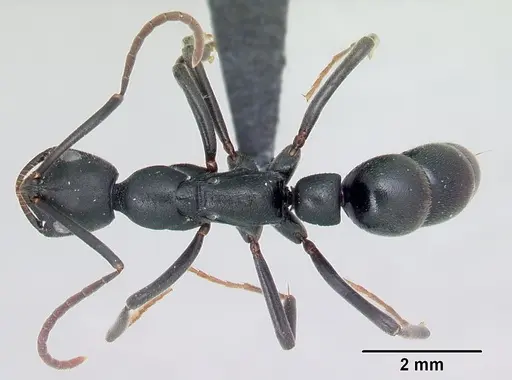
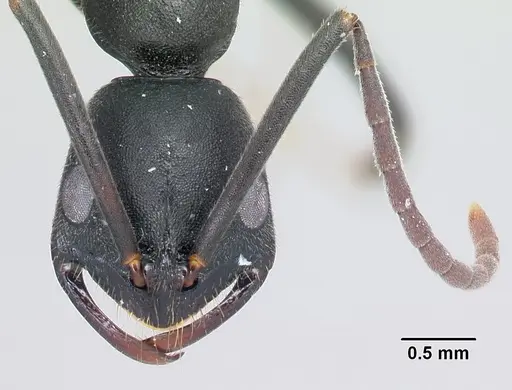
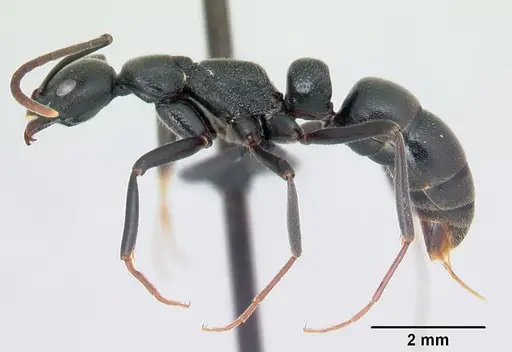
CASENT0101884
View on AntWeb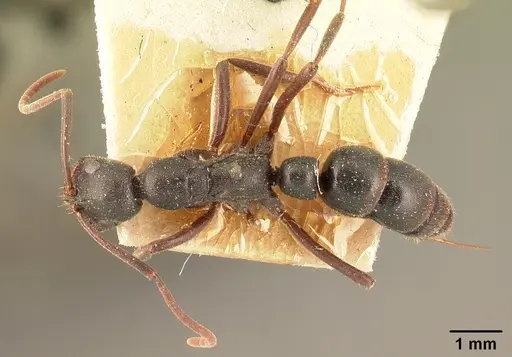
Literature
Loading...Loading products...