

Leptogenys punctaticeps
- Scientific Name
- Leptogenys punctaticeps
- Tribe
- Ponerini
- Subfamily
- Ponerinae
- Author
- Emery, 1890
- Distribution
- Found in 3 countries
Leptogenys punctaticeps Overview
Leptogenys punctaticeps is an ant species of the genus Leptogenys. It is primarily documented in 3 countries , including Costa Rica, Panama, Trinidad and Tobago. Detailed taxonomic data and occurrence records can be further explored via authoritative databases such as AntWeb or the Global Biodiversity Information Facility (GBIF).
Leptogenys punctaticeps
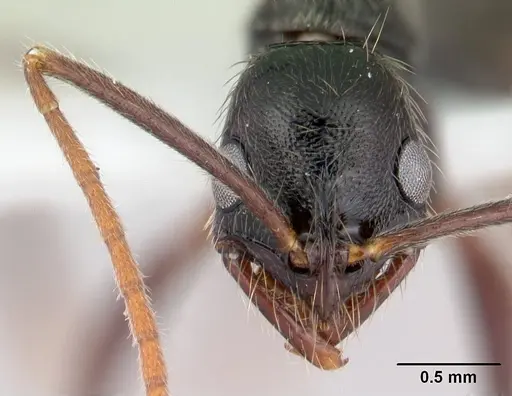
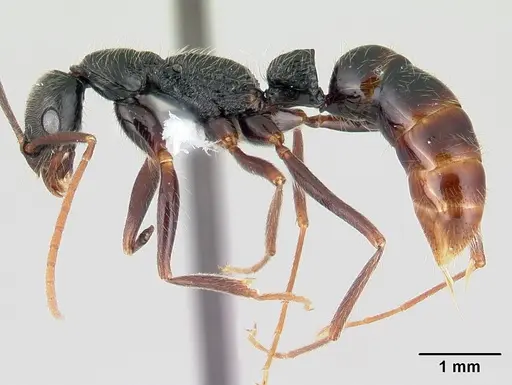
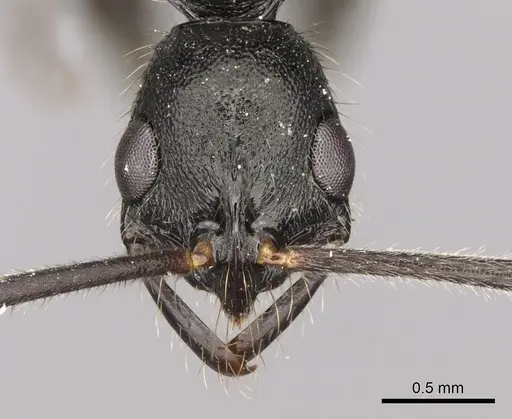
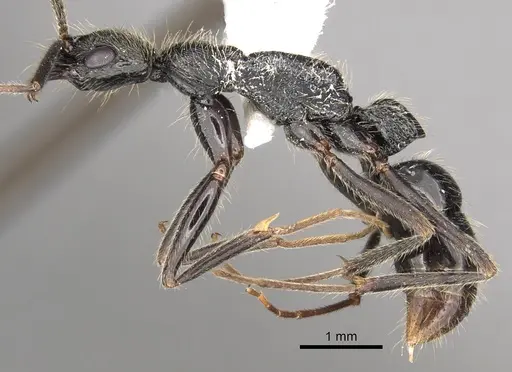
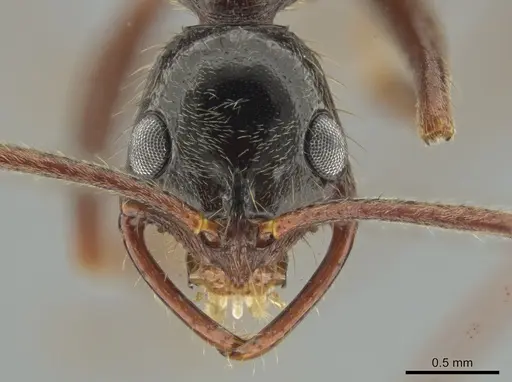
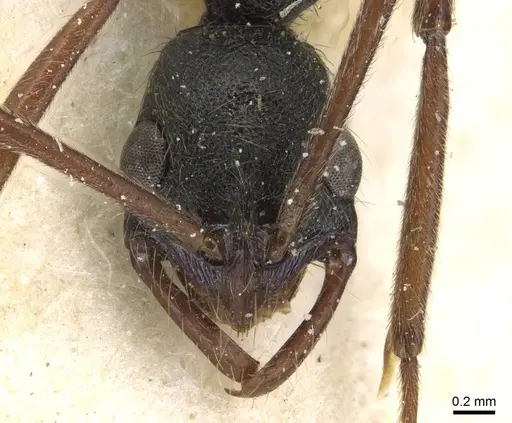
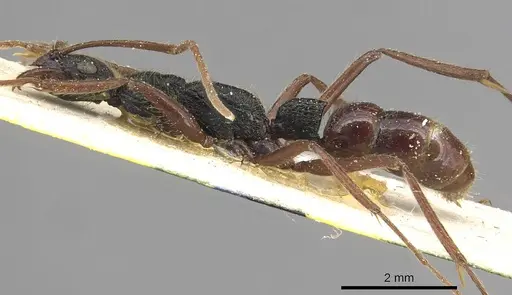
Leptogenys punctaticeps is a sleek, dark predator from the Neotropical lowlands. Workers measure around 6.5mm with elongated black bodies, chestnut-brown legs, and large eyes that cover more than a third of their head sides [1][2][3]. Their most distinctive feature is the pair of slender mandibles that cross at the tips and project forward past the reduced clypeus, leaving the labrum exposed [3]. They inhabit lowland rainforests from Costa Rica through Panama to northwestern Colombia, with records also from Cuba and the Greater Antilles [4][5][3]. Unlike ants that forage alone, these predators move in tight columns. One field observation described 39 workers marching in formation carrying pupae and large larvae, possibly fleeing an army ant raid, when disturbed, the column broke up and workers ran madly about for ten minutes before regrouping [3]. Their name comes from the punctate, or pitted, texture covering their head [1].
Quick Summary
- Difficulty: Hard
- Origin & Habitat: Lowland tropical forests of Costa Rica, Panama, and Colombia, also recorded in Cuba and Caribbean islands [4][5][3]. Found in forest floor leaf litter and under vegetation like Cecropia leaves [3].
- Colony Type: Unconfirmed, likely single-queen colonies but not verified by research.
- Size & Growth:
- Queen: Unknown, likely 7-9mm based on typical size differences in the genus [3].
- Worker: 6.5mm [1].
- Colony: Unknown, observed colony fragments contain at least 39 workers [3]. Likely small to moderate (dozens to a few hundred workers) based on related Leptogenys species.
- Growth: Unknown, likely slow to moderate based on tropical Ponerinae patterns.
- Development: Unknown, estimated 8-12 weeks at 26-28°C based on related tropical ponerines. (Timeline is unconfirmed for this species. Tropical temperatures likely speed development compared to temperate ants.)
- Antkeeping:
- Temperature: Warm and stable, roughly 24-28°C (inferred from tropical lowland forest habitat). Provide a gradient with a warm side.
- Humidity: High humidity essential. Keep substrate damp but not waterlogged, similar to a forest floor after rain.
- Diapause: No [3]. This is a tropical species that remains active year-round.
- Nesting: Naturalistic setup with deep substrate, leaf litter, and flat stones or wood pieces for cover. Observed nesting under Cecropia leaves in the wild [3].
- Behavior: Predatory and column-foraging. Workers forage in tight groups rather than alone [3]. They are sensitive to disturbance, when alarmed, they scatter and run erratically before regrouping [3]. They possess a functional sting typical of ponerines. Their slender build allows them to squeeze through surprisingly small gaps.
- Common Issues: colony may starve if offered only standard ant food like sugar water and crickets, they likely require isopods (woodlice) as primary prey., high humidity requirements mean mold risk if ventilation is poor, or desiccation if kept too dry., disturbance causes panic dispersal, workers may scatter and hide for hours if the nest is disturbed., escape risk through tiny gaps due to slender body shape and small size.
Nest Preferences in the Wild and Captivity
In nature, Leptogenys punctaticeps inhabits the forest floor of lowland tropical forests. They have been found under Cecropia leaves and moving through leaf litter in tight columns [3]. Some specimens were collected with isopods, suggesting they hunt in or around decaying wood and leaf litter where isopods dwell [3]. For captive care, provide a naturalistic setup with a deep substrate layer of coco fiber or peat mixed with leaf litter. Add flat stones, bark pieces, or broken pottery for them to nest under. They need hiding spots that mimic the dark, humid microhabitats under forest debris. A setup with poor ventilation will mold, but too much airflow will dry them out, aim for moderate ventilation with consistently damp substrate.
Specialized Predatory Diet
This species is likely a specialized predator of isopods (woodlice). The label data from Barro Colorado Island mentions specimens taken with an isopod, and many Leptogenys species specifically target isopods [3]. You should offer live isopods (small terrestrial species like Porcellio scaber or Trichorhina tomentosa) as the primary protein source. They may also accept other small live prey like springtails, termites, or tiny crickets, but isopods should form the bulk of their diet. Sugar sources like honey water or fruit flies may be ignored, observe whether your colony accepts carbohydrates before relying on them.
Tropical Climate Requirements
As a lowland tropical species, Leptogenys punctaticeps requires warm temperatures year-round. Keep the nest area between 24-28°C with a slight gradient so they can choose their preferred spot [3]. They do not hibernate and will remain active throughout the year. Humidity is critical, the substrate should feel damp to the touch but not soggy. Use a water tower or moisten one side of the nest periodically. Watch for condensation on the walls, too much indicates excessive moisture, while dry substrate edges mean you need to add water.
Column Foraging and Disturbance Sensitivity
These ants forage in tight columns rather than as individual scouts. An observer watched 39 workers moving in a tight column carrying brood, when they stopped, the column broke up and individuals ran madly about for ten minutes before reforming and moving under a leaf [3]. This suggests they are highly sensitive to disturbance and rely on group coordination for movement. In captivity, this means they may panic and scatter if you tap their enclosure or expose them to light suddenly. Work slowly and calmly when maintaining their setup. The observation of workers carrying brood and one missing her gaster suggests they may perform self-sacrifice or were victims of predation, but this behavior is not fully understood [3].
Colony Founding Challenges
The founding behavior of Leptogenys punctaticeps is unconfirmed. Most Leptogenys species are semi-claustral, meaning the queen must leave the nest to hunt during the founding stage rather than sealing herself in and living off fat reserves. If this holds true for L. punctaticeps, founding queens will need access to small prey items like isopods or termites from the start, and cannot be kept in sealed test tubes without food. However, since this is not directly documented for this species, you should be prepared for either claustral or semi-claustral founding. Start with a small founding chamber connected to a foraging area, offer tiny live prey, and observe whether the queen hunts. [3]
Frequently Asked Questions
Can I keep Leptogenys punctaticeps in a test tube?
Test tubes are not ideal for this species. They are likely semi-claustral (meaning the queen needs to forage during founding) and require high humidity with space to move. A small naturalistic setup or a connected founding chamber with substrate is better than a standard water-filled test tube.
What do Leptogenys punctaticeps eat?
They likely specialize in eating isopods (woodlice). You should offer small live isopods as their primary food. They may also accept other tiny live prey like springtails or termites, but isopods appear to be their preferred prey based on collection records [3].
How long until first workers for Leptogenys punctaticeps?
The egg-to-worker timeline is unknown for this species. Based on related tropical ponerines, expect roughly 8-12 weeks at warm temperatures (26-28°C), but this is an estimate.
How big do Leptogenys punctaticeps colonies get?
The maximum colony size is unknown. Observed fragments contained at least 39 workers [3]. Based on other Leptogenys species, colonies likely remain small to moderate, possibly reaching a few hundred workers at most.
Do Leptogenys punctaticeps need hibernation?
No. They are a tropical species from lowland forests and remain active year-round. Do not cool them down for hibernation [3].
Can I keep multiple Leptogenys punctaticeps queens together?
Combining multiple queens is not recommended. The colony structure is unconfirmed, and even if they are polygynous (multi-queen), this typically applies to sisters born in the same colony, not unrelated captured queens.
Are Leptogenys punctaticeps good for beginners?
No. They are difficult due to their likely specialized diet (requiring isopods), potential semi-claustral founding needs, high humidity requirements, and sensitivity to disturbance. They are best suited for keepers with experience in tropical ponerine care.
References

This caresheet is licensed under CC BY-SA 4.0 .
CASENT0178815
View on AntWeb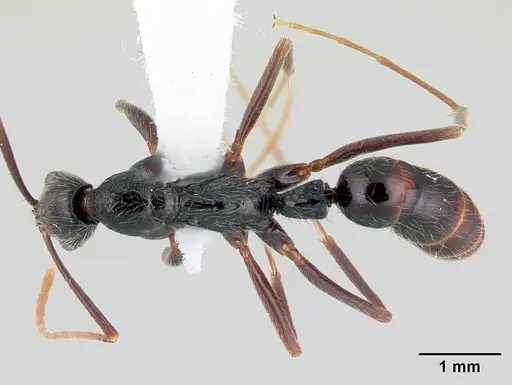
CASENT0281934
View on AntWeb
CASENT0635724
View on AntWeb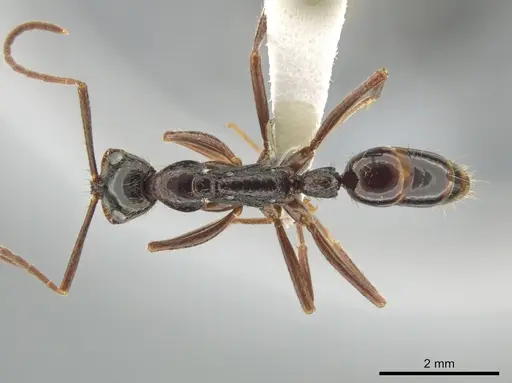
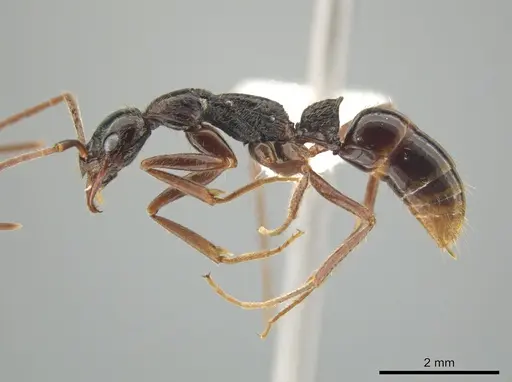
CASENT0903970
View on AntWeb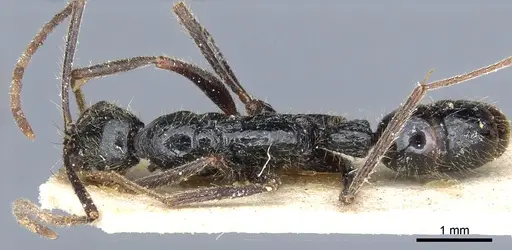
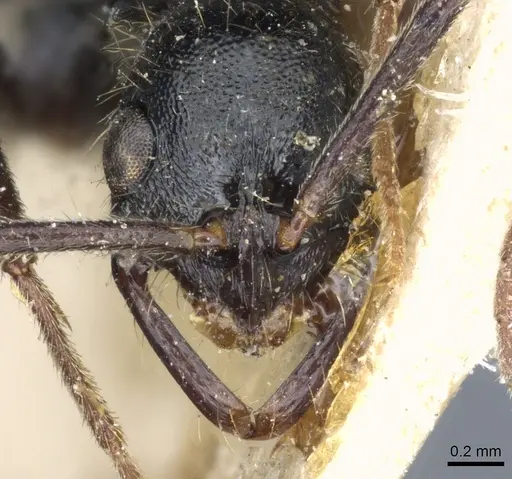
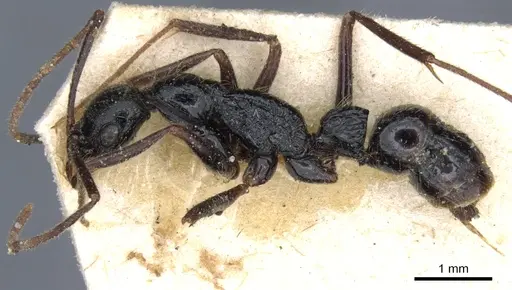
CASENT0915213
View on AntWeb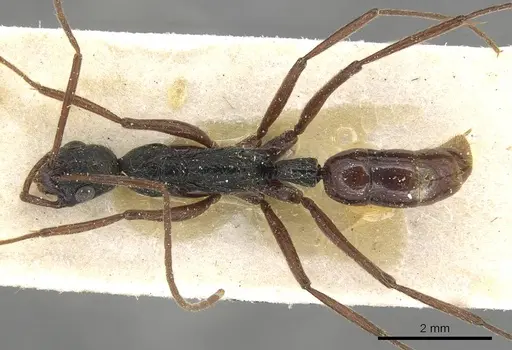
Literature
Loading...Loading products...