

Leptogenys punctata
- Scientific Name
- Leptogenys punctata
- Tribe
- Ponerini
- Subfamily
- Ponerinae
- Author
- Emery, 1914
- Distribution
- Found in 1 countries
Leptogenys punctata Overview
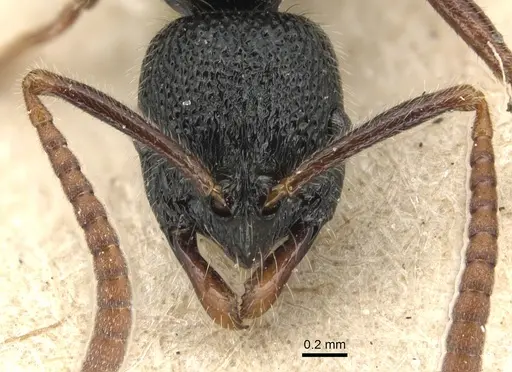
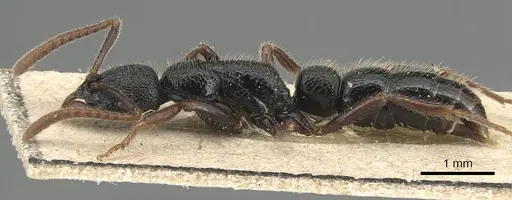
Leptogenys punctata is an ant species of the genus Leptogenys. It is primarily documented in 1 countries , including New Caledonia. Detailed taxonomic data and occurrence records can be further explored via authoritative databases such as AntWeb or the Global Biodiversity Information Facility (GBIF).
Leptogenys punctata
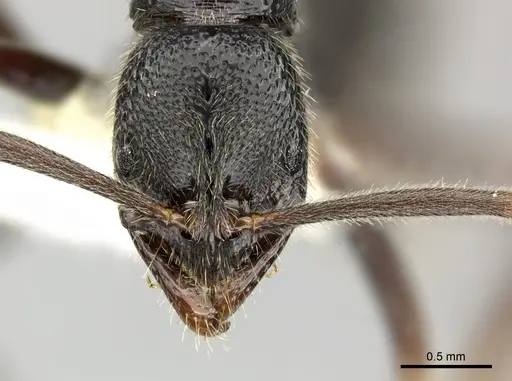
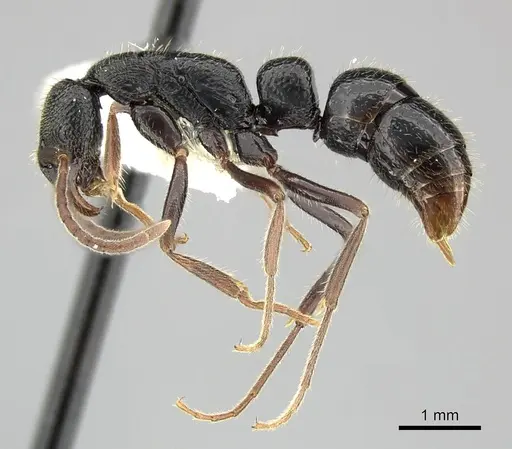
Leptogenys punctata is a predatory ant species native to New Caledonia, an island in the southwestern Pacific Ocean. Workers are slender ants belonging to the subfamily Ponerinae, a group known for their powerful sting and active hunting behavior. The genus Leptogenys is characterized by their elongated mandibles and distinctive 'leaping' behavior when threatened or pursuing prey. This species was originally described by Carlo Emery in 1914 from worker specimens collected in New Caledonia [1]. The genus Leptogenys contains over 300 species distributed across tropical and subtropical regions worldwide, with many species specializing in preying on isopods (woodlice) and other small invertebrates [2].
Quick Summary
- Difficulty: Medium
- Origin & Habitat: New Caledonia, a tropical island in the southwestern Pacific with humid forest habitats
- Colony Type: Colony structure is unconfirmed. Many Leptogenys species have ergatoid (wingless) replacement queens that can take over if the primary queen dies, but this has not been documented for L. punctata specifically.
- Size & Growth:
- Queen: Unknown, not described in available literature
- Worker: Unknown, worker was described but specific measurements not available in the research data
- Colony: Unknown, no colony size data exists for this species
- Growth: Unknown
- Development: Unconfirmed, no development data exists for this species. Based on typical Ponerinae patterns, expect 6-10 weeks at warm temperatures. (Development timeline is unconfirmed for this species. Related Leptogenys species typically take 6-10 weeks from egg to adult worker at tropical temperatures.)
- Antkeeping:
- Temperature: Keep at 24-28°C, this is based on typical tropical Ponerinae requirements and New Caledonia's warm climate. A slight gradient allows ants to regulate their temperature.
- Humidity: Maintain moderate to high humidity (60-80%). New Caledonia has a humid tropical climate, so their nest should not dry out. Keep substrate consistently moist but not waterlogged.
- Diapause: Unlikely, being a tropical species from New Caledonia, they probably do not require a true hibernation. However, a slight cool-down period during winter months may be beneficial.
- Nesting: Natural nesting preferences are unconfirmed. In captivity, Leptogenys species typically do well in naturalistic setups with moist substrate or in Y-tong/plaster nests that retain humidity. Provide a dark, humid nesting area with narrow chambers.
- Behavior: Leptogenys ants are active predators with a powerful sting. Workers are fast-moving and will readily hunt small invertebrates. When threatened, many Leptogenys species can 'leap' away from predators using their spring-like leg mechanism. They are generally more aggressive and defensive than many common pet ants. Escape prevention is important as they are active and may attempt to flee when the nest is disturbed. Their small to medium size means standard escape barriers should work, but ensure enclosures are secure.
- Common Issues: lack of documented care information makes reliable care guidelines difficult, much is inferred from genus-level patterns, tropical species may be sensitive to temperature drops, keep consistently warm, predatory diet means they need live prey, fruit flies, small crickets, or isopods, powerful sting means they can deliver painful wounds if handled roughly, humidity requirements are higher than many common ants, monitor substrate moisture closely
Housing and Nesting
Leptogenys punctata has not been documented in captivity, so specific housing recommendations are based on what works for related species in the genus. A naturalistic setup with moist substrate works well, a layer of soil or coco fiber that stays damp but not soggy. Many Leptogenys species prefer to nest in rotting wood or under objects on the forest floor, so providing pieces of wood, bark, or flat stones on moist substrate mimics their natural environment. A Y-tong (acrylic) nest with narrow chambers and a water reservoir can also work, provided humidity is maintained. The nesting area should be dark and relatively undisturbed. An outworld area allows for hunting and foraging, these ants are active predators and need space to hunt live prey.
Feeding and Diet
Leptogenys ants are specialized predators. In the wild, many species in this genus hunt isopods (woodlice) as their primary prey, but they also take other small invertebrates including springtails, mites, and tiny insects. In captivity, you should offer live prey appropriate to their size, fruit flies, small crickets, pinhead crickets, mealworms, and isopods (woodlice) are all good options. Feed prey 2-3 times per week, removing any uneaten prey after 24 hours. Unlike some ants, Leptogenys species are not typically known for accepting sugar water or honey, as they are obligate predators. However, some keepers report that they will occasionally take sugar sources, offer occasionally but do not rely on them as a primary food source.
Temperature and Seasonal Care
As a tropical species from New Caledonia, Leptogenys punctata needs warm conditions. Keep the nest and outworld at 24-28°C (75-82°F). A heating cable on one side of the nest can create a temperature gradient, allowing ants to move between warmer and cooler areas. Avoid temperatures below 20°C for extended periods, as this can weaken or kill the colony. Since New Caledonia does not experience true winter, this species likely does not need a hibernation period. However, a slight reduction in temperature during winter months (dropping to around 20-22°C) may simulate seasonal changes and could be beneficial, though this is not documented for this specific species.
Behavior and Handling
Leptogenys punctata is a Ponerine ant, which means they possess a potent sting. When threatened or handled roughly, they will not hesitate to use it. The sting is reported to be quite painful for humans, though the exact pain level for this species is not documented. These ants are fast-moving and active hunters. When disturbed, many Leptogenys species exhibit a distinctive 'leaping' behavior where they spring away from threats using their legs. In captivity, they are fascinating to watch as they hunt and capture prey. They are not aggressive toward humans unless provoked, but their defensive nature means they will sting if they feel threatened. Always use caution when opening the nest or transferring colonies.
Frequently Asked Questions
How long does it take for Leptogenys punctata to raise first workers?
The egg-to-worker development time is unconfirmed for this specific species. Based on typical Ponerinae development patterns, expect 6-10 weeks from egg to first worker at optimal temperatures (24-28°C). This is an estimate based on related species, as no direct research exists for L. punctata.
Can I keep multiple Leptogenys punctata queens together?
Colony structure (monogyne vs polygyne) has not been documented for this species. Many Leptogenys species have ergatoid (wingless) replacement queens, but whether multiple queens can found colonies together is unknown. It is not recommended to combine unrelated foundress queens, as fighting is likely.
What do Leptogenys punctata ants eat?
Like other Leptogenys species, they are predatory ants that hunt live prey. Offer small live invertebrates such as fruit flies, small crickets, pinhead crickets, mealworms, and isopods (woodlice). They are unlikely to accept sugar water or honey as primary food, though some may take it occasionally.
Do Leptogenys punctata ants sting?
Yes, they can sting. As Ponerine ants, they possess a functional sting that they will use defensively. The sting is reported to be painful, though the exact pain level varies by species. Handle with caution and avoid provoking them.
Are Leptogenys punctata ants good for beginners?
This species is not well-documented in the antkeeping hobby, and much of the care information must be inferred from related species. This makes it more challenging than established species like Lasius or Camponotus. The lack of documented care information, combined with their predatory diet and potent sting, means this species is better suited for intermediate to advanced antkeepers who are comfortable with tropical species and live prey feeding.
What temperature do Leptogenys punctata ants need?
Keep them warm at 24-28°C (75-82°F). As a tropical species from New Caledonia, they need consistently warm conditions. Avoid temperatures below 20°C for extended periods. A heating cable on part of the nest can provide a gradient.
Do Leptogenys punctata ants need hibernation?
Unlikely. Being a tropical species from New Caledonia (which has a warm, humid climate year-round), they probably do not require a true hibernation. A slight temperature reduction in winter (to around 20-22°C) may be beneficial but is not required.
How big do Leptogenys punctata colonies get?
The maximum colony size is unknown, no colony size data exists for this species in the scientific literature. Based on related Leptogenys species, colonies likely reach several hundred workers at most, as this genus is not known for supercolonies.
When should I move Leptogenys punctata to a formicarium?
Wait until the colony has at least 20-30 workers and is actively using the outworld for hunting. Leptogenys species often do well in naturalistic setups with moist substrate rather than traditional formicariums. A transition to a more enclosed nest can be made once the colony is established and growing well.
Why are my Leptogenys punctata ants dying?
Without documented care information, troubleshooting is challenging. Common issues include: temperature too low (keep above 24°C), humidity too low (they need moist conditions), insufficient live prey (they are obligate predators), or stress from disturbance. Ensure they have appropriate prey, warm humid conditions, and a quiet, dark nesting area.
References

This caresheet is licensed under CC BY-SA 4.0 .
CASENT0270568
View on AntWeb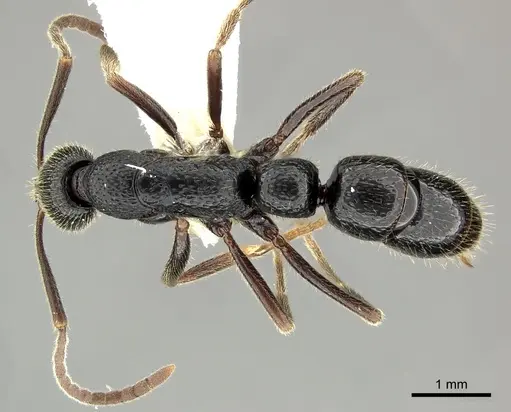
CASENT0903948
View on AntWeb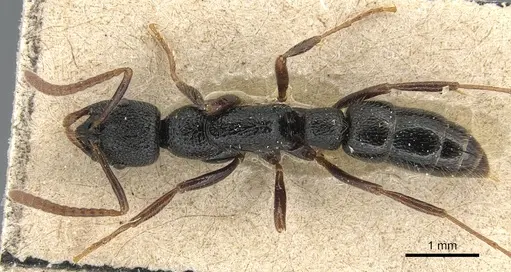
Literature
Loading...Loading products...