

Leptogenys pruinosa
- Scientific Name
- Leptogenys pruinosa
- Tribe
- Ponerini
- Subfamily
- Ponerinae
- Author
- Forel, 1900
- Distribution
- Found in 1 countries
Leptogenys pruinosa Overview
Leptogenys pruinosa is an ant species of the genus Leptogenys. It is primarily documented in 1 countries , including Sri Lanka. Detailed taxonomic data and occurrence records can be further explored via authoritative databases such as AntWeb or the Global Biodiversity Information Facility (GBIF).
Leptogenys pruinosa
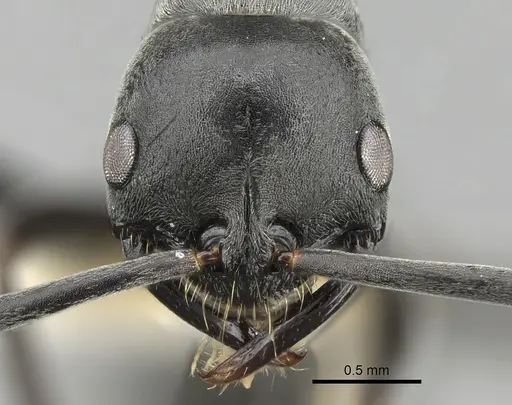
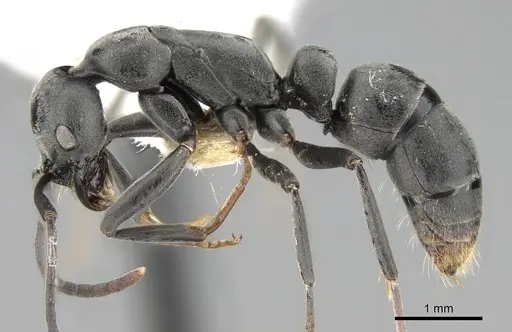
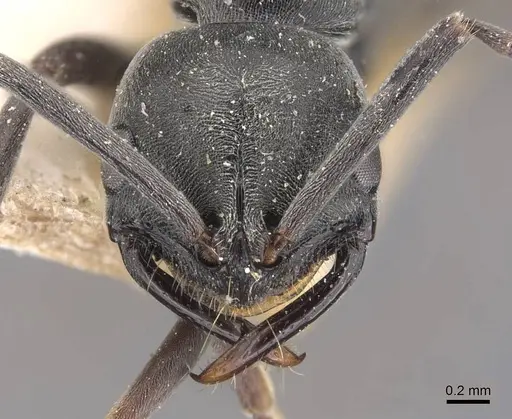
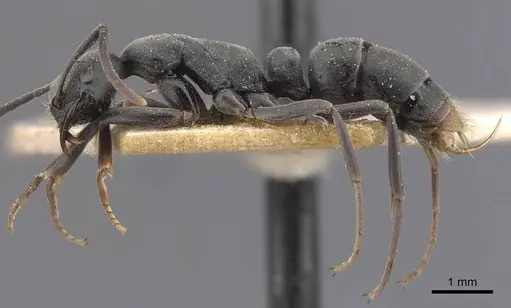
Leptogenys pruinosa is a medium-sized predatory ant native to Sri Lanka and the Philippines. Workers measure 6.8-7mm and have a distinctive appearance with their entire body covered in a fine grayish pruinose (frosted) pubescence that gives them a dusty, matte look. Their head is as long as wide, slightly wider at the front, and they possess long, narrow, arched and pointed mandibles designed for hunting prey. These ants belong to the maxillosa species group within the genus Leptogenys and are ground-dwelling predators found primarily in the wet tropical zones of their range.
Quick Summary
- Difficulty: Medium
- Origin & Habitat: Sri Lanka and Philippines, wet tropical zones, ground-dwelling in forest habitats [1][2]
- Colony Type: Likely single-queen colonies (monogyne) based on typical Leptogenys patterns
- Colony: Monogyne
- Size & Growth:
- Queen: Estimated 10-12mm based on genus patterns
- Worker: 6.8-7mm [3]
- Colony: Unknown for this species, likely 100-500 workers based on related Leptogenys
- Growth: Moderate, typical for predatory Ponerinae
- Development: Estimated 6-10 weeks at tropical temperatures based on related Ponerinae species (Direct development data unavailable, estimate based on genus-level patterns for Leptogenys)
- Antkeeping:
- Temperature: Keep at 24-28°C, tropical species requiring warm conditions
- Humidity: High humidity required, they inhabit wet forest zones. Keep substrate consistently moist but not waterlogged.
- Diapause: No, being a tropical species, they do not require hibernation. Maintain warm conditions year-round.
- Nesting: Ground-nesting species that prefers moist soil or naturalistic setups with damp substrate. A Y-tong or plaster nest with good moisture retention works well.
- Behavior: Leptogenys pruinosa is a predatory ant that hunts small invertebrates using its long, slender mandibles. They are likely active foragers that hunt individually or in small groups. As a Ponerine ant, they likely have a functional sting though the pain level for humans is unknown. Workers are medium-sized at nearly 7mm, so escape prevention should be moderate, standard formicarium barriers are usually sufficient. They are ground-dwelling and will likely explore the outworld regularly.
- Common Issues: tropical humidity requirements can lead to mold growth if ventilation is poor, predatory diet means they need live prey, beginners may struggle with feeding, slow colony growth compared to seed-eating ants can lead to keeper frustration, ground-nesting behavior requires proper moisture management in nests, limited available information means some care aspects are estimates rather than confirmed
Appearance and Identification
Leptogenys pruinosa workers are medium-sized ants measuring 6.8-7mm in length. They are easily recognized by their distinctive pruinose appearance, their entire body is covered in a fine grayish frosted pubescence that gives them a dusty, matte finish. The head is approximately as long as wide, slightly wider at the front than at the back. Their most striking feature is their long, narrow, arched and pointed mandibles, which lack a distinct masticatory margin and are adapted for hunting prey. The eyes are positioned relatively far from the anterior angle of the head, approximately equal to their own diameter. The body surface is dull and very finely sculptured without large spaced punctures. This combination of features places them in the maxillosa species group within the genus Leptogenys. [3]
Natural Habitat and Distribution
This species is found in two locations within the Indomalaya region: Sri Lanka and the Philippines. In Sri Lanka, they are restricted to the wet zone, which is the southwestern region of the island characterized by high rainfall and tropical forest vegetation [1]. They are ground-dwelling ants, meaning they nest in soil rather than in trees or above-ground locations. Studies in Sri Lanka's dry zone have not recorded this species, confirming their preference for wetter habitats [4]. The wet zone where they occur receives significant monsoon rainfall and maintains high humidity year-round, providing clues about their care requirements in captivity.
Feeding and Diet
As a member of the subfamily Ponerinae, Leptogenys pruinosa is a predatory ant that hunts small invertebrates. Their long, slender, arched mandibles are specifically adapted for capturing and holding prey items. In captivity, you should offer them small live prey such as fruit flies, small crickets, mealworms, and other appropriately sized insects. Unlike some ants that readily accept sugar sources, Ponerine ants like this species are primarily protein predators and may show limited interest in honey or sugar water. Feed them protein prey 2-3 times per week, adjusting based on colony size and consumption rate. Remove uneaten prey after 24-48 hours to prevent mold issues.
Temperature and Humidity Requirements
Being a tropical species from Sri Lanka's wet zone, Leptogenys pruinosa requires warm and humid conditions. Maintain temperatures in the range of 24-28°C (75-82°F), this is typical for tropical ants and supports normal colony activity and brood development. Avoid temperatures below 22°C as this may slow their metabolism and potentially harm the colony. Humidity is particularly important for this species, they naturally inhabit wet forest floors where the substrate remains consistently moist. Keep their nest substrate damp but not waterlogged, and provide a water tube for drinking access. Poor humidity can lead to desiccation and colony decline. [1]
Nesting Preferences
Leptogenys pruinosa is a ground-nesting species that naturally excavates chambers in soil or nests under stones in damp forest floor habitats. In captivity, they do well in naturalistic setups with moist substrate or in formicarium nests that retain humidity well. Y-tong (acrylic) nests or plaster nests with water reservoirs work well for this species. The chambers should be appropriately sized for workers that are nearly 7mm, not too cramped but not excessively spacious. Provide a moisture source such as a water tube connected to the nest or regular misting of the substrate. Avoid nests that dry out quickly, as this species has high humidity requirements.
Colony Development
The colony structure for this species follows typical Leptogenys patterns, with single-queen colonies being most likely. The founding process is not directly documented for this species, but most Leptogenys are semi-claustral, meaning the queen leaves the nest to hunt for food during the founding stage rather than relying solely on stored fat reserves. This makes founding colonies slightly more challenging than claustral species. Colony growth is likely moderate, Ponerine ants typically develop more slowly than common Formicinae like Lasius or Camponotus. Expect several months from founding to the first workers (nanitics), and several years to reach moderate colony sizes of 100-500 workers. Be patient with these ants as they reward careful keepers with fascinating predatory behavior.
Frequently Asked Questions
How long does it take for Leptogenys pruinosa to produce first workers?
The exact timeline is unconfirmed for this species, but based on related Ponerinae ants, expect approximately 6-10 weeks from egg to first worker at optimal tropical temperatures (24-28°C). This is slower than many common ant species, so patience is required during the founding stage.
What do Leptogenys pruinosa eat?
They are predatory ants that hunt small invertebrates. Feed them appropriately sized live prey such as fruit flies, small crickets, mealworms, or other small insects. They may accept dead prey but live prey stimulates their natural hunting behavior.
Can I keep Leptogenys pruinosa in a test tube?
Test tubes can work for founding colonies, but you must maintain high humidity. These ants require moist conditions, so consider a test tube setup with a water reservoir or transition to a more humidity-retentive nest (Y-tong or plaster) once the colony grows.
Are Leptogenys pruinosa good for beginners?
They are considered intermediate difficulty. While not the hardest ant to keep, their predatory diet, humidity requirements, and slower growth require more attention than beginner-friendly species like Lasius or Tetramorium. Not recommended as a first ant unless you're prepared for their specific needs.
Do Leptogenys pruinosa need hibernation?
No, they are tropical ants from Sri Lanka's wet zone and do not require hibernation or winter cooling. Maintain warm temperatures (24-28°C) year-round for optimal colony health.
How big do Leptogenys pruinosa colonies get?
Colony size is not directly documented, but based on related species in the genus, they likely reach 100-500 workers at maturity. This is moderate compared to some ants that can reach thousands.
Why is my Leptogenys pruinosa colony declining?
Common causes include: low humidity (they need moist conditions), too low temperature (keep above 24°C), insufficient protein prey, or stress from excessive disturbance. Ensure proper humidity, warmth, and regular feeding with appropriate live prey.
When should I move Leptogenys pruinosa to a formicarium?
Move them when the colony reaches 15-30 workers and the test tube setup becomes cramped. A formicarium with good humidity retention (Y-tong or plaster) is recommended for this ground-dwelling species.
Can I keep multiple Leptogenys pruinosa queens together?
This is not recommended. While colony structure is not fully confirmed, Leptogenys typically form single-queen colonies. Combining unrelated queens has not been documented for this species and may result in aggression.
References

This caresheet is licensed under CC BY-SA 4.0 .
CASENT0281920
View on AntWeb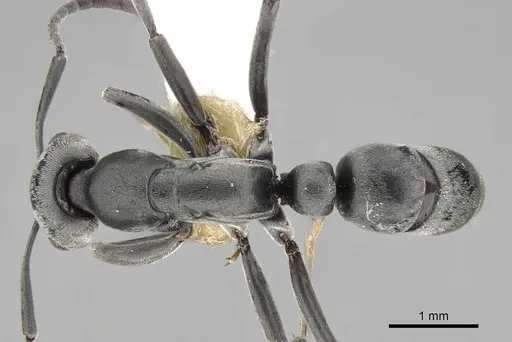
CASENT0907337
View on AntWeb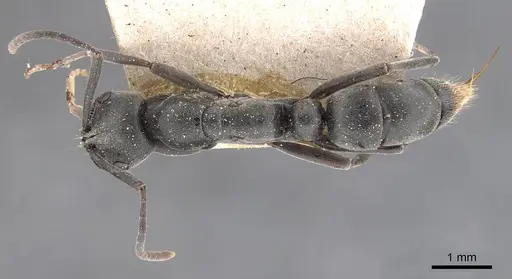
Literature
Loading...Loading products...