

Leptogenys podenzanai
- Scientific Name
- Leptogenys podenzanai
- Tribe
- Ponerini
- Subfamily
- Ponerinae
- Author
- Emery, 1895
- Distribution
- Found in 1 countries
Leptogenys podenzanai Overview
Leptogenys podenzanai is an ant species of the genus Leptogenys. It is primarily documented in 1 countries , including Australia. Detailed taxonomic data and occurrence records can be further explored via authoritative databases such as AntWeb or the Global Biodiversity Information Facility (GBIF).
Leptogenys podenzanai
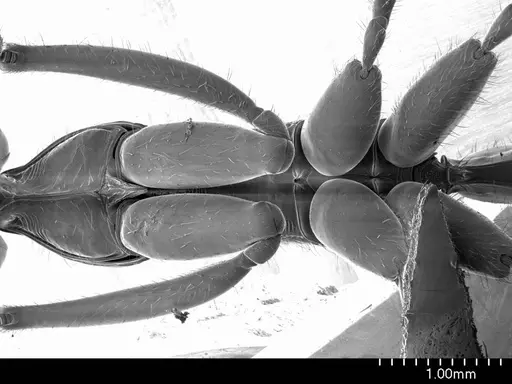
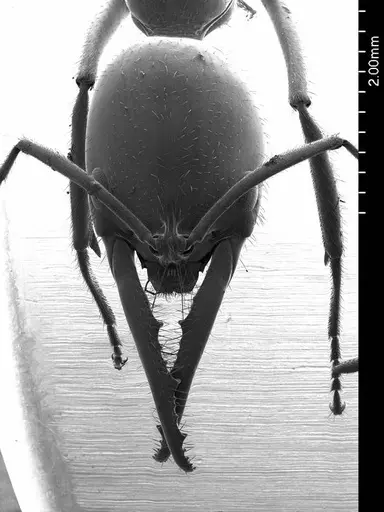
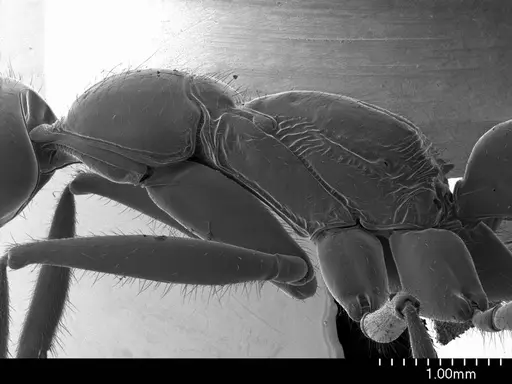
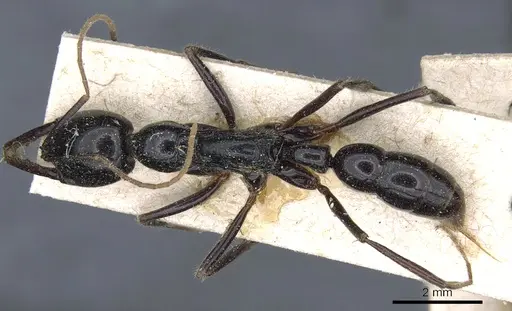
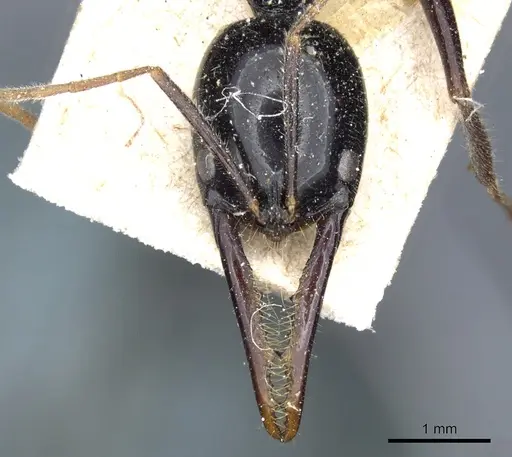
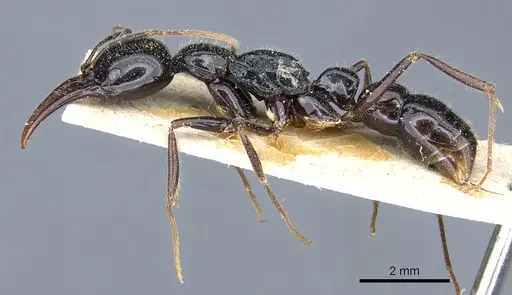
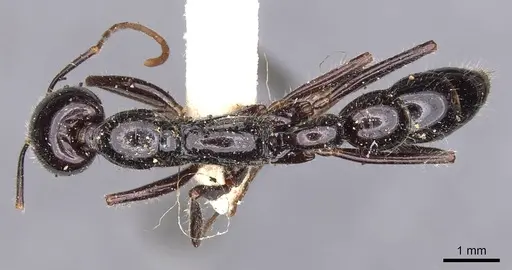
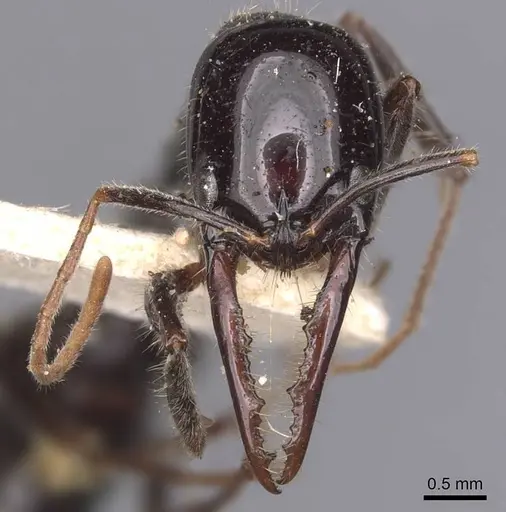
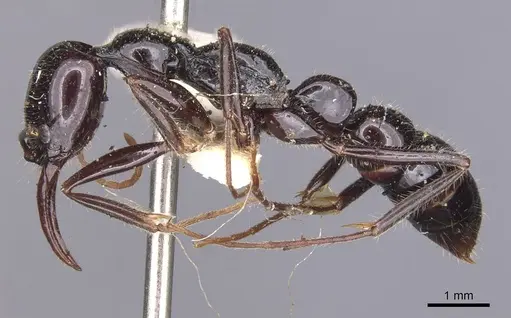
Leptogenys podenzanai is an Australian ponerine ant belonging to the subfamily Ponerinae. Workers are slender ants with distinctive elongated bodies, typical of the Leptogenys genus. The species was originally described in 1895 and transferred from Prionogenys to Leptogenys in 1988. This ant is found across Australia, particularly in the Australasian region. Like other Leptogenys species, they are predatory ants with pectinate claws, using their sting for defense and prey capture. Colonies are relatively small compared to many other ant genera.
Quick Summary
- Difficulty: Medium
- Origin & Habitat: Australia, found throughout the Australasian region. Natural habitat includes forest floors and under stones where they hunt for prey [1].
- Colony Type: Likely monogyne (single queen) based on typical Leptogenys patterns. Colony size is estimated to be small to moderate, likely under 500 workers based on genus patterns [2].
- Colony: Monogyne
- Founding: Semi-claustral
- Size & Growth:
- Queen: Estimated 8-10mm based on genus Leptogenys morphology [2].
- Worker: Approximately 5-7mm based on original species description [1].
- Colony: Estimated 200-500 workers based on typical Leptogenys colony sizes.
- Growth: Moderate, typical for Ponerinae which develop slower than many Formicinae.
- Development: Estimated 8-12 weeks based on typical Ponerinae development at warm temperatures [2]. (Development time is estimated from related Ponerinae species, specific timing for this species is unconfirmed.)
- Antkeeping:
- Temperature: Keep at 22-26°C. A gentle gradient allows ants to self-regulate. Australian species can tolerate slightly cooler conditions than tropical counterparts.
- Humidity: Moderate humidity around 50-70%. Provide a moist nesting area but allow for drier escape zones.
- Diapause: Yes, Australian temperate species require a winter rest period. Reduce temperature to 15-18°C for 2-3 months during winter.
- Nesting: Y-tong nests or test tube setups work well. Provide narrow chambers scaled to their medium size. They prefer dark, quiet locations. Naturalistic setups with stones or logs are also suitable.
- Behavior: Leptogenys podenzanai is a predatory ant that hunts insects and other small arthropods. They have a functional sting and may use it defensively if provoked. Workers are active foragers that hunt individually or in small groups. They are not aggressive toward keepers but will defend their nest. Escape prevention should be moderate, they are medium-sized ants but can climb smooth surfaces.
- Common Issues: slow colony growth can frustrate beginners who expect rapid development, predatory diet means they need live prey, cannot survive on sugar alone, hibernation is required for long-term colony health, small colony sizes mean losses have bigger impact, test tube flooding can drown colonies if water reservoirs are too large
Housing and Nest Setup
Leptogenys podenzanai does well in standard ant keeping setups. Test tubes work for founding colonies, while Y-tong (AAC) nests or naturalistic setups suit established colonies. These ants prefer dark, quiet nesting areas and will often nest under stones or in rotting wood in the wild. Provide a nesting chamber scaled to their medium size, roughly 10-15mm wide passages work well. An outworld for foraging is essential since they hunt live prey. Use a water test tube as a humidity source, but avoid over-wetting the nest material. Escape prevention should include barrier tape on smooth surfaces, though they are less prone to escaping than smaller species. [2][1]
Feeding and Diet
As predatory ponerine ants, Leptogenys podenzanai requires a protein-rich diet of live insects. Feed small prey like fruit flies, pinhead crickets, mealworms, and other appropriately-sized arthropods. They are active hunters that will chase down moving prey. Unlike many ants, they show limited interest in sugar water or honey, though some keepers report occasional acceptance. Feed workers 2-3 times per week, adjusting based on colony size and consumption. Remove uneaten prey after 24 hours to prevent mold. A varied diet helps ensure colony health. [2]
Temperature and Seasonal Care
Maintain temperatures between 22-26°C for optimal colony development. Australian species can tolerate brief temperature drops but perform best in warm conditions. A heating cable on one side of the nest creates a useful gradient. During winter, provide a diapause period by reducing temperatures to 15-18°C for 2-3 months. This mimics their natural seasonal cycle and supports colony health. Do not cool suddenly, reduce temperature gradually over 1-2 weeks. Resume normal temperatures in spring to trigger renewed activity and brood production. [1]
Behavior and Temperament
Leptogenys podenzanai workers are active hunters that forage individually or in small groups. They possess a functional sting which they may use defensively, though the pain level is generally mild to moderate for humans. They are not particularly aggressive toward keepers but will defend their nest vigorously if threatened. Workers are relatively long-lived compared to many ant species, which helps compensate for their slower colony growth. They communicate through chemical signals and tactile interactions rather than the tandem-running seen in some genera. [2][1]
Colony Development
Colony growth is slower than many common ant species. A newly mated queen will take 8-12 weeks to produce her first workers (nanitics), though this timeline is estimated from related species. Initial broods are typically small, perhaps 3-8 workers. Growth accelerates gradually as the colony establishes. Mature colonies may reach 200-500 workers over several years. The queen is long-lived and can produce workers for many years. Unlike some ponerines, this species does not have ergatoid (worker-like) replacement queens, if the queen dies, the colony will eventually die out. [2]
Frequently Asked Questions
How long does it take for Leptogenys podenzanai to produce first workers?
Expect 8-12 weeks from egg to first worker at optimal temperature (22-26°C). This is slower than many common ant species due to their Ponerinae biology.
What do Leptogenys podenzanai ants eat?
They are predatory ants that need live insects. Feed small prey like fruit flies, pinhead crickets, or mealworms 2-3 times weekly. They typically ignore sugar sources.
Do Leptogenys podenzanai ants sting?
Yes, they have a functional sting and may use it defensively. The sting causes mild to moderate pain for humans, similar to other Ponerine ants.
Are Leptogenys podenzanai good for beginners?
They are rated as medium difficulty. Their slow growth and specific dietary needs make them better suited for keepers with some experience. Their predatory requirements are more demanding than sugar-feeding ants.
Do Leptogenys podenzanai need hibernation?
Yes, as an Australian species they require a winter rest period. Reduce temperatures to 15-18°C for 2-3 months during winter.
How big do Leptogenys podenzanai colonies get?
Colonies typically reach 200-500 workers over several years. They remain smaller than many common ant species.
Can I keep multiple Leptogenys podenzanai queens together?
This species is likely monogyne (single queen). Combining unrelated queens is not recommended as they would likely fight.
What temperature do Leptogenys podenzanai need?
Keep them at 22-26°C with a gentle gradient. They can tolerate slightly cooler conditions but perform best in warm temperatures.
When should I move Leptogenys podenzanai to a formicarium?
Wait until the colony has 20-30 workers. Moving too early can stress the colony. A Y-tong or naturalistic setup works well for established colonies.
Why is my Leptogenys podenzanai colony not growing?
Check temperature (22-26°C), feeding frequency (2-3x weekly live prey), and ensure hibernation was provided. Slow growth is normal, they are naturally slower developers than many ants.
References

This caresheet is licensed under CC BY-SA 4.0 .
Literature
Loading...Loading products...