

Leptogenys pilaka
- Scientific Name
- Leptogenys pilaka
- Tribe
- Ponerini
- Subfamily
- Ponerinae
- Author
- Rakotonirina & Fisher, 2014
- Distribution
- Found in 1 countries
Leptogenys pilaka Overview
Leptogenys pilaka is an ant species of the genus Leptogenys. It is primarily documented in 1 countries , including Madagascar. Detailed taxonomic data and occurrence records can be further explored via authoritative databases such as AntWeb or the Global Biodiversity Information Facility (GBIF).
Leptogenys pilaka
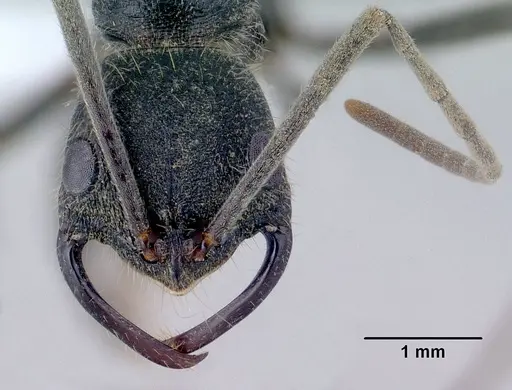
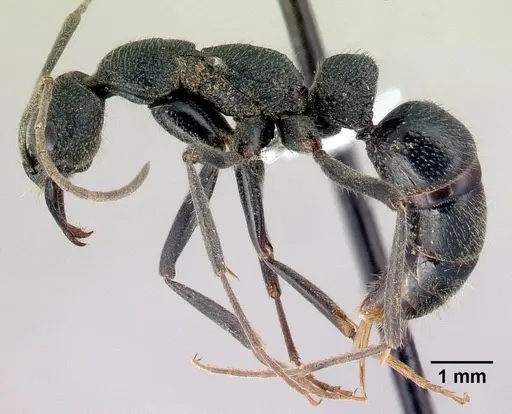
Leptogenys pilaka is a small predatory ant species native to northern Madagascar. Workers measure 1.98-2.17mm in head width and have a distinctive appearance with large eyes that extend beyond the lateral outline of the head, a relatively short antennal scape, and slender, weakly curved mandibles. The body is primarily black with brown basal portions on the appendages and a lighter brown tip on the gaster. This species belongs to the alluaudi species complex within the genus Leptogenys and can be distinguished from related species like L. alluaudi by its eye position, which breaks the lateral outline of the head. Colonies are found nesting in rotten logs on the forest floor, where workers actively forage for prey.
Quick Summary
- Difficulty: Medium
- Origin & Habitat: Northern Madagascar, found in the transitional dry forest of RS Ankarana at 80m elevation and in the lower montane rainforest of PN Montagne d'Ambre at 885m elevation [1]. This range from lowland dry forest to montane rainforest shows the species can adapt to different humidity levels.
- Colony Type: Colony structure is unconfirmed. Workers have been observed foraging and colonies nest in rotten logs, but the exact queen number and colony size in the wild is not documented.
- Size & Growth:
- Queen: Unconfirmed, no queen measurements available for this species
- Worker: Workers are 1.98-2.17mm in head width (HW), with a head length of 2.09-2.23mm [1]
- Colony: Unknown, no colony size data available
- Growth: Unknown, no development timing data available for this species
- Development: Unconfirmed, no direct development data available. Based on typical Ponerine patterns, expect 6-10 weeks at optimal temperature. (Development timeline is unconfirmed for this species. Related Malagasy Leptogenys species typically show moderate growth rates.)
- Antkeeping:
- Temperature: Keep at 22-26°C. The species occurs across elevations from 80m to 885m in Madagascar, suggesting tolerance to a range of temperatures. Start in the mid-20s and observe colony activity.
- Humidity: High humidity is essential, they nest in rotten logs in humid forest environments. Keep nest substrate consistently moist but not waterlogged. Provide a water tube as a humidity source.
- Diapause: Unknown, no specific data on overwintering requirements. Being a tropical species from Madagascar, they likely do not require true hibernation but may reduce activity during cooler periods.
- Nesting: Natural nesting: colonies are found in rotten logs on the forest floor. Captive recommendations: a naturalistic setup with rotting wood pieces or a well-humidified Y-tong/plaster nest works well. They need tight, humid chambers that mimic their natural log-nesting habitat.
- Behavior: Leptogenys pilaka is a predatory ant, workers forage on the forest floor searching for small invertebrates. As a Ponerine species, they likely have a potent sting and should be handled with caution. Escape risk is moderate given their small size, use standard barrier methods. They are active foragers and likely maintain clear pheromone trails to food sources.
- Common Issues: predatory feeding requirements can be challenging, they need regular live prey which is harder to provide than standard ant foods, high humidity needs make them prone to mold issues if ventilation is poor, tropical species may struggle if temperatures drop below 20°C, escape prevention is important, small ants can squeeze through standard test tube barriers, lack of available care information makes troubleshooting difficult since this species is rarely kept
Housing and Nest Setup
Leptogenys pilaka naturally nests in rotten logs on the forest floor, so a naturalistic setup works best. Use a container with moist substrate (like a mix of soil and rotting wood pieces) or a Y-tong nest with humid chambers. The key is maintaining consistently high humidity without waterlogging, these ants come from humid forest environments. A water tube connected to the nest helps maintain moisture levels. Because they are small (around 2mm), ensure your setup has no large gaps or cracks where they could escape. Avoid completely sealed setups as they need some ventilation to prevent mold. [1]
Feeding and Diet
As a Ponerine ant, Leptogenys pilaka is predatory and needs a protein-rich diet. Feed workers small live prey such as fruit flies, pinhead crickets, mealworms, or other small invertebrates. They likely hunt by foraging on the forest floor, using their keen vision to spot prey. Offer prey items every 2-3 days, removing any uneaten remains to prevent mold. Sugar sources like honey or sugar water may be accepted occasionally but should not be the primary food, these are meat-eaters. Observe your colony to determine their preferred prey sizes and feeding frequency. [1]
Temperature and Seasonal Care
Keep your colony at 22-26°C. The species occurs across an elevation range from 80m to 885m in Madagascar, suggesting they can tolerate a range of conditions. A heating cable on one side of the nest can create a temperature gradient, allowing ants to self-regulate. As a tropical species from Madagascar, they do not require true hibernation. However, they may reduce activity during cooler periods, this is normal seasonal behavior, not a diapause requirement. Monitor colony activity levels and adjust temperature accordingly. [1]
Behavior and Temperament
Leptogenys pilaka workers forage on the forest floor, actively searching for prey. As a Ponerine ant, they possess a sting which can be potent, handle with caution and avoid provoking defensive responses. They likely use pheromone trails to communicate food locations to nestmates. Workers are small but active, and the colony will establish clear foraging patterns once established. Expect moderate activity levels with workers readily leaving the nest to hunt for prey. The escape risk is moderate due to their small size, use fluon barriers or similar escape prevention on any open tops. [1]
Growth and Colony Development
Colony development data is limited for this species. Workers measure 1.98-2.17mm in head width, making them relatively small Ponerines. Based on related species, expect the first workers (nanitics) to emerge smaller than mature workers. Growth rate is unknown but likely moderate, Ponerine colonies typically develop more slowly than many common ant species. Be patient with founding colonies, it may take several months to see significant growth. The queen's founding behavior is unconfirmed but likely follows the typical Leptogenys pattern of claustral founding. [1]
Frequently Asked Questions
What do Leptogenys pilaka ants eat?
They are predatory ants that need live protein. Feed small live prey like fruit flies, pinhead crickets, small mealworms, or other tiny invertebrates. Remove uneaten prey after 24-48 hours. Sugar water may be occasionally accepted but protein is essential.
How long does it take for Leptogenys pilaka to develop from egg to worker?
The exact development timeline is unconfirmed for this species. Based on typical Ponerine ant development, expect approximately 6-10 weeks from egg to worker at optimal temperature (around 24°C). Patience is key with this species.
What size colony does Leptogenys pilaka reach?
Colony size data is not available for this species. Based on related Leptogenys species, expect moderate-sized colonies, likely under a few hundred workers at maturity.
What temperature do Leptogenys pilaka need?
Keep them at 22-26°C. They occur across elevations from 80m to 885m in Madagascar, showing they can tolerate a range. Start around 24°C and adjust based on colony activity.
What humidity level do Leptogenys pilaka need?
High humidity is essential, they nest in rotten logs in humid forests. Keep nest substrate consistently moist but not waterlogged. A water tube connected to the nest helps maintain humidity.
Can I keep multiple Leptogenys pilaka queens together?
The colony structure is unconfirmed, we don't know if they are single-queen or multi-queen colonies in the wild. Combining unrelated queens is not recommended since this has not been documented.
Are Leptogenys pilaka good for beginners?
This species is rated as Medium difficulty. The main challenges are providing regular live prey and maintaining high humidity. If you have experience with predatory ants like Ponera or Hypoponera, this species may be manageable.
Do Leptogenys pilaka need hibernation?
No, being a tropical species from Madagascar, they do not require true hibernation. They may reduce activity during cooler periods, which is normal seasonal behavior.
Why are my Leptogenys pilaka dying?
Common causes include: low humidity (they need moist conditions), improper temperature (too cold below 20°C), lack of live prey (they need protein), or poor escape prevention. Check these factors and adjust accordingly.
Where is Leptogenys pilaka found in the wild?
Northern Madagascar, specifically in the transitional dry forest of RS Ankarana at 80m elevation and in the lower montane rainforest of PN Montagne d'Ambre at 885m elevation.
References

This caresheet is licensed under CC BY-SA 4.0 .
CASENT0134025
View on AntWeb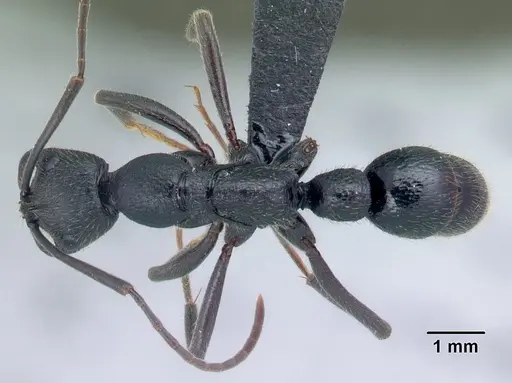
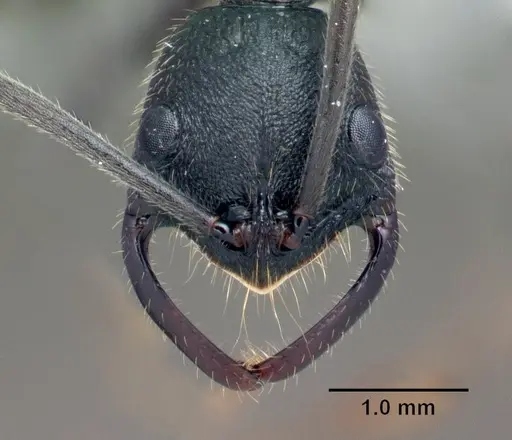
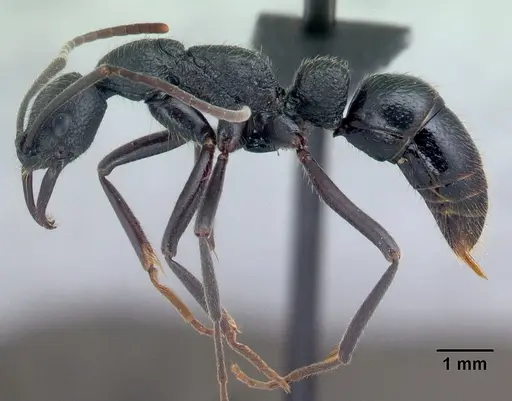
CASENT0428200
View on AntWeb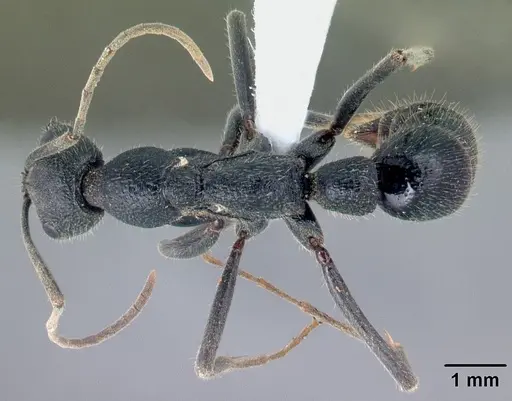
Literature
Loading...Loading products...