

Leptogenys peninsularis
- Scientific Name
- Leptogenys peninsularis
- Tribe
- Ponerini
- Subfamily
- Ponerinae
- Author
- Mann, 1926
- Distribution
- Found in 1 countries
Leptogenys peninsularis Overview
Leptogenys peninsularis is an ant species of the genus Leptogenys. It is primarily documented in 1 countries , including Mexico. Detailed taxonomic data and occurrence records can be further explored via authoritative databases such as AntWeb or the Global Biodiversity Information Facility (GBIF).
Leptogenys peninsularis
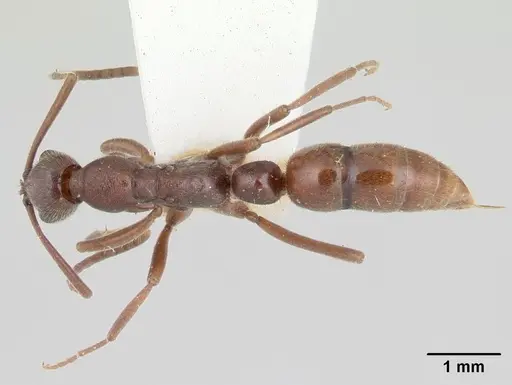
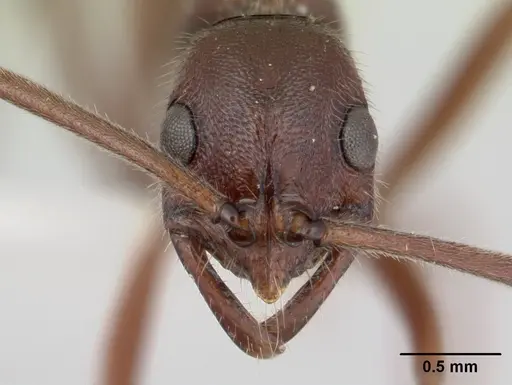
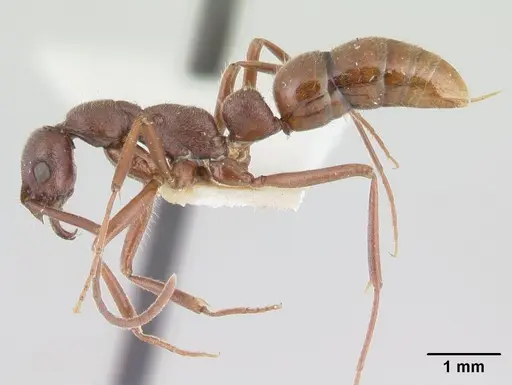
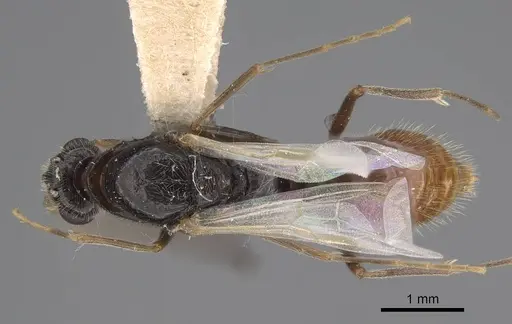
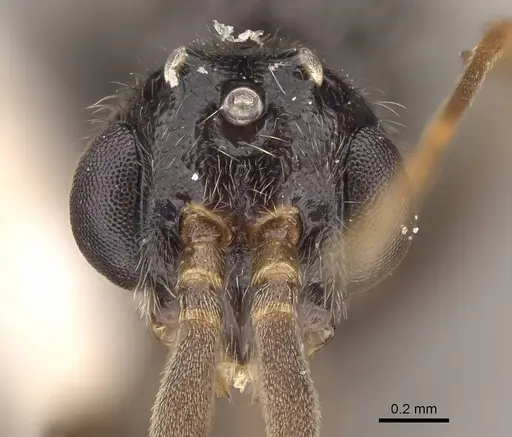
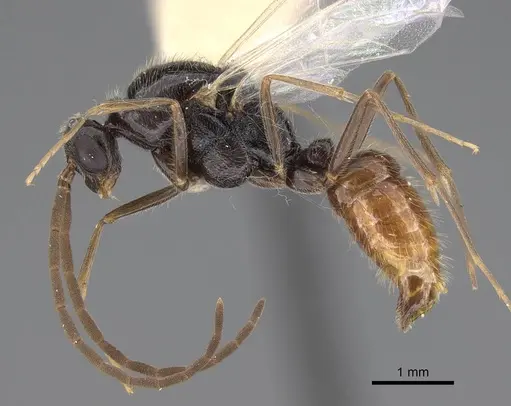
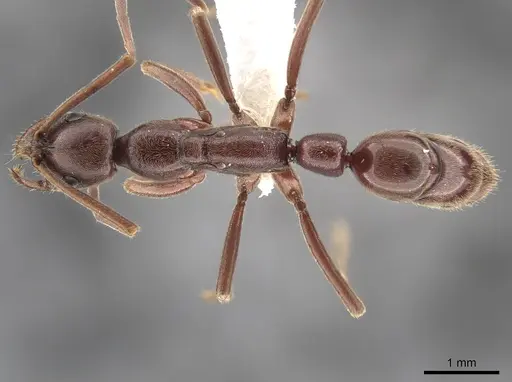
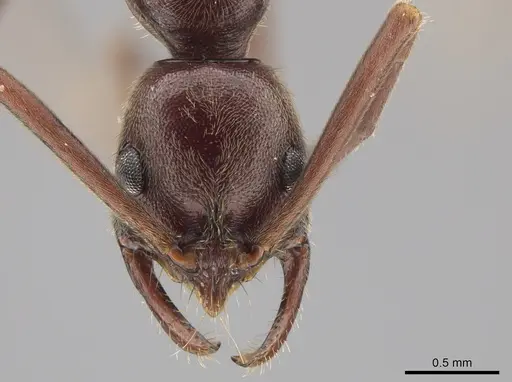
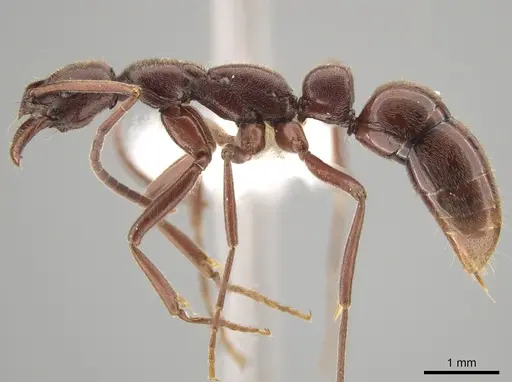
Leptogenys peninsularis is a small predatory ant endemic to Mexico's Baja Peninsula. Workers measure 1.21-1.39mm in head length with a distinctive elongate body that is mostly ferruginous (rusty red-brown) in color, while their antennae, clypeus, mandibles, legs, and the tip of the abdomen are noticeably lighter. They belong to the elongata species group and can be identified by their narrow lateral clypeal lobe, punctate to striate head surface, and the absence of setae on their tibial tips [1].
This species is notable as the only Ponerinae ant found throughout the Baja California Peninsula, making it a truly unique ant for keepers interested in North American species. They inhabit desert hillside environments with sparse vegetation like Fouquieria and Jatropha, where they nest under stones near stream valleys. The queen has never been described, which means all currently available colonies are wild-caught.
Quick Summary
- Difficulty: Medium
- Origin & Habitat: Endemic to the Baja Peninsula in Mexico, specifically found in Baja California and Baja California Sur states. They inhabit desert hillside areas with vegetation such as Fouquieria diguetti, Jatropha cinerea, and Lysiloma candida, typically nesting under stones near stream valleys [2][3].
- Colony Type: Unknown colony structure. The queen has never been described, and colony composition data is not available. Based on related Leptogenys species, they likely form small colonies with single queens, but this is unconfirmed.
- Size & Growth:
- Queen: Unknown, queen has never been described [1]
- Worker: 1.21-1.39mm head length,0.86-1.01mm head width,1.32-1.59mm scape length,1.90-2.23mm Weber's length
- Colony: Unknown, no colony size data available
- Growth: Unknown, no development data available
- Development: Unknown, no direct development studies exist for this species (Based on related Leptogenys species in the elongata group, expect development to take several months at warm temperatures. Related Ponerinae species typically take 2-4 months from egg to worker.)
- Antkeeping:
- Temperature: Keep at room temperature around 20-24°C. As a desert species from Baja California, they likely tolerate warmer conditions but avoid excessive heat. Provide a temperature gradient so ants can choose their preferred zone.
- Humidity: Low to moderate humidity. Desert species prefer drier conditions, aim for 40-60% humidity in the outworld with occasional misting. The nest should have some moisture but avoid constant dampness.
- Diapause: Possibly, many Ponerinae from temperate regions require a winter rest period. However, being from the Baja Peninsula (mild desert climate), they may have reduced diapause needs. Consider a cool period around 15-18°C for 2-3 months during winter.
- Nesting: Natural nesting is under stones in desert soil. In captivity, they do well in test tubes with a water reservoir, or in plaster/acrylic nests with moderate moisture. They prefer tight, enclosed spaces and will likely nest in the darker, more humid areas of the nest.
- Behavior: Leptogenys peninsularis is a predatory ant that hunts small invertebrates. They are likely more active during cooler parts of the day in their natural desert habitat. Workers are slender and fast-moving. They probably form small colonies and may be somewhat shy compared to more aggressive ponerines. Escape prevention should be moderate, they are small ants but not extremely tiny. They likely have a functional stinger given their Ponerinae classification, though the sting potency for this specific species is unknown.
- Common Issues: queen unavailability, the queen has never been described, meaning all colonies must be wild-caught which is ethically questionable and difficult, unknown colony structure, without knowing if they are monogyne or polygyne, combining queens is risky, no development data, keepers have no guidance on how long founding takes or when to expect workers, desert habitat requirements, they need drier conditions than most tropical ants, which can be tricky to maintain, limited information, being endemic and poorly studied, there is little specific care guidance available
Nest Preferences and Housing
In the wild, Leptogenys peninsularis nests under stones on desert hillsides, particularly in areas with some vegetation cover and proximity to water sources. The original type specimens were collected from beneath stones by a stream in the Comondu valley. For captive care, a test tube setup works well for founding colonies, use a standard test tube with a water reservoir sealed with a cotton plug, providing a dark, humid chamber for the queen. For established colonies, plaster or acrylic nests with moderate moisture work well. These ants prefer tight, enclosed spaces and will likely occupy the more humid areas of a multi-chamber nest. Avoid overly wet conditions, as a desert species, they prefer substrate that is damp but not waterlogged. A small outworld for foraging completes the setup. [1]
Feeding and Diet
Leptogenys belongs to the Ponerinae subfamily, which contains primarily predatory ants. In the wild, they likely hunt small invertebrates such as springtails, mites, and other micro-arthropods found in desert soil habitats. For captive care, offer small live prey items like fruit flies, pinhead crickets, mealworms, and most importantly, live springtails which are ideal for their small size. They are likely strict predators that require protein-rich food, though they may occasionally accept sugar water or honey. Feed protein prey 2-3 times per week, removing any uneaten prey after 24 hours. Unlike some ants, they probably do not tend aphids or collect honeydew as a primary food source. Always provide a shallow water source in the outworld.
Temperature and Seasonal Care
Being from the Baja California Peninsula, this species experiences a desert to semi-desert climate with mild winters and hot summers. Keep them at room temperature, ideally around 20-24°C. They likely tolerate warmer conditions well but should be protected from temperatures above 30°C. A temperature gradient in the nest allows the colony to self-regulate. For winter, consider a brief cool period around 15-18°C for 2-3 months, mimicking natural seasonal changes. This species may not require a strict hibernation like temperate ants, but a slight reduction in temperature during winter months is beneficial. Monitor colony activity, if they become less active in winter, reduce feeding and allow the cool period. [2]
Behavior and Temperament
As a Ponerinae ant, Leptogenys peninsularis possesses a functional stinger, though the exact potency of their venom is unknown. They are likely more docile than some other Ponerines and probably rely on stealth rather than aggressive defense. Workers are slender and built for speed, with long legs adapted for running across desert surfaces. They likely forage individually or in small groups, hunting small prey rather than forming large raiding parties. Colonies are probably small, possibly reaching only a few hundred workers at maximum. Their nocturnal or crepuscular activity pattern in the wild (avoiding midday desert heat) suggests they may be more active in cooler parts of the day in captivity. They are not known to be escape artists, but standard precautions for small ants should still be taken.
Colony Founding and Acquisition
The biggest challenge in keeping Leptogenys peninsularis is acquisition. The queen has never been scientifically described, which means there are no captive-bred colonies available. All specimens in collections come from wild-caught colonies, making them difficult to obtain ethically. If you do acquire a wild-caught colony, it will likely be a single queen with some workers. Founding behavior is unconfirmed, but related Leptogenys species are typically claustral, the queen seals herself in a chamber and raises the first workers alone on stored fat reserves. Expect founding to take several months before the first nanitic workers emerge. The lack of described queen also means we cannot confirm whether they have ergatoid (wingless replacement) queens like some Leptogenys species. [1]
Unique Position in Ant Keeping
Leptogenys peninsularis holds a special place in ant keeping as the only Ponerinae species endemic to the Baja California Peninsula [4][5]. This makes it particularly interesting for keepers focused on North American or Mexican species. Its membership in the elongata species group also connects it to other interesting Leptogenys species like L. sonora, which shares the lack of tibial setae and desert habitat preference [1]. However, the lack of basic biological information (queen description, colony size, development time) makes this a species for advanced keepers who don't mind operating with limited data. You will essentially be contributing to the knowledge base of this species through careful observation.
Frequently Asked Questions
Can I keep Leptogenys peninsularis in a test tube?
Yes, test tubes work well for this species, especially for founding colonies. Use a standard test tube with a water reservoir and cotton plug, providing a dark, humid chamber. As a desert species, keep the substrate moderately moist but not wet.
How long does it take for Leptogenys peninsularis to produce first workers?
The exact development time is unknown, no studies have documented their egg-to-worker timeline. Based on related Leptogenys species and typical Ponerinae development, expect 2-4 months from egg to first worker at warm temperatures (around 24°C).
What do Leptogenys peninsularis ants eat?
They are predatory ants that hunt small invertebrates. Feed live springtails, fruit flies, pinhead crickets, and small mealworms. They may occasionally accept sugar water or honey, but protein prey should be their primary food source.
Are Leptogenys peninsularis good for beginners?
No, this species is not ideal for beginners. The queen has never been described, meaning there are no captive-bred colonies available. Additionally, there is almost no specific care information available, making successful keeping challenging.
What temperature do Leptogenys peninsularis need?
Keep them at room temperature around 20-24°C. As a desert species from Baja California, they tolerate warmth but avoid temperatures above 30°C. A temperature gradient in the nest allows self-regulation.
Do Leptogenys peninsularis need hibernation?
Possibly, they may benefit from a cool period around 15-18°C for 2-3 months during winter. Being from the mild Baja Peninsula climate, their diapause needs may be reduced compared to temperate species, but a slight winter rest is recommended.
How big do Leptogenys peninsularis colonies get?
Colony size is unknown, no data exists on maximum colony size for this species. Based on related Leptogenys species, colonies likely remain relatively small, possibly reaching a few hundred workers at most.
Where is Leptogenys peninsularis found?
They are endemic to Mexico's Baja Peninsula, specifically found in Baja California and Baja California Sur states. They inhabit desert hillside areas with sparse vegetation.
Can I keep multiple Leptogenys peninsularis queens together?
Unknown, the colony structure (monogyne vs polygyne) has not been studied. Without knowing their natural colony structure, combining unrelated queens is not recommended.
Why are my Leptogenys peninsularis dying?
Common causes include: overhumidity (they are desert species), poor prey acceptance (ensure live prey is offered), temperature stress (avoid temperatures above 30°C), and stress from wild-caught origin. Also ensure they have access to clean water.
Is Leptogenys peninsularis invasive anywhere?
No, this species is endemic to Mexico's Baja Peninsula and has not been documented as invasive anywhere. It is only found in its native range of Baja California and Baja California Sur.
References

This caresheet is licensed under CC BY-SA 4.0 .
Literature
Loading...Loading products...