

Leptogenys oswaldi
- Scientific Name
- Leptogenys oswaldi
- Tribe
- Ponerini
- Subfamily
- Ponerinae
- Author
- Forel, 1891
- Distribution
- Found in 1 countries
Leptogenys oswaldi Overview
Leptogenys oswaldi is an ant species of the genus Leptogenys. It is primarily documented in 1 countries , including Madagascar. Detailed taxonomic data and occurrence records can be further explored via authoritative databases such as AntWeb or the Global Biodiversity Information Facility (GBIF).
Leptogenys oswaldi
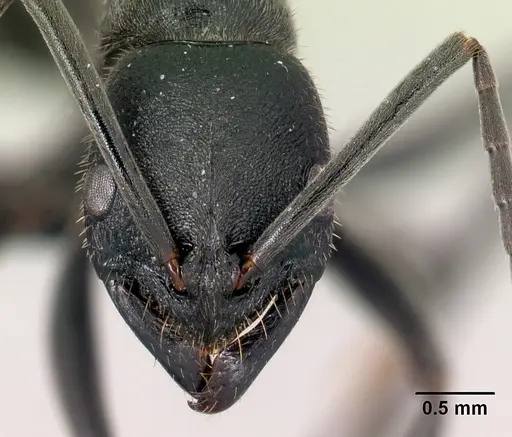
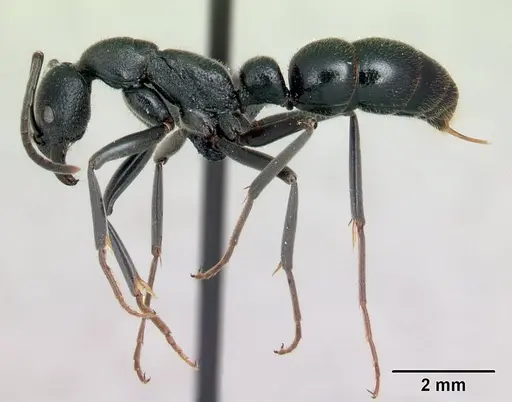
Leptogenys oswaldi is a medium-sized ponerine ant native to Madagascar, where it occupies a unique geographic position as the only Leptogenys species with an east-west distribution across the island [1]. Workers measure 1.49-1.67mm in head width and have a distinctive appearance with a black body, dark brown to yellow legs, and relatively long antennae [1]. Their most notable identification feature is the mandible that can close tightly against the clypeus (the front part of the head), which is unique among Malagasy Leptogenys species [1]. These ants nest in rotting wood, specifically in rotten branches, dead branches above ground, rotten logs, and beneath tree bark [1]. They forage on both lower vegetation and the ground surface, hunting for small prey [1].
Quick Summary
- Difficulty: Medium
- Origin & Habitat: Northern Madagascar, ranging from humid rainforests in the east to dry forests in the west. This species demonstrates remarkable habitat flexibility, colonizing tsingy (limestone karst), dry, littoral, and humid forest environments [1].
- Colony Type: Single-queen colonies (monogyne). The exact colony structure in the wild needs more study, but Leptogenys species typically establish single-queen nests.
- Colony: Monogyne
- Founding: Claustral
- Size & Growth:
- Queen: Unconfirmed, likely around 8-10mm based on genus patterns
- Worker: 1.49-1.67mm head width,2.92-3.26mm mesosoma length [1]
- Colony: Likely several hundred workers based on related species
- Growth: Moderate, estimated based on genus patterns
- Development: Estimated 6-10 weeks at optimal temperature based on related Ponerinae species (Development time is not directly studied for this species. Estimates based on typical Ponerinae development patterns.)
- Antkeeping:
- Temperature: Keep at 24-28°C. As a Madagascar species from tropical to subtropical environments, they need warm conditions. A heating cable on one side of the nest creates a gradient for them to regulate their temperature.
- Humidity: Moderate to high. They naturally nest in rotting wood in humid forests, so keep the nest substrate moist but not waterlogged. Provide some drier areas for them to choose.
- Diapause: Unlikely, Madagascar has a mild climate without harsh winters. They may show reduced activity during cooler periods but true hibernation is not expected.
- Nesting: These ants naturally nest in rotting wood above ground. In captivity, they do well in Y-tong (AAC) nests, plaster nests with wood inserts, or naturalistic setups with rotten wood pieces. They prefer tight, enclosed spaces that mimic their natural tree hollow nesting sites.
- Behavior: Leptogenys oswaldi is a predatory ant that forages on vegetation and the ground surface. Like other Leptogenys species, they are active hunters that pursue small invertebrates. They are not particularly aggressive toward humans but will defend their nest. Their moderate size means escape prevention should be taken seriously, they can squeeze through small gaps. They are relatively active and will explore their outworld regularly.
- Common Issues: predatory nature means they need live prey, they won't accept dry protein foods, arboreal nesting in rotting wood means they need appropriate nest materials that retain moisture, small colony sizes initially mean overfeeding can cause mold problems, escape prevention is important despite their moderate size, they can fit through small gaps, humidity control is critical, too dry and brood will fail, too wet and mold becomes a problem
Nest Preferences
In the wild, Leptogenys oswaldi nests exclusively in rotting wood, specifically in rotten branches hanging above ground, dead branches, rotten logs, and beneath tree bark [1]. This makes them a classic arboreal nester. In captivity, they do best in nests that mimic these conditions. Y-tong (acrylic) nests work well, as do plaster nests with wood inserts or chambers. The key is providing a dark, enclosed space with moderate humidity. Avoid dry, sandy substrates, these ants are adapted to the moist interior of decaying wood. If using a naturalistic setup, include pieces of rotting wood or cork bark for them to nest in.
Feeding and Diet
Leptogenys oswaldi is a predatory ant that actively hunts small invertebrates. In captivity, their primary food should be small live prey such as fruit flies, small crickets, mealworms, and other tiny arthropods. They are unlikely to accept dry protein foods or sugar water alone. As predators, they need a constant supply of live or recently killed prey to thrive. Feed them small prey items 2-3 times per week, adjusting based on colony size and consumption. Remove uneaten prey after 24 hours to prevent mold. A well-fed colony will have glossy, active workers, while hungry colonies may become sluggish or exhibit increased foraging behavior.
Temperature and Care
As a Madagascar species from tropical to subtropical environments, Leptogenys oswaldi needs warm temperatures to thrive. Keep the nest area at 24-28°C. A heating cable placed on top of the nest (never underneath, which can cause drying) creates a gentle warmth gradient. Room temperature may be sufficient if your home stays in this range, but monitor with a thermometer. They do not require hibernation, Madagascar's climate is mild year-round. However, they may show reduced activity during cooler periods. Avoid temperature drops below 20°C for extended periods, as this can stress the colony and slow brood development.
Humidity and Water
These ants need moderate to high humidity, reflecting their natural habitat in rotting wood within humid forests. Keep the nest substrate consistently moist but never waterlogged. The substrate should feel damp to the touch. Too much moisture causes mold and can drown brood, too little causes desiccation and colony failure. Provide a water tube or cotton ball as a drinking source in the outworld. Monitor condensation levels in the nest, some condensation is good, but excessive pooling indicates too much water. Allow the substrate to dry slightly between waterings rather than maintaining constant saturation.
Behavior and Temperament
Leptogenys oswaldi is an active, predatory ant that forages both on vegetation and the ground surface [1]. Workers are moderate in size and can move quickly when hunting. They are not particularly aggressive toward keepers but will readily defend their nest if threatened. Their sting is not medically significant to humans. These ants are not known for being escape artists, but like all ants, they will explore for weaknesses in their enclosure. Use standard escape prevention measures. They are diurnal and will show peak activity during daylight hours. Colonies are relatively quiet in captivity and do not produce the large worker numbers seen in some genera, so they remain manageable even in moderate-sized setups.
Frequently Asked Questions
How long does it take for Leptogenys oswaldi to produce first workers?
The exact development time is not documented for this species. Based on related Ponerinae ants, expect approximately 6-10 weeks from egg to first worker at optimal temperature (24-28°C). The queen will remain in her sealed chamber until the first workers emerge, so be patient, founding colonies can take time.
What do Leptogenys oswaldi ants eat?
They are predatory ants that need live small invertebrates. Feed them fruit flies, small crickets, mealworms, or other tiny arthropods. They are unlikely to accept dry protein foods or sugar water alone. Remove uneaten prey after 24 hours to prevent mold.
Can I keep Leptogenys oswaldi in a test tube?
Test tubes can work for founding colonies but are not ideal long-term. These ants naturally nest in rotting wood, so they do better in nests with wood inserts or in Y-tong/plaster nests that can maintain humidity. If using test tubes, ensure the water reservoir is adequate but not excessive, and transfer to a proper nest once the colony reaches 15-20 workers.
What temperature do Leptogenys oswaldi need?
Keep them at 24-28°C. As a Madagascar species from tropical environments, they need warm conditions. A heating cable on top of the nest can provide additional warmth if your room temperature is below this range.
Are Leptogenys oswaldi good for beginners?
They are considered a medium-difficulty species. They require more specific care than simple species like Lasius, but are not as demanding as some tropical ants. You need to provide live prey and maintain proper humidity in a wooden nest. If you have experience with predatory ants like Ponera or Strumigenys, you should do well with this species.
How big do Leptogenys oswaldi colonies get?
Colony size is not directly documented, but based on related species, they likely reach several hundred workers. They are not among the largest ant species, and colonies remain manageable in size.
Do Leptogenys oswaldi need hibernation?
No, they do not require hibernation. Madagascar has a mild climate without harsh winters. They may show reduced activity during cooler periods, but true diapause is not expected.
Why is my Leptogenys oswaldi colony dying?
Common causes include: too low temperature (below 20°C), incorrect humidity (too dry or too wet), lack of live prey, overfeeding causing mold, or stress from excessive disturbance. Check your temperature and humidity levels first, ensure you are providing appropriate live prey, and minimize nest disturbances during the founding stage.
When should I move my colony to a formicarium?
Move them when the colony reaches 20-30 workers or when the test tube setup shows signs of mold, excessive condensation, or the ants are escaping frequently. A formicarium with appropriate nesting materials (wood inserts or plaster) will better support their humidity needs.
References

This caresheet is licensed under CC BY-SA 4.0 .
CASENT0101837
View on AntWeb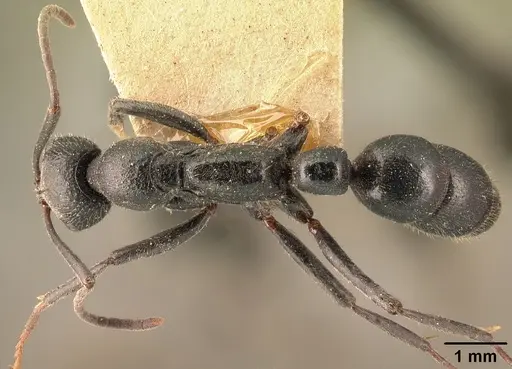
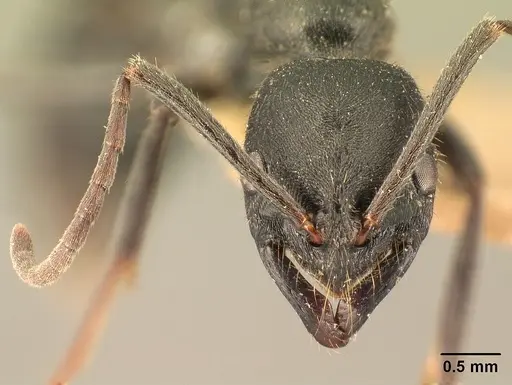
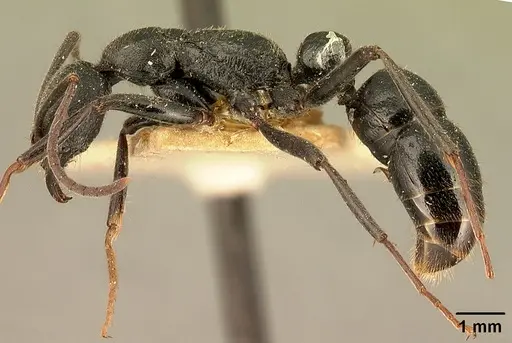
CASENT0496083
View on AntWeb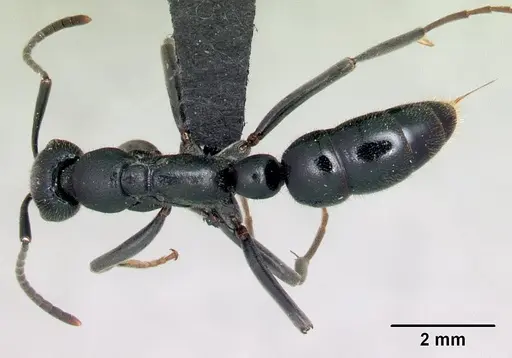
Literature
Loading...Loading products...