

Leptogenys occidentalis
- Scientific Name
- Leptogenys occidentalis
- Tribe
- Ponerini
- Subfamily
- Ponerinae
- Author
- Bernard, 1953
- Distribution
- Found in 3 countries
Leptogenys occidentalis Overview
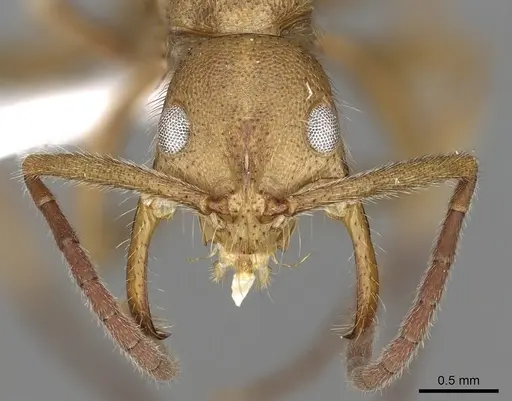
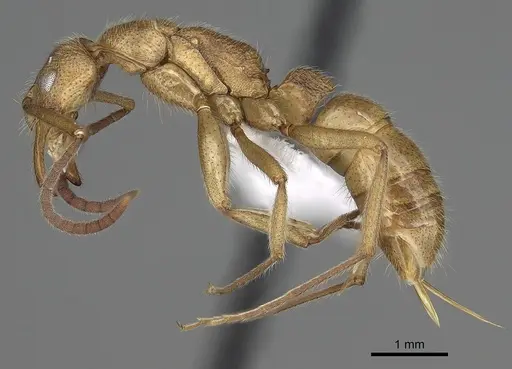
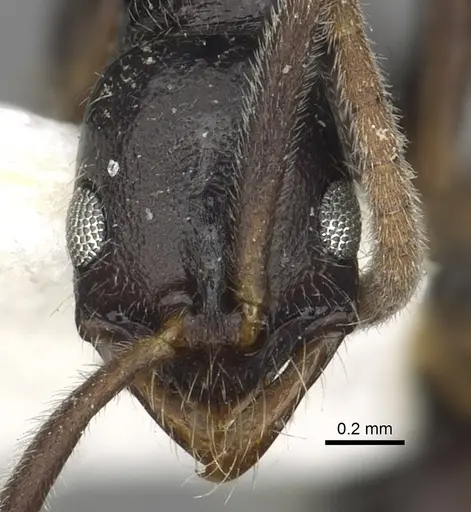
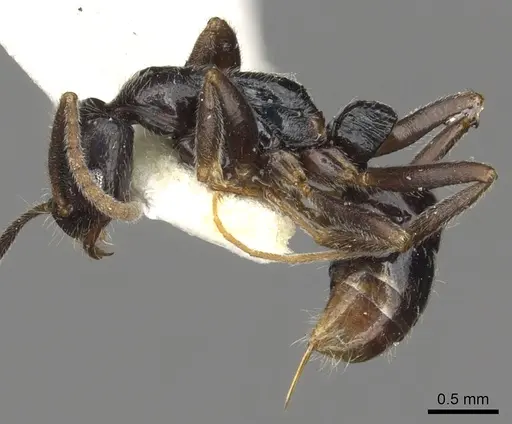
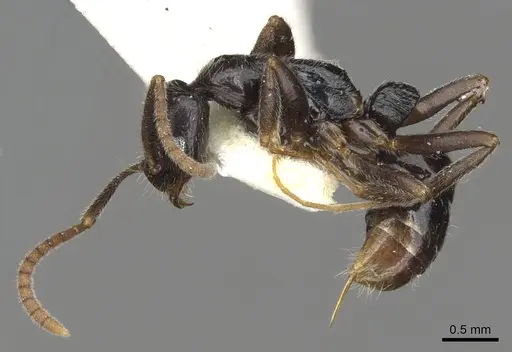
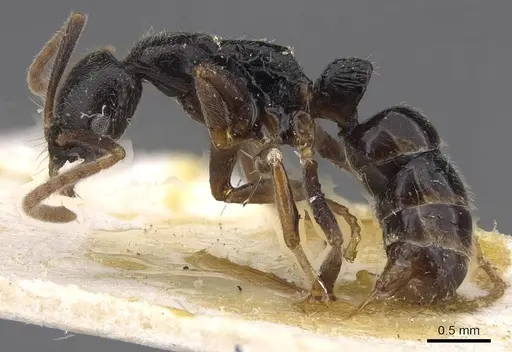
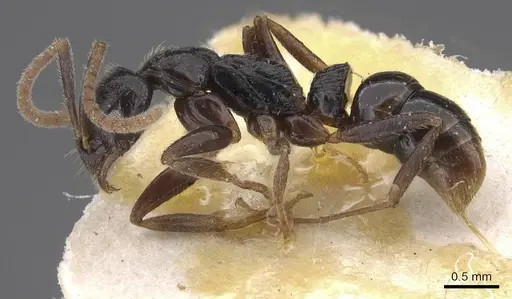
Leptogenys occidentalis is an ant species of the genus Leptogenys. It is primarily documented in 3 countries , including Central African Republic, Congo, Gabon. Detailed taxonomic data and occurrence records can be further explored via authoritative databases such as AntWeb or the Global Biodiversity Information Facility (GBIF).
Leptogenys occidentalis
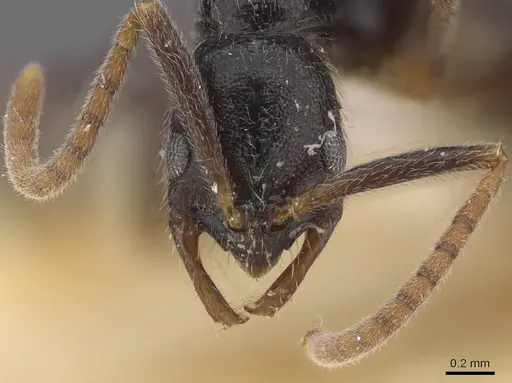
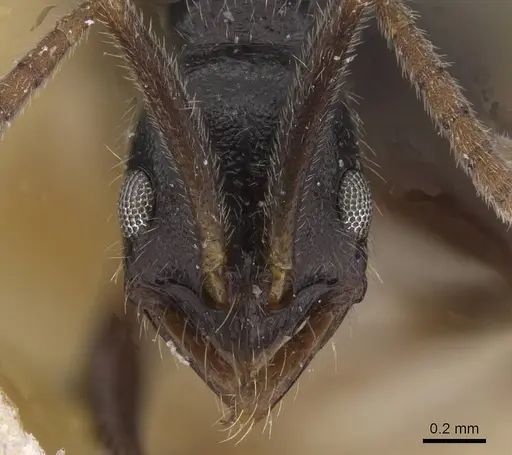
Leptogenys occidentalis is a predatory ant species native to West Africa, specifically documented in Guinea and Gabon. Workers are slender ants with elongated mandibles adapted for hunting prey, typical of the Leptogenys genus. They belong to the subfamily Ponerinae, a group known for their active predatory behavior and relatively simple colony structures. This species is one of the most widely distributed Leptogenys in the Monts Doudou region of Gabon, found across multiple elevations from 110m to 640m [1]. The genus name 'Leptogenys' means 'slender jaw', referring to their distinctive elongated mandibles used to capture prey.
Quick Summary
- Difficulty: Medium
- Origin & Habitat: West Africa (Guinea, Gabon). Found in leaf litter and forest floor environments at elevations ranging from 110m to 640m in tropical forests [1].
- Colony Type: Colony structure is unconfirmed. Based on typical Leptogenys patterns, these ants likely have single-queen colonies, though this has not been directly documented for this species.
- Founding: Semi-claustral
- Size & Growth:
- Queen: Estimated 7-9mm based on genus Leptogenys patterns
- Worker: Estimated 4-6mm based on genus Leptogenys patterns
- Colony: Likely moderate colony size, potentially several hundred workers based on related species
- Growth: Moderate
- Development: Estimated 6-10 weeks based on typical Ponerinae development at tropical temperatures (Development time is estimated from related Ponerinae species, direct measurements for this species are unavailable)
- Antkeeping:
- Temperature: Keep at 24-28°C. This species comes from tropical West African forests, so warmth is important. A heating cable on one side of the nest creates a suitable gradient [1].
- Humidity: Keep moderately humid, around 60-80%. These ants live in leaf litter environments, so the substrate should stay damp but not waterlogged. Mist occasionally and provide a water tube.
- Diapause: Unknown for this species. West African ants typically do not experience harsh winters, so hibernation may not be required. However, a slight cooling period during winter months may be beneficial.
- Nesting: In captivity, they do well in test tubes for founding and early colony stages. For established colonies, a Y-tong or plaster nest with narrow chambers works well. They prefer dark, quiet locations and do not need large spaces.
- Behavior: Leptogenys ants are active predators that hunt spiders and other small arthropods. Workers are fast-moving and will actively search for prey. They have a moderate escape risk due to their small size, use standard barriers like fluon on test tube rims. Queens are not claustral (they do not seal themselves in) and must hunt during founding, making this a semi-claustral species. Workers are not aggressive toward humans but will defend the nest if threatened. They do not sting frequently and their sting is mild.
- Common Issues: founding colonies often fail because queens must leave to hunt, provide small prey items regularly during founding, slow growth compared to faster-developing species like Lasius or Camponotus can frustrate beginners, wild-caught colonies may carry parasites that kill them in captivity, they need live prey to thrive, sugar water alone is insufficient, tiny size means escapes are possible without proper barriers
Nest Preferences
In the wild, Leptogenys occidentalis nests in leaf litter and soil in tropical forest environments. They are not arboreal and prefer ground-level nesting sites. In captivity, they adapt well to various nest types. For founding colonies, a simple test tube setup works well, the queen will need access to a small hunting area where she can catch prey. As the colony grows, you can move them to a Y-tong (AAC) nest or a plaster formicarium with chambers scaled to their size. These ants prefer dark, quiet locations and will be more active if the nest is not in direct light. Keep the nest substrate consistently moist but never waterlogged. [1]
Feeding and Diet
Leptogenys are specialized predators that primarily hunt spiders and other small arthropods. In captivity, their diet should consist mainly of live prey such as fruit flies, pinhead crickets, small mealworms, and other tiny insects. Unlike many ants, they are not particularly attracted to sugar sources, though they may occasionally accept honey or sugar water. The key to keeping this species healthy is providing regular live prey, they will not thrive on a diet of only sugar water. Feed founding queens small prey items every few days. For established colonies, offer prey 2-3 times per week, removing any uneaten prey after 24 hours to prevent mold.
Temperature and Care
As a West African species, Leptogenys occidentalis requires warm temperatures to thrive. Keep the nest area at 24-28°C for optimal brood development. A heating cable placed on one side of the nest creates a temperature gradient that allows the ants to regulate their own temperature. They are found at multiple elevations in Gabon, suggesting they can tolerate some temperature variation [1]. Room temperature in most homes (around 20-24°C) may be acceptable, but warmer conditions will result in faster growth. Monitor colony activity, if workers become sluggish, consider increasing temperature slightly. Avoid temperatures above 32°C as this can stress the colony.
Behavior and Temperament
Leptogenys ants are active hunters with distinctive elongated mandibles designed for capturing prey. Workers are fast-moving and will patrol their territory searching for spiders and other small arthropods. They are not particularly aggressive toward humans and rarely sting. However, they will defend their nest if threatened. This species is not a escape artist in the traditional sense, but their small size means they can slip through small gaps, use standard escape prevention like fluon on test tube rims. Queens do not seal themselves in during founding (semi-claustral founding) and must continue hunting to feed themselves and their brood. This is an important difference from claustral species like Lasius or Camponotus.
Colony Founding
Colony founding in Leptogenys occidentalis follows the semi-claustral pattern typical of the genus. The queen does not seal herself in a chamber to raise her first workers alone. Instead, she must leave the nest periodically to hunt for prey to feed herself and her developing brood. This makes founding more challenging than claustral species, you will need to provide small live prey items to the founding queen regularly. The first workers (nanitics) will be smaller than normal workers and will take over hunting duties once they emerge. During this vulnerable period, keep disturbances to a minimum and ensure the queen has access to small prey.
Frequently Asked Questions
How long does it take for Leptogenys occidentalis to produce first workers?
Based on typical Ponerinae development, expect first workers in approximately 6-10 weeks at warm temperatures (24-28°C). This is slower than many common ant species. The exact timeline for this species has not been directly documented.
Can I keep Leptogenys occidentalis in a test tube?
Yes, test tubes work well for founding colonies. Use a standard test tube setup with a water reservoir. Since this is a semi-claustral species, you will need to provide a small hunting area where the queen can catch live prey. Cover the tube with a dark sleeve to reduce stress.
What do Leptogenys occidentalis eat?
They are predators that need live prey. Offer small insects like fruit flies, pinhead crickets, small mealworms, or other tiny arthropods. They are not strongly attracted to sugar, though they may occasionally accept honey. Live prey is essential for their health.
Are Leptogenys occidentalis good for beginners?
This species is rated as medium difficulty. The semi-claustral founding requirement (queen must hunt) makes it more challenging than claustral species. They also need regular live prey, which requires more effort than feeding sugar water. Not recommended as a first ant, but manageable for those with some experience.
Do Leptogenys occidentalis need hibernation?
Hibernation is not required as this is a West African tropical species. However, a slight reduction in temperature during winter months (to around 20-22°C) may be beneficial and mimic natural seasonal changes. Do not hibernate them at cold temperatures.
How big do Leptogenys occidentalis colonies get?
Based on related species, colonies likely reach several hundred workers. They are not among the largest ant species but can form moderate-sized colonies. The maximum size for this specific species has not been documented.
Can I keep multiple Leptogenys occidentalis queens together?
Combining unrelated queens has not been documented for this species and is not recommended. In the wild, Leptogenys typically have single-queen colonies. If you have multiple founding queens, keep them in separate setups.
Why is my Leptogenys occidentalis colony dying?
Common causes include: lack of live prey (they need hunting opportunities), temperatures too low (keep warm), excessive disturbance during founding, or parasites from wild-caught colonies. Ensure you provide regular small live prey and keep the nest warm and quiet.
When should I move my colony to a formicarium?
Move them when the test tube becomes crowded or the water reservoir runs out. For Leptogenys, this is typically when the colony reaches 20-30 workers. A Y-tong or plaster nest with appropriately sized chambers works well.
References

This caresheet is licensed under CC BY-SA 4.0 .
CASENT0317007
View on AntWeb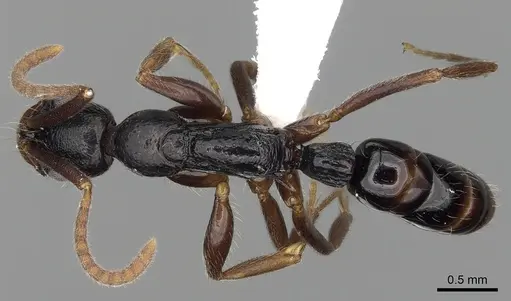
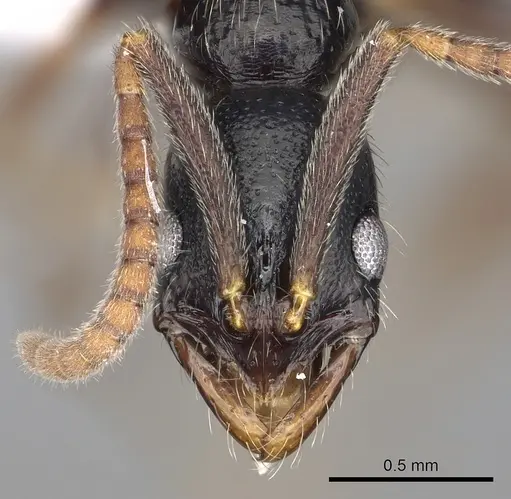
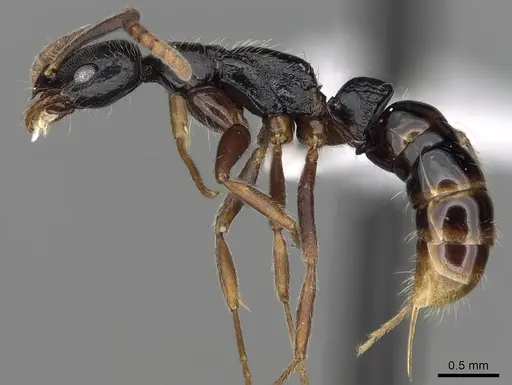
CASENT0317017
View on AntWeb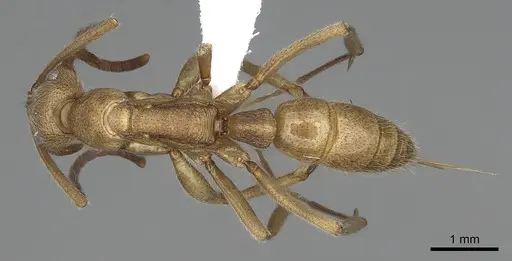
CASENT0814958
View on AntWeb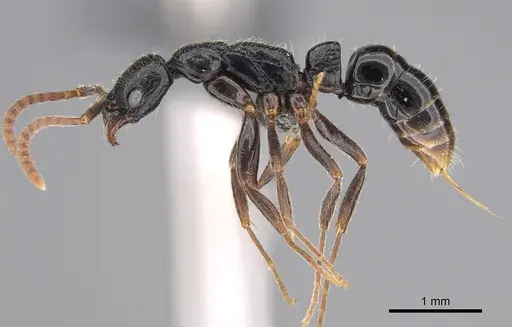
CASENT0902600
View on AntWeb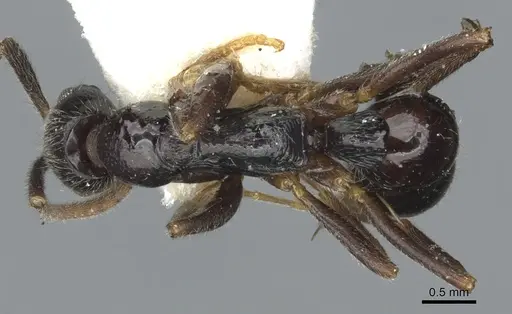
CASENT0915463
View on AntWeb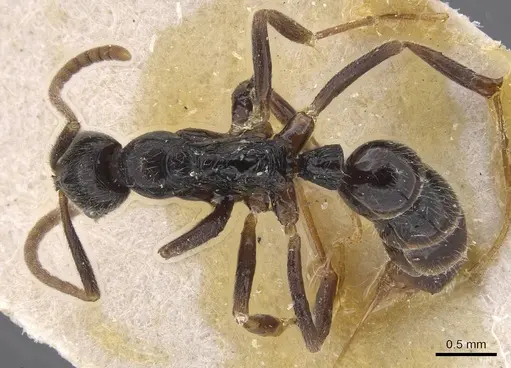
CASENT0915464
View on AntWeb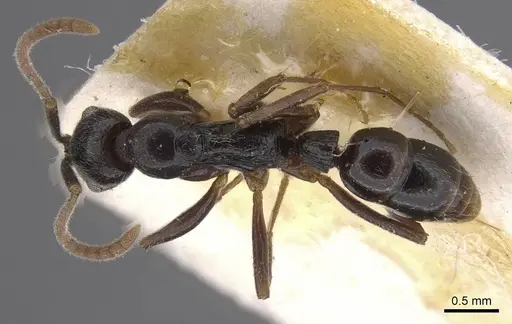
Literature
Loading...Loading products...