

Leptogenys navua
- Scientific Name
- Leptogenys navua
- Tribe
- Ponerini
- Subfamily
- Ponerinae
- Author
- Mann, 1921
- Distribution
- Found in 1 countries
Leptogenys navua Overview
Leptogenys navua is an ant species of the genus Leptogenys. It is primarily documented in 1 countries , including Fiji. Detailed taxonomic data and occurrence records can be further explored via authoritative databases such as AntWeb or the Global Biodiversity Information Facility (GBIF).
Leptogenys navua
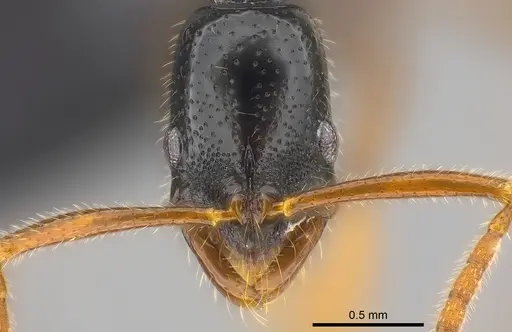
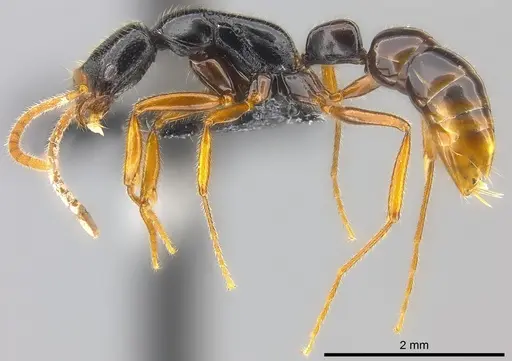
Leptogenys navua is a medium-sized predatory ant endemic to the islands of Fiji, specifically found only on Viti Levu [1][2]. Workers are slender with long legs and powerful mandibles, typical of the Ponerine genus Leptogenys, ants known for their efficient hunting behavior and potent stings [3]. As a tropical species from the Pacific islands, these ants thrive in warm, humid conditions similar to Fiji's rainforest environment. This species was originally described by W.M. Mann in 1921 from specimens collected on Viti Levu [3].
Quick Summary
- Difficulty: Medium
- Origin & Habitat: Endemic to Fiji, found only on Viti Levu island in the Pacific Ocean [1][2]. In the wild, they inhabit tropical forest environments where they nest in soil or under stones in shaded, humid areas.
- Colony Type: Single-queen (monogyne) colonies based on typical Leptogenys colony structure. Colonies are relatively small, typically reaching a few hundred workers.
- Colony: Monogyne
- Founding: Claustral
- Size & Growth:
- Queen: Estimated 8-10mm based on genus Leptogenys patterns
- Worker: Estimated 5-7mm based on genus Leptogenys patterns
- Colony: Estimated 200-500 workers based on typical Leptogenys colony sizes
- Growth: Moderate
- Development: Estimated 6-10 weeks at tropical temperatures (25-28°C) based on typical Ponerine development [4] (Development time is temperature-dependent, warmer conditions accelerate development. First workers (nanitics) are typically smaller than mature workers.)
- Antkeeping:
- Temperature: Keep at 24-28°C (warm tropical conditions). A heating cable on one side of the nest creates a gradient allowing ants to self-regulate [4].
- Humidity: High humidity required, maintain 70-80% relative humidity. Keep nest substrate consistently moist but not waterlogged. Mist occasionally and ensure water availability.
- Diapause: No true diapause required. Being a tropical species, they do not need hibernation. However, a slight reduction in temperature during cooler months may slow activity naturally.
- Nesting: Y-tong (AAC) nests or plaster nests work well for this species. They prefer tight, humid chambers. Naturalistic setups with moist soil and hiding spots are also suitable. Avoid dry environments.
- Behavior: Leptogenys navua are active, predatory ants with a potent sting. Workers are aggressive hunters that pursue prey actively. They are primarily nocturnal or crepuscular, becoming more active at night. These ants have good vision and will investigate disturbances. Escape prevention is important, they are agile climbers and can squeeze through small gaps. They are not aggressive toward humans but will sting if threatened.
- Common Issues: escape prevention is critical, they are active climbers and will find any gap, colonies may struggle if kept too dry, humidity is essential for this tropical species, slow colony growth can frustrate beginners, be patient through the founding phase, predatory diet means they need constant protein, sugar alone is insufficient, test tube setups may be too small for growing colonies, monitor and upgrade as needed
Housing and Nest Setup
Leptogenys navua does well in Y-tong (AAC) nests or plaster nests that retain humidity well. These ants prefer tight, enclosed chambers that mimic their natural nesting sites under stones or in soil. A naturalistic setup with moist substrate also works well, use a mixture of soil and sand that holds moisture without becoming waterlogged. The outworld should include a water station and protein food dish. Because they are active climbers, apply Fluon or similar barrier to all exposed surfaces. Test tube setups can work for founding colonies but will need upgrading as the colony grows. [1][2]
Feeding and Diet
As predatory Ponerine ants, Leptogenys navua requires a protein-rich diet. Offer small live prey such as fruit flies, pinhead crickets, mealworms, or other small insects. They are active hunters that will chase down and subdue prey with their mandibles and sting. Sugar water or honey can be offered as an energy supplement, but protein is essential for brood development. Feed every 2-3 days, removing uneaten prey after 24 hours to prevent mold. A constant water source is also important. [4]
Temperature and Heating
Being a tropical species from Fiji, Leptogenys navua requires warm conditions between 24-28°C. Room temperature may be sufficient in warm climates, but a heating cable or mat on one side of the nest creates a temperature gradient. Place the heating element on top of the nest to avoid drying out the substrate. Monitor with a thermometer, too cold and colony development stalls, too hot and the colony may become stressed or die. A slight drop in temperature during winter months is acceptable but not required. [4]
Humidity Management
High humidity is essential for this species, aim for 70-80% relative humidity. Keep the nest substrate consistently moist by adding water gradually and checking regularly. A water reservoir in test tube setups helps maintain humidity. Mist the outworld occasionally and provide a water station. However, avoid waterlogging, stagnant water leads to mold and mite problems. Good ventilation helps prevent excessive condensation while maintaining humidity. [4]
Behavior and Temperament
Leptogenys navua workers are active, alert ants with good vision. They are primarily nocturnal, becoming more active during evening and night hours. When hunting, they use their powerful mandibles to capture prey and can deliver a potent sting. Workers will investigate disturbances and may swarm to defend the colony if threatened. They are not typically aggressive toward humans but will sting if handled roughly or if the nest is disturbed. Colonies establish well-defined foraging trails when hunting. [4]
Frequently Asked Questions
How long does it take for Leptogenys navua to produce first workers?
Expect first workers (nanitics) in 6-10 weeks at optimal tropical temperatures (25-28°C). Development is temperature-dependent, cooler conditions will slow growth significantly.
What do I feed Leptogenys navua?
They need a protein-rich diet. Offer small live prey like fruit flies, pinhead crickets, or mealworms 2-3 times per week. Sugar water or honey can be offered as an occasional supplement.
Can I keep multiple Leptogenys navua queens together?
No, this species is monogyne (single-queen). Multiple queens will fight until only one remains. Only combine unrelated foundresses if you want to attempt pleometrosis, but this is risky.
Do Leptogenys navua need hibernation?
No, as a tropical Fiji species they do not require hibernation. They may naturally slow down slightly during cooler months, but a true diapause is not necessary.
How big do Leptogenys navua colonies get?
Colonies typically reach 200-500 workers. Growth is moderate, expect several months to a year to reach significant numbers.
What temperature do Leptogenys navua need?
Keep them warm at 24-28°C. A heating cable on one side of the nest creates a gradient. Room temperature may suffice in warm climates.
Are Leptogenys navua good for beginners?
They are rated as medium difficulty. Beginners can succeed with them if they commit to maintaining proper humidity and temperature. Their predatory diet requires more effort than feeding sugar water only.
When should I move Leptogenys navua to a formicarium?
Keep them in a test tube or small container for the founding phase. Move to a larger nest (Y-tong or plaster) when the colony reaches 30-50 workers or when the test tube becomes cramped.
Why are my Leptogenys navua dying?
Common causes include: too low humidity (keep substrate moist), temperatures below 24°C, insufficient protein in diet, or escape-related losses. Check these parameters first.
References

This caresheet is licensed under CC BY-SA 4.0 .
CASENT0186200
View on AntWeb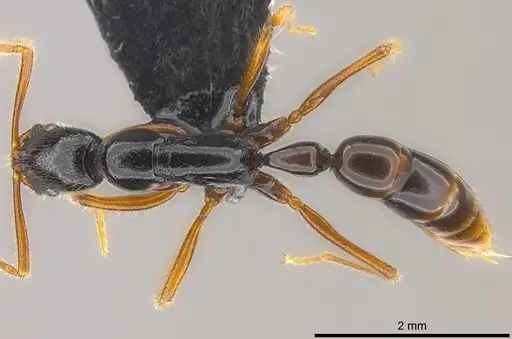
Literature
Loading...Loading products...