

Leptogenys myops
- Scientific Name
- Leptogenys myops
- Tribe
- Ponerini
- Subfamily
- Ponerinae
- Author
- Emery, 1887
- Distribution
- Found in 2 countries
Leptogenys myops Overview
Leptogenys myops is an ant species of the genus Leptogenys. It is primarily documented in 2 countries , including Indonesia, Malaysia. Detailed taxonomic data and occurrence records can be further explored via authoritative databases such as AntWeb or the Global Biodiversity Information Facility (GBIF).
Leptogenys myops
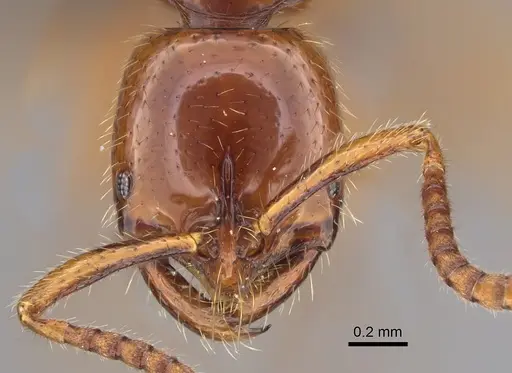
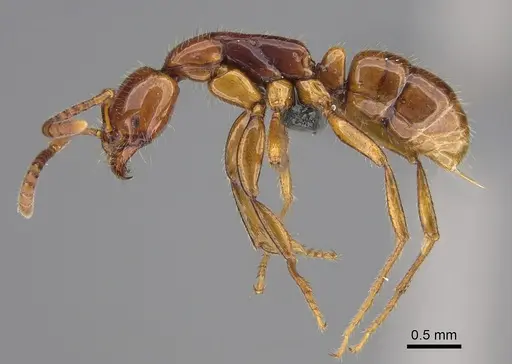
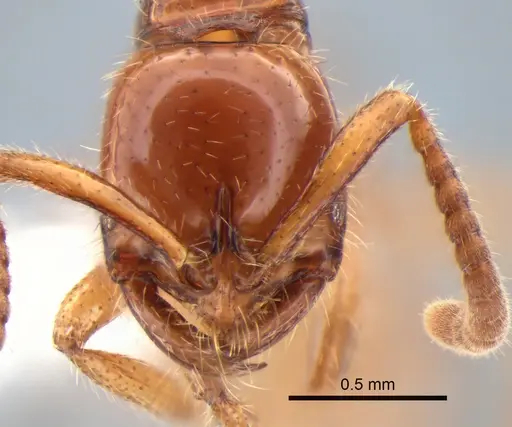
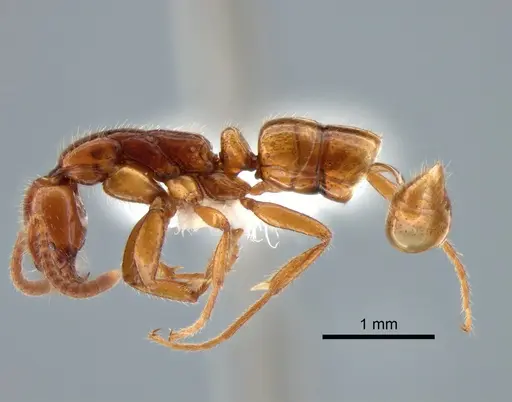
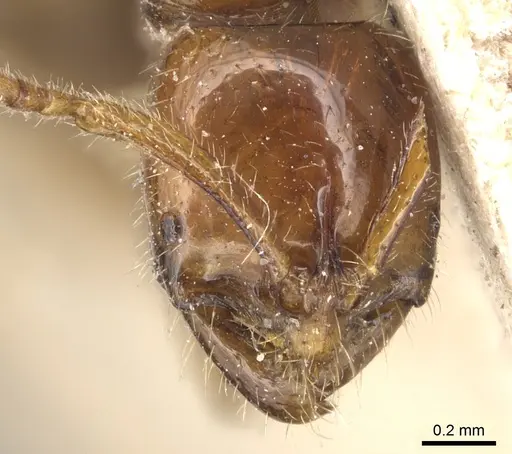
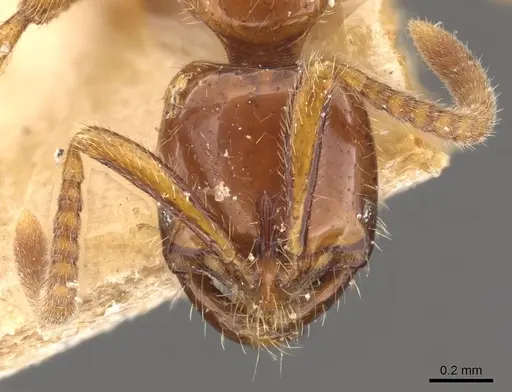
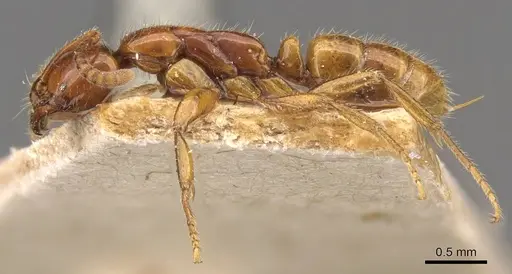
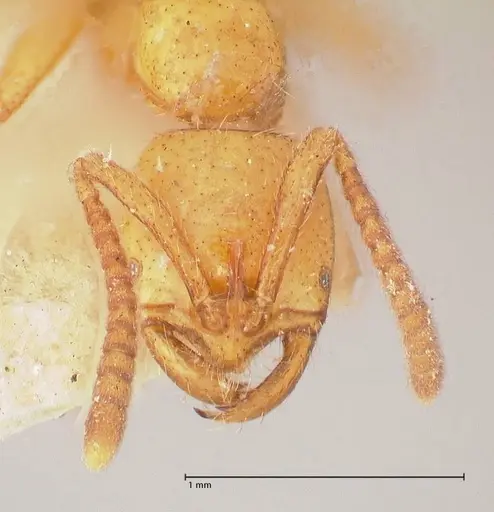
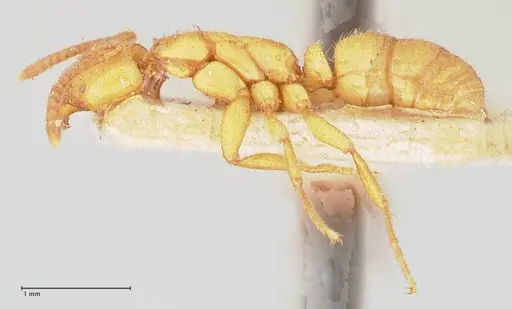
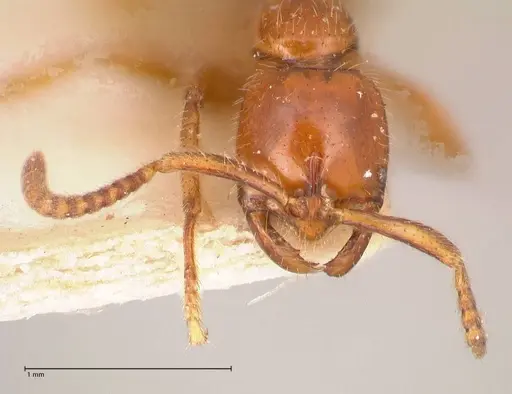
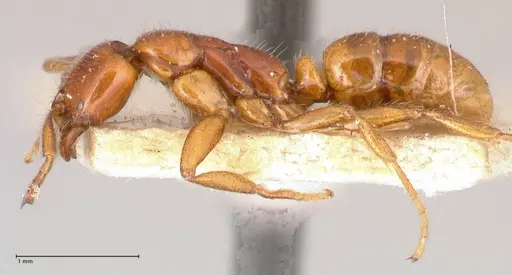
Leptogenys myops is a small predatory ant species native to Southeast Asia, found across Indonesia, Malaysia, Singapore, Thailand, and Borneo. Workers measure approximately 4mm and have a distinctive appearance with ferrugineous-testaceous (rusty reddish-brown) coloration, a relatively square head with small eyes, and strongly curved mandibles that point posteriorly. This species nests in the soil in forest habitats, particularly favoring dry dipterocarp and mixed-deciduous forests. Like other Leptogenys species, they are predatory hunters that likely target millipedes and other small arthropods. A notable feature of this species is its ergatoid queen caste, these are wingless queens that develop from worker-like individuals and serve as replacement reproductives if the primary queen dies, allowing the colony to survive without nuptial flights [1][2][3][4].
Quick Summary
- Difficulty: Medium
- Origin & Habitat: Southeast Asia, found in Indonesia (Java, Borneo), Malaysia, Singapore, and Thailand. They inhabit dry dipterocarp and mixed-deciduous forests, nesting in soil at ground level [1][3].
- Colony Type: Monogyne, single-queen colonies with ergatoid (wingless) replacement queens. Colonies reproduce through fissioning, where the colony splits to form new colonies rather than producing winged queens for nuptial flights [4][5].
- Colony: Monogyne
- Size & Growth:
- Queen: Ergatoid queens have head width of 1.18mm, significantly larger than workers (0.75mm head width)
- Worker: 4mm [2]
- Colony: Unknown maximum, but sample collections show 14 individuals in Sabah studies [6]. Based on related species, likely reaches several hundred workers.
- Growth: Moderate, based on typical Ponerine development patterns
- Development: Estimated 6-8 weeks based on typical Ponerinae development at tropical temperatures (Development is inferred from genus patterns since specific timing has not been documented for this species)
- Antkeeping:
- Temperature: Keep at 24-28°C. As a tropical species from Southeast Asia, they need warm conditions year-round. Room temperature within this range works well, or use a heating cable on one side of the nest for a gentle gradient.
- Humidity: Moderate to high, they inhabit forest floor environments. Keep the nest substrate consistently moist but not waterlogged. Provide a water tube for drinking access.
- Diapause: No, being a tropical species, they do not require hibernation. Maintain consistent warm temperatures year-round.
- Nesting: Soil-nesting species. In captivity, they do well in naturalistic setups with moist substrate (soil or soil-sand mix) or in Y-tong/plaster nests that retain humidity. They prefer tight, enclosed chambers rather than open spaces.
- Behavior: Leptogenys myops is a predatory species that hunts small arthropods. They are active foragers that search for prey on the forest floor. Workers are moderately aggressive when defending the colony but not particularly large or dangerous. They have a sting but are too small to cause significant pain to humans. Escape risk is moderate, they are not tiny but can squeeze through small gaps if motivated. Use standard escape prevention with test tube setups or formicarium barriers.
- Common Issues: colonies may fail if temperatures drop below 22°C, keep them warm, ground-nesting species needs humidity control to prevent substrate drying out, ergatoid queen system means colonies may not produce winged reproductives, colony propagation is slower, predatory diet means they need live prey regularly, not just sugar water, small colony size at sale time may lead to impulse purchases, ensure you can feed them properly
Housing and Nest Setup
Leptogenys myops is a soil-nesting species that thrives in naturalistic setups with moist substrate. Use a mix of soil and sand (about 70:30 ratio) to create a substrate that holds moisture well while providing good drainage. Alternatively, Y-tong (acrylic) nests with narrow chambers work well for this species, especially when filled with soil or plaster that maintains humidity. The key is providing tight, enclosed chambers that mimic their natural soil nest environment. They do not do well in bare test tubes long-term since they prefer to dig and create tunnel systems. An outworld area should be provided for foraging, a simple plastic container connected to the nest works fine. Ensure the setup has good escape prevention as workers are active and may explore for exits. [1][4][5]
Feeding and Diet
As a predatory Leptogenys species, Leptogenys myops requires a protein-based diet of live prey. They are known to hunt millipedes and other small arthropods in the wild. In captivity, offer small live insects such as fruit flies, small crickets, mealworms, and other appropriately-sized prey. Feed them 2-3 times per week, removing uneaten prey after 24 hours. While not confirmed for this specific species, many Leptogenys species may accept sugar water or honey as a supplementary energy source, but protein should form the primary diet. Fresh water should always be available.
Temperature and Seasonal Care
Being a tropical species from Southeast Asia, Leptogenys myops requires warm temperatures year-round. Maintain the nest area at 24-28°C (roughly 75-82°F). They do not tolerate cool temperatures well and may become sluggish or stop brood development below 22°C. No hibernation or diapause is required, this is a year-round active species. If your room temperature is below this range, use a heating cable placed on top of the nest (never underneath where it can dry out the substrate) to create a warm zone. Monitor colony activity, if workers cluster near the heat source, increase temperature slightly, if they avoid it and cluster in cooler areas, reduce heat. [3]
Colony Structure and Reproduction
Leptogenys myops has an unusual colony structure among ants, they have ergatoid queens instead of the typical winged queens. Ergatoid queens are born without wings and look similar to workers, though significantly larger (1.18mm head width vs 0.75mm for workers). These queens serve as replacement reproductives if the primary queen dies, allowing the colony to continue without needing to produce new reproductives. Colonies are monogynous (single queen) and reproduce through fissioning, the colony splits when it reaches a certain size, with a portion of workers and the queen establishing a new nest. This means you won't see nuptial flights with winged reproductives. Queens have 32-34 ovarioles (egg-producing tubes) while workers have only 3,showing significant reproductive division of labor. [4][5]
Behavior and Temperament
This is an active, predatory ant species that forages on the forest floor. Workers search for prey individually rather than using mass recruitment trails. They are moderately defensive of their nest and will sting to repel intruders, though their sting is too mild to cause significant discomfort to humans. They are not aggressive toward humans and are safe to handle gently. Workers are relatively long-legged and fast-moving compared to many ant species. They are not climbers and are unlikely to escape from smooth-walled setups, but standard escape prevention (fluon barriers, tight-fitting lids) should still be used. The colony will establish a central nest chamber with brood areas and expand tunnel systems as they grow.
Frequently Asked Questions
How long does it take for Leptogenys myops to produce first workers?
Based on typical Ponerinae development, expect 6-8 weeks from egg to worker at optimal tropical temperatures (24-28°C). Specific development timing has not been documented for this species, so this is an estimate based on genus patterns.
Can I keep multiple Leptogenys myops queens together?
No. This species is monogynous, colonies have a single queen. While they have ergatoid (wingless) replacement queens, these only appear to replace a dead queen, not to establish multi-queen colonies. Combining unrelated queens is not recommended and has not been documented.
What do Leptogenys myops eat?
They are predatory ants that need live protein prey. Feed small live insects like fruit flies, small crickets, mealworms, or other appropriately-sized arthropods. They may accept sugar water or honey as a supplement but protein should be the primary food source.
Are Leptogenys myops good for beginners?
They are rated as medium difficulty. They require warm temperatures year-round (no hibernation), need regular live prey feeding, and prefer naturalistic soil setups rather than simple test tubes. They are not the easiest species for complete beginners but are manageable for those willing to provide proper heating and feeding.
How big do Leptogenys myops colonies get?
The maximum colony size is not well documented, but based on related species and sample collections, colonies likely reach several hundred workers. They are not supercolonial and maintain single-queen colonies.
Do Leptogenys myops need hibernation?
No. As a tropical species from Southeast Asia, they do not require hibernation or winter cooling. Keep them warm year-round at 24-28°C.
When should I move Leptogenys myops to a formicarium?
Move them when the colony reaches 20-30 workers and outgrows their founding setup. Since they are soil-nesting, a naturalistic setup with moist soil or a Y-tong/plaster nest works best. They do well in setups that allow for tunneling and humidity retention.
Why are my Leptogenys myops dying?
Common causes include: temperatures below 22°C (they need warmth), dried-out substrate (they need humidity), lack of live prey (they need protein), and stress from too-frequent disturbances. Check temperature and humidity first, then ensure you are providing adequate live prey.
References

This caresheet is licensed under CC BY-SA 4.0 .
CASENT0281925
View on AntWeb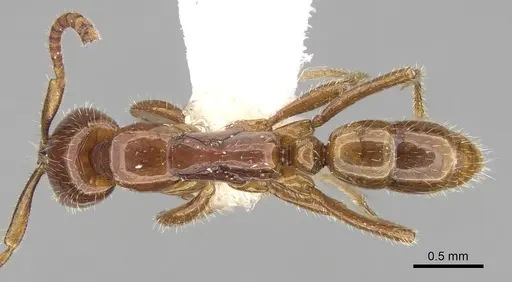
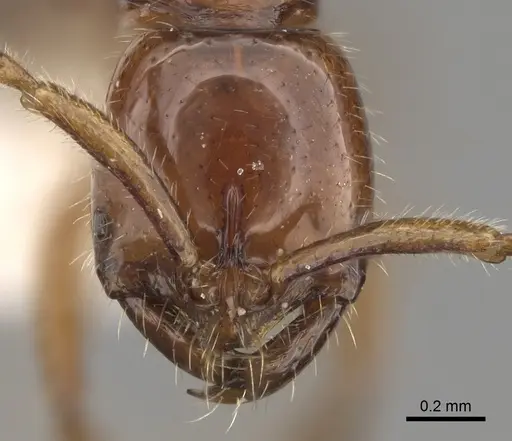
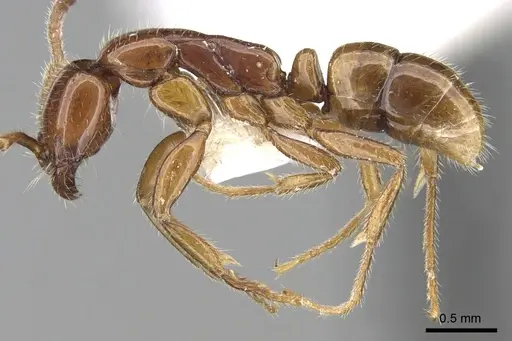
CASENT0384495
View on AntWeb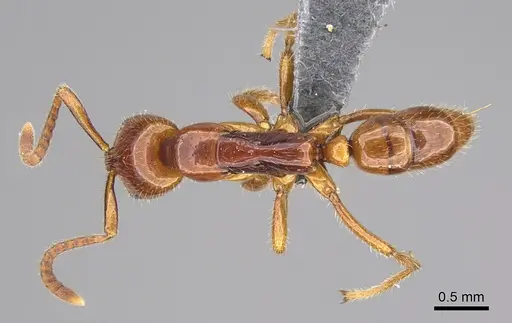
CASENT0882184
View on AntWeb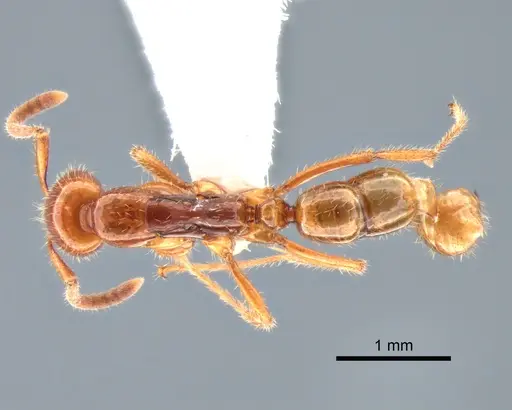
CASENT0903952
View on AntWeb
CASENT0907293
View on AntWeb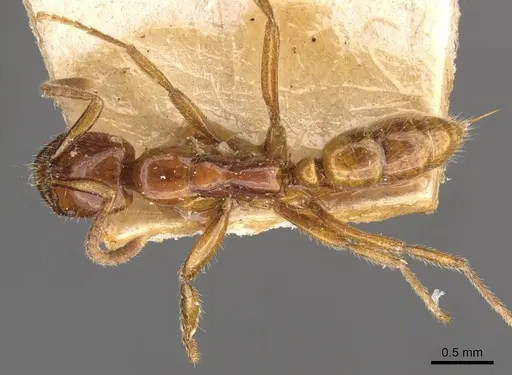
FOCOL1012
View on AntWeb
FOCOL1013
View on AntWeb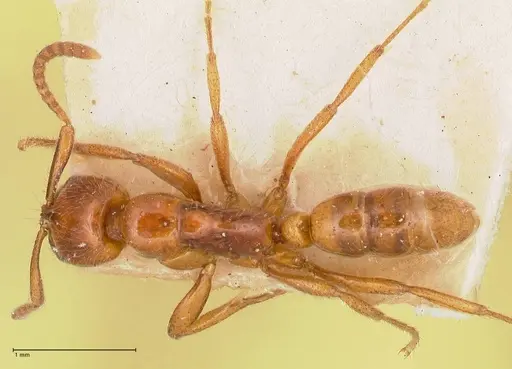
Literature
Loading...Loading products...