

Leptogenys mutabilis
- Scientific Name
- Leptogenys mutabilis
- Tribe
- Ponerini
- Subfamily
- Ponerinae
- Author
- Smith, 1861
- Distribution
- Found in 2 countries
Leptogenys mutabilis Overview
Leptogenys mutabilis is an ant species of the genus Leptogenys. It is primarily documented in 2 countries , including Indonesia, Malaysia. Detailed taxonomic data and occurrence records can be further explored via authoritative databases such as AntWeb or the Global Biodiversity Information Facility (GBIF).
Leptogenys mutabilis
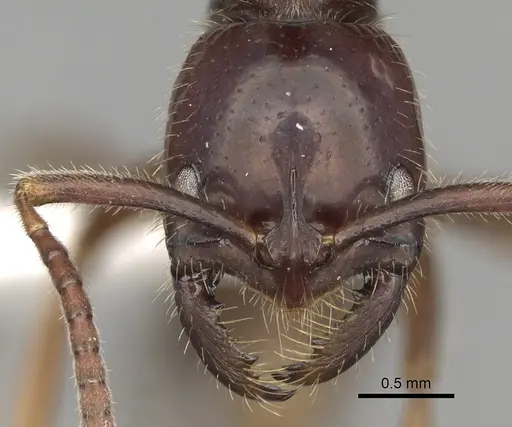
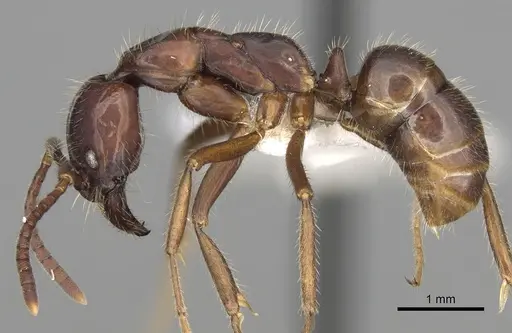
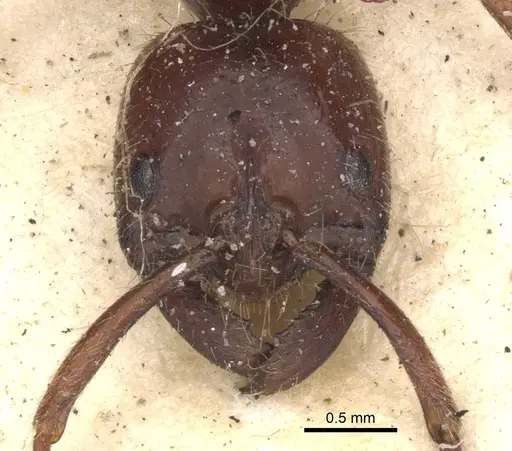
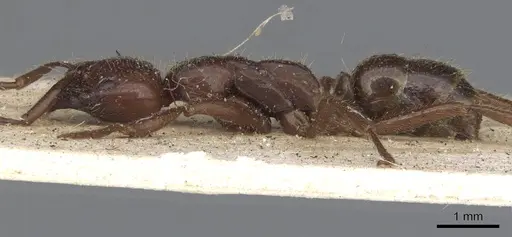
Leptogenys mutabilis is a medium-sized ponerine ant native to Southeast Asia and the Indo-Malayan region. Workers are slender with a distinctively long, narrow mesosoma (the middle body section) characteristic of the genus Leptogenys, their name literally means 'slender jaw.' They have dark brown to black coloration with a smooth, polished body surface. This species is highly abundant across its range, particularly in Borneo where it's the second most common Leptogenys species encountered in leaf litter and ground surveys [1]. Colonies can grow massive, reaching over 50,000 workers in mature nests [1].
What makes L. mutabilis particularly interesting is its nomadic colony movement behavior. Unlike most ants that establish permanent nests, colonies of this species relocate every few hours to ten days, carrying their pupae and larvae with them during the move [1]. They also host an impressive array of social parasites, at least seven species of scuttle flies (Phoridae) have been documented living in their colonies, including flightless females that parasitize the ants [2]. Additionally, rove beetles of the species Maschwitzia ulrichi have been documented marching with their migration columns [3].
Quick Summary
- Difficulty: Medium
- Origin & Habitat: Native to the Indomalaya region: Borneo, India, Indonesia, Malaysia, Philippines, Singapore, Sulawesi, and Thailand. Found in lowland rainforest environments, typically nesting in leaf litter, rotten logs, and ground cavities [1]. This is a tropical species that thrives in warm, humid forest floor conditions.
- Colony Type: Monogynous, colonies have a single queen and can grow to massive sizes of up to 52,100 workers [1]. Workers are not known to have reproductive capabilities (no spermatheca in adult workers) [4].
- Colony: Monogyne
- Founding: Claustral
- Size & Growth:
- Queen: Estimated 8-10mm based on genus Leptogenys typical sizes
- Worker: Estimated 5-7mm based on genus Leptogenys typical sizes
- Colony: Up to 52,100 workers in mature colonies [1]
- Growth: Moderate, estimated based on large colony size and tropical species
- Development: Estimated 6-8 weeks at tropical temperatures based on typical Ponerinae development (Development time is estimated from related Ponerine ants, specific data for this species is not available)
- Antkeeping:
- Temperature: Keep at 24-28°C. As a tropical species from Southeast Asian rainforests, they need consistently warm conditions. A heating cable on one side of the nest creates a suitable gradient [1].
- Humidity: High humidity is essential, think damp rainforest floor. Keep the nest substrate consistently moist but not waterlogged. Provide a water tube for drinking access. Mist the outworld occasionally and ensure good ventilation to prevent mold while maintaining humidity [1].
- Diapause: No, as a tropical species, they do not require hibernation. Maintain warm temperatures year-round.
- Nesting: In captivity, they do well in naturalistic setups with moist substrate (soil/peat mix) or in Y-tong/plaster nests with moisture chambers. They prefer dark, humid nest conditions similar to their natural leaf litter and rotting wood microhabitats. Provide hiding spots and ground cover in the outworld since they're ground-dwelling ants [1].
- Behavior: Leptogenys mutabilis is a predatory ponerine ant that hunts small invertebrates. They're moderately aggressive when defending the colony and possess a functional stinger, Ponerine ants can deliver a painful sting. Workers are active foragers that search the ground surface for prey. Colonies are highly mobile in nature, which means in captivity they may attempt to relocate if disturbed or if conditions become unsuitable. They're not aggressive toward keepers but will sting if threatened. Escape prevention is important, while not tiny ants, they're active and will explore any gaps in their enclosure. They're primarily nocturnal or crepuscular foragers.
- Common Issues: Large colony size requires significant space, a single colony can reach 50,000+ workers and needs a spacious formicarium [1], Tropical humidity requirements can lead to mold problems if ventilation is inadequate, Mobile nesting behavior may cause stress, avoid frequent disturbances and provide stable, optimal conditions, Wild-caught colonies may carry scuttle fly parasites (Phoridae) that can persist in captivity [2], Queens are claustral, they seal themselves in during founding and require minimal disturbance
Housing and Enclosure Setup
Leptogenys mutabilis needs a spacious setup to accommodate their large colony size, up to 50,000 workers in mature colonies [1]. A naturalistic terrarium-style setup works best, with a deep layer of moist substrate (soil/peat mix) to allow for their natural ground-nesting behavior. Alternatively, a Y-tong nest with moisture chambers provides good humidity control. Since they're ground-dwelling ants that naturally nest in leaf litter and rotting logs, provide plenty of ground cover in the outworld, pieces of bark, leaf litter, and small hiding spots. Use a water tube for drinking access. Escape prevention should be good but not extreme, they're medium-sized ants, not tiny escape artists. A standard barrier or fluon on smooth surfaces works well.
Feeding and Diet
As a Ponerine ant, L. mutabilis is predatory and hunts small invertebrates. In captivity, offer small live prey such as fruit flies, small crickets, mealworms, and other appropriately-sized insects. They're likely nocturnal hunters, so offering prey in the evening may increase acceptance. Based on related Leptogenys species, they probably accept some sugar sources like honey or sugar water, but protein prey should be the primary food. Feed protein prey 2-3 times per week, adjusting based on colony size and consumption. Remove uneaten prey after 24 hours to prevent mold.
Temperature and Seasonal Care
Maintain temperatures between 24-28°C year-round. This is a tropical species from Southeast Asian rainforests that does not experience cold winters in its native habitat [1]. Room temperature within this range is suitable, if your space is cooler, use a heating cable on one side of the nest to create a warm gradient. Never let temperatures drop below 20°C. Since they don't require diapause or hibernation, consistent warmth is key. Monitor for signs of cold stress, workers becoming sluggish or clustering near heat sources.
Colony Behavior and Dynamics
One of the most fascinating aspects of L. mutabilis is their highly mobile nesting behavior. In the wild, colonies relocate every few hours to ten days, carrying their brood with them during the move [1]. This means they're adapted to frequent movement and may be more tolerant of disturbance than most ant species. However, in captivity, stable conditions are still best, they won't relocate if their environment is consistently optimal. Workers are active foragers that hunt prey on the ground surface. The colony has a single queen (monogynous) and can grow massive, over 50,000 workers in established colonies [1]. Workers possess a functional stinger and can deliver a painful sting if threatened, though they're not particularly aggressive toward humans.
Health and Parasites
Wild colonies of L. mutabilis are known to host multiple species of scuttle flies (Phoridae), with at least seven species documented as social parasites [2]. These flies parasitize the ants, with flightless females living within the colony. If you collect a colony from the wild, watch for signs of these parasites, small flies near the colony, or ants showing signs of distress. Quarantine new colonies before introducing them to any existing ant collections. Beyond parasites, the main health concerns are standard: mold from excessive humidity, stress from poor conditions, and predation or escape issues. Maintain clean enclosures and proper humidity to keep colonies healthy.
Frequently Asked Questions
How long does it take for Leptogenys mutabilis to produce first workers?
Based on typical Ponerinae development, expect first workers (nanitics) approximately 6-8 weeks after the queen lays eggs, assuming optimal temperatures around 26°C. Specific development data for this species is not available, so this is an estimate from related species.
Can I keep multiple Leptogenys mutabilis queens together?
No. This species is monogynous, meaning colonies naturally have a single queen. Multiple unrelated queens will fight. Only keep one queen per colony.
How big do Leptogenys mutabilis colonies get?
Very large, up to 52,100 workers in mature colonies [1]. This is one of the larger Leptogenys species. You'll need to plan for significant space expansion as the colony grows.
Are Leptogenys mutabilis good for beginners?
Medium difficulty. They're more demanding than common pet trade ants due to their need for high humidity, warm temperatures, and large colony sizes. However, they're hardier than some other Ponerine species. If you have experience with basic ant keeping and can maintain tropical conditions, they're a rewarding species.
What do Leptogenys mutabilis eat?
They're predatory ants that hunt small invertebrates. Feed small live prey like fruit flies, small crickets, mealworms, and other insects. They may accept some sugar sources like honey water, but protein prey should be the primary food.
Do Leptogenys mutabilis need hibernation?
No. As a tropical species from Southeast Asia, they do not require hibernation or winter cooling. Maintain warm temperatures (24-28°C) year-round.
When should I move Leptogenys mutabilis to a formicarium?
Start with a founding setup (test tube or small container) for the queen and founding colony. Once the colony reaches 20-30 workers and you see significant brood development, you can transition to a larger setup. Given their large maximum colony size, plan ahead with expandable housing.
Why is my Leptogenys mutabilis colony dying?
Common causes include: temperatures too low (below 20°C), humidity too low or too high (causing mold), poor ventilation, or parasite infection from wild-caught colonies. Check your conditions first. If from the wild, scuttle fly parasites may be the issue [2].
References

This caresheet is licensed under CC BY-SA 4.0 .
CASENT0281922
View on AntWeb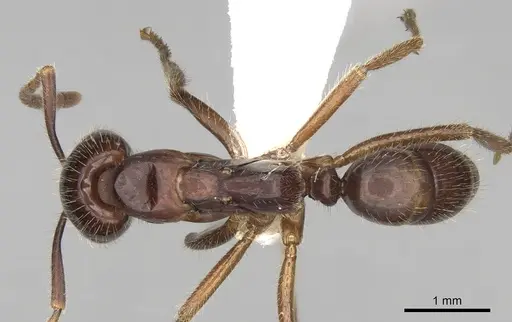
CASENT0901355
View on AntWeb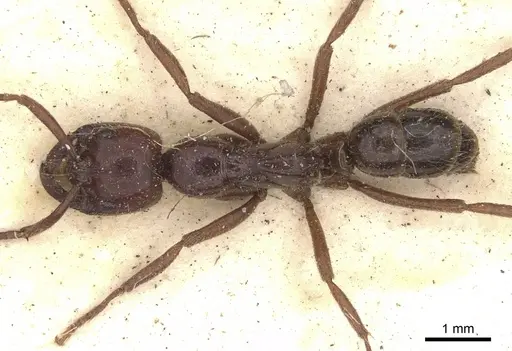
Literature
Loading...Loading products...