

Leptogenys mucronata
- Scientific Name
- Leptogenys mucronata
- Tribe
- Ponerini
- Subfamily
- Ponerinae
- Author
- Forel, 1893
- Distribution
- Found in 1 countries
Leptogenys mucronata Overview
Leptogenys mucronata is an ant species of the genus Leptogenys. It is primarily documented in 1 countries , including Colombia. Detailed taxonomic data and occurrence records can be further explored via authoritative databases such as AntWeb or the Global Biodiversity Information Facility (GBIF).
Leptogenys mucronata
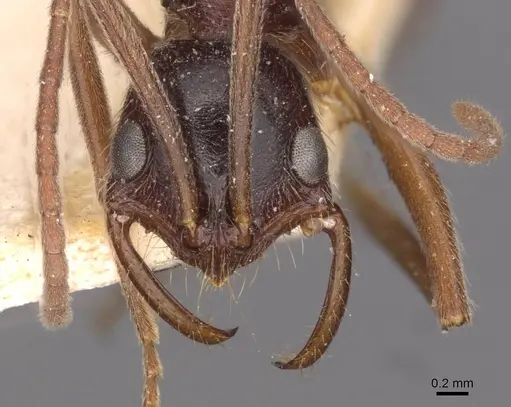
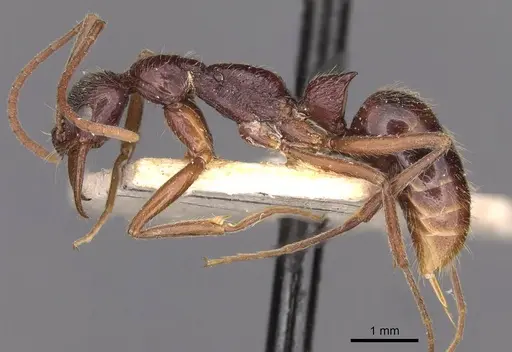
Leptogenys mucronata is a slender, predatory ant belonging to the subfamily Ponerinae. Workers are typically around 5-7mm with a distinctive elongated body and a sharp, curved petiole. The genus is known for its unique 'Dracula ant' feeding behavior, they puncture their own brood and feed on hemolymph (the insect equivalent of blood) rather than consuming solid food. This species was first described from Saint Vincent in the West Indies, where it was collected between 1889 and 1890 [1]. The genus Leptogenys contains around 300 species distributed across tropical and subtropical regions worldwide.
Quick Summary
- Difficulty: Medium
- Origin & Habitat: Saint Vincent, West Indies, a Caribbean island environment. They inhabit tropical forest habitats where they nest in soil, under stones, or in rotting wood.
- Colony Type: Likely monogyne (single queen) based on typical genus patterns. Some Leptogenys species have ergatoid (wingless) replacement queens, but this is unconfirmed for L. mucronata specifically.
- Size & Growth:
- Queen: Estimated 7-9mm based on genus Leptogenys morphology
- Worker: Estimated 5-7mm based on genus Leptogenys morphology
- Colony: Estimated 100-300 workers based on typical genus colony sizes
- Growth: Moderate, inferred from typical Ponerinae development patterns
- Development: Estimated 6-10 weeks at optimal temperature based on related Leptogenys species (Development time is estimated from genus-level data since species-specific studies are unavailable)
- Antkeeping:
- Temperature: Keep around 24-28°C. Tropical species require warm conditions, a heating cable on one side of the nest creates a suitable gradient.
- Humidity: Moderate to high humidity (60-80%). Keep the nest substrate moist but not waterlogged. These forest-floor ants prefer damp conditions.
- Diapause: Likely minimal or no true diapause given their tropical origin. Some slow-down during cooler months may occur but hibernation is not required.
- Nesting: Y-tong (AAC) nests or plaster nests work well. They prefer tight, humid chambers. Naturalistic setups with moist soil and hiding spots are also suitable.
- Behavior: Leptogenys mucronata is a predatory ant with an active foraging style. Workers hunt small arthropods, particularly isopods and other soil-dwelling creatures. Their unique feeding behavior involves puncturing brood and feeding on hemolymph, this is normal for the genus and not a sign of illness. Workers are moderately aggressive and will defend the colony vigorously. They have a functional stinger and can deliver a painful sting. Escape prevention is important, they are active and agile, though not extremely small.
- Common Issues: colonies can fail if prey is not provided regularly, they need constant protein sources, overheating can kill colonies quickly, avoid temperatures above 32°C, dry conditions cause colony decline, monitor humidity closely, wild-caught colonies may have parasites that affect survival in captivity, slow founding period can lead to queen abandonment if disturbed frequently
Housing and Nest Setup
Leptogenys mucronata does well in Y-tong (AAC) nests or plaster formicariums that maintain humidity well. These ants prefer tight, snug chambers that mimic their natural underground nests. A small outworld connected to the nest allows workers to forage for prey. Use a water reservoir or moisture system to maintain humidity, these ants desiccate quickly if conditions become too dry. A naturalistic setup with moist soil, leaf litter, and hiding spots also works well and encourages natural foraging behaviors. Ensure all connections between nest and outworld are secure, these active ants will find any gap.
Feeding and Diet
Leptogenys mucronata is a specialized predator that requires live prey to thrive. Their primary food source should be small arthropods, isopods (roly-polies), springtails, small spiders, and tiny crickets are ideal. The unique Dracula ant feeding behavior means they will also accept small pieces of insect that they can puncture to feed on hemolymph. Offer prey 2-3 times per week, removing any uneaten remains after 24 hours. Sugar sources are generally not required or accepted, these are strict predators. Some keepers report success with very small amounts of honey or sugar water as an occasional supplement, but protein prey should form the bulk of their diet.
Temperature and Humidity
As a tropical Caribbean species, Leptogenys mucronata requires warm, humid conditions. Maintain temperatures between 24-28°C in the nest area. A heating cable placed on top of the nest (never underneath to avoid drying) can create a gentle warmth gradient. Humidity should be kept at 60-80%, the substrate should feel consistently moist but never waterlogged. Monitor condensation levels in test tube setups as an indicator of humidity. Avoid temperatures above 32°C as this can quickly kill colonies. Room temperature around 22-24°C may be acceptable if your home stays consistently in this range.
Behavior and Temperament
Leptogenys mucronata is an active, predatory ant with a strong defensive drive. Workers forage individually or in small groups, hunting for small arthropods in the leaf litter and soil. They possess a functional stinger and will use it if threatened, the sting is reported to be painful for humans. Unlike many ants, they do not recruit heavily to food sources through pheromone trails, instead, individual workers discover prey and may lead nestmates through tandem running. The distinctive Dracula ant behavior of puncturing brood to feed on hemolymph is normal and not a sign of disease or aggression. Colonies are moderately aggressive and will swarm to defend against threats.
Colony Founding and Growth
Colony founding for Leptogenys mucronata is not well documented but is likely semi-claustral based on genus patterns. The queen probably remains active during founding and may need to hunt for food rather than relying solely on stored fat reserves. This makes the founding stage particularly vulnerable, disturbances or lack of prey can cause queen abandonment. Expect the first nanitic (initial) workers to appear after 6-10 weeks under optimal conditions. Growth is moderate, colonies typically reach 100-300 workers over several years. The founding period requires patience and minimal disturbance.
Frequently Asked Questions
How long does it take for Leptogenys mucronata to produce first workers?
Expect first workers (nanitics) after approximately 6-10 weeks under optimal warm and humid conditions. This is an estimate based on related Leptogenys species since species-specific development data is not available.
What do Leptogenys mucronata ants eat?
They are strict predators that require live prey. Offer small arthropods like isopods (roly-polies), springtails, tiny spiders, and small crickets. The unique Dracula ant behavior means they also feed on hemolymph by puncturing their own brood, this is normal.
Do Leptogenys mucronata ants sting?
Yes, they have a functional stinger and will sting if threatened. The sting is reported to be painful, though the pain typically subsides within a few hours.
Are Leptogenys mucronata good for beginners?
This species is rated as medium difficulty. While not the most challenging ant to keep, their requirement for live prey and specific humidity needs make them better suited for keepers with some experience.
What temperature do Leptogenys mucronata need?
Keep them warm at 24-28°C. They are tropical ants that do not tolerate cool temperatures. A heating cable on the nest can help maintain optimal temperatures.
How big do Leptogenys mucronata colonies get?
Colony size is estimated at 100-300 workers based on typical genus sizes. This is a moderate-sized colony for a Ponerine ant.
Do Leptogenys mucronata need hibernation?
No, hibernation is not required. As a tropical Caribbean species, they do not experience cold winters in their native habitat. Simply maintain warm temperatures year-round.
Can I keep multiple Leptogenys mucronata queens together?
This is not recommended. Combining unrelated queens has not been documented for this species and would likely result in fighting. If you obtain a colony, assume it is single-queen unless you observe otherwise.
Why is Leptogenys mucronata called a Dracula ant?
The common name refers to their unique feeding behavior where workers puncture their own brood (eggs, larvae, or pupae) and feed on the hemolymph (insect blood). This is a characteristic of the entire genus Leptogenys.
What humidity level do Leptogenys mucronata need?
Keep humidity at 60-80%. The nest substrate should feel consistently moist. Use test tubes with water reservoirs or plaster nests with moisture systems to maintain humidity.
When should I move Leptogenys mucronata to a formicarium?
Wait until the colony has at least 15-20 workers before moving to a proper formicarium. A test tube setup works well for the founding colony. Once the colony grows, you can transfer to a Y-tong or plaster nest.
Why is my Leptogenys mucronata queen not laying eggs?
Several factors could be involved: temperatures below 24°C, humidity too low or too high, disturbance during founding, or lack of adequate prey. Ensure optimal conditions and provide small live prey regularly.
References

This caresheet is licensed under CC BY-SA 4.0 .
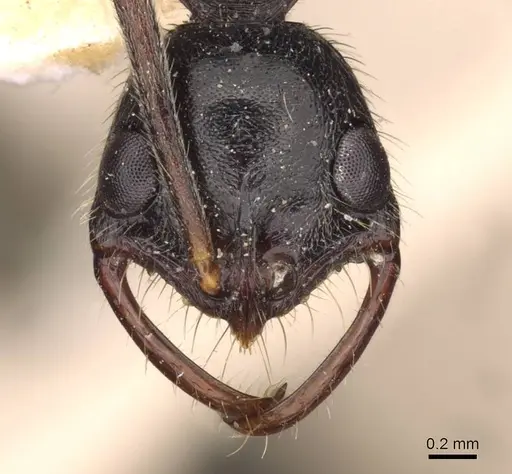
CASENT0907345
View on AntWeb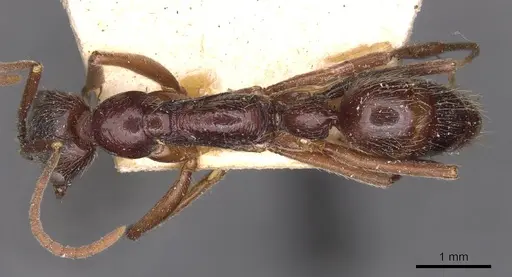
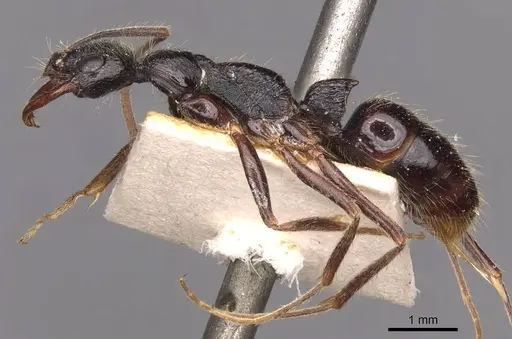
CASENT0907346
View on AntWeb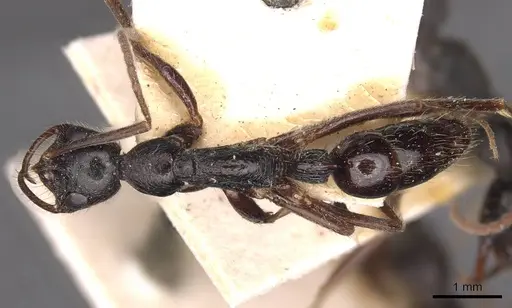
Literature
Loading...Loading products...