

Leptogenys montuosa
- Scientific Name
- Leptogenys montuosa
- Tribe
- Ponerini
- Subfamily
- Ponerinae
- Author
- Lattke, 2011
- Distribution
- Found in 1 countries
Leptogenys montuosa Overview
Leptogenys montuosa is an ant species of the genus Leptogenys. It is primarily documented in 1 countries , including Costa Rica. Detailed taxonomic data and occurrence records can be further explored via authoritative databases such as AntWeb or the Global Biodiversity Information Facility (GBIF).
Leptogenys montuosa
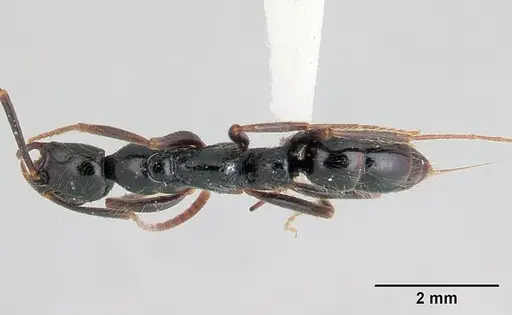
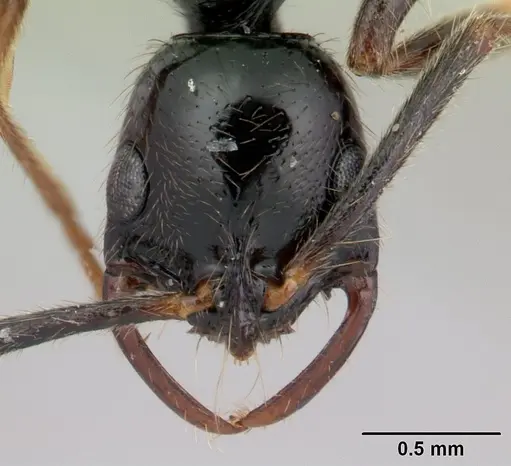
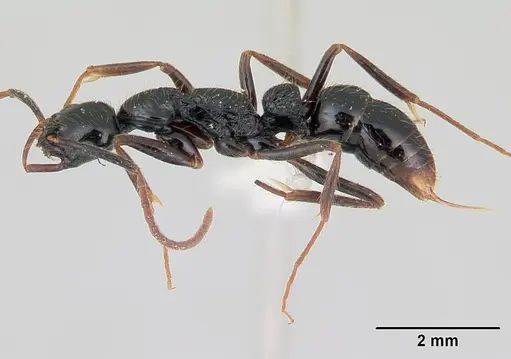
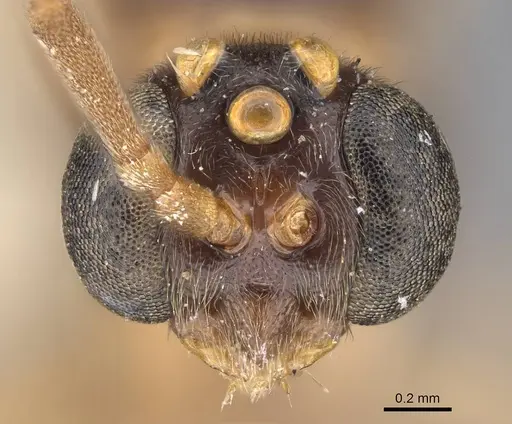
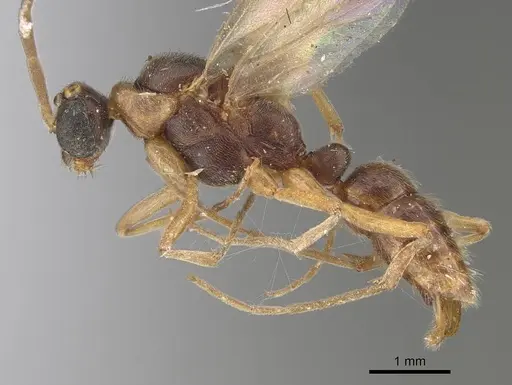
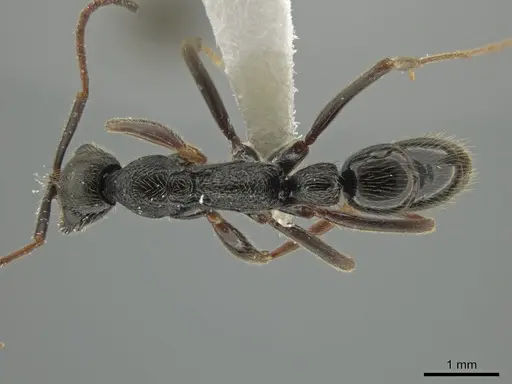
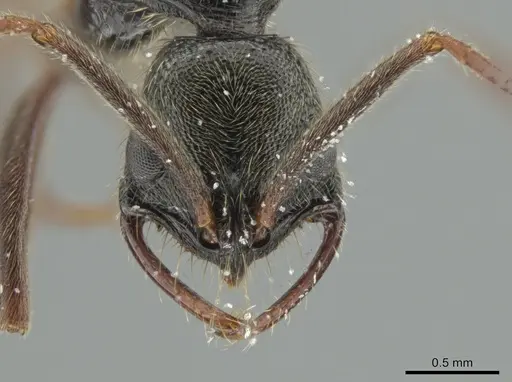
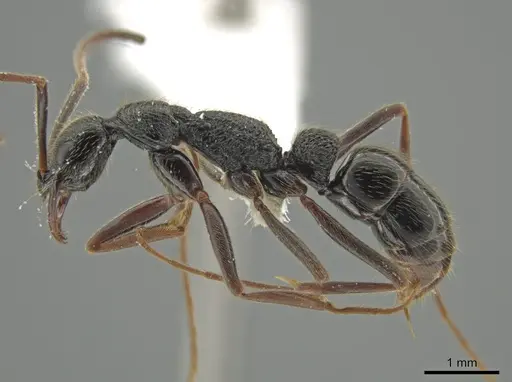
Leptogenys montuosa is a medium-sized ponerine ant native to the Neotropical region of Costa Rica and Panama. Workers measure around 9-10mm in total length, with a distinctive black body, dark brown appendages, and large convex eyes that span nearly one-third of the head's lateral margin. The head and mesosoma show characteristic punctation and striation patterns that help distinguish this species from related ants in the arcuata species group.
This species is notable for its specialized predatory behavior, nests have been found containing remains of terrestrial isopods, indicating a diet focused on these crustaceans rather than typical ant prey. Found in lowland coastal areas like Tortuguero in Costa Rica, these ants nest in rotten branches close to ground level in beach strand vegetation [1]. The species remains poorly studied, with queens and males yet to be described in the scientific literature.
Quick Summary
- Difficulty: Medium
- Origin & Habitat: Lowland coastal forests of Costa Rica and Panama, specifically documented in the Tortuguero area at elevations below 100m. Nests are found in rotten branches attached to trees near ground level, within beach strand vegetation[1].
- Colony Type: Unknown colony structure, queens and males have not been described, so the colony type (single-queen vs multi-queen) is unconfirmed. Based on typical Ponerinae patterns, expect single-queen colonies.
- Size & Growth:
- Queen: Unknown, queens have not been described in scientific literature
- Worker: Workers measure approximately 9-10mm total length (HL 1.24mm, WL 2.15mm)
- Colony: Unknown, no colony size data available
- Growth: Unknown, no development data exists for this species
- Development: Unknown, no direct measurements available. Based on related Leptogenys species and typical Ponerinae development, estimate 6-10 weeks at optimal tropical temperatures. (This is a rough estimate based on genus-level patterns. Direct observations of captive development are needed for this species.)
- Antkeeping:
- Temperature: Keep at 24-28°C, reflecting their lowland tropical origin. A gentle gradient allowing workers to self-regulate is ideal. Avoid temperatures below 22°C as this species is adapted to consistently warm conditions.
- Humidity: Maintain high humidity (70-85%) in the nest area. These ants come from coastal tropical environments with high ambient moisture. The nesting substrate should remain consistently damp but not waterlogged.
- Diapause: No diapause required, as a tropical species from sea level elevations, they do not experience cold winters. Keep them at stable warm temperatures year-round.
- Nesting: Provide a naturalistic setup with moist substrate. Rotten wood or cork nesting media works well, as this species naturally nests in decaying wood in humid forest understories. Acrylic or plaster nests with moisture chambers are also suitable. Keep nesting areas dark and humid.
- Behavior: Leptogenys montuosa is a specialized predator, primarily hunting terrestrial isopods (woodlice) in nature. Workers are likely active foragers that hunt individually rather than using mass recruitment. They possess a functional sting for subduing prey. Their large eyes suggest visual hunting may play a role in their predatory behavior. Escape prevention is important, while not extremely small, they are agile and can climb smooth surfaces. Use standard barrier methods like fluon on test tube rims. Temperament is likely moderate, Ponerine ants can be defensive when threatened but are not typically aggressive toward humans.
- Common Issues: lack of captive husbandry data makes successful keeping challenging, this species has never been documented in the antkeeping hobby, no confirmed diet acceptance in captivity, their specialized isopod predation may not translate to standard ant foods, queens and males unknown means founding behavior is completely unconfirmed, humidity requirements are critical, drying out causes rapid colony decline, tropical species cannot tolerate cool temperatures or temperature drops
Natural History and Distribution
Leptogenys montuosa is found exclusively in the Neotropical region, specifically Costa Rica and Panama. The type locality and best-documented collection site is Tortuguero on Costa Rica's Caribbean coast, at elevations below 100 meters. This is a lowland coastal area characterized by high humidity, tropical temperatures, and lush vegetation. The species nests in rotten branches that are attached to trees but hang close to the ground, essentially a transitional zone between the forest floor and understory. The discovery of isopod remains inside the nest confirms these ants are specialized predators targeting terrestrial isopods rather than generalist insect hunters. This dietary specialization is unusual among ants and makes L. montuosa an interesting subject for study, though it presents challenges for captive husbandry[1].
Identification and Morphology
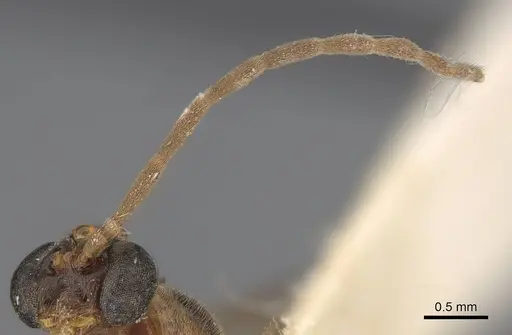
Workers of Leptogenys montuosa are relatively large for the genus, measuring approximately 9-10mm in total length. The head is distinctive, sub-rectangular with broadly curved and diverging lateral margins, and notably featuring large convex eyes that span almost one-third of the head's lateral margin. The head sculpture varies from densely punctate in specimens from central and northwest Costa Rica to sparsely punctate in specimens from Panama and northeast Costa Rica. The body is primarily black, with the clypeus, mandibles, antennae, and legs dark brown. The propodeum (the rear portion of the mesosoma) has a distinctly punctate dorsum but transversely striate declivity. The petiole node is roughly as wide as long when viewed from above, with a characteristic rugose surface texture. These morphological features help distinguish L. montuosa from related species like L. arcuata, which is smaller and has a mostly smooth cephalic dorsum.
Housing and Nesting
For captive care, provide a humid environment that mimics their natural nesting habitat in rotting wood. A naturalistic setup with cork or wooden nesting media kept consistently moist works well. Alternatively, acrylic or plaster nests with dedicated water chambers can maintain the required humidity levels. The nesting area should be dark, these ants naturally nest inside concealed rotten branches. Maintain humidity at 70-85% and temperatures between 24-28°C. The outworld can be kept slightly drier, but the nest chamber must remain damp. Given their coastal tropical origin, stable conditions without temperature fluctuations are essential. Avoid dry conditions entirely, this species will not tolerate desiccation.
Feeding and Diet
This is the most challenging aspect of keeping Leptogenys montuosa. In the wild, they specialize in hunting terrestrial isopods (woodlice), and this prey preference has been confirmed by finding isopod remains inside natural nests [1]. In captivity, you will likely need to establish a colony of isopods or other small crustaceans as a permanent food source. Acceptance of standard ant foods like fruit flies, mealworms, or crickets is unknown, they may refuse these if their hunting behavior is too specialized. Sugar sources are unlikely to be accepted given their predatory nature. This species is not recommended for beginners precisely because of the specialized dietary requirements. If keeping this species, plan for establishing a culture of small isopods or similar crustaceans before acquiring the ants.
Temperature and Seasonal Care
As a lowland tropical species from sea level elevations in Costa Rica and Panama, Leptogenys montuosa requires consistently warm temperatures year-round. Keep the nest area at 24-28°C, avoiding any drops below 22°C. Unlike temperate ants, they do not require or benefit from hibernation or diapause. In fact, cool temperatures would likely be harmful or fatal. A heating cable or mat on one side of the nest can help maintain optimal temperatures, but ensure proper humidity is maintained as heating can dry out the nest. Room temperature within the range is acceptable in most homes, but monitor during winter months when indoor temperatures may drop.
Behavior and Temperament
Leptogenys montuosa is a Ponerine ant, and like others in this subfamily, they possess a functional sting used for subduing prey. While not typically aggressive toward humans, they will sting if threatened or if their nest is disturbed. The sting is reported to be painful in related species. Workers are likely solitary foragers rather than mass recruiters, they hunt individually using their large eyes to locate prey. Their specialized isopod-hunting behavior suggests they may have specific hunting strategies different from typical ant predation. They are agile climbers, so standard escape prevention with barriers like fluon on test tube rims or formicarium edges is recommended. The colony structure remains unknown since queens have never been described.
Frequently Asked Questions
How do I keep Leptogenys montuosa ants?
This is an advanced species requiring specialized care. You need to provide high humidity (70-85%), warm temperatures (24-28°C), and most importantly, a diet based on terrestrial isopods or similar small crustaceans, this is their primary prey in the wild. Without a reliable isopod food source, the colony will likely starve. This species is not recommended for beginners.
What do Leptogenys montuosa eat?
They are specialized predators on terrestrial isopods (woodlice). This is one of the few ant species with a confirmed specialized diet. In captivity, you will likely need to culture isopods or similar crustaceans as a permanent food source. Acceptance of standard ant prey like fruit flies or mealworms is unknown and likely low.
How long does it take for Leptogenys montuosa to develop from egg to worker?
Unknown, no captive development data exists for this species. Based on related Leptogenys and typical Ponerinae development, estimate 6-10 weeks at optimal tropical temperatures (around 26°C), but this is a rough guess.
Can I keep multiple Leptogenys montuosa queens together?
Unknown, queens have never been described in scientific literature, so we have no information about their colony structure or whether they are single-queen or multi-queen species. Do not attempt combining unrelated queens until more is known.
What temperature do Leptogenys montuosa need?
Keep them at 24-28°C. This is a lowland tropical species from Costa Rica and Panama that does not tolerate cool temperatures. Avoid anything below 22°C.
Do Leptogenys montuosa need hibernation?
No, as a tropical species from sea level elevations, they do not require or benefit from hibernation. Keep them at warm temperatures year-round.
Are Leptogenys montuosa good for beginners?
No, this species is not recommended for beginners. There is almost no captive husbandry information available, queens have never been described, and their specialized isopod diet makes feeding extremely challenging. This is an expert-only species.
How big do Leptogenys montuosa colonies get?
Unknown, no colony size data has been documented in the scientific literature. Related Leptogenys species typically form colonies of several hundred workers, but specific data for L. montuosa is unavailable.
References

This caresheet is licensed under CC BY-SA 4.0 .
Literature
Loading...Loading products...