

Leptogenys mayotte
- Scientific Name
- Leptogenys mayotte
- Tribe
- Ponerini
- Subfamily
- Ponerinae
- Author
- Rakotonirina & Fisher, 2014
- Distribution
- Found in 1 countries
Leptogenys mayotte Overview
Leptogenys mayotte is an ant species of the genus Leptogenys. It is primarily documented in 1 countries , including Mayotte. Detailed taxonomic data and occurrence records can be further explored via authoritative databases such as AntWeb or the Global Biodiversity Information Facility (GBIF).
Leptogenys mayotte
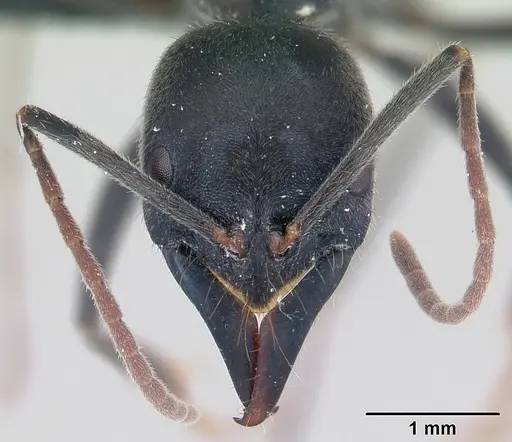
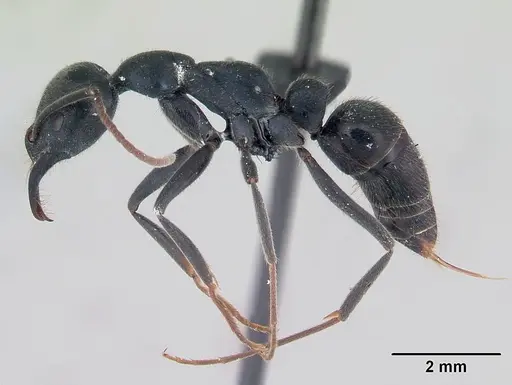
Leptogenys mayotte is a large ponerine ant species native only to Mayotte Island, a small island in the Indian Ocean between Mozambique and Madagascar. Workers are impressively sized for the genus, measuring 1.80-1.96mm in head width, making them one of the largest Leptogenys species. They have a striking appearance with a black to dark brown body and lighter-colored leg tips and abdominal tip. Their most distinctive features are the elongated mandibles that close tightly against a triangular clypeus, and fine transverse striations on the pronotum. This species lives exclusively in rainforest habitats, where they nest in rotting logs [1][2].
What makes L. mayotte special is its extreme rarity in the hobby and its limited geographic range, it exists nowhere else on Earth. As a predatory ponerine, it hunts using its sharp mandibles, and its large size makes it an impressive display species. However, being from a tropical island rainforest, it has specific humidity and temperature needs that must be met for successful captive keeping.
Quick Summary
- Difficulty: Medium
- Origin & Habitat: Mayotte Island, located in the Indian Ocean between Mozambique and Madagascar. This species is only found in rainforest habitats at around 380m elevation, specifically in rotting logs [1][2].
- Colony Type: Colony structure is unconfirmed. Based on typical Leptogenys patterns, likely single-queen colonies (monogyne).
- Size & Growth:
- Queen: Unknown, queen has not been described in scientific literature
- Worker: 1.80-1.96mm head width [1]
- Colony: Unknown, colony size has not been documented
- Growth: Unknown, growth rate has not been studied
- Development: Unknown, development timeline has not been directly studied. Based on typical Leptogenys and other Ponerinae, estimate 6-10 weeks at optimal temperature. (Timeline is estimated from genus-level data since no species-specific studies exist.)
- Antkeeping:
- Temperature: Keep at 24-28°C. Being from a tropical rainforest island, they need warm, stable conditions. A heating cable on one side of the nest creates a gentle gradient. Avoid temperatures below 22°C or above 30°C.
- Humidity: High humidity is essential, think damp rainforest floor. Keep the nest substrate consistently moist but not waterlogged. The nesting in rotting logs indicates they need a humid environment with organic material. Aim for 70-85% humidity in the nest area.
- Diapause: No, being from a tropical island with no cold season, they do not require hibernation or diapause. Maintain warm conditions year-round.
- Nesting: In nature, they nest in rotting logs in rainforest habitats. In captivity, a naturalistic setup with moist substrate (like a mix of soil and rotting wood) works well. Y-tong nests with added moisture chambers can also work, but ensure the nesting area stays humid. Avoid dry, sandy substrates.
- Behavior: Leptogenys are predatory ants that hunt primarily on isopods (woodlice) and other small invertebrates. They are active foragers with good vision. Workers are not aggressive toward humans but will defend the nest. They have functional stingers but rarely use them on keepers due to their small size. Escape prevention is important, while not tiny, they are agile and will explore for exits. Use standard barrier methods like Fluon on test tube rims.
- Common Issues: high humidity maintenance is critical, drying out causes colony failure, predatory diet means you must provide live prey regularly, they won't accept just sugar water, slow colony growth can frustrate keepers expecting fast development, wild-caught colonies may have parasites that are difficult to treat, limited information means care is based on genus patterns rather than species-specific studies
Housing and Nest Setup
Leptogenys mayotte requires a humid, naturalistic setup that mimics its rainforest log habitat. The best approach is a naturalistic terrarium with moist soil and decaying wood pieces. Fill the container with a substrate that holds moisture well, a mix of coco fiber, peat moss, and pieces of rotting wood works excellently. The wood pieces serve as both hiding spots and potential nest sites. Keep the substrate consistently damp but not pooling with water. A water reservoir or misting system helps maintain humidity. If using a test tube setup, provide a water chamber and keep it in a humid enclosure. Avoid mesh lids that allow too much airflow and dry the nest quickly. [1][2]
Feeding and Diet
As a predatory ponerine ant, L. mayotte needs a protein-rich diet of live prey. Their primary prey in the wild is isopods (woodlice), but they will accept various small invertebrates. Offer live small prey such as fruit flies, small crickets, mealworms, and especially isopods when available. Feed prey roughly twice weekly, adjusting based on colony size and consumption. Remove uneaten prey after 24-48 hours to prevent mold. Sugar sources like honey water or sugar water may be accepted occasionally, but protein prey is the essential food. A varied diet helps ensure healthy colonies. Some keepers report success with frozen prey, but live prey is preferred.
Temperature and Seasonal Care
Being from tropical Mayotte Island, this species needs warm conditions year-round. Maintain temperatures between 24-28°C in the nest area. A heating cable placed on one side of the nest creates a temperature gradient that allows ants to regulate their exposure. Room temperature alone may be too cool, monitor with a thermometer. Since there is no winter on Mayotte, no diapause or hibernation period is needed. Keep conditions stable, avoid drafts, air conditioning vents, and temperature fluctuations. Cold stress can weaken or kill colonies. During cooler months, ensure heating is consistent. [1]
Colony Founding
The founding behavior of Leptogenys mayotte has not been directly documented. Based on typical Leptogenys genus patterns, the queen likely seals herself in a chamber (claustral founding) and raises the first workers alone using stored fat reserves. The first workers, called nanitics, are typically smaller than mature workers. During founding, the queen needs complete darkness and minimal disturbance. Do not feed the founding queen, she survives entirely on her stored resources. Once the first workers emerge, you can begin offering tiny prey items. Colony growth is typically slow during the founding phase, so patience is essential.
Behavior and Defense
Leptogenys mayotte workers are active foragers that hunt individually rather than in groups. They have good vision and will explore their enclosure systematically. When threatened, they may use their stingers, though the sting is mild for humans due to their small size. Workers are not particularly aggressive toward keepers and rarely bite. They are escape artists, inspect their enclosure regularly and ensure all openings are sealed. Provide a dark retreat area in the enclosure since they prefer dim conditions. Adding leaf litter and hiding spots satisfies their natural foraging behavior and reduces stress.
Frequently Asked Questions
How long does it take for Leptogenys mayotte to produce first workers?
The exact timeline is unknown since this species has not been studied in captivity. Based on typical Leptogenys and other Ponerinae development, expect 6-10 weeks from egg to worker at optimal temperature (around 26°C). Growth is often slower than more common ant species.
Can I keep Leptogenys mayotte in a test tube setup?
You can start a colony in a test tube for the founding phase, but this species requires high humidity that can be difficult to maintain in a simple test tube. A naturalistic setup with moist substrate or a modified Y-tong nest with humidity control is more suitable for long-term keeping.
What do Leptogenys mayotte ants eat?
They are predatory ants that need live protein prey. Offer small insects like fruit flies, pinhead crickets, mealworms, and especially isopods (woodlice) when available. Remove uneaten prey after a day. Occasional honey water may be accepted but should not replace protein sources.
Is Leptogenys mayotte good for beginners?
No, this species is not recommended for beginners. It has specific humidity requirements, needs a predatory diet of live prey, and is extremely rare in the antkeeping hobby. Limited care information exists since it has not been commonly kept. Experienced antkeepers interested in unusual species are the best audience.
How big do Leptogenys mayotte colonies get?
The maximum colony size is unknown, no scientific data exists on wild or captive colony sizes. Based on related Leptogenys species, colonies likely reach several hundred workers at most. Expect moderate, slow growth over several years.
Do Leptogenys mayotte need hibernation?
No. Being from tropical Mayotte Island, they do not experience cold seasons and do not require hibernation or diapause. Keep them warm year-round at 24-28°C.
Can I keep multiple queens together?
This has not been documented for this species. Based on typical Leptogenys behavior, single-queen colonies are likely. Combining unrelated queens is not recommended since fighting would likely occur. If you obtain a queen, house her alone for founding.
Why is my Leptogenys mayotte colony dying?
The most common causes are: drying out (low humidity kills them quickly), insufficient protein prey (they need live prey, not just sugar), cold stress (temperatures below 22°C), and mold from overwatering or uneaten prey. Check humidity levels, ensure consistent warmth, and provide appropriate live prey.
When should I move them to a formicarium?
Wait until the colony has at least 20-30 workers before moving to a formicarium. For this species, a naturalistic setup with moist substrate works better than a standard formicarium. If using a formicarium, choose one that maintains humidity well and includes moist chambers.
References

This caresheet is licensed under CC BY-SA 4.0 .
CASENT0134302
View on AntWeb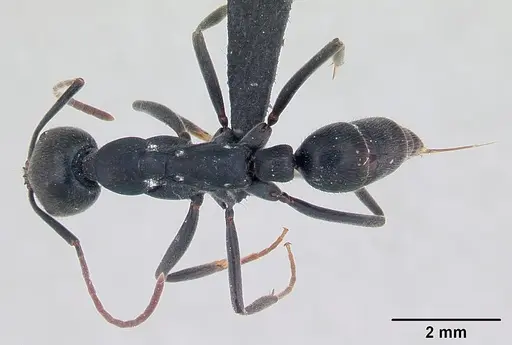
Literature
Loading...Loading products...