

Leptogenys manni
- Scientific Name
- Leptogenys manni
- Tribe
- Ponerini
- Subfamily
- Ponerinae
- Author
- Wheeler, 1923
- Common Name
- Florida Razorjaw Ant
- Distribution
- Found in 1 countries
Leptogenys manni Overview
Leptogenys manni (commonly known as the Florida Razorjaw Ant) is an ant species of the genus Leptogenys. It is primarily documented in 1 countries , including United States of America. Detailed taxonomic data and occurrence records can be further explored via authoritative databases such as AntWeb or the Global Biodiversity Information Facility (GBIF).
Leptogenys manni - "Florida Razorjaw Ant"
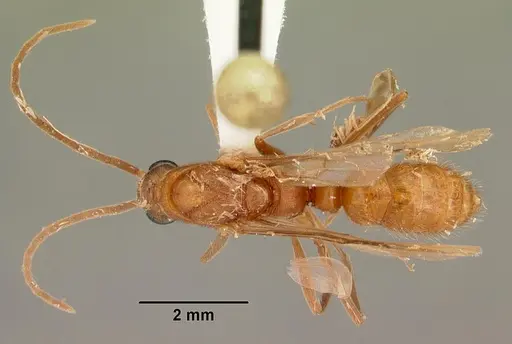
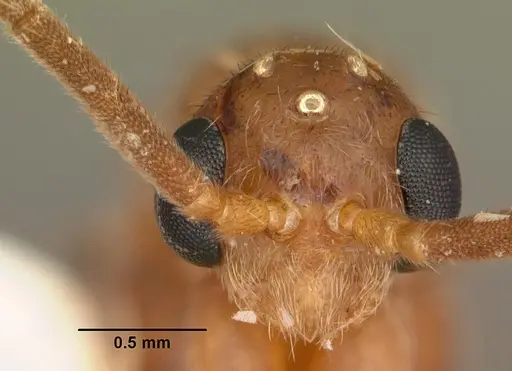
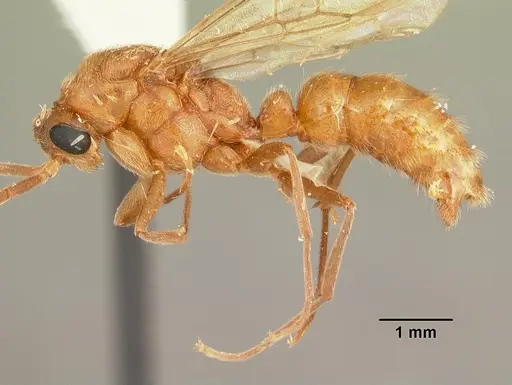
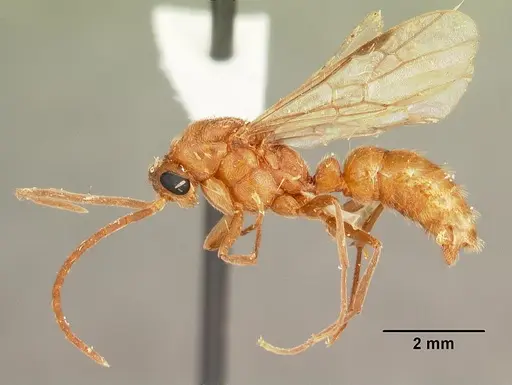
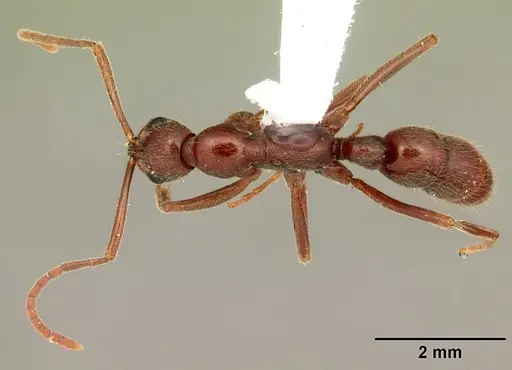
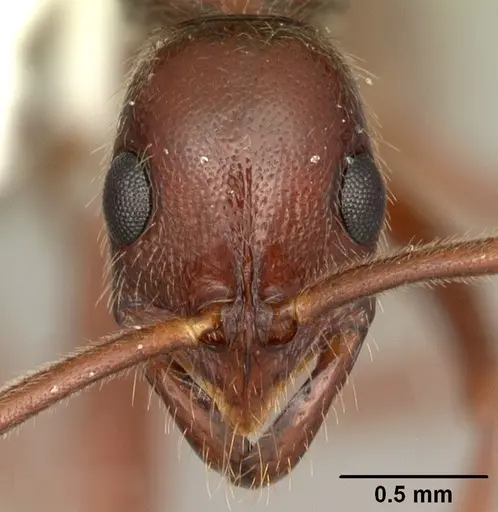
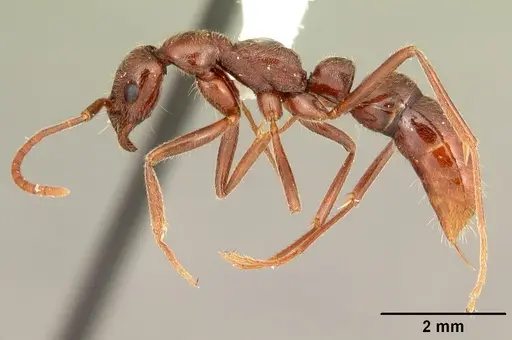
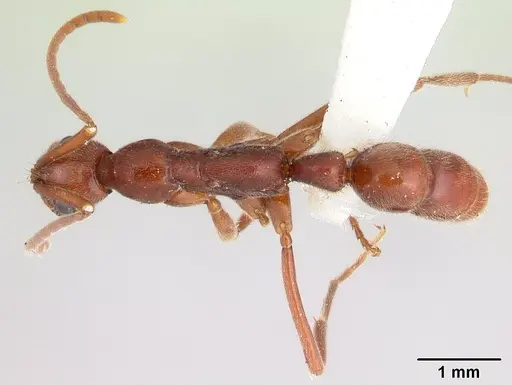
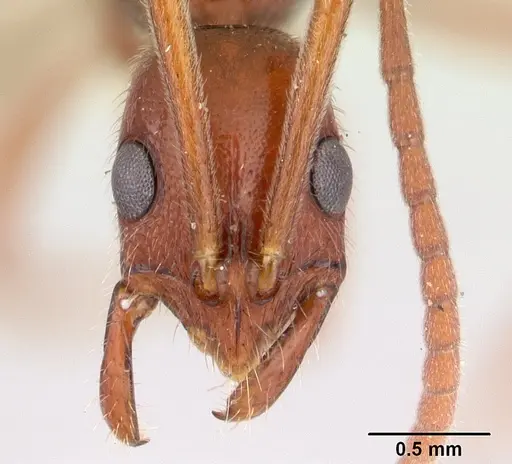
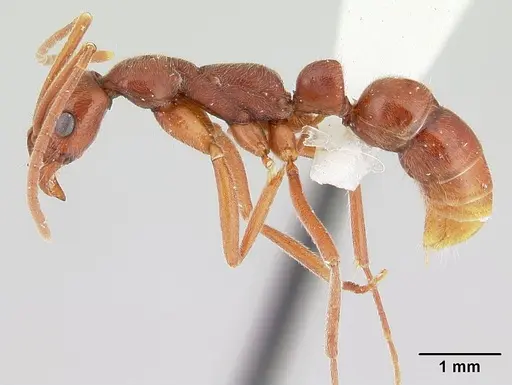
Leptogenys manni is a medium-sized ponerine ant native to Florida, recognized by its slender orange to ferruginous body with occasional blue or purple opalescence. Workers measure 1.44-1.52mm in head length with distinctive long legs and a relatively long, narrow build typical of the elongata species group. The species is endemic to Florida, primarily found in mesic woodlands where limestone lies near the surface. Colonies typically contain 1,100 to 2,300 workers and nest in rotted logs, ground duff, and tree crotches. This is a specialized predator that feeds almost exclusively on terrestrial isopods (woodlice), making it unique among North American ants.
Quick Summary
- Difficulty: Medium
- Origin & Habitat: Endemic to Florida, found in mesic woodlands with limestone near the surface. Nests in rotted logs, ground duff, and tree crotches [1][2].
- Colony Type: Ergatoid queen system, queens are wingless (ergatoid) rather than fully winged, with documented worker replacement reproductives. Single-queen colonies with ergatoid replacement reproductives if the queen dies [3].
- Colony: Monogyne
- Founding: Semi-claustral
- Size & Growth:
- Queen: Ergatoid (wingless), larger gaster than workers but specific measurements not documented [3]
- Worker: HL 1.44-1.52mm, HW 0.91-0.99mm, SL 1.47-1.62mm, WL 2.18-2.35mm [3]
- Colony: 1,100 to 2,300 workers in established colonies [2]
- Growth: Moderate, spring brood development with workers appearing in spring [3]
- Development: 6-10 weeks estimated based on typical Ponerine development patterns (Development timing not specifically studied, Ponerines typically take 6-10 weeks at warm temperatures. Males can be found May through October, workers most abundant in spring.)
- Antkeeping:
- Temperature: Keep around 22-26°C. Found in warm Florida habitats, but avoid overheating. A gentle gradient allows ants to self-regulate.
- Humidity: High humidity required, naturally found in moist rotting logs and damp woodland habitats. Keep nest substrate consistently moist but not waterlogged.
- Diapause: Unknown, as a Florida endemic, likely minimal or no true diapause. May reduce activity in cooler months.
- Nesting: Prefers humid, naturalistic setups. Rotten wood setups, moist soil nests, or acrylic nests with high humidity chambers work well. Avoid dry environments.
- Behavior: Specialized isopod predators with efficient hunting behavior. Workers stridulate (make sound by rubbing body parts) when threatened and may curl their abdomens defensively. Not aggressive toward humans but will defend the colony. Moderate escape risk due to medium size, standard barrier methods sufficient.
- Common Issues: specialized diet, will starve without isopods or acceptable alternatives, high humidity requirements, dry conditions quickly lead to colony loss, slow colony growth compared to generalist ant species, Florida endemic sensitivity, may not tolerate temperatures below 15°C, ergatoid queen system means colony recovery depends on worker replacement reproductives
Housing and Nest Preferences
Leptogenys manni requires high humidity environments that mimic their natural habitat in Florida's mesic woodlands. In captivity, they do well in naturalistic setups with moist substrate, or acrylic nests with humidity chambers. Rotten wood setups work particularly well since they replicate their natural nesting sites in decaying logs. The nest should have a water reservoir or moisture gradient to maintain humidity without flooding. Because they are moderate-sized ants, standard formicarium chambers work fine, they don't need the tiny passages required by tiny ants. Provide a foraging area that stays slightly drier than the nest area, as this humidity gradient helps with brood development. Outworlds should be escape-proof but don't require special barrier types beyond standard fluon treatment. [2][3]
Feeding and Diet
This is the most critical aspect of keeping Leptogenys manni. They are specialized predators that feed almost exclusively on terrestrial isopods (woodlice). In the wild, their primary prey is Porcellionides virgatus, with occasional Armadillidium isopods taken. This is not a species you can feed standard ant foods like sugar water or mealworms, they are obligate isopod predators. In captivity, you must culture isopods as a permanent food source. Offer live isopods regularly, and the ants will capture and paralyze them, then place larvae directly on the prey to feed. Laboratory observations show they capture Porcellionides more readily than Armadillidium, so if possible, culture Porcellionides isopods. Do not rely on sugar sources, while they may occasionally accept them, isopods must form the bulk of their diet. This specialized diet makes them a more challenging species to keep than generalist ants. [3]
Temperature and Seasonal Care
As a Florida endemic, Leptogenys manni prefers warm conditions. Keep the nest area around 22-26°C, which is typical room temperature but on the warmer end. Avoid temperatures below 15°C as this species has not evolved to handle cold. A heating cable or mat on one side of the nest can create a temperature gradient, allowing ants to self-regulate. Place the heating on top of the nest, not underneath, to avoid drying out the substrate. In the wild, workers are most active in spring, and males appear from May through October. In captivity, expect peak activity in warmer months and potentially reduced activity during winter, though a true diapause is unlikely. Monitor colony behavior, if workers become sluggish, slightly increase temperature. [3]
Behavior and Defense
Leptogenys manni workers exhibit interesting defensive behaviors when threatened. When approached by potential predators or competing ants, workers curl their abdomens and stridulate, they produce sound by rubbing specialized structures on their body. The stridulatory file consists of about 60 extremely fine, parallel ridges at the base of the second gastric segment. Workers also move brood (larvae and pupae) to safety when threatened, carrying them between their mandibles and legs. They are not particularly aggressive toward humans and rarely sting, but will defend their colony vigorously. Their specialized hunting of isopods involves capturing and paralyzing prey, then placing larvae directly on the disabled isopods to feed, this is different from many ants that regurgitate food for larvae. [2][3]
Colony Structure and Reproduction
Unlike most ant species with fully winged queens, Leptogenys manni has ergatoid queens, these are wingless queens that develop from the same caste as workers but can reproduce. Ergatoid queens have a larger gaster (abdomen) and a lower, more triangular petiole profile compared to workers. This is an adaptation that allows queen replacement if the primary queen dies, worker replacement reproductives can take over egg-laying duties. Colonies are monogyne (single queen) but have this backup reproductive system. Established colonies reach 1,100 to 2,300 workers. Males can be found from May through October, suggesting nuptial flights or mating occurs during these warmer months. The colony structure means you don't need to worry about introducing multiple queens, a single ergatoid queen plus her workers is the natural unit. [3]
Frequently Asked Questions
Can I keep Leptogenys manni in a test tube?
Test tubes can work for founding colonies but are not ideal long-term. This species requires high humidity and prefers naturalistic or moist setups. A test tube with a water reservoir can work for a queen and small colony, but plan to move them to a more spacious formicarium with humidity control as the colony grows.
What do Leptogenys manni eat?
They eat almost exclusively isopods (woodlice). This is critical, they will starve if fed only standard ant foods. Culture live isopods (Porcellionides virgatus is preferred) as a permanent food source. They may occasionally accept other small prey, but isopods must form the bulk of their diet.
How long until first workers in Leptogenys manni?
Exact development time is not documented, but based on typical Ponerine development, expect 6-10 weeks from egg to first worker at warm temperatures (24-26°C). Growth is moderate, don't expect the rapid expansion seen in some Lasius or Camponotus species.
Are Leptogenys manni good for beginners?
No, this is not a beginner species. Their specialized isopod-only diet makes them difficult to keep, and they require high humidity environments. They are best suited for antkeepers with experience keeping specialized predators or those willing to culture isopods as a permanent food source.
How big do Leptogenys manni colonies get?
Colonies reach 1,100 to 2,300 workers in the wild. In captivity, expect similar sizes with proper care. Growth is moderate, they are not fast growers like some Formicinae species.
Do Leptogenys manni need hibernation?
No, as a Florida endemic, they do not require true hibernation. They may reduce activity in cooler months, but a diapause period is not necessary. Keep them at normal room temperature year-round.
Can I keep multiple Leptogenys manni queens together?
No, this species is monogyne (single queen). However, they have ergatoid replacement reproductives, so if the queen dies, workers can replace her. Don't attempt to combine unrelated foundress queens.
Why is my Leptogenys manni colony dying?
The most likely causes are: lack of isopods (their only food), low humidity (they need moist conditions), or temperatures below 15°C. Check these three factors first. Also ensure the colony isn't being disturbed excessively, as stress can cause abandonment of brood.
When to move Leptogenys manni to a formicarium?
Move them when the test tube or founding setup becomes crowded (100+ workers) or when you see the colony outgrowing their space. Ensure the new formicarium maintains high humidity. They do well in naturalistic setups with moist substrate or acrylic nests with humidity chambers.
Are Leptogenys manni invasive?
No, they are endemic to Florida and not invasive anywhere. They are found only in Florida, with possible limited range into Georgia. Never release any ant colony outside its native range.
What temperature do Leptogenys manni need?
Keep them at 22-26°C. As Florida ants, they prefer warmth but don't need extreme heat. A temperature gradient allowing them to choose their preferred zone is ideal. Avoid temperatures below 15°C.
References

This caresheet is licensed under CC BY-SA 4.0 .
Literature
Loading...Loading products...