

Leptogenys manja
- Scientific Name
- Leptogenys manja
- Tribe
- Ponerini
- Subfamily
- Ponerinae
- Author
- Rakotonirina & Fisher, 2014
- Distribution
- Found in 1 countries
Leptogenys manja Overview
Leptogenys manja is an ant species of the genus Leptogenys. It is primarily documented in 1 countries , including Madagascar. Detailed taxonomic data and occurrence records can be further explored via authoritative databases such as AntWeb or the Global Biodiversity Information Facility (GBIF).
Leptogenys manja
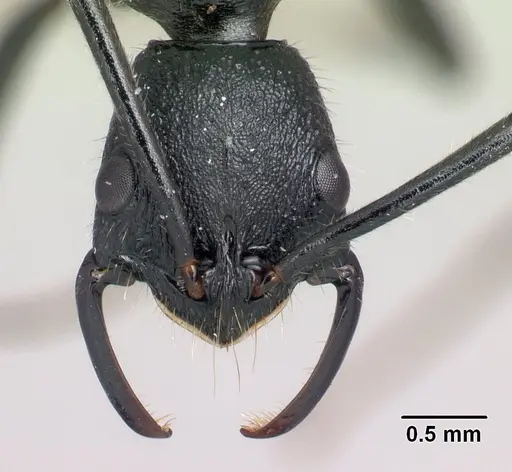
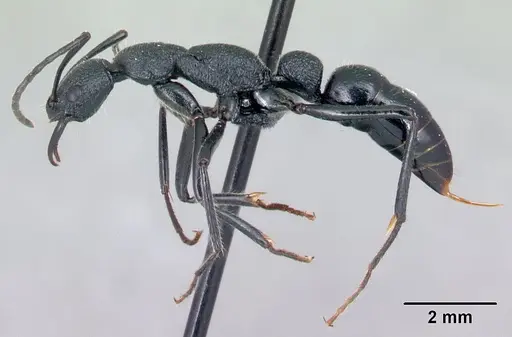
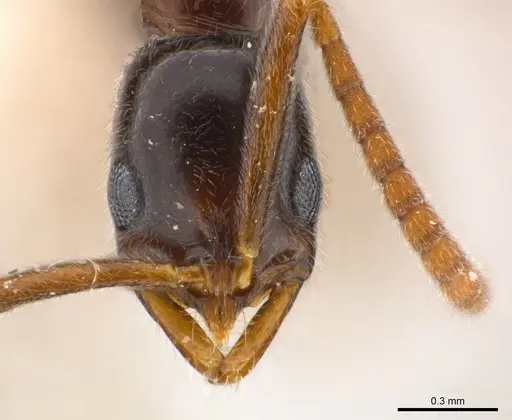
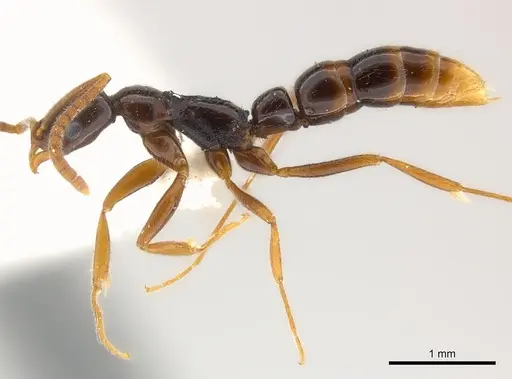
Leptogenys manja is a small, slender ponerine ant native to the lowland rainforests of eastern Madagascar. Workers measure 1.57-1.59mm in head width with an extremely long scape (antenna) that extends well beyond the back of the head, more than one-third of its length sticks out [1]. They have a distinctive black body with rusty-brown tips on their legs and the end of their abdomen [2]. The mandibles are long and slender, adapted for their predatory lifestyle. This species belongs to the imerinensis complex within the incisa species group, and is known only from two protected areas: Ambodiriana Reserve at 125m elevation and RS Manombo at 30m elevation .
These ants are active foragers in the leaf litter layer and on low vegetation, hunting small invertebrates in the humid rainforest environment. They represent a rarely kept species in captivity that offers antkeepers a chance to work with a genuine Malagasy endemic.
Quick Summary
- Difficulty: Medium
- Origin & Habitat: Eastern Madagascar lowland rainforests at 30-125m elevation, specifically Ambodiriana Reserve and RS Manombo . They forage through leaf litter and on lower vegetation in humid, shaded forest environments [3].
- Colony Type: Colony structure is unconfirmed. Based on typical Leptogenys patterns, likely single-queen colonies, though this has not been directly documented for this species.
- Size & Growth:
- Queen: Unknown, no queen measurements documented
- Worker: 1.57-1.59mm head width,3.32-3.47mm Weber's length [1]
- Colony: Unknown, no colony size data available
- Growth: Unknown, no development data for this species
- Development: Unknown, estimated 6-10 weeks based on typical Ponerine development at warm temperatures (No direct development studies exist for this species. Estimates based on related Leptogenys species patterns.)
- Antkeeping:
- Temperature: Keep around 24-28°C, mimicking warm lowland rainforest conditions. A gentle gradient allowing workers to self-regulate is ideal.
- Humidity: High humidity required, aim for 70-85%. Keep the nest substrate consistently moist but not waterlogged, as they naturally live in rainforest leaf litter.
- Diapause: Unlikely, being a tropical lowland species from Madagascar, they probably do not require a winter dormancy period. Maintain stable warm conditions year-round.
- Nesting: In captivity, they do well in setups that retain humidity well. Y-tong nests, plaster nests, or naturalistic setups with moist substrate work well. They prefer tight, humid chambers over dry, open spaces.
- Behavior: Leptogenys manja is a predatory ant that hunts small invertebrates in the leaf litter. Workers are active foragers that search for prey rather than tending aphids or scavenging. They are likely to have a functional stinger given their Ponerine classification, though the sting may be mild due to their small size. Escape prevention should be moderate, they are small but not among the tiniest ants. Expect active, searching behavior rather than passive colony defense.
- Common Issues: lack of documented care information means keepers must experiment with conditions, predatory diet requirements may be challenging, they likely need live small prey, high humidity needs can lead to mold problems if ventilation is poor, tropical species may not tolerate temperature drops below 20°C, wild-caught colonies may have parasites specific to their native habitat
Natural History and Distribution
Leptogenys manja is endemic to eastern Madagascar, known only from two lowland rainforest locations: Ambodiriana Reserve at 125 meters elevation and RS Manombo at just 30 meters elevation . This restricted distribution makes it a genuinely rare species in the antkeeping hobby. The species was formally described in 2014 by Rakotonirina and Fisher, relatively recently in scientific terms .
In its natural habitat, workers forage through the leaf litter layer and on low vegetation, hunting small invertebrates. The long scapes (antennae) may aid in detecting prey or navigating through the complex rainforest floor environment. The morphological differences observed between populations from the two localities suggest some geographic isolation between these sites, but both are lowland rainforest habitats with high humidity.
Identification and Appearance
This is a distinctive ant within the Malagasy Leptogenys fauna. Workers have a head width of 1.57-1.59mm and a Weber's length (a standard ant measurement from head to abdomen tip) of 3.32-3.47mm [1]. The most striking feature is the extremely long antennal scape, the scape index (SI) is 136-140,meaning the scape is longer than the head width and more than one-third extends beyond the posterior margin of the head .
The body is black with ferruginous-brown (rusty reddish-brown) tips on the appendages and the tip of the gaster (abdomen) [2]. The mandibles are long, slender, and smooth with only faint striation. The clypeus (the plate above the mandibles) has distinctive peg-like setae projecting forward. The mesosoma (the middle body section) shows three visible segments in dorsal view, and the propodeum (the rear of the mesosoma) is slightly convex and rounds gradually into the declivitous surface .
Housing and Nest Setup
For captive care, provide a humid environment that mimics their lowland rainforest leaf litter habitat. Y-tong (acrylic) nests or plaster nests work well because they hold humidity better than wooden or stone nests. The chambers should be appropriately sized for their small worker size, tight enough that they feel secure but with enough space for a growing colony.
Because they forage in leaf litter, a naturalistic setup with a moist soil/litter layer in the outworld can encourage natural foraging behavior. Keep the nest substrate consistently moist but not waterlogged, standing water can drown colonies. Good ventilation is essential to prevent mold while maintaining humidity. A water test tube connected to the nest helps maintain moisture levels.
Given their small size (around 3.5mm total length), ensure that any connections between nest and outworld have no gaps that allow escape. However, they are not among the smallest ants, so standard ant-keeping barriers like fluon on test tube rims are usually adequate.
Feeding and Diet
As a Ponerine ant, Leptogenys manja is predatory and hunts small invertebrates. In captivity, offer small live prey such as fruit flies, pinhead crickets, small mealworms, or other appropriately-sized arthropods. The long, slender mandibles suggest they are adapted for grasping small, soft-bodied prey in the leaf litter.
Based on typical Leptogenys behavior, they likely accept protein sources readily. Sugar water or honey may be offered occasionally, but predatory ants often show less interest in sugar than omnivorous species. Feed them small prey items 2-3 times per week, adjusting based on colony size and consumption rate. Remove uneaten prey after 24-48 hours to prevent mold.
Since this species has not been kept in captivity frequently, be prepared to experiment with prey types to see what they accept best. Start with the smallest available live prey and work up in size as the colony grows.
Temperature and Humidity
Being a lowland rainforest species from tropical Madagascar, Leptogenys manja requires warm and humid conditions. Maintain temperatures in the range of 24-28°C. A slight gradient allowing workers to move between warmer and cooler areas is ideal, place a heating cable on one side of the nest set to around 26-28°C, with the other side at room temperature (around 22-24°C).
Humidity should be high, aim for 70-85% relative humidity in the nest area. The substrate should feel consistently moist to the touch. Mist the outworld occasionally, but focus on maintaining moisture in the nest itself through a water tube or damp substrate. Avoid both drying out (which can kill brood) and excessive wetness that promotes mold.
Being a tropical species, they likely do not require any diapause or winter cooling period. Maintain stable warm conditions year-round. Do not expose them to temperatures below 20°C for extended periods.
Colony Development and Growth
Specific colony development data for Leptogenys manja does not exist in the scientific literature. Based on typical Ponerine ant development patterns, expect the first workers (nanitics) to emerge approximately 6-10 weeks after the queen lays eggs, assuming optimal temperature around 26°C.
Colony growth is likely moderate, Ponerine colonies typically grow more slowly than many Myrmicinae species. The queen lays relatively few eggs at a time, and each larva requires significant protein input. Do not expect rapid colony expansion. A well-established colony might eventually reach several hundred workers, though exact maximum size is unknown for this species.
Be patient with founding colonies, the first few months are critical. The queen needs a quiet, dark location with stable humidity. Disturbances during founding can cause queen abandonment or egg-eating.
Frequently Asked Questions
How long does it take for Leptogenys manja to produce first workers?
The exact timeline is unknown for this species. Based on typical Ponerine development, expect 6-10 weeks from egg to first worker at optimal temperatures (around 26°C). This is slower than many common ant species.
What do Leptogenys manja ants eat?
They are predatory ants that hunt small invertebrates. In captivity, offer small live prey such as fruit flies, pinhead crickets, small mealworms, or other tiny arthropods. They may accept some sugar sources, but protein-rich prey should be their primary food.
What temperature do Leptogenys manja ants need?
Keep them warm at 24-28°C. Being a lowland rainforest species from Madagascar, they need tropical conditions year-round. A slight temperature gradient allowing self-regulation is ideal.
Do Leptogenys manja ants need hibernation?
No, they do not require hibernation. As a tropical lowland species, they need stable warm conditions throughout the year. Do not expose them to cold temperatures or simulate winter conditions.
How big do Leptogenys manja colonies get?
The maximum colony size is unknown for this species. Based on related Leptogenys species, colonies likely reach several hundred workers over time. Growth is typically moderate rather than rapid.
Can I keep multiple Leptogenys manja queens together?
This has not been documented for this species. Based on typical Leptogenys behavior, single-queen colonies are most likely. Combining unrelated queens is not recommended without specific evidence they can coexist.
Is Leptogenys manja a good beginner ant?
No, this species is not ideal for beginners. There is limited captive care information available, they require specific warm and humid conditions, and they need a predatory diet. They are better suited for antkeepers with some experience.
What humidity level do Leptogenys manja ants need?
High humidity is essential, aim for 70-85%. Keep the nest substrate consistently moist but not waterlogged. Their natural rainforest habitat is very humid, and drying out can be fatal.
When will Leptogenys manja alates (reproductives) appear?
Nuptial flight timing is unknown for this species. Being a recently described species (2014), there is no published data on when sexuals (alates) are produced or when mating flights occur.
What type of nest is best for Leptogenys manja?
Humidity-retaining nests work best. Y-tong (acrylic) nests or plaster nests are ideal choices. They should have appropriately-sized chambers for their small worker size and maintain moisture well.
Where is Leptogenys manja found in the wild?
This species is endemic to eastern Madagascar, known only from two lowland rainforest sites: Ambodiriana Reserve at 125m elevation and RS Manombo at 30m elevation. It is a rare endemic species.

This caresheet is licensed under CC BY-SA 4.0 .
CASENT0068233
View on AntWeb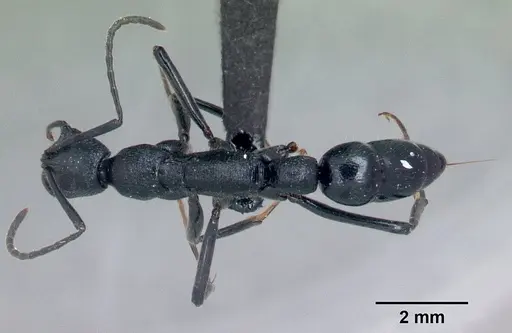
CASENT0217005
View on AntWeb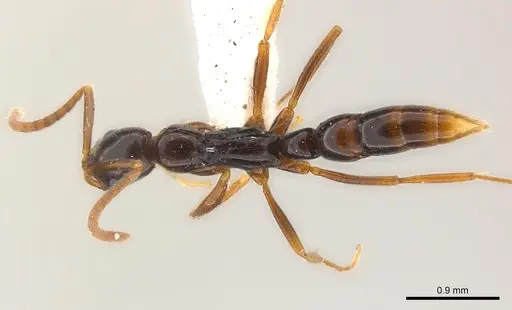
Literature
Loading...Loading products...