

Leptogenys mangabe
- Scientific Name
- Leptogenys mangabe
- Tribe
- Ponerini
- Subfamily
- Ponerinae
- Author
- Rakotonirina & Fisher, 2014
- Distribution
- Found in 1 countries
Leptogenys mangabe Overview
Leptogenys mangabe is an ant species of the genus Leptogenys. It is primarily documented in 1 countries , including Madagascar. Detailed taxonomic data and occurrence records can be further explored via authoritative databases such as AntWeb or the Global Biodiversity Information Facility (GBIF).
Leptogenys mangabe
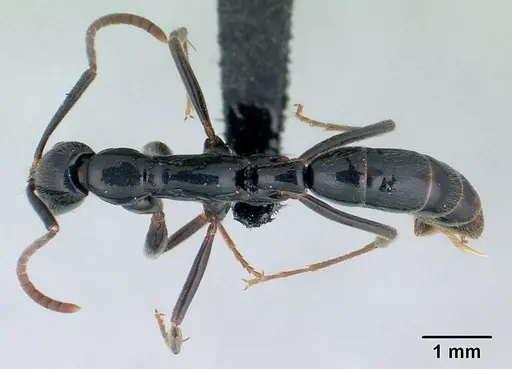
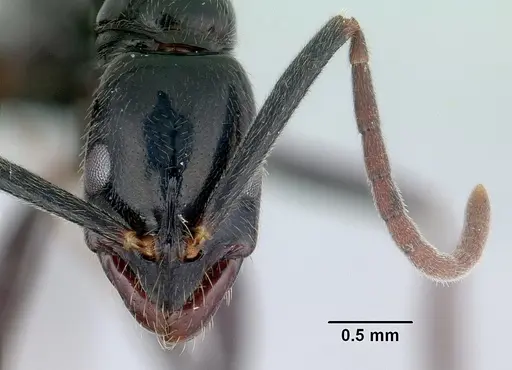
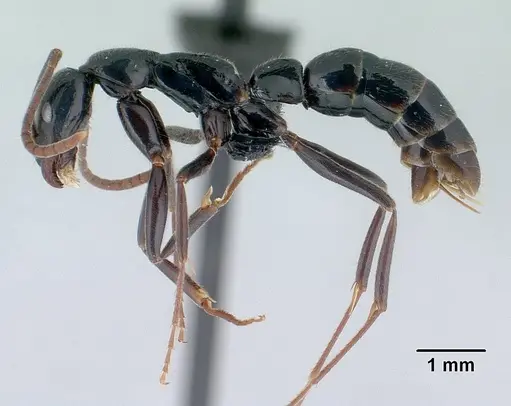
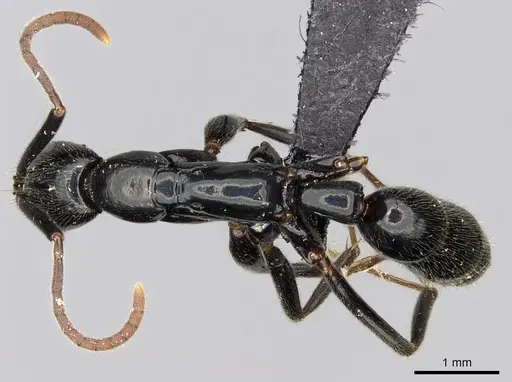
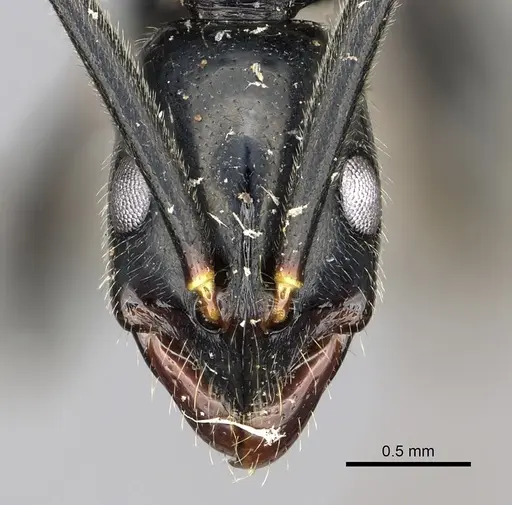
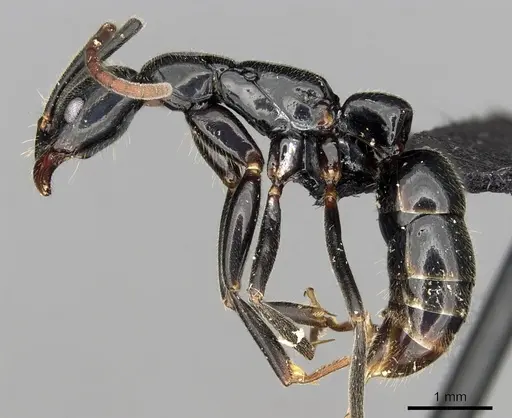
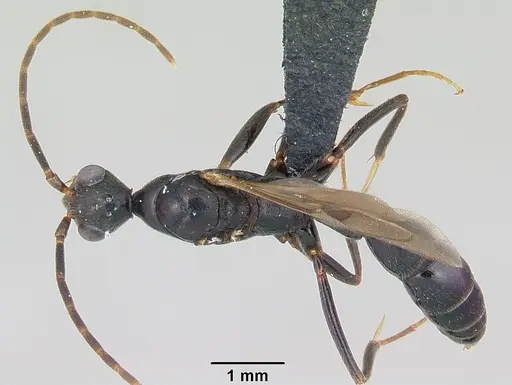
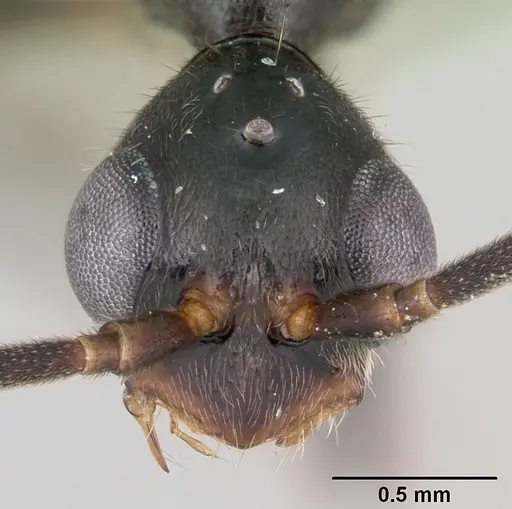
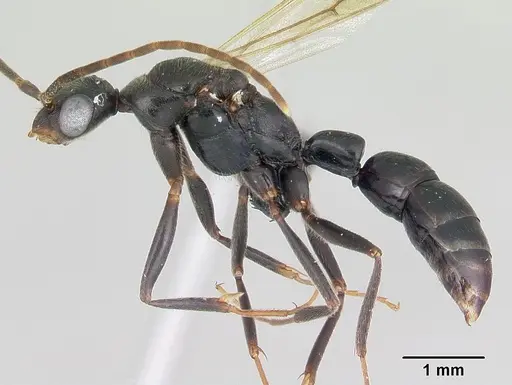
Leptogenys mangabe is a small predatory ant endemic to Madagascar, first described in 2014. Workers measure 1.07-1.17mm in head width and have a distinctive appearance with a black body showing bluish reflections, dark brown appendages with lighter tips, and notably long antennae that extend well past the back of the head [1]. This species belongs to the attenuata group and is found across Madagascar's varied forest habitats, from northeastern lowland rainforests to southwestern dry transitional forests [1]. Unlike many ants that forage in leaf litter, L. mangabe workers hunt on the ground surface, and colonies nest in rotting logs [1]. The genus Leptogenys contains predatory ants that hunt using their mandibles, making them fascinating but specialized pets.
Quick Summary
- Difficulty: Medium
- Origin & Habitat: Madagascar, found in lowland rainforests (Ambanitaza, northeast), montane rainforests (RS Ambohijanahary, mid-west), and dry transitional forests (PN Zombitse, southwest) [1]
- Colony Type: Colony structure is unconfirmed, Leptogenys species are typically monogyne (single queen) but this has not been documented for L. mangabe specifically
- Size & Growth:
- Queen: Undocumented, Leptogenys queens are typically similar in size to workers or slightly larger
- Worker: 1.07-1.17mm head width [1]
- Colony: Unknown, likely moderate sized colonies based on typical genus patterns
- Growth: Moderate, inferred from typical Ponerine development
- Development: 6-10 weeks, estimated based on related Ponerine ants at tropical temperatures (Development time is unconfirmed for this specific species)
- Antkeeping:
- Temperature: Keep at 24-28°C, they come from tropical Madagascar forests and need warmth
- Humidity: High humidity (70-85%), their natural habitats are rainforests. Keep the nest substrate consistently moist but not waterlogged
- Diapause: No, being a tropical species from Madagascar, they do not require hibernation
- Nesting: Rotten logs in nature, in captivity, they do well in naturalistic setups with damp soil/plaster or Y-tong nests with moisture chambers. They prefer dark, humid nesting areas
- Behavior: Leptogenys mangabe is a predatory ant that forages on the ground surface. Workers hunt individually using their mandibles to capture small prey. They are not aggressive toward humans but will defend their nest. Escape prevention is important, while not tiny, they are small enough to slip through small gaps. They are primarily nocturnal or crepuscular foragers. This species is not well-studied in captivity, so observe colony behavior to adjust care.
- Common Issues: high humidity needs can lead to mold if ventilation is poor, balance is critical, predatory diet means they need constant access to live prey, failure to feed enough protein causes colony decline, small size makes escape likely without proper barriers, wild-caught colonies may have parasites that kill them in captivity, slow founding phase, new keepers may lose patience and disturb the queen
Housing and Nest Setup
Leptogenys mangabe naturally nests in rotting logs in forest habitats, so a naturalistic setup works well. Use a mix of soil and organic material as substrate, keeping it consistently damp. A Y-tong (acrylic) nest with a water chamber also works if you maintain high humidity in the outworld. These ants prefer dark, humid nesting areas and will often nest deeper in the setup away from light. Provide a water tube for drinking and mist the outworld regularly to maintain humidity. Because they are small, ensure all connections and gaps are sealed with cotton or fine mesh to prevent escapes. [1]
Feeding and Diet
As a Ponerine ant, L. mangabe is predatory and needs a protein-rich diet. Feed small live prey such as fruit flies, pinhead crickets, small mealworms, and other tiny insects. They typically hunt on the ground surface in the wild, so place prey in the outworld where they can easily find it. Offer prey 2-3 times per week, adjusting based on colony size. Remove uneaten prey after 24 hours to prevent mold. Sugar water or honey can be offered occasionally, but protein is the primary food source. A well-fed colony will have workers with plump abdomens. [1]
Temperature and Humidity
Being from tropical Madagascar, these ants need warmth and humidity. Keep the nest area at 24-28°C. A heating cable on one side of the nest creates a temperature gradient so ants can self-regulate. Place the heating on top of the nest, not underneath, to avoid drying out the substrate. Humidity should be high (70-85%), the substrate should feel damp but not have standing water. Mist the outworld regularly and consider a water tube as a humidity source. Good ventilation is important to prevent mold, but avoid excessive airflow that dries the nest. [1]
Behavior and Colony Dynamics
Leptogenys mangabe workers forage individually on the ground surface rather than in leaf litter. They use their mandibles to capture prey, typical of Ponerine ants. Colonies are likely smaller than many common pet ants, with perhaps a few hundred workers at maturity. Workers are not particularly aggressive and rarely sting, making them safe to handle. However, they will defend their nest if threatened. The colony will establish a main nesting chamber in the darkest, most humid part of the setup. Observe activity patterns, they may be more active during evening hours given their tropical forest origin. [1]
Colony Founding
The founding behavior of Leptogenys mangabe has not been directly documented. Based on typical Leptogenys patterns, the queen likely seals herself in a chamber (claustral founding) and survives on stored fat reserves until her first workers emerge. The founding phase can take several months, so patience is essential. Do not disturb a founding queen, stress can cause her to abandon or eat her brood. Once workers emerge (nanitics, which are smaller than mature workers), the colony will begin foraging for prey to feed the developing larvae.
Growth and Development
The exact development timeline from egg to worker is unconfirmed for this species. Based on related Ponerine ants in tropical conditions, expect 6-10 weeks at optimal temperature (around 26°C). The first workers (nanitics) will be smaller than normal workers and the colony grows gradually. Growth rate is moderate, not as fast as some tropical ants but faster than temperate species. Feed the colony regularly during the growth phase as larvae require protein to develop. A healthy colony will show increasing worker numbers over months.
Frequently Asked Questions
How long does it take for Leptogenys mangabe to produce first workers?
The exact timeline is unconfirmed, but based on related Ponerine ants, expect 6-10 weeks from egg to first worker at tropical temperatures (around 26°C). The founding queen will stay sealed in her chamber until workers emerge.
What do Leptogenys mangabe ants eat?
They are predatory ants that need live protein. Feed small prey like fruit flies, pinhead crickets, small mealworms, and other tiny insects. Remove uneaten prey after 24 hours. They may occasionally accept sugar water but protein is essential.
Can I keep Leptogenys mangabe in a test tube?
Test tubes can work for founding colonies if you maintain high humidity, but a naturalistic or Y-tong setup is better for long-term housing. These ants need damp conditions and dark nesting areas, which are easier to provide in a formicarium.
What temperature do Leptogenys mangabe need?
Keep them at 24-28°C. They come from tropical Madagascar forests and need warmth. A heating cable on one side of the nest creates a gradient. Avoid temperatures below 22°C or above 30°C.
Do Leptogenys mangabe need hibernation?
No, being a tropical species from Madagascar, they do not require hibernation. Keep them warm year-round at 24-28°C.
How big do Leptogenys mangabe colonies get?
Colony size is not documented, but based on typical Leptogenys patterns, expect a few hundred workers at maturity. They are not among the largest ant species.
Are Leptogenys mangabe good for beginners?
This species is rated as Medium difficulty. They require specific humidity and temperature conditions plus a predatory diet. If you have experience with other Ponerine ants, they can be rewarding. Beginners may struggle with their humidity and feeding requirements.
Where is Leptogenys mangabe found in the wild?
They are endemic to Madagascar, found in three distinct forest types: lowland rainforests in the northeast (Ambanitaza), montane rainforests in the mid-west (RS Ambohijanahary), and dry transitional forests in the southwest (PN Zombitse).
Why are my Leptogenys mangabe dying?
Common causes include: low humidity (they need 70-85%), insufficient protein (they need regular live prey), temperature too cold or too hot, mold from poor ventilation, or stress to the queen during founding. Check each parameter and adjust accordingly.
References

This caresheet is licensed under CC BY-SA 4.0 .
Literature
Loading...Loading products...