

Leptogenys malama
- Scientific Name
- Leptogenys malama
- Tribe
- Ponerini
- Subfamily
- Ponerinae
- Author
- Rakotonirina & Fisher, 2014
- Distribution
- Found in 1 countries
Leptogenys malama Overview
Leptogenys malama is an ant species of the genus Leptogenys. It is primarily documented in 1 countries , including Madagascar. Detailed taxonomic data and occurrence records can be further explored via authoritative databases such as AntWeb or the Global Biodiversity Information Facility (GBIF).
Leptogenys malama
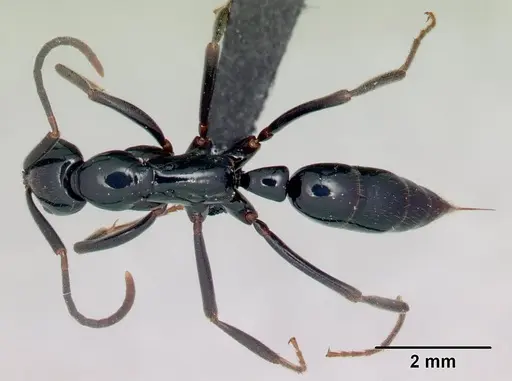
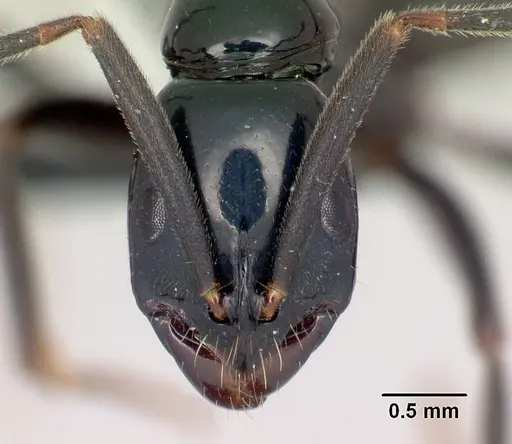
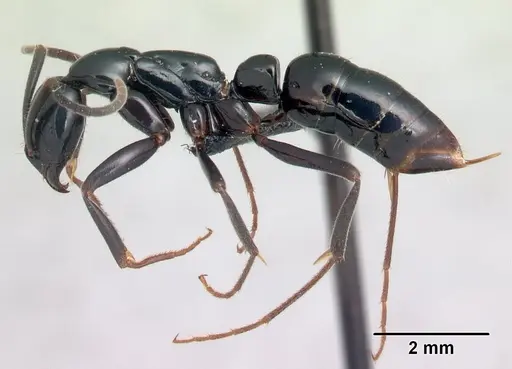
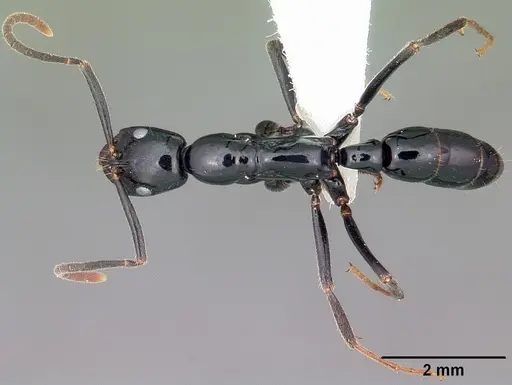
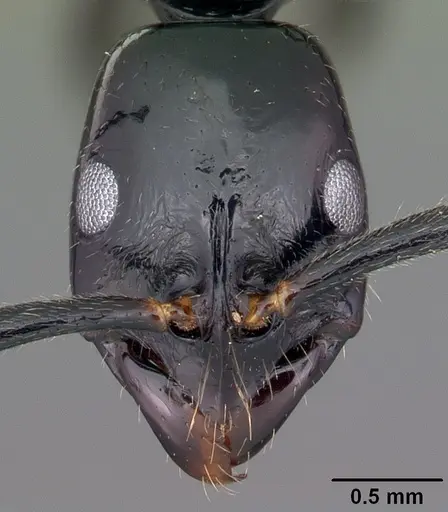
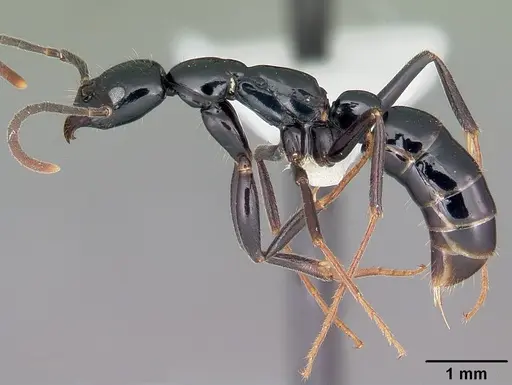
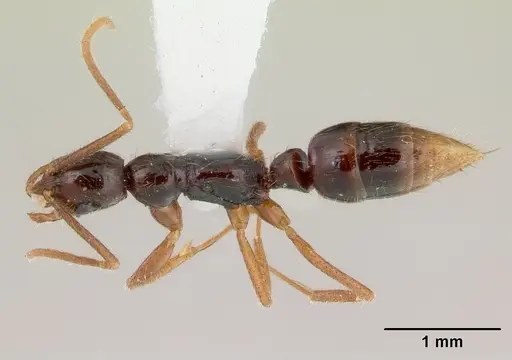
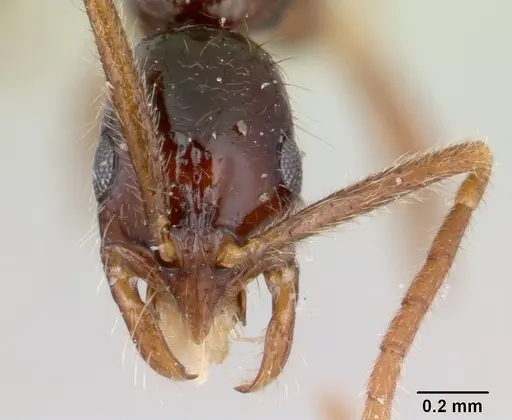
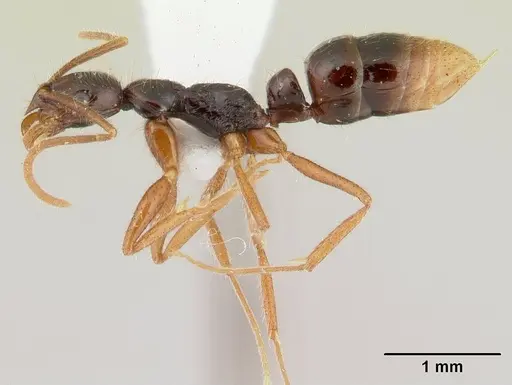
Leptogenys malama is a small predatory ant native to the humid forests of eastern Madagascar. Workers measure just 1.08-1.41mm in head width, making them one of the smaller Ponerine ants you'll encounter [1]. Their body is black to dark brown with noticeably lighter tarsi and the tip of their abdomen, giving them a subtle two-toned appearance. The species belongs to the attenuata group and shows three distinct physical forms (morphotypes) across its range, varying in subtle sculpturing and body proportions [1].
These ants are ground-dwelling predators that forage primarily on the forest floor and in leaf litter, though they occasionally explore low vegetation. Nests are consistently found in rotting logs or soil, reflecting their preference for damp, dark microhabitats [1][2]. This combination of small size, predatory lifestyle, and specific humidity requirements makes them a moderately challenging species to keep.
Quick Summary
- Difficulty: Medium
- Origin & Habitat: Eastern Madagascar, humid forests between 225m and 1080m elevation [1]. Found in protected areas including RNI Betampona, PN Marojejy, PN Mantadia, and PN Masoala [3].
- Colony Type: Colony structure is unconfirmed. Based on typical Leptogenys patterns, likely single-queen (monogyne) colonies. No data on ergatoid replacement reproductives for this species.
- Size & Growth:
- Queen: Undocumented, estimated 6-8mm based on genus patterns for Leptogenys species of this worker size
- Worker: 1.08-1.41mm head width (HW) [1]
- Colony: Undocumented, likely under 500 workers based on typical Leptogenys colony sizes and small worker size
- Growth: Moderate, inferred from typical Ponerine development patterns
- Development: Estimated 6-10 weeks based on related Ponerine species at optimal temperature (Direct development data unavailable, estimates based on genus-level patterns for Leptogenys. Ponerines typically develop slower than many Myrmicines.)
- Antkeeping:
- Temperature: Keep around 22-26°C. This matches their native humid forest habitat in eastern Madagascar where temperatures are warm but not extreme. A gentle gradient allows workers to self-regulate.
- Humidity: High humidity is essential, these ants come from humid forest floors. Keep nest substrate consistently moist but not waterlogged. Provide a water tube and ensure the nest area maintains damp conditions.
- Diapause: Unknown for this species. Madagascar has mild seasons, so a winter slowdown may be appropriate but not mandatory. Consider reducing temperature slightly (by 3-5°C) for 2-3 months during winter months.
- Nesting: Provide a nest in damp substrate, rotting wood sections, soil-filled setups, or plaster nests work well. They naturally nest in rotten logs or soil, so mimic these conditions. Tight-fitting lids are important as they can squeeze through small gaps despite their moderate size.
- Behavior: These ants are active ground foragers, hunting small invertebrates on the forest floor. They are predatory and likely use chemical trails to recruit nestmates to prey items. Workers are moderately aggressive when defending the nest but not particularly defensive under normal conditions. Escape risk is moderate, while not tiny, they can fit through standard gaps if not sealed properly. They are primarily nocturnal or crepuscular foragers in their natural habitat.
- Common Issues: high humidity must be maintained or colonies will fail, they desiccate easily, predatory diet means they need constant protein, sugar alone will not sustain them, slow growth compared to many common ants can frustrate beginners, wild-caught colonies may have parasites that are difficult to treat in captivity, small colony sizes mean losses have bigger impact, start with established colonies if possible
Housing and Nest Setup
Leptogenys malama requires a humid, naturalistic setup that mimics their forest floor habitat. The best options include rotting wood sections (like the cork bark or wood pieces sold for ant keeping), soil-filled test tube setups, or plaster nests with water reservoirs. The key requirement is consistently damp substrate, these ants naturally nest in rotting wood and soil in humid forests, so dryness is their enemy [1].
For the outworld, provide a shallow foraging area with a water tube. Since they are terrestrial foragers, they don't need vertical space but do need easy access to the nest. Use a tight-fitting lid, while not tiny, they can squeeze through small gaps. A layer of moist substrate in the foraging area helps maintain humidity during feeding times. Avoid dry, desert-style setups entirely.
Feeding and Diet
As a Ponerine ant, Leptogenys malama is predatory and needs a protein-rich diet to survive and raise brood. Feed small live prey such as fruit flies, pinhead crickets, small mealworms, and most importantly, springtails, these tiny arthropods are ideal for their small size and match their natural prey on the forest floor [1].
They will likely accept protein jelly or crushed insects if live prey isn't available, but live prey is best for long-term colony health. Sugar sources may be accepted occasionally but should not be the primary food, these are primarily predatory ants, not sugar-seekers. Feed every 2-3 days, adjusting based on colony size and consumption. Remove uneaten prey after 24 hours to prevent mold.
Temperature and Humidity
Maintain temperatures between 22-26°C, which matches the warm but not extreme conditions of Madagascar's humid forests. A slight temperature gradient is beneficial, place the heating element on one side of the nest so workers can move between warmer and cooler areas. Avoid temperatures above 30°C or below 18°C for extended periods.
Humidity is critical, aim for 70-85% relative humidity in the nest area. The substrate should feel consistently damp to the touch. Check water tubes frequently and refill before they empty. In dry environments, you may need to mist the enclosure occasionally or use a moist substrate barrier. This species will not tolerate dry conditions and colonies can collapse quickly if humidity drops. [1][2]
Colony Development and Growth
Leptogenys malama colonies grow moderately slowly compared to many common ant species. The first workers (nanitics) may take 6-10 weeks to develop from egg, depending on temperature, though exact development time has not been documented for this species [1]. Expect the colony to remain small, likely under a few hundred workers at maturity based on typical Leptogenys colony sizes.
The colony will likely remain modest in size but with dedicated workers that actively hunt. Unlike many ants that switch to sugar-based diets, this species remains primarily predatory throughout their lifecycle. Brood development may slow significantly or stop during cooler periods, which is normal for a species from a region with mild seasonal variation.
Frequently Asked Questions
How long does it take for Leptogenys malama to produce first workers?
Expected timeline is 6-10 weeks from egg to first worker at optimal temperature (22-26°C). This is an estimate based on related Ponerine species, as specific development data for L. malama is not available.
Can I keep Leptogenys malama in a test tube setup?
Yes, a test tube setup can work if kept consistently moist. However, these ants naturally nest in rotting wood or soil, so a more naturalistic setup with damp substrate may be better for long-term success. If using test tubes, ensure the cotton is kept damp and the water chamber doesn't flood.
What do Leptogenys malama ants eat?
They are predatory ants that need live protein. Feed small live prey like springtails, fruit flies, pinhead crickets, and small mealworms. Springtails are ideal due to their small size. They may accept protein jelly or crushed insects but live prey is best for colony health.
How big do Leptogenys malama colonies get?
Colony size is not well documented, but based on typical Leptogenys patterns and their small worker size, colonies likely reach a few hundred workers at maximum. They are not large colony formers.
Do Leptogenys malama need hibernation?
Hibernation requirements are unconfirmed. Madagascar has mild seasons, so a true hibernation may not be necessary. However, reducing temperature by 3-5°C during winter months (2-3 months) may be beneficial. Monitor colony activity, if they remain active, skip the cooldown.
Are Leptogenys malama good for beginners?
This species is rated as medium difficulty. Their high humidity requirements and predatory diet make them more challenging than common sugar-feeding ants. They are better suited for keepers with some ant-keeping experience who can maintain consistent humidity levels.
Why are my Leptogenys malama dying?
The most common causes are low humidity (they desiccate easily), lack of protein food, and parasites from wild-caught colonies. Ensure the nest is consistently damp, provide live prey regularly, and consider starting with established colonies rather than wild-caught queens if possible.
References

This caresheet is licensed under CC BY-SA 4.0 .
Literature
Loading...Loading products...