

Leptogenys longiceps
- Scientific Name
- Leptogenys longiceps
- Tribe
- Ponerini
- Subfamily
- Ponerinae
- Author
- Santschi, 1914
- Distribution
- Found in 2 countries
Leptogenys longiceps Overview
Leptogenys longiceps is an ant species of the genus Leptogenys. It is primarily documented in 2 countries , including Ghana, Nigeria. Detailed taxonomic data and occurrence records can be further explored via authoritative databases such as AntWeb or the Global Biodiversity Information Facility (GBIF).
Leptogenys longiceps
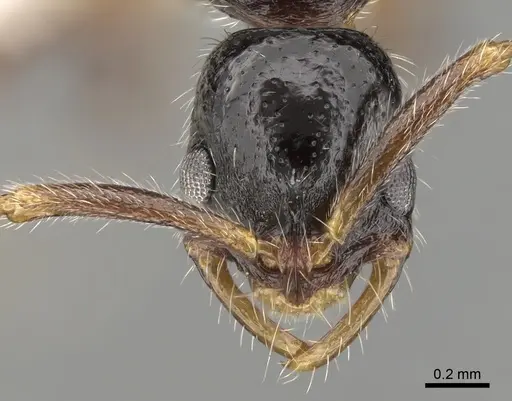
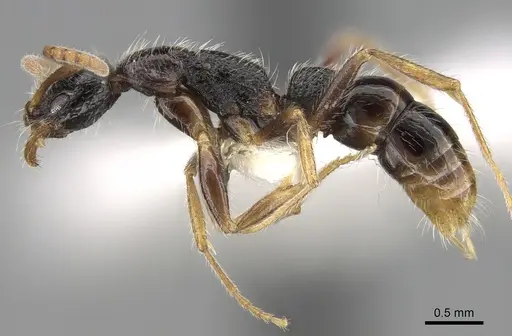
Leptogenys longiceps is a predatory ant species from the Ponerinae subfamily, native to West Africa including Ghana, Nigeria, and Senegal [1]. Workers are slender ants with distinctive elongated heads, as suggested by the species name 'longiceps' meaning long-headed. The genus Leptogenys is known for their active hunting behavior, these are aggressive predators that chase down prey rather than relying on sugar sources. As a Ponerine ant, they possess a functional sting which they use to subdue prey. This species represents a less commonly kept genus in the antkeeping hobby, offering an interesting alternative to more typical pet ants.
Quick Summary
- Difficulty: Medium
- Origin & Habitat: West Africa (Ghana, Nigeria, Senegal), found in tropical forest habitats [1]. The species was originally described from Senegal and has since been recorded across the West African region.
- Colony Type: Likely monogyne (single queen) based on typical genus patterns. Colony structure has not been directly documented for this specific species.
- Colony: Monogyne
- Founding: Semi-claustral
- Size & Growth:
- Queen: Estimated 10-14mm based on genus Leptogenys patterns, not directly measured for this species
- Worker: Estimated 5-8mm based on genus descriptions
- Colony: Estimated 100-500 workers based on typical Leptogenys colony sizes
- Growth: Moderate, Ponerines typically grow more slowly than myrmicines
- Development: Estimated 8-12 weeks based on related Ponerinae species at optimal temperature (Development time inferred from genus-level data, direct measurements not available for this species)
- Antkeeping:
- Temperature: Keep at 24-28°C, these are tropical ants requiring warm conditions. A heating cable on one side of the nest creates a temperature gradient.
- Humidity: Maintain moderate to high humidity (60-80%). Keep the nest substrate consistently moist but not waterlogged. Ponerines typically prefer damp conditions.
- Diapause: No, as a West African species, they do not require hibernation. Maintain warm conditions year-round.
- Nesting: In nature they likely nest in soil or rotting wood in forest floors. In captivity, a Y-tong (AAC) nest or naturalistic setup with moist substrate works well. Provide narrow chambers scaled to their medium size.
- Behavior: Active and aggressive predators. Workers hunt individually, using their speed and sting to capture prey. They are defensive of their nest and will readily sting if threatened. Escape prevention is important, they are medium-sized ants but active runners. They do not tend aphids or seek sugar, instead they are obligate predators. Workers are robust foragers and will chase down live prey across significant distances.
- Common Issues: Predatory nature means they require constant live prey, failure to provide adequate protein leads to colony decline, Tropical humidity requirements can lead to mold issues if ventilation is poor, Medium size and active behavior means escapes can occur without proper barriers, Slow colony growth compared to more common species may frustrate beginners, Sting capability means they should be handled with care, defensive toward disturbances
Housing and Nest Setup
Leptogenys longiceps does well in a Y-tong (AAC) nest or a naturalistic setup with moist substrate. These are medium-sized ants that need appropriately scaled chambers, not too tight, but not overly spacious either. Provide a water reservoir connected to the nest to maintain humidity without frequent misting. Because they require high humidity, choose a nest material that holds moisture well, like plaster or acrylic with water channels. The outworld should be escape-proof, these are active ants that will explore any gap. Use a test tube setup for the founding colony, then move to a proper nest once the colony reaches 20-30 workers.
Feeding and Diet
This is an obligate predator, they do not accept sugar water or honey as primary food sources. You must provide live prey regularly. Small crickets, fruit flies, mealworms, and other small insects are ideal. Feed prey roughly twice the size of the smallest workers. Since they are active hunters, release live prey into the outworld and watch them chase it down. The frequency depends on colony size: a founding queen needs occasional prey (once a week), while a mature colony may need daily feeding or multiple prey items every few days. Remove uneaten prey after 24 hours to prevent mold. Some keepers report that Ponerines like Leptogenys will accept dead prey if moved with forceps to simulate movement, but live prey is always preferred.
Temperature and Heating
As a West African species, Leptogenys longiceps requires warm conditions year-round. Keep the nest area at 24-28°C. Room temperature may be sufficient if your home stays in this range, but many keepers use a heating cable or heating mat placed on one side of the nest to create a gentle temperature gradient. Place heating under or to the side of the nest, never directly on top where it can dry out the substrate too quickly. A gradient allows the ants to self-regulate by moving between warmer and cooler areas. Do not let temperatures drop below 22°C for extended periods, this can weaken the colony and slow brood development.
Humidity and Moisture
Ponerine ants like Leptogenys generally require higher humidity than typical desert-dwelling species. Aim for 60-80% humidity in the nest area. The substrate should feel consistently moist but never waterlogged, if you see standing water or the substrate looks soggy, it's too wet. A water reservoir connected to the nest setup helps maintain stable humidity through evaporation. Monitor condensation on the nest walls, some condensation is normal and good, but excessive dripping indicates too much moisture. Reduce watering frequency if mold appears, and improve ventilation.
Behavior and Temperament
Leptogenys longiceps is an active, predatory ant with a strong hunting instinct. Workers forage individually rather than in groups, patrolling the outworld in search of prey. They are defensive of their nest and will launch coordinated attacks on any threat. Like all Ponerines, they possess a functional sting, while not dangerously potent, it can cause a sharp sensation. These ants are not suitable for observation-focused setups where you want to frequently disturb the colony. They are fascinating to watch during hunts but should be given space and minimal interference. They do not produce swarm raids or massive foraging columns, instead, expect patient, persistent individual hunting.
Colony Development
Colony growth in Leptogenys tends to be slower than in more common genera like Camponotus or Tetramorium. A newly mated queen will found her colony semi-claustrally, meaning she must leave the nest periodically to hunt for food to sustain herself and her brood. This founding period takes several months before the first workers (nanitics) emerge. Expect the first batch of workers to be smaller than mature workers. Once the colony reaches 20-30 workers, growth typically accelerates but remains moderate. Maximum colony size is estimated at 200-500 workers based on genus patterns. Patience is key with this species, rapid growth should not be expected.
Frequently Asked Questions
How long does it take for Leptogenys longiceps to produce first workers?
Expect first workers (nanitics) approximately 8-12 weeks after the queen lays eggs, assuming optimal temperature around 26°C. This is slower than many common ant species. The semi-claustral founding phase requires the queen to hunt, which takes time before workers emerge.
Can I keep Leptogenys longiceps in a test tube?
Yes, test tubes work well for founding colonies. Use a test tube setup with a water reservoir (cotton ball at one end) to maintain humidity. Keep the tube in a dark, quiet location. Once the colony reaches 20-30 workers, consider moving to a proper nest with more space.
What do Leptogenys longiceps eat?
They are obligate predators that require live prey. Feed small insects like fruit flies, pinhead crickets, small mealworms, or other appropriately sized invertebrates. They do not typically accept sugar water or honey. Some keepers report success with dead prey moved with forceps to simulate movement.
Are Leptogenys longiceps good for beginners?
This is a medium-difficulty species not typically recommended for complete beginners. Their predatory nature requires more effort (live prey sourcing) than typical ant species, and they have specific humidity and temperature needs. However, experienced antkeepers looking for something different will find them rewarding.
Do Leptogenys longiceps need hibernation?
No, as a West African tropical species they do not require hibernation. Keep them warm year-round at 24-28°C. Simulating seasonal temperature changes is not necessary and could potentially harm the colony.
How big do Leptogenys longiceps colonies get?
Based on typical genus patterns, colonies likely reach 200-500 workers at maturity. This is moderate compared to some species that can reach thousands. Growth is relatively slow compared to more common pet ant species.
When should I move Leptogenys longiceps to a formicarium?
Move from test tube to a proper nest once the colony reaches approximately 20-30 workers. At this point, the original test tube setup will become cramped. Choose a nest with appropriately sized chambers and good humidity retention.
Can I keep multiple Leptogenys longiceps queens together?
This has not been documented for this specific species. Based on typical genus patterns, they are likely monogyne (single queen). Combining unrelated queens is not recommended as it often leads to fighting. If you find a dealate queen, house her alone for founding.
Why are my Leptogenys longiceps dying?
Common causes include: inadequate prey (they need live protein), incorrect humidity (too dry causes desiccation, too wet causes mold), temperatures outside their 24-28°C range, or stress from excessive disturbance. Review each of these factors and adjust accordingly.
References

This caresheet is licensed under CC BY-SA 4.0 .
CASENT0281919
View on AntWeb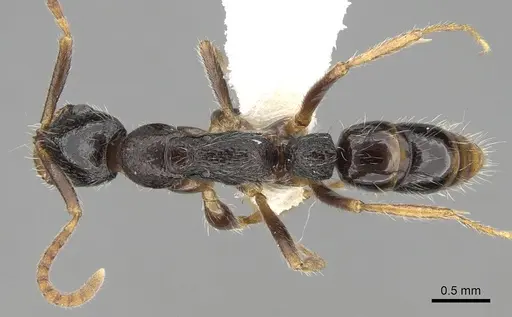
Literature
Loading...Loading products...