

Leptogenys letilae
- Scientific Name
- Leptogenys letilae
- Tribe
- Ponerini
- Subfamily
- Ponerinae
- Author
- Mann, 1921
- Distribution
- Found in 1 countries
Leptogenys letilae Overview
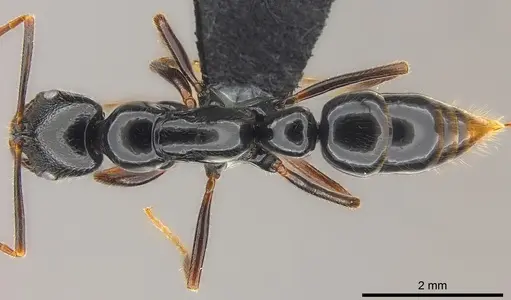
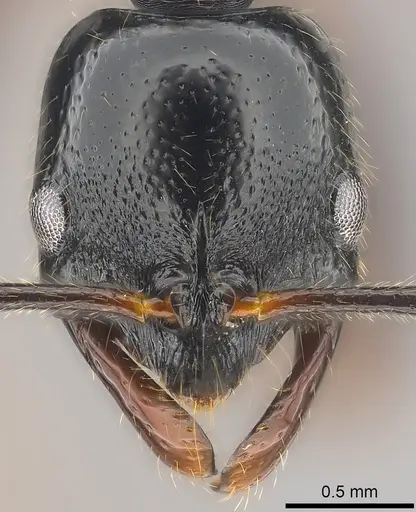
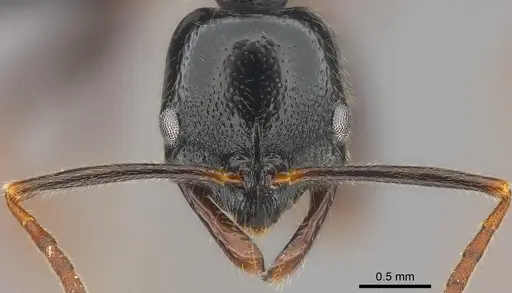
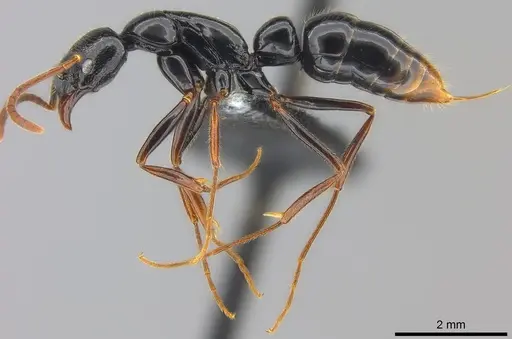
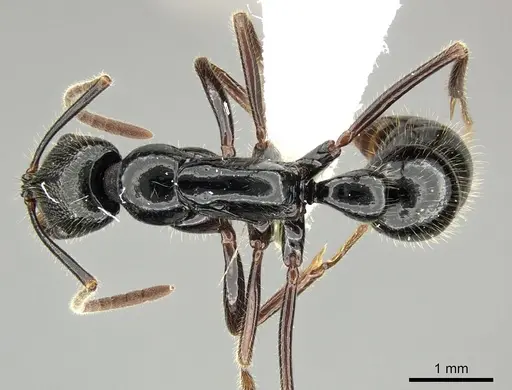
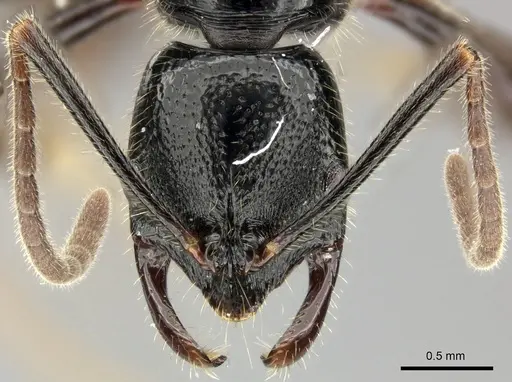
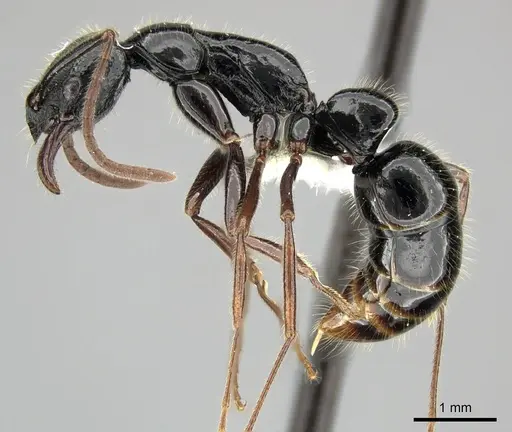
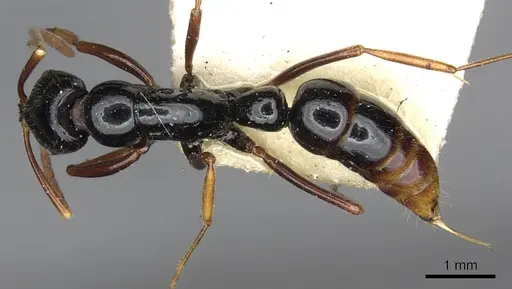
Leptogenys letilae is an ant species of the genus Leptogenys. It is primarily documented in 1 countries , including Fiji. Detailed taxonomic data and occurrence records can be further explored via authoritative databases such as AntWeb or the Global Biodiversity Information Facility (GBIF).
Leptogenys letilae
Leptogenys letilae is found only on Viti Levu, the largest island of Fiji [1][2]. This species is endemic to the island, meaning it lives nowhere else in the world [1]. First described by Mann in 1921,these ants remain almost completely unstudied in terms of their biology and behavior. Based on typical Leptogenys genus patterns, they likely hunt live prey and prefer warm, humid conditions, but specific details about their diet, nesting habits, and social structure remain unknown.
Quick Summary
- Difficulty: Expert
- Origin & Habitat: Endemic to Viti Levu, Fiji, recorded only from this single island [1][2][3].
- Colony Type: Unknown, colony structure has not been documented.
- Size & Growth:
- Queen: Unknown, not measured in available literature.
- Worker: Unknown, not measured in available literature.
- Colony: Unknown, no colony size estimates exist.
- Growth: Unknown, likely slow based on typical Leptogenys patterns.
- Development: Unknown, no development studies available. (Development time has never been studied for this species.)
- Antkeeping:
- Temperature: Likely 24-28°C based on tropical Fiji climate, but specific requirements are unconfirmed.
- Humidity: Likely moderate to high based on tropical forest habitat, but exact needs are unknown.
- Diapause: Likely not required, tropical species typically remain active year-round, but this is unconfirmed for L. letilae.
- Nesting: Unknown in the wild. Based on typical Leptogenys patterns, they likely nest in soil or leaf litter.
- Behavior: Likely predatory and nocturnal based on genus patterns, but specific behaviors are unstudied. They can sting as members of Ponerinae.
- Common Issues: endemic to a single island makes obtaining queens ethically problematic and potentially restricted by local laws., complete lack of captive care data means keeping them is experimental and high-risk., likely require live prey based on Leptogenys genus patterns, which complicates feeding., small geographic range means wild populations could be impacted by any collection.
Distribution and Rarity
Leptogenys letilae is one of Fiji's endemic ant species, recorded exclusively from Viti Levu [1][2]. This restricted range makes it vulnerable to habitat changes. The species was first described by Mann in 1921 based on specimens collected from the island [2][3]. No records exist from other islands or regions, confirming its status as a single-island endemic [1].
Because they occur nowhere else, any removal of queens or colonies from Viti Levu could impact wild populations. Keepers should consider this ethical dimension carefully. The lack of study also means we do not know their exact habitat preferences within the island, though they likely inhabit tropical forest areas.
Inferred Biology from Genus Patterns
While specific studies of L. letilae are absent, we can make educated guesses based on the Leptogenys genus. These ants are typically specialized predators that hunt live prey, often targeting specific food sources like isopods, termites, or other arthropods. They generally have small colony sizes, often fewer than 100 workers.
Founding behavior in Leptogenys is typically semi-claustral, meaning queens must leave the nest to forage during the founding stage rather than sealing themselves in. However, this has not been confirmed for L. letilae specifically. They likely prefer warm, stable temperatures and high humidity typical of tropical forest floors.
Captive Care Considerations
Keeping Leptogenys letilae is not recommended for any keeper due to the complete lack of specific care information and their restricted wild distribution. If one were to attempt keeping them, general tropical ant care would apply: maintain temperatures around 24-28°C, provide moderate to high humidity, and offer live prey such as fruit flies, springtails, or small crickets.
Nest options might include naturalistic setups with soil and leaf litter, or small plaster nests with humid chambers. However, without knowing their specific needs, any captive attempt carries high risk of colony failure. They would likely require excellent escape prevention typical of small ants.
Conservation and Ethics
As an endemic species with a range limited to one island, Leptogenys letilae represents a conservation concern. Collecting queens from Viti Levu for the pet trade could harm wild populations, especially since colony growth rates and reproductive success in captivity are unknown.
Keepers should prioritize species with established captive populations rather than rare endemics. If encountered in the wild on Viti Levu, observation and photography are preferable to collection. Never release captive ants into the wild, as this can introduce disease or genetic issues to wild populations. [1]
Frequently Asked Questions
Where does Leptogenys letilae come from?
They are found only on Viti Levu, the largest island of Fiji. They are endemic to this single island and have not been recorded anywhere else [1][2].
Can beginners keep Leptogenys letilae?
No. This species is suitable for expert keepers only, and even then, keeping them is ethically questionable due to their limited range and lack of captive care data. They are extremely rare in the hobby.
What do Leptogenys letilae eat?
Their specific diet is unknown. Based on typical Leptogenys patterns, they likely require live prey such as small insects, isopods, or termites. They may not accept dead insects or sugar water readily.
How big do Leptogenys letilae colonies get?
Colony size is unknown. Based on related Leptogenys species, they likely remain small, possibly under 100 workers, but this is speculation.
How long does Leptogenys letilae take to develop from egg to worker?
Development time is completely unknown. No studies have documented their brood development timeline.
Do Leptogenys letilae need hibernation?
Probably not. As a tropical species from Fiji, they likely remain active year-round. However, this has not been confirmed for this specific species.
What is the founding type of Leptogenys letilae?
Unconfirmed. Based on Ponerinae patterns, queens are likely semi-claustral (meaning they must forage during founding), but this behavior has never been documented for L. letilae.
References

This caresheet is licensed under CC BY-SA 4.0 .
Literature
Loading...Loading products...