

Leptogenys lavavava
- Scientific Name
- Leptogenys lavavava
- Tribe
- Ponerini
- Subfamily
- Ponerinae
- Author
- Rakotonirina & Fisher, 2014
- Distribution
- Found in 1 countries
Leptogenys lavavava Overview
Leptogenys lavavava is an ant species of the genus Leptogenys. It is primarily documented in 1 countries , including Madagascar. Detailed taxonomic data and occurrence records can be further explored via authoritative databases such as AntWeb or the Global Biodiversity Information Facility (GBIF).
Leptogenys lavavava
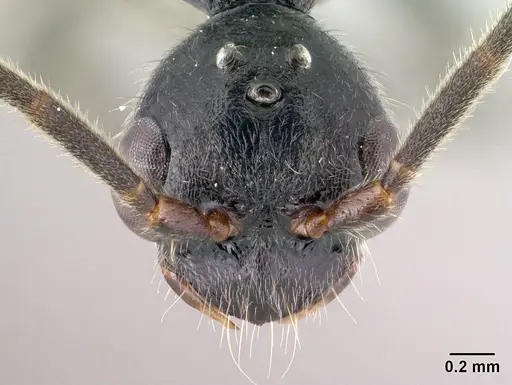
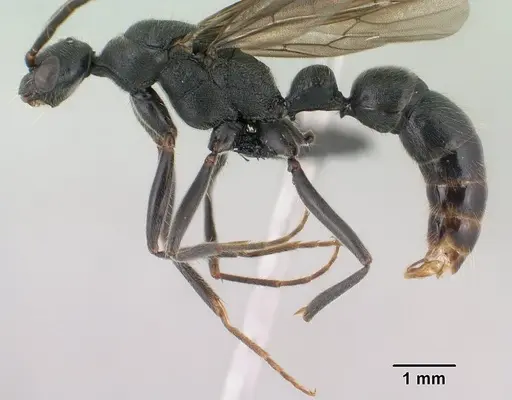
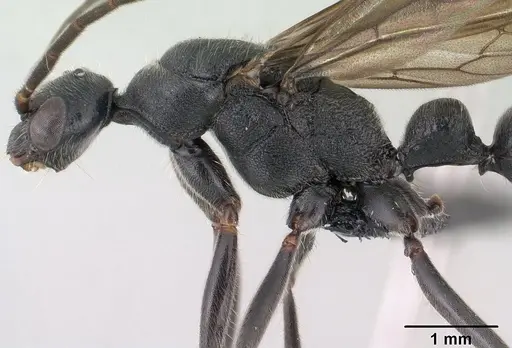
Leptogenys lavavava is a medium-sized predatory ant species native to the rainforests of central-east Madagascar. Workers measure 1.60-1.73mm in head width and 3.04-3.28mm in body length, making them moderately sized Ponerine ants [1]. They are easily recognized by their distinctive features: a sharp toothlike spine projecting from the clypeus (the face area between the mandibles), broadly curved mandibles that extend beyond the sides of the head, and relatively short antennal scapes [1]. The body is black with dark brown appendages that become lighter toward the tips, and the antennal segments transition from brown to yellow toward the apex [1]. This species belongs to the imerinensis species complex within the incisa species group and is known only from two protected areas in Madagascar: RNI Betampona and RS Ambatovaky, at elevations between 390-520 meters [1].
Quick Summary
- Difficulty: Medium
- Origin & Habitat: Central-east Madagascar, specifically RNI Betampona and RS Ambatovaky protected areas, at elevations of 390-520m in rainforest habitat [1]. They forages most frequently on the forest floor and rarely on lower vegetation, with colony nests found only in rotten logs [1].
- Colony Type: Colony structure is unconfirmed. Based on typical Leptogenys patterns, they likely form single-queen colonies, though this has not been directly documented for this species.
- Size & Growth:
- Queen: Unconfirmed, no queen measurements available for this species
- Worker: 1.60-1.73mm head width,3.04-3.28mm body length [1]
- Colony: Unknown, no colony size data available
- Growth: Moderate, inferred from typical Ponerine development patterns
- Development: Estimated 6-10 weeks based on typical Ponerine development at warm temperatures (Direct development data not available for this species, estimate based on related Leptogenys species)
- Antkeeping:
- Temperature: Keep at 22-26°C. As a rainforest species from Madagascar, they prefer warm, stable conditions. A heating cable on one side of the nest creates a suitable gradient.
- Humidity: High humidity required, aim for 70-80%. This rainforest species needs consistently moist substrate. Keep the nest substrate damp but not waterlogged, with some slightly drier areas available.
- Diapause: Unknown for this species. Most Malagasy ants experience reduced activity during the cooler dry season but may not require true hibernation. Monitor colony behavior and reduce temperatures slightly (by 3-5°C) during winter months if workers become less active.
- Nesting: Naturalistic setup works best. In the wild, colonies nest exclusively in rotten logs [1]. Use a naturalistic terrarium with damp soil/wood substrate, or a Y-tong/plaster nest with moisture-retaining material. Provide pieces of rotting wood or cork bark as nesting material.
- Behavior: Leptogenys lavavava is a predatory ant that forages primarily on the forest floor. They are active hunters and will pursue prey across the substrate. As Ponerine ants, they may have a functional stinger for subdueing prey, though the sting is likely too mild to affect humans significantly. Workers are moderately sized and can climb smooth surfaces, so escape prevention should be taken seriously. They are not known to be particularly aggressive toward keepers but will defend their colony if threatened. Activity level is moderate, they forage actively but not frantically.
- Common Issues: high humidity requirements can lead to mold problems if ventilation is inadequate, predatory diet means they require consistent live prey, failure to provide adequate protein can stunt colony growth, rotten log nesting preference means they need wood or wood-like material in the nest, standard test tubes may not be ideal, small colony sizes mean slow population growth, beginners may lose patience, wild-caught colonies may have parasites that are difficult to detect and treat
Housing and Nest Setup
Leptogenys lavavava requires a setup that mimics their natural habitat in rotten logs. A naturalistic terrarium works best, use a container filled with damp soil and pieces of rotting wood or cork bark that the ants can nest inside. The substrate should be kept consistently moist but never waterlogged. You can also use a Y-tong (acrylic) nest with a water reservoir or a plaster nest, but include wood or bark pieces for them to nest in. Because they forages on the forest floor, the outworld should have a horizontal orientation with plenty of floor space for hunting. Use a secure lid as workers can climb glass and smooth surfaces. [1]
Feeding and Diet
As a Ponerine ant, Leptogenys lavavava is a predator that hunts live prey. In the wild, they forage on the forest floor and likely capture small invertebrates. In captivity, offer small live insects such as fruit flies, pinhead crickets, small mealworms, and other appropriately-sized prey. Feed protein-rich foods 2-3 times per week, adjusting based on colony size and consumption. Remove uneaten prey after 24-48 hours to prevent mold. Sugar sources are not typically a primary food for predatory Ponerines, but you can occasionally offer a drop of honey or sugar water to see if they accept it, do not rely on sugar as a staple. [1]
Temperature and Humidity
This species comes from the rainforests of central-east Madagascar at moderate elevations (390-520m), so they prefer warm and humid conditions. Maintain temperatures between 22-26°C, with a slight gradient allowing workers to choose their preferred zone. A heating cable placed on one side of the nest can provide this gradient, place it on top of the nest to warm the area gently without drying it out too quickly. Humidity should be high, around 70-80%. Keep the substrate consistently moist by misting when needed and using a water reservoir in the nest setu. Good ventilation is important to prevent mold while maintaining humidity. [1]
Behavior and Colony Dynamics
Leptogenys lavavava workers are active foragers that hunt on the forest floor. They are not overly aggressive but will defend their nest if threatened. As with most Ponerine ants, they likely use their stinger to subdue prey, though the effect on humans is minimal. Colonies appear to be smaller in size based on the limited collection data, the type series only includes a few workers. This means colony growth will be slower than many common ant species. Workers likely live for several months, and the colony will grow gradually through sequential broods. Queens of this species have not been described in the scientific literature. [1]
Seasonal Care
In their native Madagascar habitat, this species experiences seasonal variation with a cooler, drier winter period. While true hibernation is not documented, you should reduce temperatures by 3-5°C during winter months (roughly June-August in the southern hemisphere) if you notice reduced worker activity. Reduce feeding frequency during this period as well. Monitor the colony, if workers remain active, maintain normal conditions. The key is to watch for natural behavioral changes rather than enforcing a strict schedule. This species is not cold-hardy and should be kept warm year-round. [1]
Frequently Asked Questions
How long does it take for Leptogenys lavavava to produce first workers?
Direct data is not available, but based on typical Ponerine development, expect 6-10 weeks from egg to first worker at optimal temperatures (22-26°C). Growth is moderate, be patient as this species tends to have smaller colonies that develop more slowly than common ant species.
What do Leptogenys lavavava ants eat?
They are predatory ants that require live prey. Feed small live insects such as fruit flies, small crickets, mealworms, and other appropriately-sized invertebrates. Offer protein 2-3 times per week. They may occasionally accept sugar sources like honey water, but protein should form the bulk of their diet.
Can I keep Leptogenys lavavava in a test tube?
A test tube is not ideal for this species. In the wild, they nest exclusively in rotten logs [1]. A naturalistic setup with damp soil and rotting wood or cork bark works much better. If using an acrylic nest, include wood pieces for them to nest in.
Are Leptogenys lavavava good for beginners?
This species is rated as medium difficulty. They require high humidity, a naturalistic setup with wood substrate, and a consistent supply of live prey. They are not the best choice for complete beginners, but antkeepers with some experience with predatory ants should do well with them.
How big do Leptogenys lavavava colonies get?
Colony size data is not available for this species. Based on limited collection data showing only a few workers in the type series, colonies appear to remain relatively small. Expect slow growth over time rather than rapid colony explosion.
What temperature do Leptogenys lavavava need?
Keep them at 22-26°C. As a rainforest species from Madagascar, they prefer warm, stable conditions. A heating cable on one side of the nest creates a suitable temperature gradient.
Do Leptogenys lavavava need hibernation?
True hibernation is not documented for this species. They come from a tropical region with seasonal variation but not extreme cold. Reduce temperatures by 3-5°C during winter months if you notice reduced activity, but do not force a deep hibernation period.
Where is Leptogenys lavavava found in the wild?
This species is endemic to central-east Madagascar, found only in two protected areas: RNI Betampona and RS Ambatovaky, at elevations between 390-520 meters in rainforest habitat [1].
Why are my Leptogenys lavavava dying?
Common causes include: inadequate humidity (they need 70-80%), lack of live prey (they are predators and need protein), improper nesting substrate (they need wood/rotting wood), and temperature issues (keep at 22-26°C). Also check for mold from overwatering and ensure proper ventilation.
References

This caresheet is licensed under CC BY-SA 4.0 .
CASENT0067405
View on AntWeb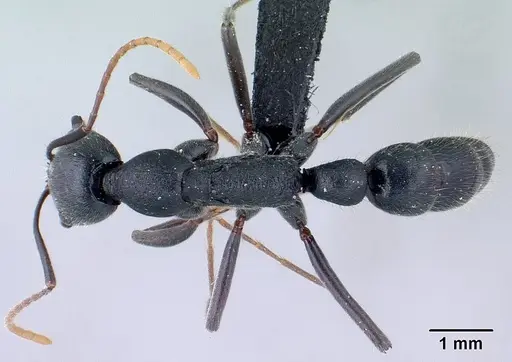
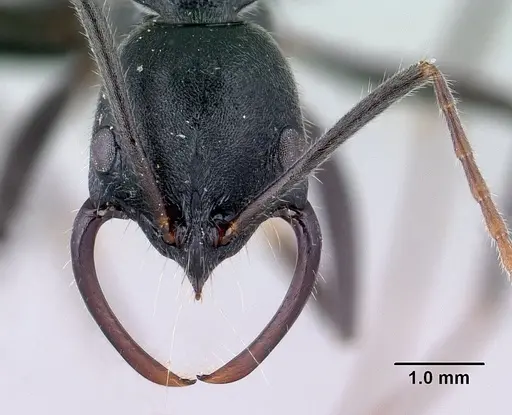
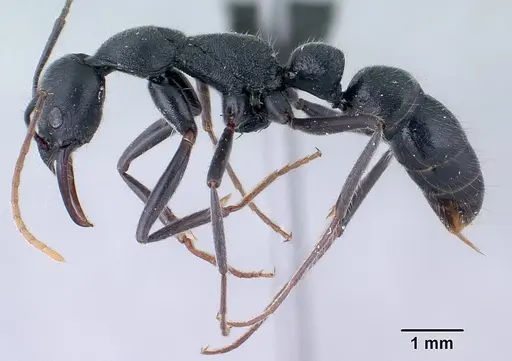
CASENT0135859
View on AntWeb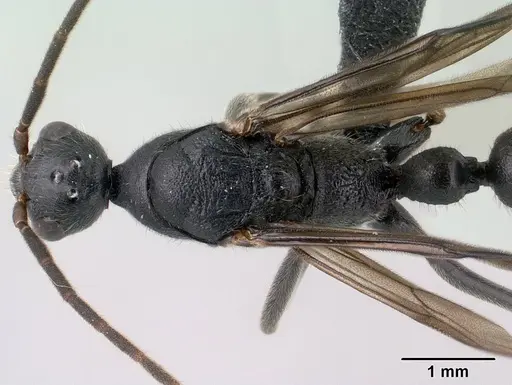
Literature
Loading...Loading products...