

Leptogenys langi
- Scientific Name
- Leptogenys langi
- Tribe
- Ponerini
- Subfamily
- Ponerinae
- Author
- Wheeler, 1923
- Distribution
- Found in 3 countries
Leptogenys langi Overview
Leptogenys langi is an ant species of the genus Leptogenys. It is primarily documented in 3 countries , including Brazil, French Guiana, Peru. Detailed taxonomic data and occurrence records can be further explored via authoritative databases such as AntWeb or the Global Biodiversity Information Facility (GBIF).
Leptogenys langi
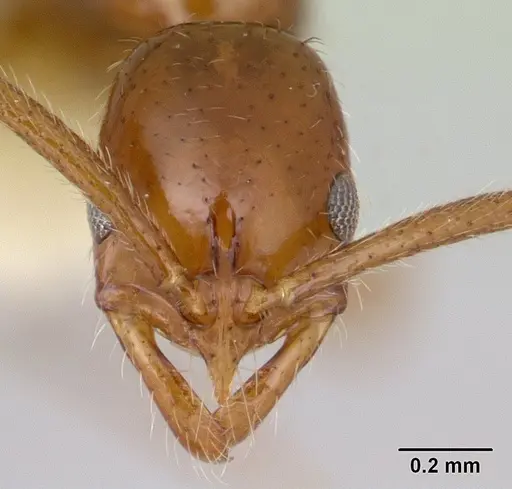
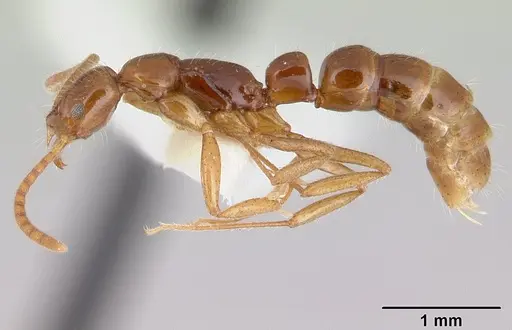
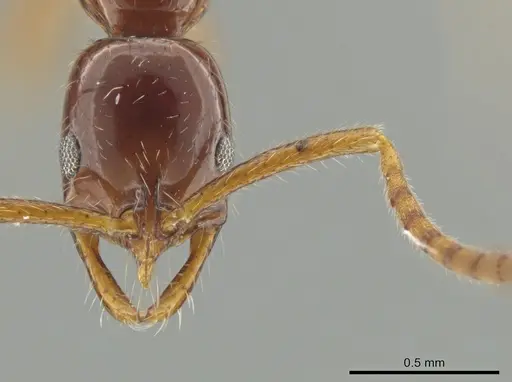
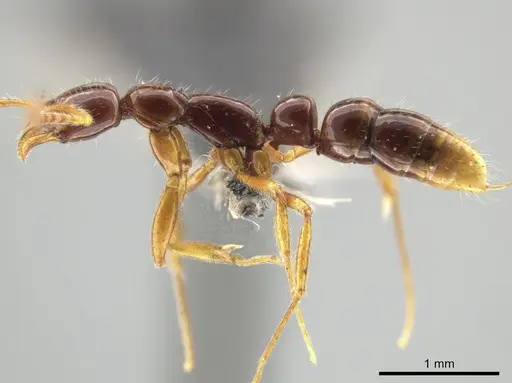
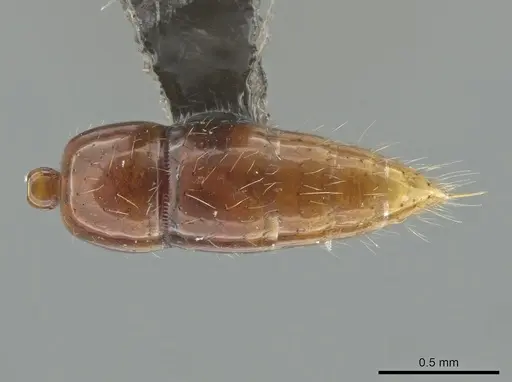
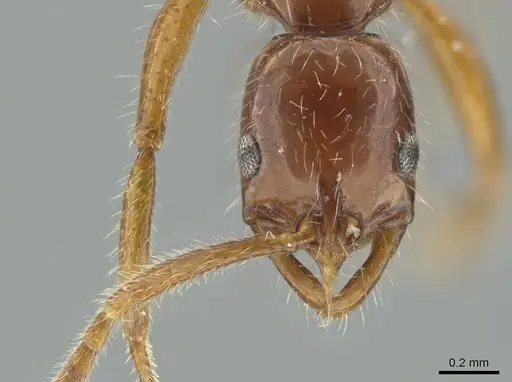
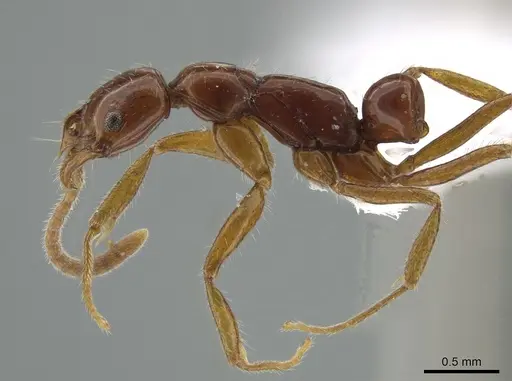
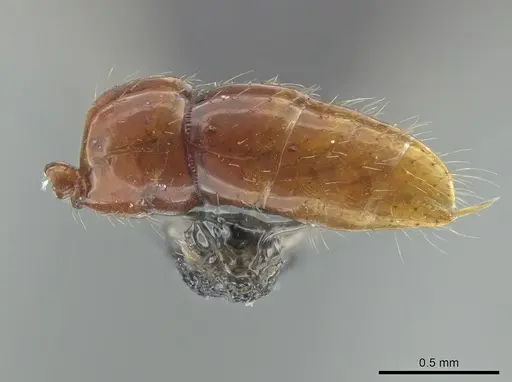
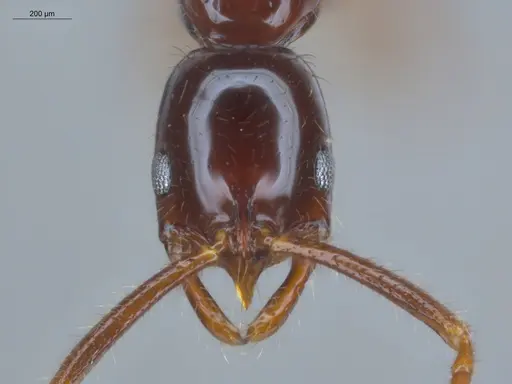
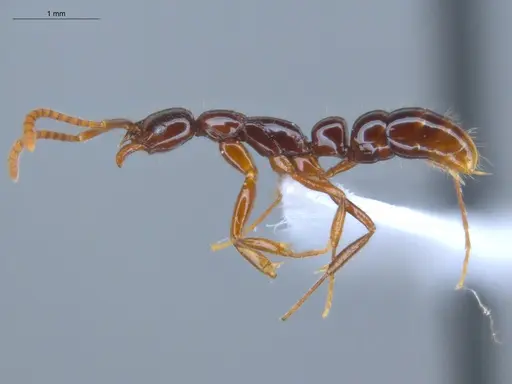
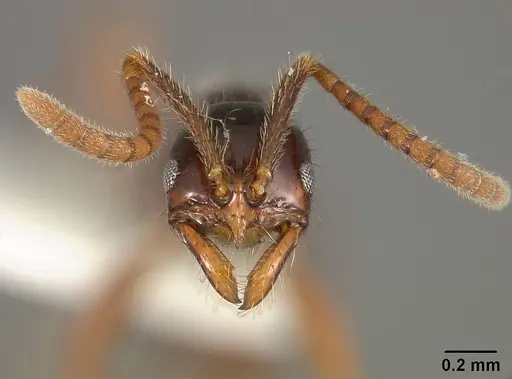
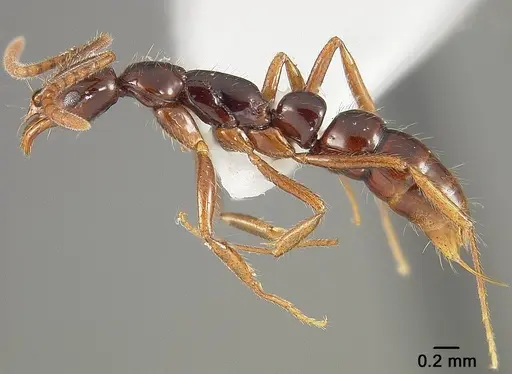
Leptogenys langi is a small predatory ant from the Ponerinae subfamily, found throughout the Amazon-Orinoco watershed in South America. Workers measure 0.80-0.87mm with a smooth, shiny ferruginous brown body and yellow to brownish-yellow antennae and legs. Queens are larger at 1.00mm and possess wings, a rare trait in the genus Leptogenys, where most species have wingless reproductives. This species nests in mature rainforest environments, typically in clay soil disturbed by tree falls or in humus beneath leaf litter at the base of dead trees [1][2].
What makes L. langi stand out is its unique winged queens, a characteristic shared with only one other Leptogenys species. Like other Ponerine ants, they are active predators that hunt cooperatively. Their small size and smooth body make them agile escape artists, so excellent escape prevention is essential for keeping this species successfully [1].
Quick Summary
- Difficulty: Medium
- Origin & Habitat: Amazon-Orinoco watershed in South America, including Bolivia, Brazil, Colombia, Ecuador, French Guiana, Guyana, Peru, Suriname, and Venezuela. They inhabit mature tropical rainforest, nesting in clay soil and humus below leaf litter, often near fallen trees or at the base of large dead trees [1][3][4].
- Colony Type: Single-queen colonies (monogyne). Queens are winged, which is unusual for the genus. Colony size is relatively small, typical for Leptogenys species [1].
- Colony: Monogyne
- Founding: Claustral
- Size & Growth:
- Queen: 1.00mm [1]
- Worker: 0.80-0.87mm [2]
- Colony: Unknown but likely under 500 workers based on typical Leptogenys colony sizes
- Growth: Moderate
- Development: Estimated 6-10 weeks based on related Ponerine species at optimal temperature (Development time inferred from genus-level data for Ponerinae, specific timing for L. langi has not been directly studied)
- Antkeeping:
- Temperature: Keep warm at 24-28°C. A heating cable on one side of the nest creates a temperature gradient that allows ants to regulate their own conditions.
- Humidity: High humidity is essential, aim for 70-85%. These forest-floor ants prefer consistently moist substrate. Keep the nest substrate damp but not waterlogged, with some drier areas available for the ants to choose.
- Diapause: Unknown, tropical species may not require formal hibernation but may slow down during cooler periods
- Nesting: Y-tong (AAC) nests or test tubes work well. Provide a moist substrate chamber since they naturally nest in clay soil and humus. A small outworld allows space for hunting and foraging. Tight escape prevention is critical due to their tiny size.
- Behavior: Leptogenys langi is an active predator that hunts small invertebrates. Like other Ponerines, they have a functional sting that can cause pain, handle with caution. Workers are small and fast-moving, making them excellent escape artists. They are not aggressive toward humans when undisturbed but will defend the nest if threatened. Foraging occurs primarily in the outworld where they hunt live prey. Their small size means escape prevention must be excellent, they can squeeze through gaps that larger ants cannot.
- Common Issues: escape prevention is critical due to their very small size, use fine mesh barriers and tight-fitting lids, maintaining high humidity without causing mold growth requires balance, predatory diet means you must provide live prey regularly, they will not survive on sugar water alone, slow colony growth can lead to overfeeding mistakes that cause mold, Ponerine stings are painful, avoid handling directly
Housing and Nest Setup
Leptogenys langi requires a setup that maintains high humidity while providing space for hunting behavior. A Y-tong (AAC) nest with a moist chamber works well, the ants will nest in the damp area while foraging in the outworld. Test tube setups can work for founding colonies but monitor for drying. The nest should have chambers sized appropriately for their small worker size (under 1mm). Because they are tiny, escape prevention is your top priority: use fine mesh (at least 0.5mm or smaller), apply Fluon to barrier edges, and check lid seals regularly. A small outworld (5-10cm) gives them space to hunt and explore without being too large to manage. Provide a water source in the outworld, a small test tube with a cotton plug works well.
Feeding and Diet
As predatory Ponerine ants, L. langi requires live protein prey to survive and thrive. Offer small live insects such as fruit flies, pinhead crickets, small mealworms, and springtails. Feed prey items that are appropriately sized, no larger than the ant's head. Remove uneaten prey after 24-48 hours to prevent mold. While some Ponerines occasionally accept sugar sources, this species is primarily predatory and may not show interest in honey or sugar water. Feed protein 2-3 times per week, adjusting based on colony size and consumption. A well-fed colony will have workers with distended gasters. Do not rely on artificial ant feeds, live prey is essential.
Temperature and Humidity
These tropical rainforest ants need warm, humid conditions. Maintain temperatures between 24-28°C during the active season. A heating cable placed on one side of the nest creates a thermal gradient that lets ants regulate their own temperature. Avoid temperatures below 22°C for extended periods as this can slow or stop brood development. Humidity should stay high at 70-85%, the substrate should feel consistently damp but never waterlogged. Mist the nest area occasionally but avoid creating standing water. Good ventilation helps prevent mold while maintaining humidity. Monitor both temperature and humidity with digital meters placed near the nest.
Behavior and Temperament
Leptogenys langi is an active, predatory ant with a functional sting. Workers are small but fast-moving, patrolling the outworld in search of prey. They are not typically aggressive toward keepers but will sting if handled roughly or if the nest is disturbed. The sting is painful for their size, comparable to other Ponerines. Colonies are moderately defensive, they will launch workers to investigate disturbances. Their small size makes them excellent escape artists, even tiny gaps in setup lids or barrier seals will result in escapes. Watch for workers carrying prey back to the nest, this cooperative hunting is characteristic of the genus. Queens are winged, which is unusual for Leptogenys, though their flight ability remains undetermined [1][2].
Colony Development
Colony growth is gradual. A newly mated queen will found her colony claustrally, sealing herself in a chamber and raising the first brood on her own body reserves. The first workers (nanitics) will be smaller than mature workers. After workers emerge, the colony expands slowly. Expect 6-10 weeks from egg to first worker at optimal temperature, though this is estimated from related species. Growth rate is moderate, faster than some slow-growing Ponerines but not as rapid as Myrmicines. Colony size likely remains under 500 workers in captivity. Do not disturb founding queens unnecessarily, they need quiet, stable conditions to succeed. Once established, colonies become more active and foraging increases.
Frequently Asked Questions
How long does it take for Leptogenys langi to produce first workers?
Expect 6-10 weeks from egg to first worker at optimal temperature (24-28°C). This is an estimate based on related Ponerine species, specific development timing for L. langi has not been directly studied. Founding queens seal themselves in and raise the first brood alone, so be patient and avoid disturbing the nest during this critical period.
What do Leptogenys langi ants eat?
They are predatory ants that need live protein prey. Offer small live insects like fruit flies, springtails, pinhead crickets, and small mealworms. Remove uneaten prey after 24-48 hours to prevent mold. They are primarily predatory and may not accept sugar sources, do not rely on honey or sugar water as a primary food source.
Do Leptogenys langi ants sting?
Yes, they have a functional sting that can cause pain. While small, their sting is comparable to other Ponerine ants. Handle gently and avoid disturbing the nest. If stung, wash the area with soap and water. Most keepers experience stings only when handling roughly or accidentally pressing against the ants.
Are Leptogenys langi good for beginners?
They are rated as medium difficulty, not the best choice for complete beginners but manageable for those with some antkeeping experience. The main challenges are maintaining high humidity, providing regular live prey, and preventing escapes due to their tiny size. If you are new to ants, consider starting with a more forgiving species like Lasius or Messor.
How big do Leptogenys langi colonies get?
Colony size is estimated at under 500 workers based on typical Leptogenys colony sizes. They are not large colony formers like some Myrmicines. Growth is moderate, expect several months to reach 50+ workers. Patience is key with this species.
What temperature do Leptogenys langi need?
Keep them warm at 24-28°C. A heating cable on one side of the nest creates a gradient. Avoid temperatures below 22°C for extended periods as this slows brood development. They come from tropical rainforest habitats, so warmth is essential for active, healthy colonies.
Do Leptogenys langi need hibernation?
Hibernation is not required, they are tropical ants from the Amazon region. However, they may slow down during cooler periods. If room temperature drops significantly in winter, they may become less active but should not need a formal diapause like temperate species.
Can I keep multiple Leptogenys langi queens together?
This species is monogyne (single-queen colonies). Combining unrelated queens is not recommended and has not been documented. In the wild, colonies have one winged queen. Attempting to house multiple foundresses together typically results in fighting.
Why are my Leptogenys langi escaping?
Their tiny size (under 1mm) makes them excellent escape artists. Check for any gaps in lid seals, use fine mesh (0.5mm or smaller), and apply Fluon to barrier edges. Even microscopic gaps around tubing connections can allow escapes. Inspect your setup daily until you confirm it is escape-proof.
When should I move Leptogenys langi to a formicarium?
You can keep them in a test tube for the founding stage. Move to a proper nest (Y-tong or naturalistic setup) once the colony reaches 30-50 workers and the test tube becomes cramped. Ensure the new setup maintains the humidity and temperature they need before transferring.
References

This caresheet is licensed under CC BY-SA 4.0 .
CASENT0178776
View on AntWeb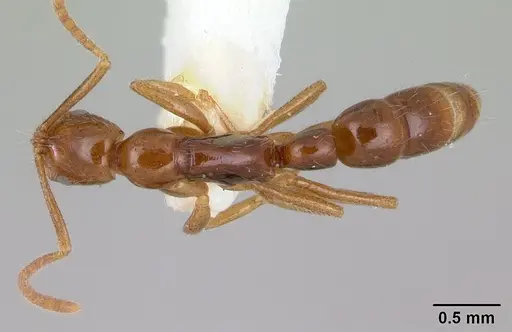
CASENT0649082
View on AntWeb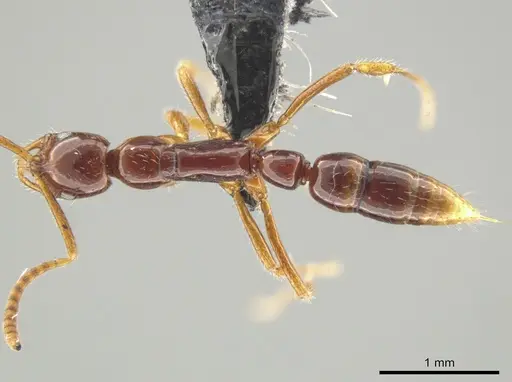
DZUP549113
View on AntWeb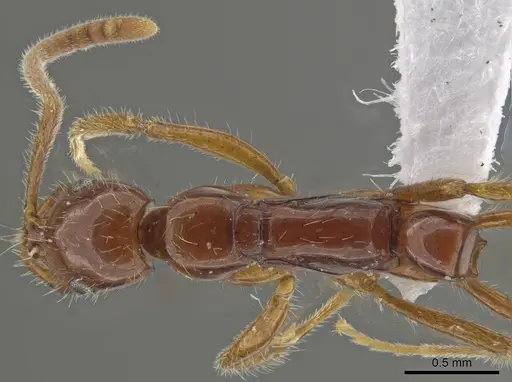
ECOFOG-GAL18-0022-18
View on AntWeb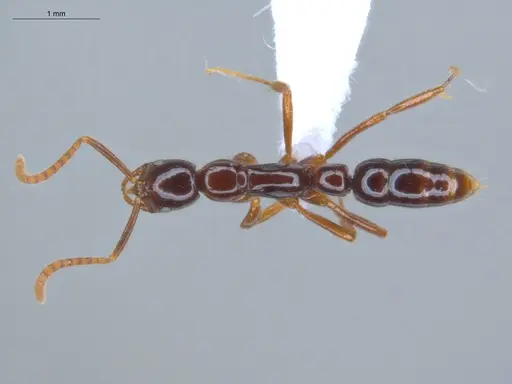
USNMENT01124221
View on AntWeb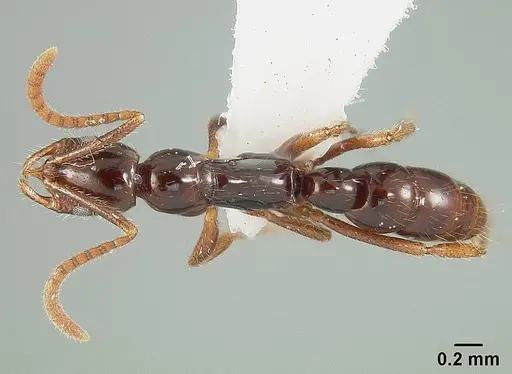
Literature
Loading...Loading products...