

Leptogenys iridescens
- Scientific Name
- Leptogenys iridescens
- Tribe
- Ponerini
- Subfamily
- Ponerinae
- Author
- Smith, 1857
- Distribution
- Found in 3 countries
Leptogenys iridescens Overview
Leptogenys iridescens is an ant species of the genus Leptogenys. It is primarily documented in 3 countries , including Malaysia, Singapore, Thailand. Detailed taxonomic data and occurrence records can be further explored via authoritative databases such as AntWeb or the Global Biodiversity Information Facility (GBIF).
Leptogenys iridescens
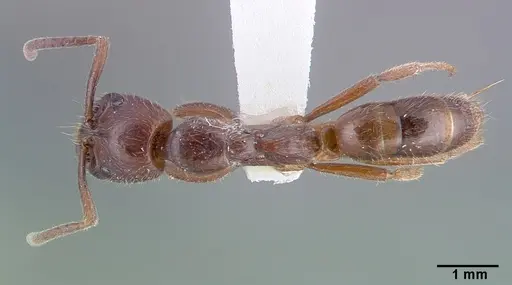
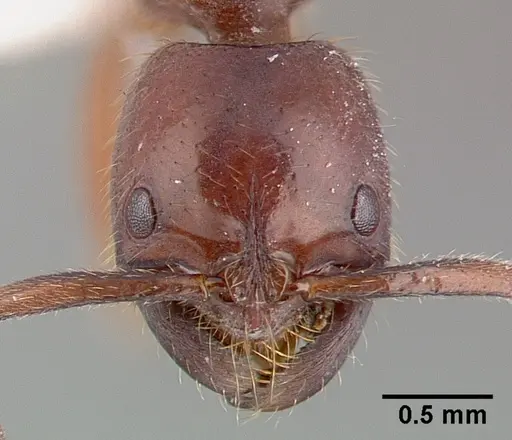
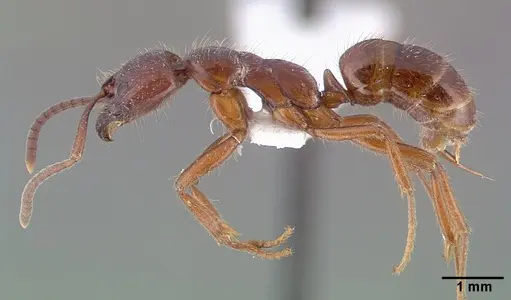
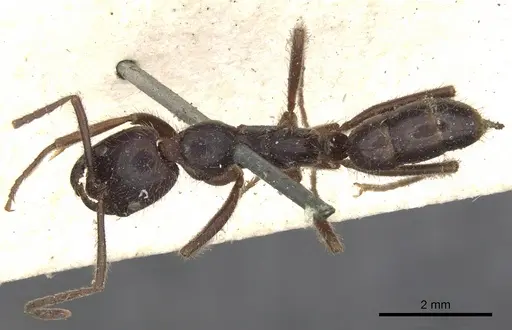
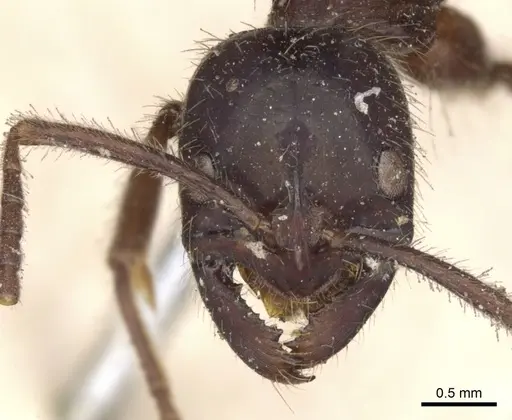
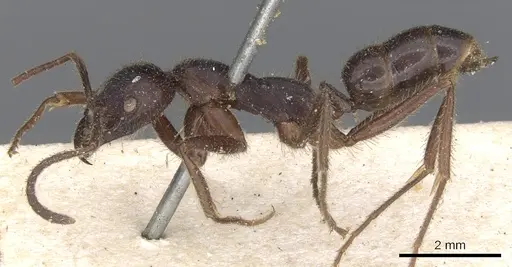
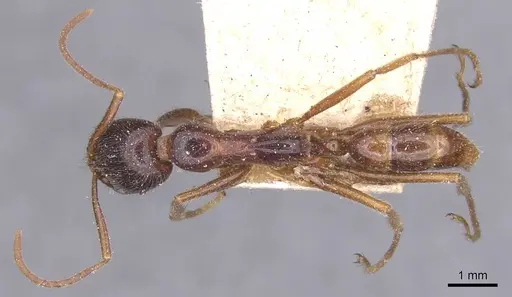
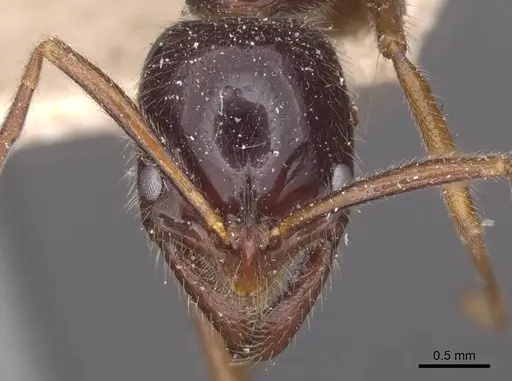
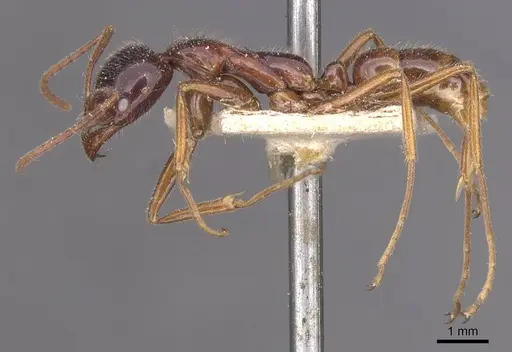
Leptogenys iridescens is a slender, predatory ant species native to Southeast Asia, found across Borneo, Indonesia, Malaysia, the Philippines, Singapore, and Thailand. Workers are approximately 4-4.2mm in length, with a dark body that shows an iridescent sheen under good lighting, this is where the species gets its name. Like other Ponerinae ants, they have a long, sleek body with a distinctive petiole (the narrow waist segment between the thorax and abdomen). The pronotum sits at a higher level than the propodeum, giving them a slightly raised front appearance [1]. These ants are predatory hunters, using their speed and mandibles to capture prey. As a tropical species from the Indomalaya region, they prefer warm, humid conditions similar to their native rainforest floor habitat.
Quick Summary
- Difficulty: Medium
- Origin & Habitat: Southeast Asia, found in Borneo, Indonesia, Malaysia, Philippines, Singapore, and Thailand. They inhabit tropical forest environments, typically at elevations like the Poring Hot Spring and Sayap-Kinabalu Park in Borneo [1]. The type locality is Borneo (Sarawak) [2].
- Colony Type: Colony structure is unconfirmed. Like many Ponerinae species, they may form single-queen colonies, though this has not been directly studied for this specific species.
- Size & Growth:
- Queen: Unknown, not directly measured in available literature
- Worker: Approximately 4-4.2mm (2 lines) [3]
- Colony: Unknown, no colony size data available
- Growth: Unknown, likely moderate based on typical Ponerinae patterns
- Development: Unknown, estimated 6-10 weeks based on related Ponerinae species at tropical temperatures (No direct development data exists for this species. Related Ponerinae ants typically take 6-10 weeks from egg to worker at warm tropical temperatures (24-28°C).)
- Antkeeping:
- Temperature: Keep at 24-28°C. As a tropical species from Southeast Asia, they need warm conditions. A heating cable on one side of the nest creates a suitable gradient. Room temperature in most homes may be too cool, monitor with a thermometer.
- Humidity: Keep the nest substrate consistently moist but not waterlogged. These forest-floor ants need humidity around 70-80%. Mist occasionally and provide a water source. The substrate should feel damp to the touch.
- Diapause: No, this is a tropical species that does not hibernate. They remain active year-round in captivity.
- Nesting: In nature they likely nest in soil or under stones in forest floor habitats. In captivity, a naturalistic setup with moist substrate or a Y-tong/plaster nest works well. They prefer tight, enclosed spaces. Avoid dry, airy setups.
- Behavior: Leptogenys iridescens is a predatory ant that hunts small invertebrates. They are active foragers and likely use chemical trails to recruit nestmates to food sources. Workers are fast-moving and may be somewhat shy or wary. They possess a stinger for subduing prey and defense, exercise caution when handling. Escape prevention is important as they are agile climbers. Their small size (around 4mm) means they can slip through small gaps.
- Common Issues: tropical species needs warmth, colonies may become sluggish or stop brood development if kept too cold, no available data on their specific dietary needs makes feeding challenging, start with small live prey like fruit flies or pinhead crickets, escape risk is moderate due to their small size, use tight-fitting lids and barrier tape, lack of published care information means trial and error is required, predatory nature means they need live prey, sugar sources may not be accepted
Housing and Nest Setup
Leptogenys iridescens can be housed in various setups, but a naturalistic terrarium with moist substrate works well for this forest-floor species. Use a mix of soil and sand as substrate, keeping it consistently moist but not waterlogged. Provide hiding spots like flat stones, pieces of bark, or small terracotta pots. A Y-tong (acrylic) nest with narrow chambers also works, especially if you want to observe the colony easily. Ensure the nest has a water chamber to maintain humidity. Because they are small (around 4mm), check that any connections between the outworld and nest are tight, these ants can squeeze through surprisingly small gaps. A test tube setup can work for founding colonies if kept humid in a enclosed container.
Feeding and Diet
As a Ponerinae ant, Leptogenys iridescens is predatory and will hunt small invertebrates. In captivity, offer small live prey such as fruit flies, pinhead crickets, small mealworms, or other appropriately-sized insects. They likely accept protein-rich foods like bloodworms or fish flakes as alternatives, though live prey is preferred. Feed every 2-3 days, offering only what the colony can consume within a day. Remove uneaten prey to prevent mold. Sugar sources like honey water may be offered occasionally, but Ponerinae ants are primarily protein-focused and may ignore sweets. Always provide a fresh water source.
Temperature and Humidity
This tropical species requires warm conditions to thrive. Maintain temperatures between 24-28°C (75-82°F). Below 24°C, colony activity may decrease and brood development can slow significantly. Use a heating cable or heating mat on one side of the nest to create a temperature gradient, allowing the ants to self-regulate. For humidity, aim for 70-80% relative humidity within the nest. Keep the substrate moist but not soggy, the ants will drink from water droplets on the nest walls. Mist the outworld occasionally, especially if you notice workers clustering near moisture. Good ventilation is important to prevent mold while maintaining humidity.
Behavior and Colony Dynamics
Leptogenys iridescens is an active, predatory ant that forages individually or in small groups. Workers are fast-moving and likely use chemical pheromone trails to recruit nestmates to large food finds. They possess a functional stinger for subduing prey and may use it defensively if threatened, while not dangerous to healthy humans, it can be painful. The colony will likely show increased activity when prey is introduced, with workers rapidly capturing and dismembering the catch. Brood (eggs, larvae, pupae) will be tended in the deepest, most humid part of the nest. Unlike some Ponerinae, they are not known to be particularly aggressive toward keepers, but their speed means careful handling is advised.
Frequently Asked Questions
How long does it take for Leptogenys iridescens to produce first workers?
The exact timeline is unknown, but based on related Ponerinae species, expect 6-10 weeks from founding to first workers at warm tropical temperatures (24-28°C). Be patient, founding colonies can take time.
What do Leptogenys iridescens eat?
They are predatory ants that need live protein. Feed small live insects like fruit flies, pinhead crickets, or small mealworms. They may also accept frozen bloodworms or fish flakes experimentally. Sugar sources are likely ignored or only occasionally accepted.
Can I keep Leptogenys iridescens in a test tube?
Yes, a test tube setup can work for a founding queen or small colony, provided you keep it humid by using a water reservoir and keeping the setup in a enclosed container to prevent drying. Monitor moisture levels closely.
What temperature do Leptogenys iridescens need?
Keep them warm at 24-28°C (75-82°F). This tropical species does not tolerate cool temperatures well. A heating cable on part of the nest helps maintain optimal conditions.
How big do Leptogenys iridescens colonies get?
Colony size is not documented, but based on related Leptogenys species, they likely reach several hundred workers at most. They are not among the largest ant species.
Are Leptogenys iridescens good for beginners?
This species is rated Medium difficulty. While not the hardest ant to keep, the lack of published care information means you'll need to adapt based on observation. Their predatory nature and specific temperature needs require some experience.
Do Leptogenys iridescens need hibernation?
No, as a tropical species from Southeast Asia, they do not hibernate. Keep them active year-round at warm temperatures.
Why is my Leptogenys iridescens colony not growing?
Common causes include: temperatures below 24°C (slows or stops development), too dry conditions, or insufficient prey. Ensure proper warmth, humidity, and offer appropriate live prey regularly. Also check that the queen is still laying eggs.
References

This caresheet is licensed under CC BY-SA 4.0 .
Literature
Loading...Loading products...