

Leptogenys incisa
- Scientific Name
- Leptogenys incisa
- Tribe
- Ponerini
- Subfamily
- Ponerinae
- Author
- Forel, 1891
- Distribution
- Found in 1 countries
Leptogenys incisa Overview
Leptogenys incisa is an ant species of the genus Leptogenys. It is primarily documented in 1 countries , including Madagascar. Detailed taxonomic data and occurrence records can be further explored via authoritative databases such as AntWeb or the Global Biodiversity Information Facility (GBIF).
Leptogenys incisa
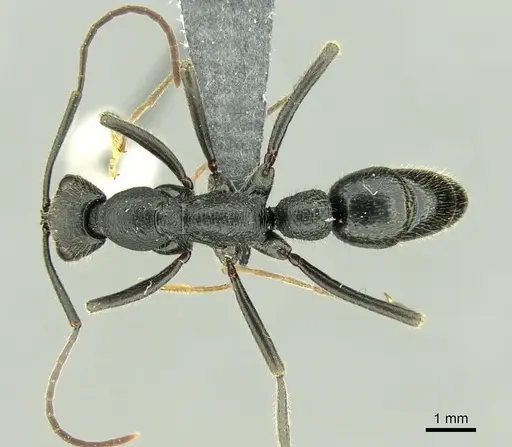
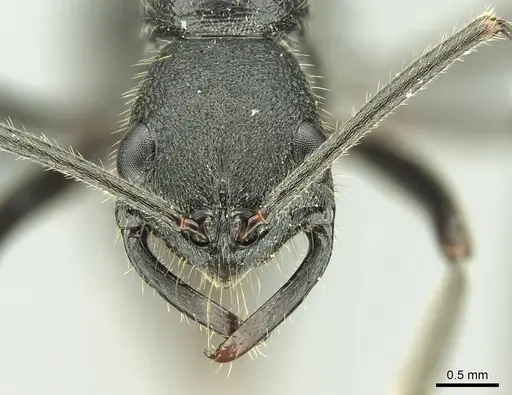
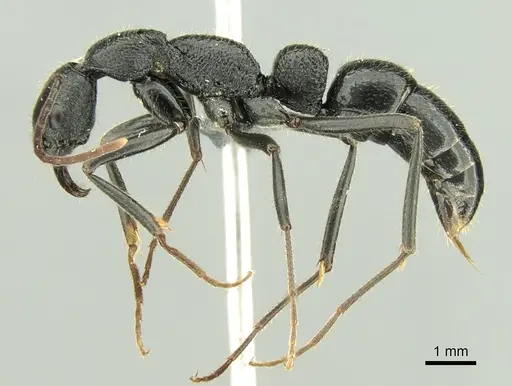
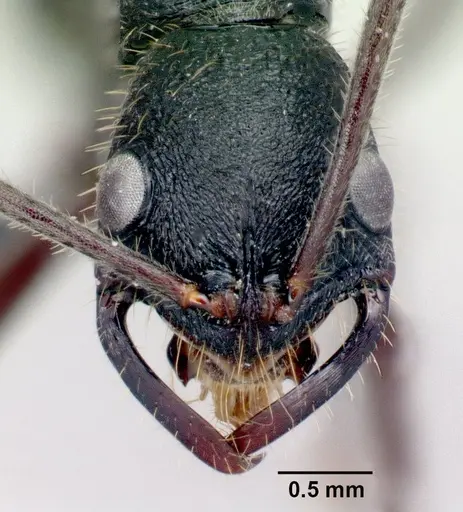
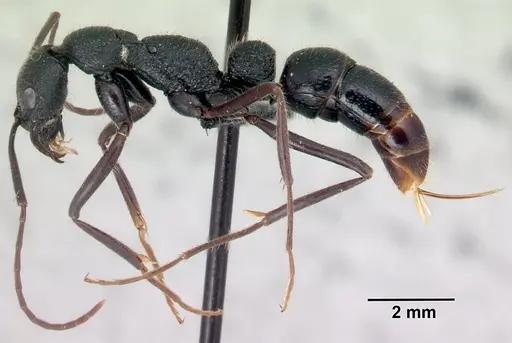
Leptogenys incisa is a large predatory ant species native only to Madagascar. Workers are distinctive with their unusually elongate head (head index 85), large eyes that break the lateral head margin, and strongly curved mandibles with fine longitudinal striations on the outer surfaces. The body is black with dark brown legs and lighter brown tarsi and gaster tip. This species belongs to the alluaudi complex within the incisa species group. In the wild, they forage through leaf litter and nest in rotting wood in transitional forests. Only known from a handful of specimens collected in two locations in northwestern Madagascar, the Ampasindava peninsula and the Chains of Galoko Mountain.
Quick Summary
- Difficulty: Unknown, likely Expert
- Origin & Habitat: Endemic to Madagascar, found in transitional forest at Ambilanivy (northwest) and Chains of Galoko Mountain. Nests in rotting logs, forages through leaf litter [1][2].
- Colony Type: Unknown, likely single-queen colonies based on typical Leptogenys patterns
- Size & Growth:
- Queen: Undocumented, no queen description available
- Worker: Workers are large: head width 1.87mm, total length approximately 8-9mm based on measurements [1]
- Colony: Unknown, no colony size data available
- Growth: Unknown
- Development: Unconfirmed, likely 6-10 weeks based on typical Ponerinae development (No direct development data exists for this species. Ponerine ants typically take 6-10 weeks from egg to worker at warm temperatures.)
- Antkeeping:
- Temperature: Unconfirmed, aim for 24-28°C based on Madagascar transitional forest habitat. Provide a thermal gradient allowing workers to self-regulate.
- Humidity: Keep substrate moderately moist. In nature they inhabit rotting wood in humid forest leaf litter [1].
- Diapause: Unknown, Madagascar species may reduce activity during cooler months but true hibernation is uncertain
- Nesting: In captivity, provide a naturalistic setup with rotting wood pieces or a Y-tong/plaster nest with moisture retention. They naturally nest in decaying wood [1].
- Behavior: This is a predatory ponerine ant, they likely hunt small invertebrates. Workers are large and relatively fast-moving. Escape prevention is important given their size and activity level. No data on sting potency exists, but Leptogenys species have functional stingers. Treat as potentially capable of stinging.
- Common Issues: extremely limited availability, only known from a handful of wild specimens, no captive husbandry information exists, all care is speculative, predatory diet requirements may be challenging to meet, unknown if they accept artificial nests or require naturalistic setup, potential escape artists given their size and activity
Species Identification and Appearance
Leptogenys incisa is a distinctive large ant within the Malagasy fauna. Workers are recognized by their unusually elongate head (cephalic index 85), meaning the head is significantly longer than wide. The large compound eyes break the lateral margin of the head, giving them a distinctive profile when viewed from above. The most striking feature is their strongly curved mandibles, which bend sharply near the base, this is more pronounced than in related species like L. alluaudi and L. pilaka. The mandible blades are broad with fine longitudinal striations on the outer surfaces. The body is black with dark brown appendages, and the tarsi and tip of the gaster are light brown. The species belongs to the alluaudi complex within the incisa species group, and can be distinguished from relatives by the combination of the curved mandibles and elongate head [1].
Natural Distribution and Habitat
This species is endemic to Madagascar and known only from a very limited range in the northwest. Specimens have been collected from the transitional forest of Ambilanivy in the Ampasindava peninsula and from the Chains of Galoko Mountain. The type locality is Montagne de Lokobe on Nosy Be island. They are found in rotting wood (nesting) and forage through leaf litter on the forest floor. This is a transitional forest habitat, suggesting they prefer humid, shaded conditions with decaying organic matter. The species appears to be rare in the wild, with only a handful of specimens ever collected [1][3].
Diet and Feeding
As a member of the subfamily Ponerinae and genus Leptogenys, this species is predatory. Leptogenys ants are known hunters that capture and subdue prey using their powerful mandibles and stinger. In captivity, you should offer small live invertebrates such as fruit flies, small crickets, mealworms, and other appropriately-sized arthropods. The large worker size suggests they can take down reasonably sized prey. Sugar sources may be accepted occasionally, but protein from prey should form the primary diet. Given how rarely this species is collected, there is no documented captive feeding behavior, approach diet experimentation cautiously and prioritize live prey items.
Nesting and Housing
In their natural habitat, L. incisa nests in rotting wood and forages through leaf litter on the forest floor. For captive care, a naturalistic setup with moist substrate and decaying wood pieces would most closely match their natural conditions. A Y-tong (acrylic) nest with moist plaster or a dirt-based formicarium with rotting wood inclusions would be appropriate. They appear to prefer humid conditions within the nest. Since this species has never been kept in captivity before, start with conditions that mirror their natural habitat: humid, dark spaces within decaying wood-like materials. Provide a foraging area with leaf litter and debris where they can hunt. [1]
Temperature and Care
Since this species comes from Madagascar's transitional forests in the northwest, aim for warm temperatures in the range of 24-28°C. Provide a thermal gradient so workers can regulate their own temperature by moving between warmer and cooler areas of the nest. Room temperature (around 22-24°C) may be acceptable, but a heating cable on one side of the nest can help maintain optimal warmth. Humidity should be moderate to high, the rotting wood and leaf litter habitats indicate they prefer damp, humid conditions. Keep the nest substrate moist but not waterlogged. Monitor colony activity to gauge if conditions are suitable.
Behavior and Temperament
Leptogenys incisa is a predatory ant with large, powerful mandibles. Workers are active foragers that hunt through leaf litter. While specific aggression levels are unknown, Leptogenys species are generally not aggressive toward humans but will defend their nest. They possess a functional stinger, though the potency is undocumented for this specific species. Treat them as potentially capable of stinging if handled or threatened. Workers are relatively large and fast-moving. Escape prevention is important, use well-fitting lids and appropriate barriers. This species has never been documented in the antkeeping hobby, so all behavioral observations are inferred from related species and should be treated as preliminary.
Frequently Asked Questions
Is Leptogenys incisa available in the antkeeping hobby?
No. This species is extremely rare and has never been documented in the antkeeping hobby. It is only known from a handful of wild specimens collected in northwestern Madagascar. You will not find this species for sale from any commercial ant farm or breeder.
What do Leptogenys incisa ants eat?
As a predatory ponerine ant, they likely hunt small invertebrates. Based on related Leptogenys species, they probably accept live prey like fruit flies, small crickets, mealworms, and other arthropods. They may occasionally accept sugar water or honey, but protein from live prey should form the bulk of their diet. No captive feeding data exists for this specific species.
How big do Leptogenys incisa colonies get?
The maximum colony size is unknown. No colony size data has been documented for this species. Based on related Leptogenys species, colonies likely reach several hundred workers at most, but this is purely speculative given the lack of data.
What temperature do Leptogenys incisa ants need?
Aim for 24-28°C based on their Madagascar transitional forest habitat. A thermal gradient allowing self-regulation is ideal. Room temperature (22-24°C) may be acceptable. No captive temperature data exists for this species, these recommendations are inferred from their natural habitat and related species.
Are Leptogenys incisa ants good for beginners?
No. This species is not recommended for beginners or even experienced antkeepers. It has never been kept in captivity, no husbandry information exists, and it is extremely rare in the wild. There are no established care protocols, and obtaining specimens would be essentially impossible. This species is of interest primarily to researchers or those with specific scientific interest in Malagasy ants.
Where does Leptogenys incisa live in the wild?
Only in Madagascar, specifically in transitional forests in the northwest, the Ampasindava peninsula (Ambilanivy) and the Chains of Galoko Mountain. They nest in rotting wood and forage through leaf litter on the forest floor. The species is known from only a handful of specimens collected in these areas.
How long does it take for Leptogenys incisa to develop from egg to worker?
The development timeline is unconfirmed. No direct data exists for this species. Based on typical Ponerinae development patterns, expect approximately 6-10 weeks from egg to worker at optimal warm temperatures (around 26°C). This is a rough estimate only.
Can I keep multiple Leptogenys incisa queens together?
The colony structure is unconfirmed. Typical Leptogenys species are single-queen (monogyne), but this has not been documented for L. incisa specifically. Do not attempt to combine unrelated queens, there is no data on founding behavior or colony structure for this species.
What kind of nest should I use for Leptogenys incisa?
A naturalistic setup with rotting wood pieces and moist substrate would best match their natural nesting preferences. A Y-tong nest with moist plaster or a dirt-based formicarium with wood inclusions would be appropriate. They appear to prefer humid conditions within decaying wood-like materials. However, since this species has never been kept in captivity, these recommendations are speculative.
References

This caresheet is licensed under CC BY-SA 4.0 .
CASENT0298318
View on AntWeb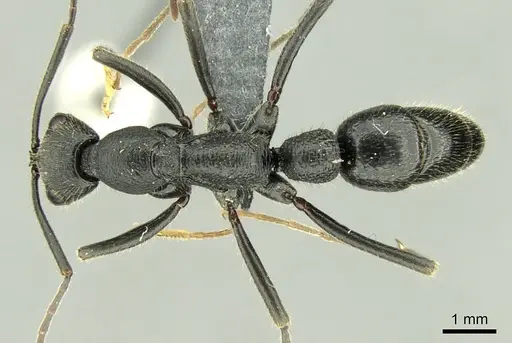
CASENT0463438
View on AntWeb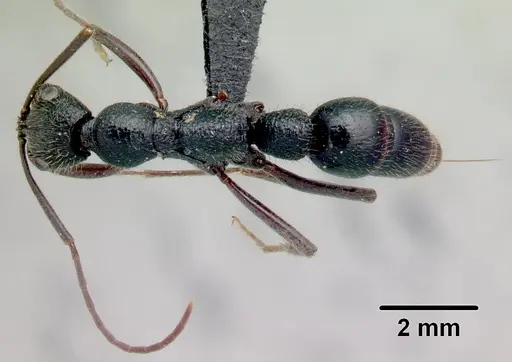
Literature
Loading...Loading products...