

Leptogenys hysterica
- Scientific Name
- Leptogenys hysterica
- Tribe
- Ponerini
- Subfamily
- Ponerinae
- Author
- Forel, 1900
- Distribution
- Found in 2 countries
Leptogenys hysterica Overview
Leptogenys hysterica is an ant species of the genus Leptogenys. It is primarily documented in 2 countries , including India, Pakistan. Detailed taxonomic data and occurrence records can be further explored via authoritative databases such as AntWeb or the Global Biodiversity Information Facility (GBIF).
Leptogenys hysterica
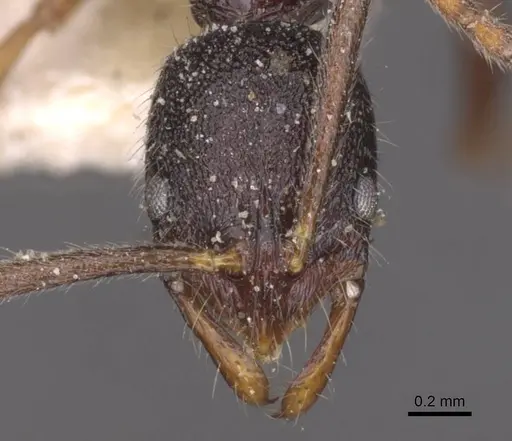
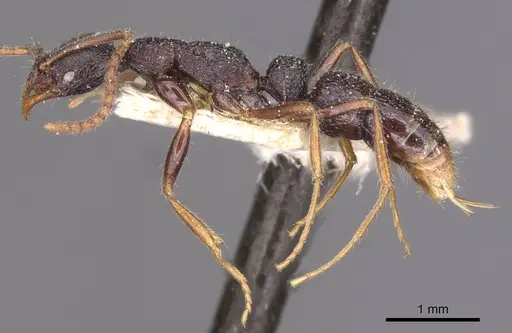
Leptogenys hysterica is a small predatory ant native to the Indomalaya region, found across Sri Lanka, India, Pakistan, Thailand, Laos, Malaysia, Indonesia, and Borneo. Workers measure 4-5mm and have a distinctive blackish-brown body with reddish legs, mandibles, and antennae. The head is roughly rectangular and densely sculptured, while the gaster has a yellowish or reddish-brown tip. This species belongs to the Ponerinae subfamily, known for their predatory nature and relatively simple social structure compared to more advanced ant genera. They are ground-nesting ants typically found in humid forest areas, often nesting under stones or in loose soil near leaf litter.
Quick Summary
- Difficulty: Medium
- Origin & Habitat: Indomalaya region, found in Sri Lanka, India, Pakistan, Thailand, Laos, Malaysia, Indonesia, and Borneo. They inhabit humid forest areas in mountainous regions, typically nesting under stones, in loose soil, or near leaf litter and dead wood [1].
- Colony Type: Colony structure is not well documented in scientific literature. Based on typical Leptogenys genus patterns, they likely form single-queen colonies (monogyne), though this requires confirmation for this specific species.
- Founding: Semi-claustral
- Size & Growth:
- Queen: Not documented in available research, genus estimate would be 6-8mm
- Worker: 4-5mm [2][3]
- Colony: Unknown, typical Leptogenys colonies reach dozens to low hundreds of workers
- Growth: Unknown, likely moderate based on genus patterns
- Development: Estimated 6-10 weeks at optimal temperature based on related Ponerinae species (Direct development data unavailable for this species, estimates based on genus patterns for Ponerinae ants)
- Antkeeping:
- Temperature: Keep at 24-28°C, they are a tropical species requiring warm, stable conditions. A gentle gradient allowing workers to self-regulate is recommended.
- Humidity: High humidity required, aim for 70-85%. Keep the nest substrate consistently moist but not waterlogged. These forest-floor ants need damp conditions similar to their natural habitat under stones and leaf litter.
- Diapause: No, as a tropical species from the Indomalaya region, they do not require hibernation. Maintain warm conditions year-round.
- Nesting: Y-tong (AAC) nests or plaster nests work well. They prefer tight, humid chambers. A naturalistic setup with moist substrate and flat stones can also replicate their natural under-stone nesting sites. Keep the nest dark as they prefer dim conditions.
- Behavior: Leptogenys ants are active predators that hunt small invertebrates. They are not aggressive toward humans but will defend their nest. Workers are fast-moving and can escape easily, use excellent escape prevention. They are primarily nocturnal or crepuscular, becoming more active in low-light conditions. Their small size (4-5mm) means they can slip through standard barrier setups easily.
- Common Issues: escape prevention is critical, their small size allows them to squeeze through tiny gaps, tropical humidity requirements can lead to mold problems if ventilation is poor, predatory diet means they need constant access to live prey, failure to feed adequate protein causes colony decline, wild-caught colonies may have parasites that can devastate captive colonies, slow founding phase means colonies can stall if conditions aren't optimal
Nest Preferences and Housing
Leptogenys hysterica naturally nests under stones, in loose soil, and in decaying wood in humid forest areas. In captivity, they do well in Y-tong (acrylic) nests or plaster nests that can maintain humidity. They prefer tight, snug chambers rather than large open spaces. A naturalistic setup with moist substrate and flat stones on top can replicate their natural conditions well. The nest should be kept dark or covered, as these ants prefer dim conditions. Because they are small (4-5mm), ensure that any connections between the nest and outworld are narrow enough to prevent escapes, or use fluon barriers on tube connections. [1]
Feeding and Diet
As predators, Leptogenys hysterica needs a protein-rich diet of small live invertebrates. Offer small prey items like fruit flies, pinhead crickets, small mealworms, and other tiny arthropods. They are likely nocturnal hunters, so offering prey in the evening may improve acceptance. Unlike some ants, they are not particularly attracted to sugar sources, though they may occasionally accept honey or sugar water. Feed them small prey items 2-3 times per week, adjusting based on colony size. Remove uneaten prey after 24-48 hours to prevent mold issues. A constant water source should also be available.
Temperature and Seasonal Care
Being a tropical species from the Indomalaya region, Leptogenys hysterica requires warm temperatures year-round. Keep the nest area at 24-28°C, with a gentle gradient if possible so workers can regulate their own temperature. Room temperature in most homes (20-24°C) may be slightly cool, consider using a heating cable on one side of the nest to raise temperatures into the optimal range. They do not require hibernation or diapause. Avoid temperature drops below 20°C, especially for extended periods. Maintain consistent warmth rather than allowing temperature fluctuations. High humidity should accompany the warm temperatures. [1]
Behavior and Colony Dynamics
Leptogenys hysterica is an active predator that hunts small invertebrates on the forest floor. Workers are fast-moving and relatively shy, not aggressively defending the nest unless directly threatened. They are likely nocturnal or crepuscular, becoming more active during low-light periods. Colonies grow relatively slowly compared to many common ant species, so patience is required during the founding phase. Queens are known to forage during the founding period (semi-claustral behavior), which is different from claustral species that seal themselves away. This means founding colonies need access to small prey items from early on.
Handling and Temperament
This species is not aggressive and poses no danger to keepers. They are small and quick, making them more likely to flee than to bite. While they possess a stinger like all Ponerinae ants, their small size means they are unlikely to penetrate human skin effectively. The primary concern for keepers is their escape ability, their small size allows them to slip through tiny gaps that would stop larger ants. Use fine mesh barriers, tight-fitting lids, and fluon on all connection points. When observing them, do so quietly as they may be sensitive to vibrations and disturbances.
Frequently Asked Questions
How long does it take for Leptogenys hysterica to produce first workers?
Egg-to-worker development likely takes 6-10 weeks at optimal temperature (24-28°C), based on related Ponerinae species. This is slower than many common ant species, so patience is essential during the founding phase.
Can I keep Leptogenys hysterica in a test tube setup?
Test tubes can work for founding colonies, but they need high humidity and should be kept dark. A Y-tong or plaster nest is often better for established colonies as these hold humidity better and provide more space.
What do Leptogenys hysterica ants eat?
They are predators that need live small invertebrates. Feed them fruit flies, small crickets, mealworms, or other tiny arthropods. They may occasionally accept sugar water but protein is essential for colony growth.
Are Leptogenys hysterica good for beginners?
They are rated as medium difficulty. Their predatory diet and humidity requirements make them more challenging than sugar-feeding species. They are better suited for keepers with some antkeeping experience.
Do Leptogenys hysterica need hibernation?
No, as a tropical species from the Indomalaya region, they do not require hibernation. Keep them warm year-round at 24-28°C.
How big do Leptogenys hysterica colonies get?
Colony size is not well documented, but based on genus patterns, they likely reach dozens to low hundreds of workers. They are not among the largest ant species.
Why are my Leptogenys hysterica escaping?
Their small size (4-5mm) allows them to slip through tiny gaps. Use fine mesh, tight-fitting lids, and fluon barriers on all connections. Check for gaps as small as 1mm.
When should I move my colony to a formicarium?
Move them when the test tube is overcrowded or when the colony has 20-30 workers. Make sure the new nest has appropriately sized chambers and maintains humidity well.
Can I keep multiple Leptogenys hysterica queens together?
This has not been documented for this species. Based on typical Leptogenys behavior, single-queen colonies are likely. Combining unrelated queens is not recommended.
References

This caresheet is licensed under CC BY-SA 4.0 .
CASENT0915229
View on AntWeb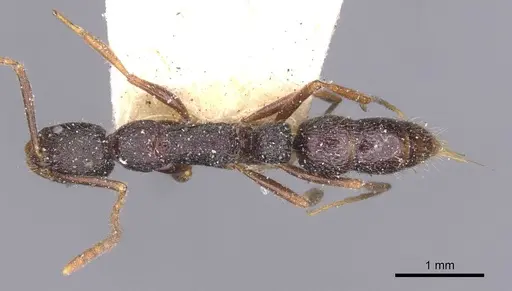
Literature
Loading...Loading products...