

Leptogenys humiliata
- Scientific Name
- Leptogenys humiliata
- Tribe
- Ponerini
- Subfamily
- Ponerinae
- Author
- Mann, 1921
- Distribution
- Found in 1 countries
Leptogenys humiliata Overview
Leptogenys humiliata is an ant species of the genus Leptogenys. It is primarily documented in 1 countries , including Fiji. Detailed taxonomic data and occurrence records can be further explored via authoritative databases such as AntWeb or the Global Biodiversity Information Facility (GBIF).
Leptogenys humiliata
Leptogenys humiliata is a predatory ant species endemic to the Fiji Islands, specifically found only on the island of Viti Levu [1][2]. Workers are part of the Ponerinae subfamily, known for their elongated mandibles and active hunting behavior. This species was first described by Mann in 1921 from Fiji specimens [3]. As a tropical ant from the Pacific islands, they inhabit the warm, humid forest environments typical of their range. The genus Leptogenys is commonly called 'spider ants' due to many species specializing in hunting spiders and other arthropods.
Quick Summary
- Difficulty: Unknown, limited husbandry data available
- Origin & Habitat: Endemic to Fiji, specifically Viti Levu island [1][2]. Tropical Pacific island environment with warm temperatures and high humidity.
- Colony Type: Colony structure is unconfirmed, likely single-queen based on typical genus patterns, but not directly studied for this species.
- Size & Growth:
- Queen: Unknown, not measured in available literature
- Worker: Unknown, not measured in available literature
- Colony: Unknown, no colony size data available
- Growth: Unknown
- Development: Unknown, no development data available for this species (No direct studies on development. Related Leptogenys species typically develop in 6-10 weeks at tropical temperatures.)
- Antkeeping:
- Temperature: Warm tropical conditions expected. Based on Fiji climate, aim for 24-28°C. Provide a gentle temperature gradient allowing ants to self-regulate.
- Humidity: High humidity expected, Fiji is a tropical island with humid conditions. Keep nest substrate consistently moist but not waterlogged. Provide a humidity gradient.
- Diapause: Unlikely, Fiji has no true winter. These ants likely remain active year-round.
- Nesting: Natural nesting habits unconfirmed. Based on genus patterns, likely nests in soil, under stones, or in rotting wood in shaded forest areas. A naturalistic setup with moist substrate or a Y-tong/plaster nest works well for tropical Ponerinae.
- Behavior: Behavior is not directly documented for this species. Based on genus patterns, Leptogenys are active predators with elongated mandibles used to capture prey. They are typically fast-moving and may have moderate escape risk. Workers likely forage individually or in small groups. Temperament is not documented but most Leptogenys are not particularly aggressive toward humans.
- Common Issues: limited species-specific care information makes husbandry recommendations uncertain, tropical species may be sensitive to temperature drops or dry conditions, escape prevention should be maintained until behavior is better understood, wild-caught colonies may have parasites or diseases not documented in literature
Species Overview and Distribution
Leptogenys humiliata is a rare ant species found only in Fiji, making it an endemic species to these Pacific islands [1][2]. The species was first described by William Mann in 1921 from worker specimens collected on Viti Levu, the largest island in the Fiji archipelago [3]. This limited distribution means L. humiliata is not a common species in the antkeeping hobby, and there is very little documented information about its specific biology and behavior. The Fiji islands have a tropical climate with warm temperatures year-round and high humidity, so these ants would be adapted to such conditions.
Taxonomy and Identification
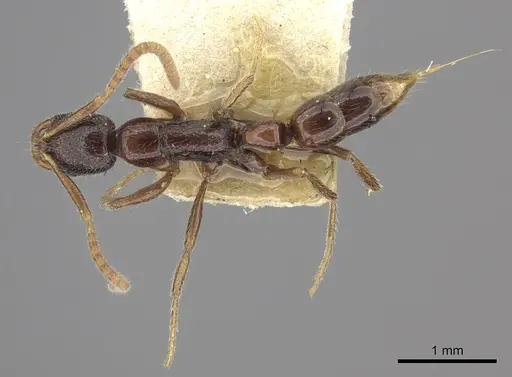
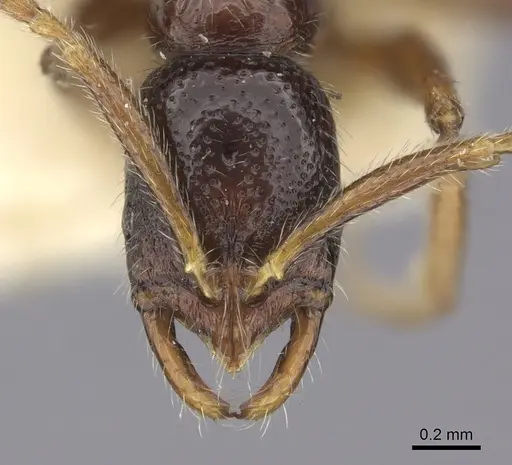
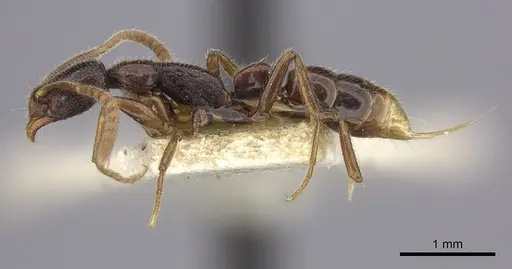
Leptogenys humiliata belongs to the subfamily Ponerinae, which includes many predatory ant species. The genus Leptogenys contains around 300 species distributed primarily in tropical and subtropical regions worldwide. These ants are characterized by their elongated, narrow mandibles and relatively slender build. The species was originally described as Leptogenys (Lobopelta) humiliata by Mann in 1921,with the subgenus classification later revised [3]. Specific identification features are not well-documented in available literature, but the genus-level characteristics include a distinct petiole (waist) and elongated mandibles adapted for hunting prey.
Inferred Care Requirements
Since there is no species-specific husbandry data for L. humiliata, care recommendations must be inferred from what is known about the genus and the ant fauna of Fiji. These ants likely need warm, humid conditions similar to other tropical Ponerinae species. Keep temperatures in the range of 24-28°C with a gradient allowing the ants to self-regulate. Humidity should be high, think damp forest floor conditions. Nesting options include naturalistic setups with moist substrate, Y-tong nests, or plaster nests that hold humidity well. For feeding, Leptogenys are predatory, so offer small live prey such as fruit flies, small crickets, or other micro-arthropods. Sugar water may also be accepted but is not a primary food source for this genus.
Known Distribution and Biogeography
Leptogenys humiliata is known only from Viti Levu, the main island of Fiji [1][2]. This extremely limited distribution makes it one of the more restricted ant species in Fiji. The species was originally reported by Mann in his early 1920s surveys of Fijian ants [2]. Wilson's work on ant biogeography in the Pacific region also documented the unique ant fauna of Fiji, which includes several endemic species like L. humiliata that are found nowhere else in the world. This endemism makes the species particularly interesting from a conservation perspective, though its conservation status has not been formally assessed.
Challenges in Keeping This Species
The biggest challenge in keeping Leptogenys humiliata is the complete lack of species-specific husbandry information. Unlike common ant species with extensive care guides, this Fiji endemic has not been studied in captivity, so all recommendations are educated guesses based on related species. This means you will need to be prepared to experiment and observe your colony carefully. Start with typical tropical ant conditions (warm, humid) and adjust based on colony behavior. Watch for signs of stress such as workers clustering in specific areas, avoiding certain parts of the nest, or unusual mortality. Because the species is so poorly documented, it may be best suited for experienced antkeepers who are comfortable with uncertainty and able to adapt their care approach.
Frequently Asked Questions
How do I care for Leptogenys humiliata ants?
Specific care for this species is not documented. Based on genus patterns and Fiji's tropical climate, provide warm temperatures (24-28°C), high humidity, and offer live prey. Start with these conditions and adjust based on colony response.
Where does Leptogenys humiliata come from?
This species is endemic to Fiji, specifically found only on Viti Levu island [1][2].
What do Leptogenys humiliata ants eat?
Leptogenys are predatory ants. Based on genus patterns, they likely hunt small arthropods. Offer live prey such as fruit flies, small crickets, or other micro-arthropods. Sugar water may be accepted but is not their primary food.
What temperature do Leptogenys humiliata ants need?
Being from tropical Fiji, they need warm conditions. Aim for 24-28°C with a gradient allowing self-regulation. Avoid temperatures below 20°C.
How big do Leptogenys humiliata colonies get?
Colony size is unknown, no colony size data exists for this species. Related Leptogenys species typically form colonies of several hundred workers.
Is Leptogenys humiliata a good species for beginners?
This species is not recommended for beginners due to the complete lack of species-specific care information. The difficulty level is effectively unknown, making it challenging to provide proper care without experience.
How long does it take for Leptogenys humiliata to develop from egg to worker?
Development time is unconfirmed for this species. Related Leptogenys species typically take 6-10 weeks from egg to worker at tropical temperatures.
Do Leptogenys humiliata ants need hibernation?
No. Fiji has no winter, so these ants likely remain active year-round. No diapause or hibernation period is expected.
Can I keep multiple Leptogenys humiliata queens together?
Colony structure is unconfirmed for this species. Combining unrelated queens is not recommended since it has not been studied and could result in aggression.
References

This caresheet is licensed under CC BY-SA 4.0 .
CASENT0260382
View on AntWeb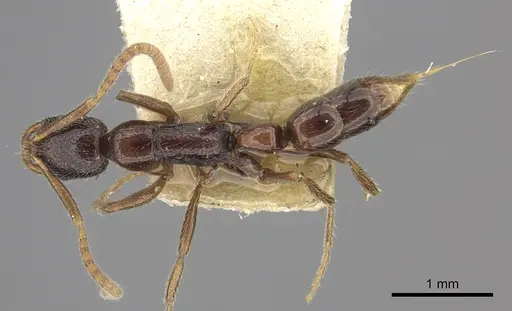
Literature
Loading...Loading products...