

Leptogenys gracilis
- Scientific Name
- Leptogenys gracilis
- Tribe
- Ponerini
- Subfamily
- Ponerinae
- Author
- Emery, 1899
- Distribution
- Found in 1 countries
Leptogenys gracilis Overview
Leptogenys gracilis is an ant species of the genus Leptogenys. It is primarily documented in 1 countries , including Madagascar. Detailed taxonomic data and occurrence records can be further explored via authoritative databases such as AntWeb or the Global Biodiversity Information Facility (GBIF).
Leptogenys gracilis
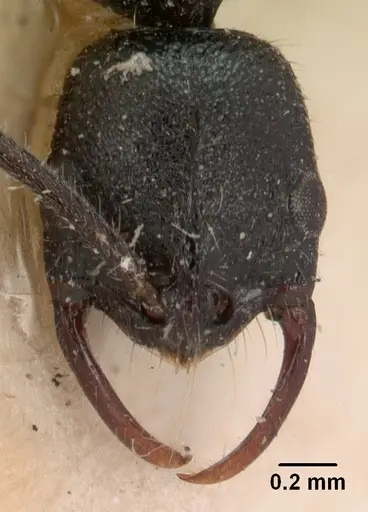
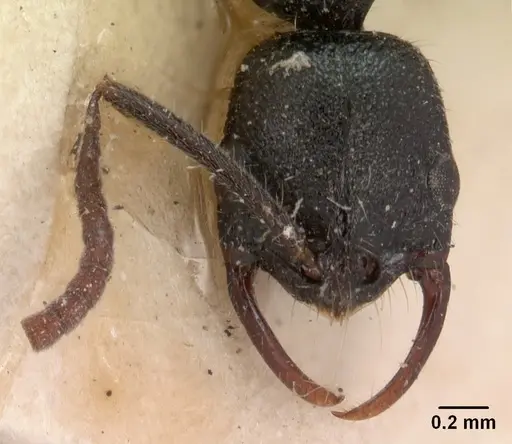
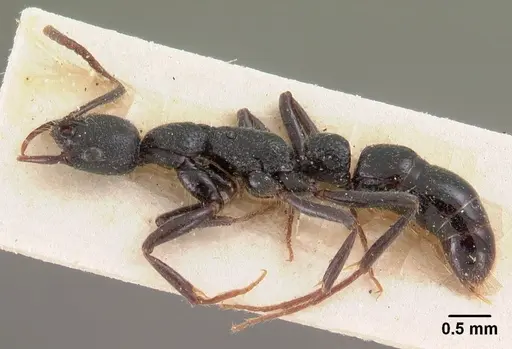
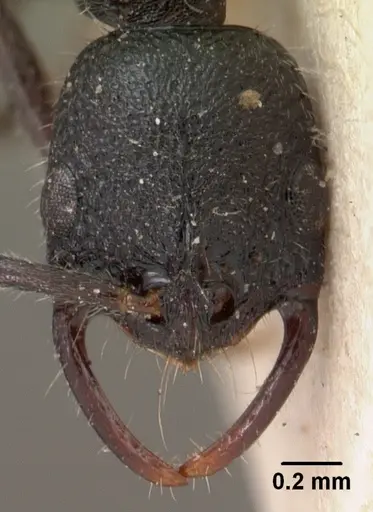
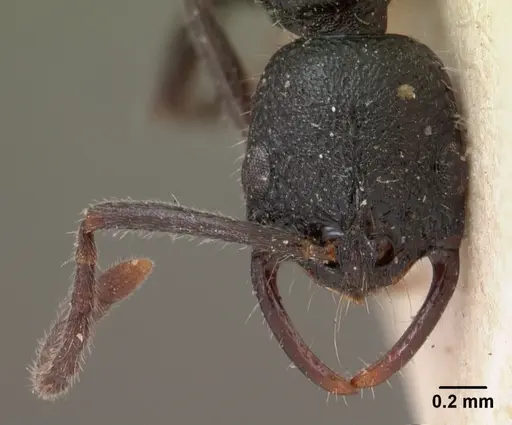
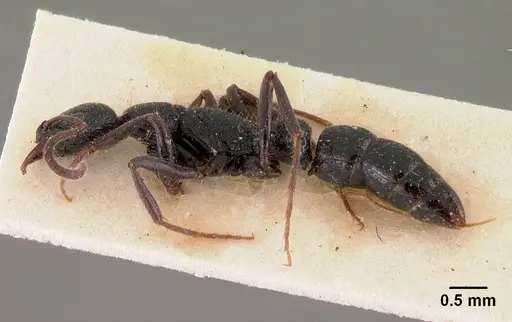
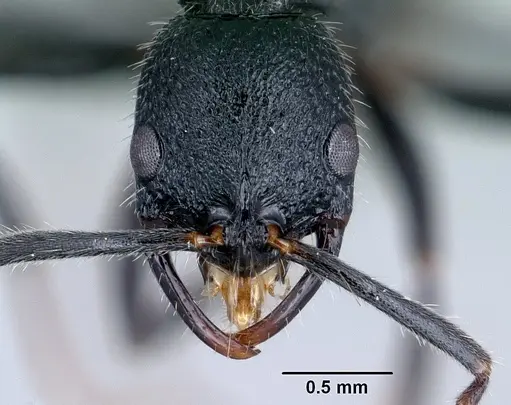
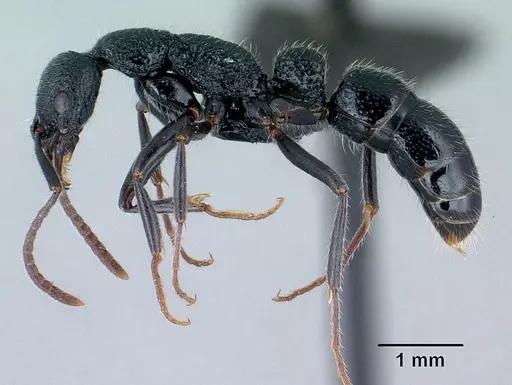
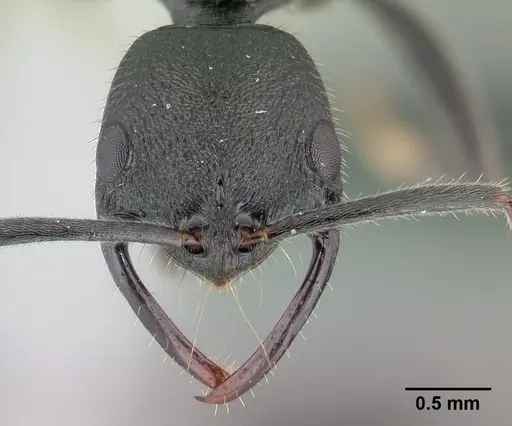
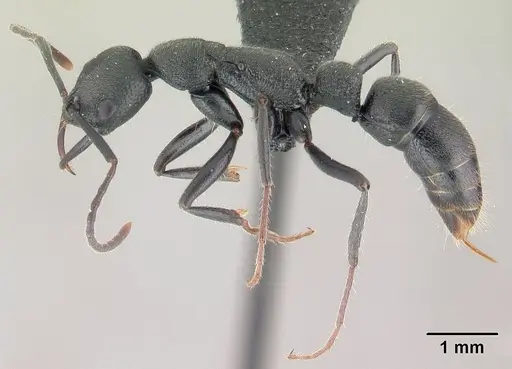
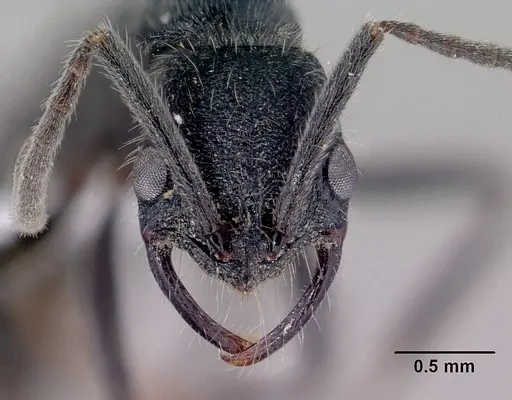
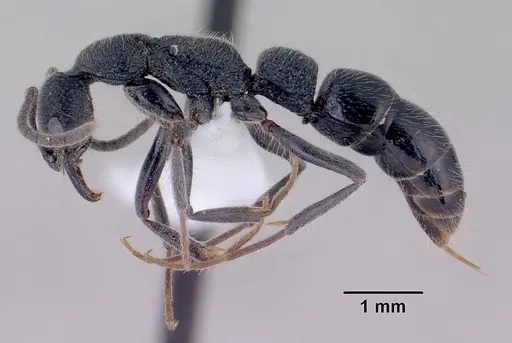
Leptogenys gracilis is a small predatory ant species native to northeastern Madagascar and the Comoros Islands. Workers measure 0.96-1.13mm in head width and have a distinctive black body with dark brown appendages. They are identified by two peg-like setae projecting from the clypeus (the face area above the mandibles), short antennal scapes that don't reach the back of the head, and striated mandibles with small punctures. This species belongs to the imerinensis complex within the incisa species group [1]. Unlike many ants, they are specialized ground foragers that nest in rotting wood rather than soil [1].
Quick Summary
- Difficulty: Medium
- Origin & Habitat: Northeastern Madagascar, specifically littoral and lowland rainforests at altitudes between 3-50 meters. Also found in transitional humid forest in Ambilanivy (Ampasindava peninsula) and montane forest on Mohéli Island, Comoros [1].
- Colony Type: Colony structure is unconfirmed, the species has not been studied for queen number. Based on typical Leptogenys patterns, expect single-queen colonies.
- Size & Growth:
- Queen: Unconfirmed, no queen measurements available in research literature
- Worker: 0.96-1.13mm head width (workers are very small ants) [1]
- Colony: Unconfirmed, no colony size data available
- Growth: Unknown, no development studies exist for this species
- Development: Unconfirmed, no direct development data available. Based on typical Ponerinae patterns, expect 6-10 weeks at optimal temperature. (Development timeline is unconfirmed for this species. Related Leptogenys species typically take 6-10 weeks from egg to worker.)
- Antkeeping:
- Temperature: Keep at 24-28°C, they come from tropical lowland rainforest so they need warmth. A gentle heat gradient allows them to regulate their temperature.
- Humidity: Keep high humidity, they live in rainforest conditions. Maintain moist but not waterlogged substrate. Provide a water tube for drinking.
- Diapause: No, being a tropical species, they do not require hibernation. Keep temperatures stable year-round.
- Nesting: They naturally nest in rotting wood logs. In captivity, a naturalistic setup with moist substrate and rotting wood pieces works well. Y-tong or plaster nests with high humidity also work.
- Behavior: These are ground-foraging predators. They hunt small invertebrates on the forest floor. Workers are small but active, with good escape abilities. They may be shy and less aggressive compared to some Ponerines. Use tight-fitting lids and fine mesh barriers to prevent escapes, their small size means they can squeeze through tiny gaps.
- Common Issues: small size means escapes are likely without fine mesh barriers, high humidity requirements can lead to mold if ventilation is poor, lack of documented care information means you'll be experimenting with conditions, predatory diet requires live prey, they may not accept dead food easily
Housing and Nest Setup
Leptogenys gracilis naturally nests in rotting wood logs in rainforest habitats. For captivity, create a naturalistic setup with a moist substrate (coconut fiber or soil mix) and include pieces of rotting wood or cork bark for them to nest in. A small outworld area connected to the nest allows for foraging. Alternatively, a Y-tong (acrylic) nest or plaster nest with high humidity chambers works well. Because they are very small, ensure all connections between nest and outworld are narrow enough to prevent escapes. Keep the nest area consistently moist but not flooded. [1]
Feeding and Diet
As predators, they hunt small invertebrates on the forest floor. In captivity, offer small live prey such as springtails, fruit flies, small crickets, and other tiny arthropods. They may accept protein gels or crushed insects, but live prey is more likely to trigger their hunting instincts. Since they forage on the ground, place prey in the outworld rather than in the nest. Feed every 2-3 days, removing uneaten prey after 24 hours to prevent mold. A sugar source like honey water or sugar water may be accepted occasionally, but protein prey is their primary food. [1]
Temperature and Humidity
Being from tropical Madagascar rainforests, they need warm and humid conditions. Keep temperatures between 24-28°C. A small heating cable on one side of the nest creates a temperature gradient they can regulate themselves. High humidity is essential, aim for 70-85% relative humidity. The substrate should feel consistently moist. Use a water tube connected to the nest for drinking water. Avoid both drying out the nest and allowing it to become waterlogged. Good ventilation helps prevent mold while maintaining humidity. [1]
Behavior and Colony Care
These ants are ground-foragers that hunt individually rather than in large raiding parties. Workers are small but active, patrolling the forest floor for small prey. They are likely less aggressive than some other Ponerine ants. Colonies may start slowly, founding colonies take time to establish. Be patient during the founding stage. Watch for workers carrying prey back to the nest, which indicates successful hunting. Their small size means they can slip through tiny gaps, so use fine mesh barriers and check all connections regularly for gaps. [1]
Understanding Their Unique Identification
Leptogenys gracilis has distinctive features that set it apart from other Malagasy Leptogenys. The two peg-like setae projecting from the clypeus are unique, these are small bristle-like structures used in species identification. Their short antennal scapes (the first segment of the antenna) don't reach the back of the head, unlike many related species. The striated mandibles with small punctures are also characteristic. In the wild, they occupy very low elevations (3-50m) in littoral rainforest, making them one of the lowest-elevated Leptogenys species in Madagascar. This lowland preference means they are adapted to warm, humid conditions year-round. [1]
Frequently Asked Questions
How long does it take for Leptogenys gracilis to produce first workers?
The egg-to-worker timeline is unconfirmed for this species. Based on typical Ponerine ant development, expect 6-10 weeks at optimal temperature (24-28°C). Being a tropical species, development may be faster than temperate species.
What do Leptogenys gracilis ants eat?
They are predators that hunt small invertebrates. Feed them live springtails, fruit flies, tiny crickets, and other small arthropods. They may accept crushed insects or protein gels, but live prey triggers their natural hunting behavior.
Do Leptogenys gracilis ants sting?
Leptogenys belongs to the Ponerinae subfamily, which includes ants with functional stingers. However, given their very small size (under 2mm total length), any sting would be minimal and unlikely to penetrate human skin. They are likely shy and prefer to flee over defending.
What temperature do Leptogenys gracilis need?
Keep them at 24-28°C. They come from tropical lowland rainforest in Madagascar where temperatures are warm year-round. A gentle heat gradient allows them to regulate their body temperature.
Do Leptogenys gracilis need hibernation?
No, being a tropical species from Madagascar, they do not require hibernation. Keep temperatures stable year-round between 24-28°C. Do not expose them to cold temperatures.
Can I keep Leptogenys gracilis in a test tube?
A test tube setup can work for founding colonies, but they prefer high humidity and may do better in a naturalistic setup with rotting wood. If using test tubes, ensure the cotton is kept moist and provide a dark cover. Consider moving to a more naturalistic setup once the colony grows.
Are Leptogenys gracilis good for beginners?
This species is rated as Medium difficulty. While not the hardest ant to keep, there is limited documented care information, so you'll need to experiment with conditions. Their high humidity and warmth requirements are straightforward if you have experience with tropical species.
How big do Leptogenys gracilis colonies get?
Colony size is unconfirmed, no data exists on maximum colony size for this species. Based on related Leptogenys species, colonies likely reach several hundred workers at most.
Why are my Leptogenys gracilis dying?
Common causes include: temperatures too cold (below 24°C), low humidity causing desiccation, mold from poor ventilation, or starvation if not enough live prey is offered. Check that your setup maintains proper warmth and humidity. Ensure you're providing appropriate small live prey regularly.
When should I move my colony to a formicarium?
Move them when the test tube or founding setup becomes too cramped or the humidity can no longer be maintained. For Leptogenys, a naturalistic setup with moist substrate and nesting material works well. This is typically when you have 20-30+ workers.
References

This caresheet is licensed under CC BY-SA 4.0 .
CASENT0102017
View on AntWeb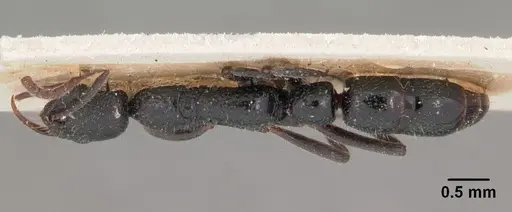
CASENT0102018
View on AntWeb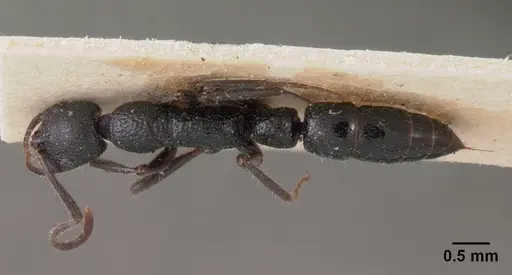
CASENT0129782
View on AntWeb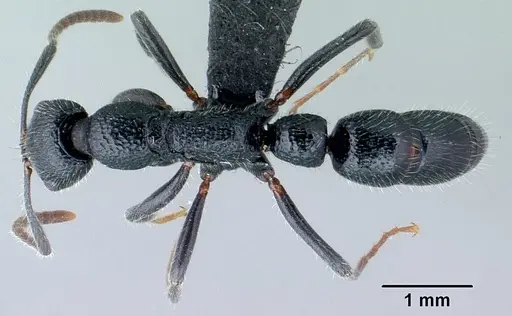
CASENT0147121
View on AntWeb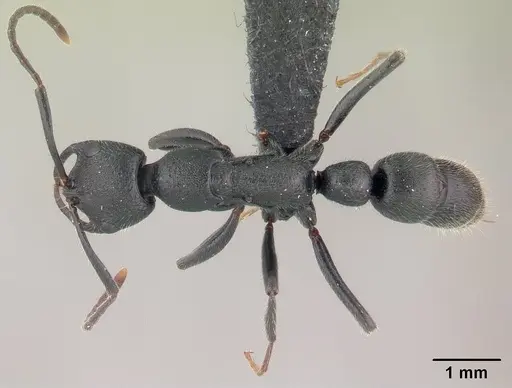
CASENT0416193
View on AntWeb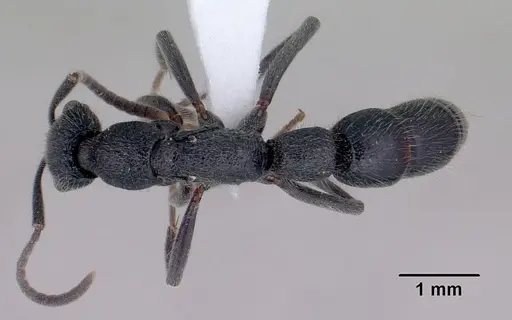
Literature
Loading...Loading products...