

Leptogenys gorgona
- Scientific Name
- Leptogenys gorgona
- Tribe
- Ponerini
- Subfamily
- Ponerinae
- Author
- Lattke, 2011
- Distribution
- Found in 1 countries
Leptogenys gorgona Overview
Leptogenys gorgona is an ant species of the genus Leptogenys. It is primarily documented in 1 countries , including Colombia. Detailed taxonomic data and occurrence records can be further explored via authoritative databases such as AntWeb or the Global Biodiversity Information Facility (GBIF).
Leptogenys gorgona
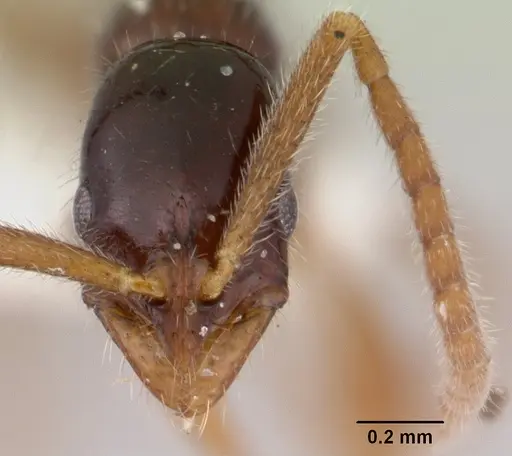
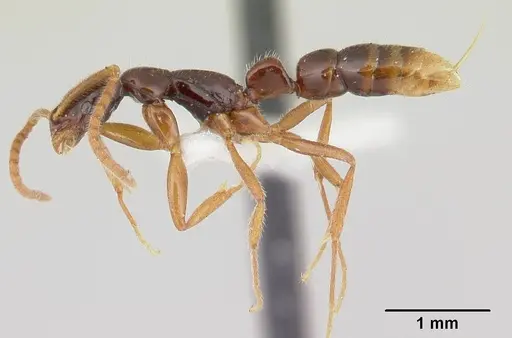
Leptogenys gorgona is a small predatory ant native to the tropical forests of northwestern Colombia and eastern Ecuador. Workers measure 0.80-0.87mm in head length with a distinctive rectangular head, elongate petiolar node, and ferruginous to dark brown coloration. The mandibles, legs, and antennae are brownish-yellow, giving them a two-toned appearance. This species belongs to the Leptogenys pusilla species group and can be distinguished from similar species by its more elongate head and node, larger eyes, and the way the dorsal propodeal margin curves onto the declivitous margin. Unfortunately, almost nothing is known about the biology of this species, queens, males, and colony structure have never been documented. This makes L. gorgona a challenging species for advanced antkeepers who enjoy piecing together care requirements through observation and inference from related species.
Quick Summary
- Difficulty: Expert
- Origin & Habitat: Tropical forests of northwestern Colombia to eastern Ecuador, primarily documented in the departments of Cauca, Magdalena, and Valle del Cauca at elevations around 200 meters [1][2]. The type specimen was collected at Anchicayá, Valle del Cauca.
- Colony Type: Unknown, colony structure has never been documented. Based on genus patterns, likely single-queen colonies with potential ergatoid (wingless) replacement reproductives, but this is unconfirmed.
- Size & Growth:
- Queen: Unknown, queens have never been described [3]
- Worker: 0.80-0.87mm head length, approximately 4-5mm total length [3]
- Colony: Unknown, no colony size data exists
- Growth: Unknown, estimated as moderate based on genus patterns
- Development: Unknown, estimated 6-10 weeks based on typical Ponerinae development at tropical temperatures (No direct data exists. Estimates based on related Leptogenys species suggest moderate development speed. Temperature-dependent, tropical species typically develop faster at warmer temperatures within their tolerance range.)
- Antkeeping:
- Temperature: Estimated 22-28°C, start in the mid-range and observe colony activity. Provide a temperature gradient allowing ants to self-regulate. This species comes from lowland tropical Colombia so warmth is likely important.
- Humidity: Estimated 60-80%, tropical forest ants typically need moderate to high humidity. Keep the nest substrate consistently moist but not waterlogged. Provide a water source in the outworld.
- Diapause: Unknown, likely minimal or none given the tropical origin. Some Ponerinae species reduce activity during cooler/drier seasons even without true diapause.
- Nesting: No natural nesting data exists. Based on genus patterns, likely nests in rotting wood, under stones, or in soil in humid forest habitats. For captivity, a naturalistic setup with moist substrate or a Y-tong/plaster nest works well. Provide chambers scaled to their small size.
- Behavior: Not documented, behavior must be inferred from genus patterns. Leptogenys species are typically predatory, hunting small invertebrates using their compound eyes for visual hunting rather than chemical trails. Workers are likely active foragers that hunt individually or in small groups. Escape risk is moderate due to their small size, use standard barriers. Aggression levels are unknown but most Ponerinae can deliver painful stings if threatened. Handle with care.
- Common Issues: no biological data exists, keepers must essentially pioneer captive care through careful observation, queen and colony structure unknown, you may not know if you have a functional queen, development timeline unconfirmed, estimates may be significantly off, tropical humidity requirements may be difficult to maintain consistently, predatory diet may be challenging, need constant supply of small live prey
Why This Species Is Challenging
Leptogenys gorgona represents one of the least documented ant species in the hobby. The original description only covers worker morphology, queens have never been described, males are unknown, and absolutely no biological observations exist in the scientific literature. This means you will be essentially pioneering captive husbandry for this species. There are no established care protocols, no feeding guides, no development timelines, and no known colony sizes to reference. Every piece of advice in this caresheet is either an inference from genus patterns or a reasonable guess based on what we know about other Leptogenys species. This makes L. gorgona an expert-level species suitable only for experienced antkeepers who enjoy the process of discovering how a species behaves in captivity through patient observation. If you prefer clear guidelines and established protocols, choose a better-documented species instead.
Inferring Care from Genus Patterns
Since species-specific data is absent, we can make educated inferences from other Leptogenys species and the broader Ponerinae subfamily. Leptogenys ants are visual hunters, they use their relatively large eyes to spot prey rather than following chemical trails like many ants. This suggests your ants will be active hunters in the outworld rather than passive foragers. Most Leptogenys species are predatory, hunting springtails, mites, small beetles, and other micro-arthropods. They typically have a single queen (monogyne) but some species have ergatoid queens, wingless replacement reproductives that can take over if the primary queen dies. The colony size for most Leptogenys species ranges from roughly 100 to 500 workers. Keep these patterns in mind as starting points, but be prepared for L. gorgona to surprise you with different behaviors.
Housing and Nest Setup
Without specific nesting data, use a setup that matches what works for other small tropical Ponerinae. A naturalistic terrarium-style setup works well, use a moist substrate layer (a mix of soil and sand works) that stays damp but not waterlogged. Add pieces of rotting wood, leaf litter, and small stones to provide hiding spots and hunting ground. Alternatively, a Y-tong (acrylic) nest with narrow chambers scaled to their tiny size can work, but ensure the substrate or nest material stays consistently moist. The outworld should be simple, a small foraging area where you can offer prey. Because of their small size, standard escape prevention measures apply, though they are not as tiny as some other species. Always provide a water source, a small test tube with a cotton ball works well.
Feeding and Diet
Leptogenys ants are predatory by nature, so your primary food should be small live invertebrates. Based on genus patterns, they likely hunt springtails, tiny mites, fruit fly larvae, small beetles, and other micro-arthropods. Start with live springtails as a staple, these are readily available and most Leptogenys species readily accept them. You can also offer small fruit flies (Drosophila), pinhead crickets, and other tiny prey. Unlike many ants, Leptogenys species typically do not rely heavily on sugar sources, they get their energy from protein-rich prey. However, some keepers have had success offering occasional honey or sugar water. Feed every 2-3 days, removing uneaten prey after 24 hours to prevent mold. The hunting behavior is part of the appeal, watching these tiny ants chase down prey is fascinating.
Temperature and Humidity
This species comes from tropical lowland forests in Colombia and Ecuador, so warmth and humidity are important. Aim for temperatures in the 22-28°C range, with 24-26°C being a good starting point. A temperature gradient is ideal, let the ants choose their preferred warmth by placing a heating cable on only one side of the nest. Watch their behavior: if they cluster in warmer areas, increase heat slightly, if they avoid the warm side, reduce it. For humidity, target 60-80% relative humidity. Keep the nest substrate consistently moist, it should feel damp to the touch but not have standing water. Mist the outworld occasionally and provide a water source. Good ventilation is important to prevent mold while maintaining humidity. Avoid both stagnant air (causes mold) and excessive airflow (dries things out too quickly).
What to Expect and How to Adapt
Because we have no established care protocol, you will need to be prepared to adapt based on what you observe. Start with the guidelines above but pay close attention to your colony's behavior. Signs of contentment include workers actively hunting in the outworld, brood being raised, and the queen (if you have one) being attended by workers. Signs of distress include workers clustering at the water source (too dry), avoiding the nest area (too wet or too hot), or refusing food (temperature may be off). Keep detailed notes, your observations could become valuable data for the antkeeping community. If your colony thrives, consider sharing your findings. If it struggles, try adjusting one variable at a time. The lack of data means every successful colony contributes meaningful knowledge.
Frequently Asked Questions
How do I care for Leptogenys gorgona when no care guide exists?
This is an expert-level species with zero documented biology. You will need to infer care from genus patterns, use guidelines for other Leptogenys species as your starting point. Expect a learning curve and be prepared to adapt based on observation. Only attempt this species if you have experience with other Leptogenys or Ponerinae ants.
What do Leptogenys gorgona ants eat?
Based on genus patterns, they are predatory and likely hunt small live invertebrates. Offer live springtails as a staple, along with fruit flies, tiny beetles, and other micro-arthropods. Sugar sources may be accepted occasionally but should not be the primary food. This is an educated guess, actual acceptance is unconfirmed.
What temperature do Leptogenys gorgona ants need?
Estimated 22-28°C based on their tropical Colombian origin. Start around 24-26°C and provide a temperature gradient so ants can self-regulate. Adjust based on colony behavior, active hunting suggests comfortable temperatures, while lethargy may indicate too-cool conditions.
How big do Leptogenys gorgona colonies get?
Unknown, no colony size data exists. Based on genus patterns, expect 100-500 workers as a reasonable estimate. Without documented colonies, this is speculative.
Do Leptogenys gorgona ants sting?
Likely yes, most Ponerinae ants can sting, and Leptogenys is in this subfamily. However, their small size means any sting would be minimal. Handle with care regardless.
Can beginners keep Leptogenys gorgona?
No, this is an expert-level species due to the complete lack of biological data. Every aspect of care must be inferred and adapted through observation. Choose a better-documented species if you are new to antkeeping.
How long does it take for Leptogenys gorgona to develop from egg to worker?
Unknown, no development timeline has been documented. Based on typical Ponerinae development at tropical temperatures, estimate 6-10 weeks. This is a rough guess, not a confirmed timeline.
What is the best nest type for Leptogenys gorgona?
No specific data exists. A naturalistic setup with moist substrate or a Y-tong nest with small chambers both likely work well. The key is maintaining humidity while providing adequate ventilation. Scale chambers to their small worker size.
Do Leptogenys gorgona colonies need hibernation?
Unlikely, being from tropical Colombia/Ecuador, they probably do not require true diapause. However, some reduction in activity during cooler seasons may occur naturally.
Where can I get Leptogenys gorgona ants?
This species is rarely available in the antkeeping hobby due to limited distribution and lack of documented colonies. You would need to find a specialized keeper or exporter working with Colombian ant species. Wild collection is not recommended given how little we know about this species.
How do I identify Leptogenys gorgona from similar species?
Workers have a distinctive rectangular head, elongate petiolar node, and ferruginous to dark brown coloration with brownish-yellow legs and antennae. The dorsal propodeal margin curves onto the declivitous margin (unlike the blunt angle of L. pusilla). They are smaller than the sympatric L. quadrata. Positive identification requires careful comparison to the original description.
Why is Leptogenys gorgona so poorly documented?
The species was only described in 2011 by Lattke, and no biological studies have been published since. The limited distribution in Colombia/Ecuador and the difficulty of studying tiny tropical ants contribute to the knowledge gap. This makes captive husbandry a true pioneer project.
References

This caresheet is licensed under CC BY-SA 4.0 .
CASENT0178807
View on AntWeb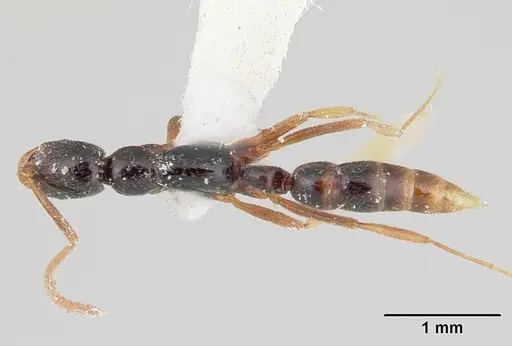
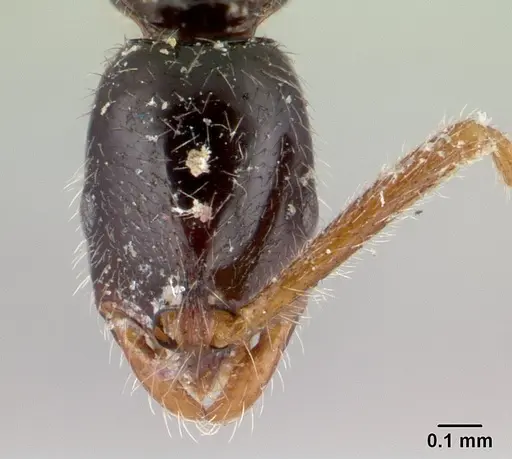
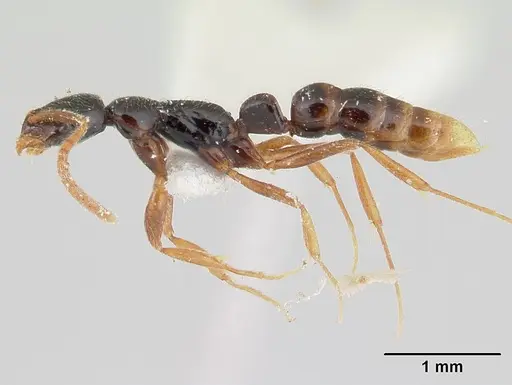
CASENT0178819
View on AntWeb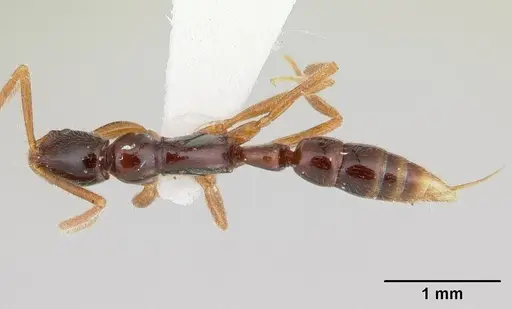
Literature
Loading...Loading products...