

Leptogenys gatu
- Scientific Name
- Leptogenys gatu
- Tribe
- Ponerini
- Subfamily
- Ponerinae
- Author
- Lattke, 2011
- Distribution
- Found in 2 countries
Leptogenys gatu Overview
Leptogenys gatu is an ant species of the genus Leptogenys. It is primarily documented in 2 countries , including Costa Rica, Panama. Detailed taxonomic data and occurrence records can be further explored via authoritative databases such as AntWeb or the Global Biodiversity Information Facility (GBIF).
Leptogenys gatu
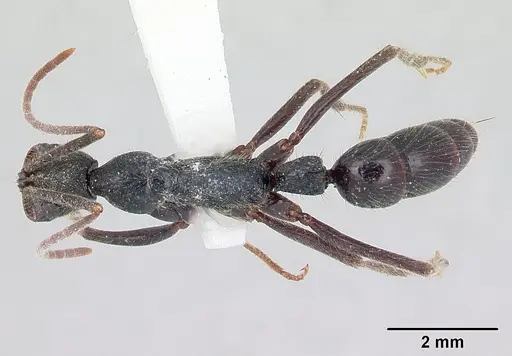
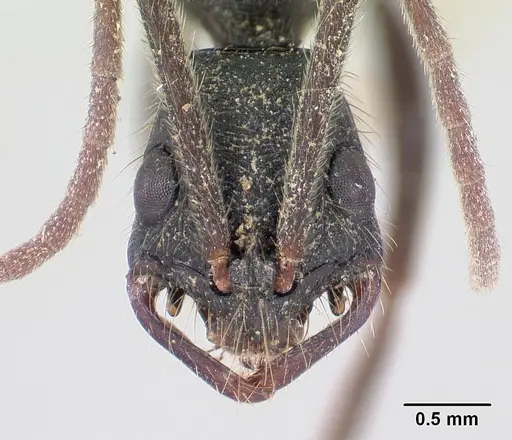
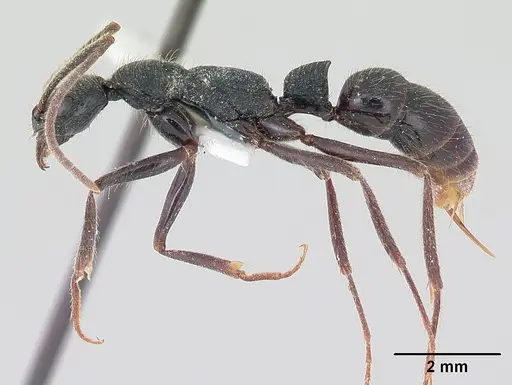
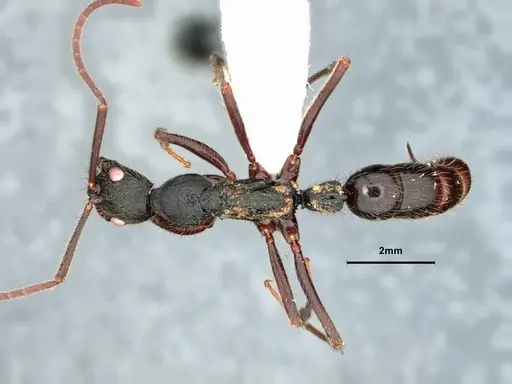
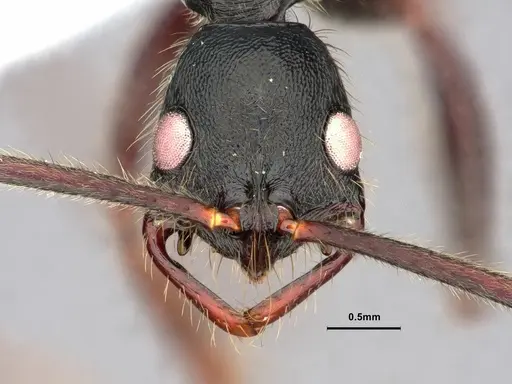
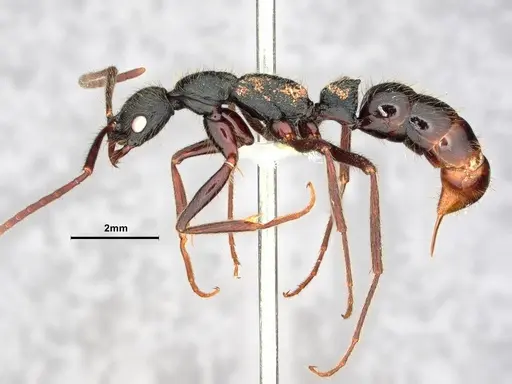
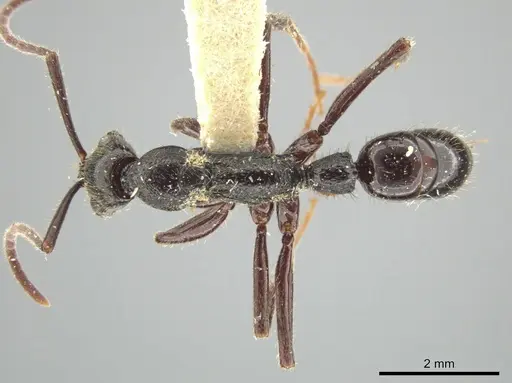
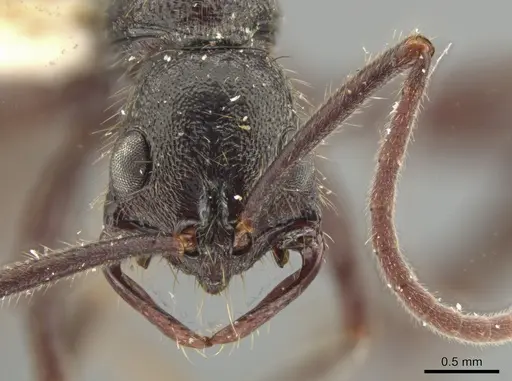
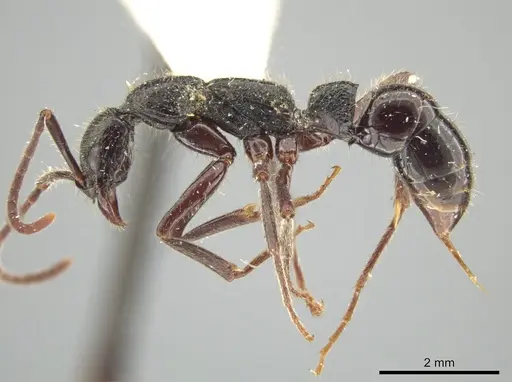
Leptogenys gatu is a medium-sized predatory ant belonging to the subfamily Ponerinae. Workers measure around 1.6-1.8mm in head length and have a distinctive appearance with an elongate head that is wider at the front than the back. Their body is mostly black with brown mandibles, legs, and gaster. These ants are found across the Neotropical region from Costa Rica through Panama to western Colombia, typically living in leaf litter habitats. A notable behavior observed in the wild shows workers carrying isopod prey above their heads while moving in columns, this is a characteristic foraging strategy of the genus. Queens and males remain unknown in this species, suggesting either claustral colony founding or possible alternative reproductive strategies typical of some Ponerinae ants.
Quick Summary
- Difficulty: Medium
- Origin & Habitat: Neotropical region from Costa Rica to western Colombia, found in leaf litter habitats in lowland rainforest areas like Corcovado National Park and the Canal Zone in Panama [1][2][3].
- Colony Type: Colony structure is unconfirmed, queens have not been documented. Based on genus patterns, likely single-queen colonies.
- Size & Growth:
- Queen: Unknown, queens have not been described
- Worker: Workers are 1.6-1.8mm in head length (HL), with total body lengths around 3-3.5mm [4]
- Colony: Unknown, no colony size data available
- Growth: Unknown
- Development: Unknown, no development data available for this species (Development timeline has not been studied. Related Ponerinae species typically take 2-4 months from egg to worker at tropical temperatures.)
- Antkeeping:
- Temperature: Keep at 24-28°C, these are lowland tropical ants requiring warm, stable conditions. A heating cable on one side of the nest can provide a gentle gradient.
- Humidity: Maintain high humidity around 70-80%, they naturally live in leaf litter where moisture is consistently high. Keep the nest substrate moist but not waterlogged.
- Diapause: No, as tropical ants from lowland rainforests, they do not require hibernation. Keep temperatures stable year-round.
- Nesting: Provide a naturalistic setup with moist substrate (like soil or a plaster/acrylic nest with damp chambers). Their natural habitat is leaf litter, so they do well with some décor like pieces of bark or leaves that maintain humidity. Y-tong nests or moist plaster nests work well.
- Behavior: Leptogenys gatu is a predatory ant that hunts isopods and other small invertebrates. They forage in columns, with workers sometimes carrying prey items above their heads, a distinctive behavior observed in the wild [5]. They are likely moderately aggressive hunters with potent stingers typical of Ponerinae. Escape prevention should be good, while not tiny, they are active and may attempt to escape. Their medium size means standard formicarium barriers should work, but watch for small gaps.
- Common Issues: queen absence makes colony founding difficult, no documented queens means wild colonies are the likely source, predatory diet requires live prey, they cannot survive on sugar alone and need regular isopods or other small invertebrates, high humidity needs can lead to mold problems if ventilation is poor, slow colony development is typical for Ponerinae, beginners may lose patience, stress from handling can cause workers to die, minimize disturbances during setup
Natural History and Distribution
Leptogenys gatu is found throughout the Neotropical lowlands from Costa Rica through Panama to western Colombia, particularly in the Valle del Cauca region [1][2]. Their habitat consists of leaf litter in tropical rainforest environments, specimens have been collected using pitfall traps and by sifting through decomposing leaf material. The species was first described by Lattke in 2011 based on workers collected near Lake Gatun in Panama's Canal Zone. The type locality gives the species its name 'gatu.' They are members of the Leptogenys unistimulosa species group, which is characterized by specific morphological features including elongate heads and distinctive mandibular structures.
Foraging and Hunting Behavior
These ants are confirmed predators with a preference for isopods. In Corcovado National Park, researcher John Longino observed a column of foragers where a worker was carrying an isopod prey item held above its head, a behavior that appears characteristic of this genus [5]. This carrying method is efficient for transporting prey back to the nest. In captivity, you should replicate this predatory lifestyle by providing live isopods, springtails, or other small arthropods. Unlike many ants that readily accept sugar water, Leptogenys are primarily protein hunters and may show little interest in carbohydrate sources. Feed them small live prey regularly, every 2-3 days for an active colony.
Housing and Nesting
Because Leptogenys gatu naturally lives in leaf litter, they do best in setups that replicate humid forest floor conditions. A naturalistic terrarium with moist soil substrate works well, decorated with pieces of bark, leaves, and moss to maintain humidity. Alternatively, a Y-tong (acrylic) nest with moist chambers can work, though you may need to add a water reservoir or mist regularly to maintain humidity. The nest should have chambers sized appropriately for medium-sized ants, not too large or too small. Provide a water source like a small test tube with a cotton wick. Good ventilation is essential to prevent mold while maintaining the high humidity they need.
Temperature and Seasonal Care
As lowland tropical ants from Costa Rica and Panama, Leptogenys gatu requires warm conditions year-round. Keep the nest area between 24-28°C, this is ideal for tropical Ponerinae. A heating cable placed on one side of the nest creates a temperature gradient allowing ants to self-regulate. Avoid temperature drops below 22°C as this can slow activity and potentially stress the colony. Unlike temperate ants, they do not enter diapause or hibernation. Maintain consistent temperatures throughout the year. Room temperature in most homes may be too cool, so consider using a small heat mat or placing the nest in a warm room.
Feeding Requirements
Leptogenys gatu is a specialized predator that primarily hunts isopods and other small invertebrates. In captivity, offer live prey such as isopods (their natural prey), springtails, small crickets, fruit flies, or other tiny arthropods. They may accept pre-killed prey, but live prey triggers their hunting instincts. Feed small prey items 2-3 times per week for established colonies. Sugar sources like honey or sugar water are unlikely to be accepted, these are not honeydew-feeding ants. Some keepers report success offering tiny amounts of protein jelly or crushed insects, but live prey should form the bulk of their diet. Always remove uneaten prey to prevent mold. [5]
Colony Acquisition and Challenges
This is one of the more challenging Leptogenys species to keep because queens have never been documented, meaning you cannot start a colony from a founding queen [4]. Wild-caught colonies are your only option, and these often suffer from collection stress and may contain parasites. When acquiring a colony, look for active foragers with good numbers, avoid colonies that appear stressed or have many dead workers. Expect slower colony growth than many common ant species. Ponerinae colonies typically develop more slowly than Myrmicinae. Patience is essential, a healthy wild-caught colony may take months to stabilize. Consider this an expert-level species rather than a beginner project.
Frequently Asked Questions
How long does it take for Leptogenys gatu to produce first workers?
The development timeline is unconfirmed for this species since queens have never been documented. If you obtain a wild colony, workers will already be present. Based on related Ponerinae species, expect 2-4 months for brood development at tropical temperatures (26-28°C).
Can I keep Leptogenys gatu in a test tube setup?
Test tubes can work temporarily for small groups, but they prefer more space and humidity control. A naturalistic setup or Y-tong nest with moist chambers is better long-term. If using test tubes, ensure the cotton stays damp and provide a prey hunting area.
What do Leptogenys gatu eat?
They are predators that primarily hunt isopods and other small invertebrates. Feed live isopods, springtails, small crickets, or fruit flies. They are unlikely to accept sugar water or honey. Remove uneaten prey promptly.
Are Leptogenys gatu good for beginners?
No, this species is not recommended for beginners. Queens have never been documented, so you cannot start from a founding colony. They require live prey, high humidity, and warm tropical conditions. They are best suited for experienced antkeepers who can provide specialized care.
What temperature do Leptogenys gatu need?
Keep them at 24-28°C. These are lowland tropical ants that require consistent warmth. A small heating mat or cable on one side of the nest creates a gradient. Avoid temperatures below 22°C.
Do Leptogenys gatu need hibernation?
No, as tropical ants from Costa Rica and Panama, they do not require hibernation or winter cooling. Keep temperatures stable year-round in the 24-28°C range.
How big do Leptogenys gatu colonies get?
Colony size is unknown, no data exists on maximum colony size for this species. Based on related Leptogenys species, colonies likely reach several hundred workers over time with moderate growth rates.
Why are my Leptogenys gatu dying?
Common causes include: temperature too low (below 22°C), humidity too low or too high (aim for 70-80% with good ventilation), stress from excessive handling, poor prey quality, or parasites from wild-caught colonies. Ensure warm, humid conditions with regular live prey.
Can I keep multiple queens together?
This is unknown, queens have never been documented for this species, so combining queens has not been studied. Based on typical Leptogenys behavior, single-queen colonies are likely. Do not attempt to combine unrelated foundresses.
When should I move Leptogenys gatu to a formicarium?
If you obtain a wild colony, keep them in their initial setup until they stabilize (2-3 months). They do well in naturalistic terrariums or Y-tong nests with moist substrate. Move them if the current setup cannot maintain proper humidity or if the colony outgrows the space.
Is Leptogenys gatu aggressive?
They are predatory ants with stingers and will defend their colony if threatened. They are not typically aggressive toward humans but will respond to perceived threats. Their hunting behavior is directed at prey, not humans. Handle minimally.
References

This caresheet is licensed under CC BY-SA 4.0 .
Literature
Loading...Loading products...