

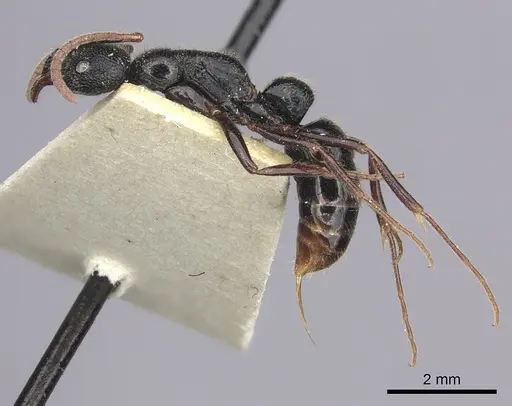
Leptogenys foveopunctata
- Scientific Name
- Leptogenys foveopunctata
- Tribe
- Ponerini
- Subfamily
- Ponerinae
- Author
- Mann, 1921
- Distribution
- Found in 1 countries
Leptogenys foveopunctata Overview
Leptogenys foveopunctata is an ant species of the genus Leptogenys. It is primarily documented in 1 countries , including Fiji. Detailed taxonomic data and occurrence records can be further explored via authoritative databases such as AntWeb or the Global Biodiversity Information Facility (GBIF).
Leptogenys foveopunctata
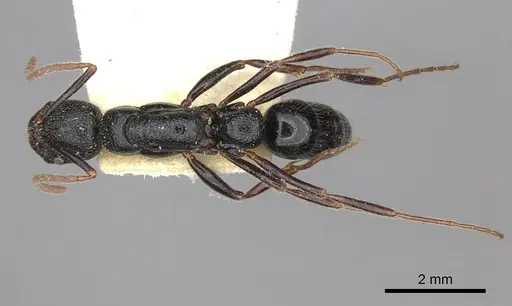
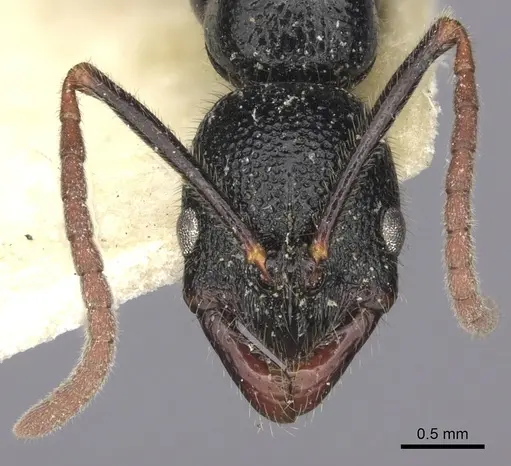
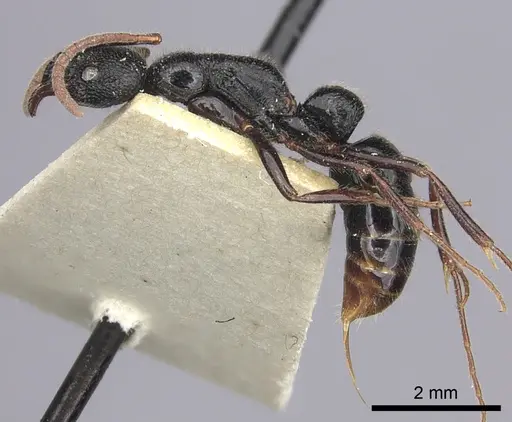
Leptogenys foveopunctata is a slender, medium-sized ant endemic to the islands of Fiji. Workers are characterized by their elongated body and distinct punctured (foveopunctate) surface texture, which gives the species its name. This ant belongs to the Ponerinae subfamily, a group known for their predatory habits and relatively simple social structure compared to more advanced ant genera. The species is known only from Vanua Levu, one of Fiji's main islands, making it a true island endemic with a very restricted natural range [1][2]. The genus Leptogenys is notable for the remarkable radiation it has shown in Fiji, a phenomenon Wilson (1959) highlighted as exceptional for such a small land mass [1]. These ants are active hunters, using their speed and mandibles to capture prey.
Quick Summary
- Difficulty: Medium
- Origin & Habitat: Endemic to Fiji, specifically recorded from Vanua Levu island only. As a tropical island species, it inhabits forest environments in this Pacific region [1][2][3].
- Colony Type: Colony structure is unconfirmed. Based on typical Leptogenys patterns, likely single-queen (monogyne) colonies.
- Size & Growth:
- Queen: Estimated 7-9mm based on genus Leptogenys patterns
- Worker: Estimated 5-7mm based on genus Leptogenys patterns
- Colony: Estimated up to several hundred workers based on genus patterns
- Growth: Moderate
- Development: Estimated 6-10 weeks at tropical temperatures (25-28°C) (Development time is inferred from related Ponerine ants, actual timeline unconfirmed for this species)
- Antkeeping:
- Temperature: Keep at 24-28°C. As a tropical Fiji species, they need warm conditions year-round. A heating cable on one side of the nest creates a suitable gradient.
- Humidity: Keep substrate moderately moist. Tropical forest ants need humidity around 60-80%. Provide a water source and mist occasionally, but avoid waterlogging.
- Diapause: No, as a tropical species from near the equator, they do not require hibernation. Keep temperatures stable year-round.
- Nesting: In nature, Leptogenys typically nest in soil, under stones, or in rotting wood. In captivity, a Y-tong (AAC) nest or plaster formicarium works well. Provide damp substrate for nest chambers.
- Behavior: Leptogenys are active, predatory ants that hunt for arthropod prey. Workers are fast-moving and will aggressively tackle prey larger than themselves. They have a moderate sting though the pain is typically mild for most species. Escape prevention is important, use fluon on nest edges and ensure any gaps are sealed. They are not aggressive toward humans but will defend their nest if threatened.
- Common Issues: tropical species needs warm temperatures year-round, cold stress can kill colonies, predatory diet means they need regular live prey, sugar alone is insufficient, small colony sizes initially mean overfeeding can cause mold problems, escape prevention needed due to active, fast-moving workers, wild-caught colonies may have parasites that are difficult to treat in captivity
Housing and Nest Setup
Leptogenys foveopunctata can be housed in standard ant keeping setups. A Y-tong (AAC) formicarium or plaster nest works well, these provide good humidity control and allow you to observe the colony. Since this is a tropical species, the nest area should be kept warm and damp. Connect the nest to an outworld (foraging area) where you can offer food. Use a test tube setup for the founding queen if starting with a claustral queen. Ensure all connections are secure, these ants are active and will find any gap to escape. A layer of substrate in the outworld is optional but can help with humidity. Provide a water source in the outworld.
Feeding and Diet
Leptogenys are predatory ants that need protein-rich food to survive and raise brood. Feed them small live insects such as fruit flies, pinhead crickets, small mealworms, or other appropriately-sized arthropods. Offer prey 2-3 times per week, adjusting based on colony size and consumption. Remove any uneaten prey after 24 hours to prevent mold. While some Leptogenys species may accept sugar water or honey occasionally, their primary diet should be live prey. This is not a species that can survive on sugar alone, the protein from insects is essential for larval development and colony growth.
Temperature and Seasonal Care
As a tropical endemic from Fiji, this species needs warm conditions throughout the year. Keep the nest area at 24-28°C (75-82°F). A small heating cable or heat mat placed on one side of the nest can maintain these temperatures, but always provide a temperature gradient so ants can move to cooler areas if needed. Do not let temperatures drop below 20°C for extended periods, cold stress is a common killer of tropical ant species. Unlike temperate species, they do not need a winter diapause period. Maintain stable temperatures year-round to support continuous brood development.
Behavior and Colony Dynamics
Leptogenys workers are active hunters that patrol their territory searching for arthropod prey. They use their mandibles to seize and subdue prey, which they then carry back to the nest or share with nestmates through trophallaxis ( regurgitation). Colonies typically grow at a moderate pace, starting with a single queen and her first brood of workers (nanitics), the colony expands over several months to a year. Workers are not particularly large but are fast and persistent hunters. The colony will become more active and visible as it grows, with workers readily emerging to capture prey in the outworld.
Frequently Asked Questions
How long does it take for Leptogenys foveopunctata to produce first workers?
Based on related Ponerine ants, expect first workers (nanitics) around 6-10 weeks after the queen lays eggs, assuming temperatures around 25-28°C. This timeline is estimated as specific development data for this species does not exist.
What do Leptogenys foveopunctata ants eat?
They are predatory ants that need live arthropod prey. Feed small insects like fruit flies, small crickets, mealworms, or other appropriately-sized live prey. Offer food 2-3 times per week. Sugar water may be accepted occasionally but should not be the primary food source.
What temperature do Leptogenys foveopunctata ants need?
Keep them warm at 24-28°C (75-82°F). As a tropical Fiji species, they need year-round warmth. A heating cable on part of the nest can help maintain these temperatures. Avoid temperatures below 20°C.
Are Leptogenys foveopunctata ants good for beginners?
This species is rated as Medium difficulty. While not the hardest species to keep, they do require specific conditions (warm temperatures, live prey diet) that make them better suited for antkeepers who have kept a few species already. The need for regular live prey requires more effort than species that accept just sugar water.
How big do Leptogenys foveopunctata colonies get?
Based on typical Leptogenys colony sizes, expect colonies to reach several hundred workers over time. The exact maximum is unknown for this species as no colony data exists, but related species typically reach 200-500 workers.
Do Leptogenys foveopunctata need hibernation?
No. As a tropical species from Fiji near the equator, they do not experience cold winters and do not require a diapause or hibernation period. Keep temperatures stable and warm year-round.
Where is Leptogenys foveopunctata found in the wild?
This species is endemic to Fiji, specifically found only on Vanua Levu island. It is not found anywhere else in the world, making wild collection impossible outside of Fiji.
Can I keep multiple Leptogenys foveopunctata queens together?
The colony structure of this species is unconfirmed. Based on typical Leptogenys patterns, they likely have single-queen colonies. Combining unrelated queens is not recommended as it may result in fighting. If you obtain a colony, assume it is single-queen and house accordingly.
Why is my Leptogenys foveopunctata colony dying?
The most common causes are: cold temperatures (below 20°C), insufficient protein (not enough live prey), mold from overfeeding, or stress from disturbance. Ensure proper heating, provide regular live prey, remove uneaten food promptly, and minimize nest disturbances. Wild-caught colonies may also carry parasites that can cause colony decline.
References

This caresheet is licensed under CC BY-SA 4.0 .
CASENT0260380
View on AntWeb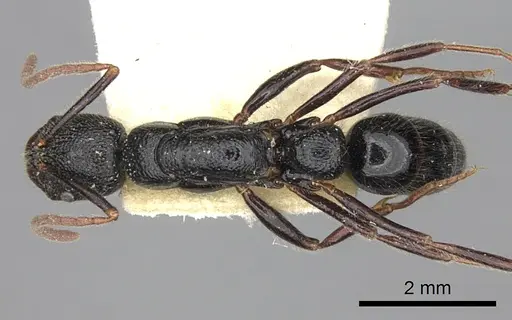
Literature
Loading...Loading products...