

Leptogenys foreli
- Scientific Name
- Leptogenys foreli
- Tribe
- Ponerini
- Subfamily
- Ponerinae
- Author
- Mann, 1919
- Distribution
- Found in 1 countries
Leptogenys foreli Overview
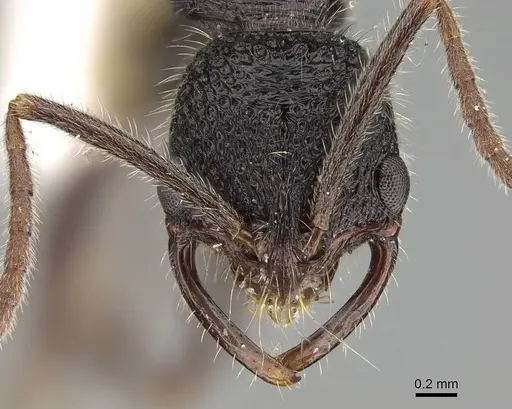
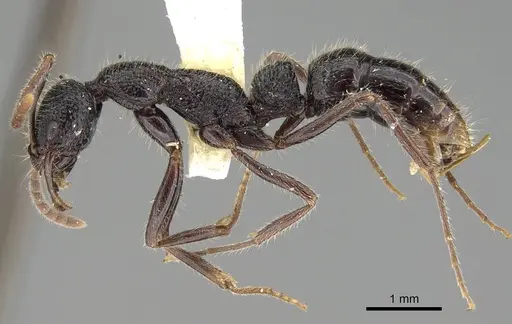
Leptogenys foreli is an ant species of the genus Leptogenys. It is primarily documented in 1 countries , including Solomon Islands. Detailed taxonomic data and occurrence records can be further explored via authoritative databases such as AntWeb or the Global Biodiversity Information Facility (GBIF).
Leptogenys foreli
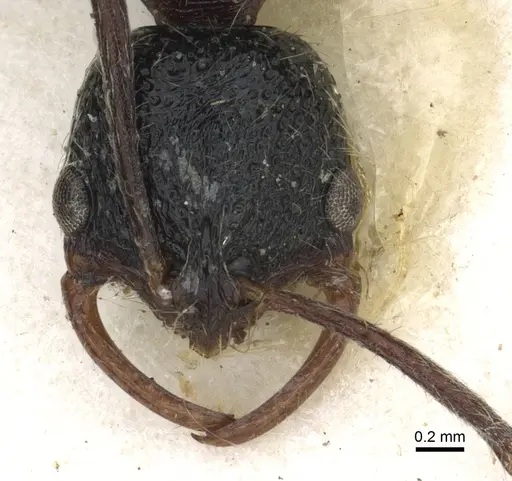
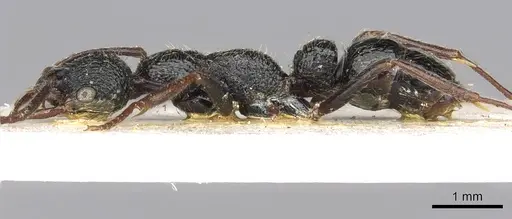
Leptogenys foreli is a slender ponerine ant native to the Solomon Islands, Vanuatu, and New Guinea. Workers are typically dark in color with elongated bodies, characteristic of the Leptogenys genus. This species was first described by William Mann in 1919 from the British Solomon Islands, where it remains one of the more obscure Leptogenys species in the region. The species was originally described as Leptogenys foreli from Vanuatu, but was later recognized as the same species and synonymized. These ants are predatory, like other members of the Ponerinae subfamily, and likely hunt small invertebrates in their forest floor habitat.
Quick Summary
- Difficulty: Medium
- Origin & Habitat: Solomon Islands and Vanuatu in the Australasian region. They inhabit tropical forest environments, typically nesting in soil or under debris on the forest floor.
- Colony Type: Colony structure is unconfirmed. Most Leptogenys species establish single-queen colonies, but this has not been specifically documented for L. foreli.
- Size & Growth:
- Queen: Estimated 6-8mm based on genus patterns
- Worker: Estimated 4-6mm based on genus patterns
- Colony: Unknown, likely moderate colonies of several hundred workers based on typical Leptogenys colony sizes
- Growth: Moderate, estimated based on related species
- Development: Estimated 6-10 weeks at optimal temperature based on typical Ponerinae development (Development time is estimated from related Ponerinae species, specific data for L. foreli is not available)
- Antkeeping:
- Temperature: Keep at 24-28°C. Being a tropical species from the Solomon Islands, they need warm conditions. A heating cable on one side of the nest creates a suitable gradient.
- Humidity: High humidity of 70-80% is recommended. Keep the nest substrate consistently moist but not waterlogged. Mist occasionally and provide a water tube.
- Diapause: No, this is a tropical species that does not require hibernation. Maintain warm conditions year-round.
- Nesting: Naturalistic setup with moist substrate or Y-tong/plaster nests work well. They prefer dark, humid nesting chambers. Avoid dry conditions.
- Behavior: These ants are predatory and active hunters. Workers are fast-moving and will readily hunt small prey. They have a sting, which they use to subdue prey, so handle with care. Escape prevention is important, use appropriate barriers. They are generally not aggressive toward humans unless threatened.
- Common Issues: tropical species requires consistent warmth, cold temperatures can slow or stop brood development, high humidity needs can lead to mold if ventilation is poor, predatory diet means they need regular live prey, sugar sources are unlikely to be accepted, small colony size at founding makes founding colonies fragile and prone to failure, lack of specific care data means keepers must adapt from related species
Housing and Nest Setup
Leptogenys foreli does well in naturalistic setups with moist substrate or in Y-tong/plaster nests designed for Ponerine ants. These ants prefer dark, humid nesting chambers that mimic their forest floor habitat. The nest should have chambers scaled to their worker size (4-6mm). A test tube setup can work for founding colonies if kept humid, but transfer to a proper nest once the colony reaches 20-30 workers. Use a well-secured outworld as these ants are active hunters and can escape if given the chance.
Feeding and Diet
As a Ponerine ant, L. foreli is predatory and requires live prey. Offer small insects such as fruit flies, pinhead crickets, small mealworms, and other appropriately-sized arthropods. Feed protein prey 2-3 times per week for established colonies. Sugar sources like honey or sugar water are unlikely to be accepted, Ponerine ants are primarily carnivorous. Remove uneaten prey after 24-48 hours to prevent mold.
Temperature and Humidity
Maintain temperatures of 24-28°C year-round. This tropical species does not tolerate cool conditions well. Use a heating cable on one side of the nest to create a temperature gradient if room temperature is below this range. Humidity should be kept high at 70-80%, the nest substrate should feel consistently moist. Provide a water tube for drinking access. Good ventilation is important to prevent mold while maintaining humidity.
Behavior and Temperament
Leptogenys foreli workers are active hunters that patrol their territory searching for small invertebrates. They have a functional sting used to subdue prey, so handle with care. Workers are relatively fast-moving and can be skittish. Colonies are likely to be defensive if their nest is disturbed. These ants do not form large supercolonies and typically maintain moderate-sized colonies. They are best suited for keepers interested in observing predatory hunting behavior.
Colony Development
Colony founding in Leptogenys species is typically semi-claustral, meaning the queen must leave the nest periodically to hunt for food during the founding stage. This makes founding colonies more challenging than fully claustral species. Expect slow growth initially, the first workers (nanitics) may take 6-10 weeks to develop. Colony growth is moderate once established. Maximum colony size is not documented but likely reaches several hundred workers based on related species.
Frequently Asked Questions
How long does it take for Leptogenys foreli to produce first workers?
Based on typical Ponerinae development, expect 6-10 weeks from egg to first worker at optimal temperature (24-28°C). Specific development data for L. foreli is not available.
What do Leptogenys foreli eat?
They are predatory and require live small invertebrates. Offer fruit flies, pinhead crickets, small mealworms, and similar prey. Sugar sources are unlikely to be accepted, they are primarily carnivorous.
Can I keep multiple queens together?
This has not been documented for L. foreli. Most Leptogenys species are single-queen colonies. It is not recommended to house multiple unrelated foundress queens together.
Do Leptogenys foreli need hibernation?
No, this is a tropical species from the Solomon Islands and Vanuatu. They do not require hibernation and should be kept warm year-round at 24-28°C.
Are Leptogenys foreli good for beginners?
This species is rated as medium difficulty. They require specific conditions (warmth, high humidity, live prey) that make them more challenging than common species. They are best suited for keepers with some experience who can maintain consistent tropical conditions.
How big do Leptogenys foreli colonies get?
Colony size is not specifically documented, but based on related species, colonies likely reach several hundred workers. Growth is moderate.
What temperature should I keep Leptogenys foreli at?
Keep them at 24-28°C. This tropical species needs warm conditions year-round. Use a heating cable if room temperature is below this range.
When should I move Leptogenys foreli to a formicarium?
Keep founding queens in a test tube setup with humid conditions. Once the colony reaches 20-30 workers and the test tube becomes crowded, transfer to a naturalistic setup or Y-tong nest.
Why is my Leptogenys foreli colony declining?
Common causes include: temperatures too low (below 24°C), humidity too low or too high (aim for 70-80% consistently), insufficient live prey, or mold issues from poor ventilation. Check all parameters and ensure prey is being captured and consumed.

This caresheet is licensed under CC BY-SA 4.0 .
CASENT0902620
View on AntWeb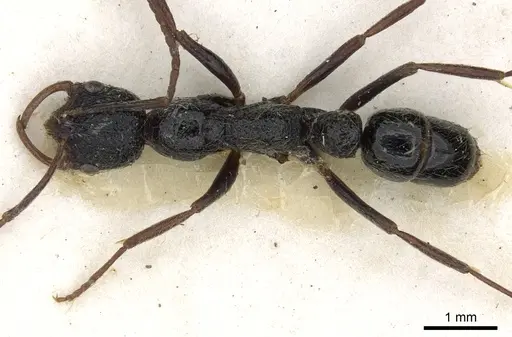
CASENT0915990
View on AntWeb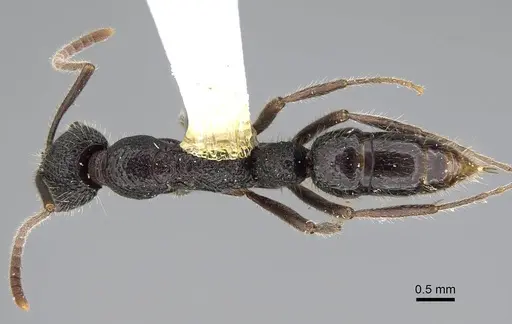
Literature
Loading...Loading products...